Agia Solomoni Catacomb, Paphos District Travel Guide
Venture into Agia Solomoni Catacomb, a hauntingly beautiful subterranean chapel in Paphos, where ancient legend, faith, and local tradition intertwine beneath the surface.
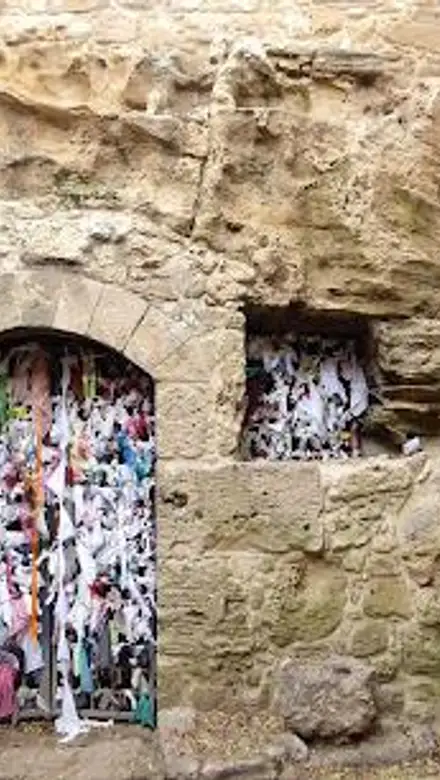
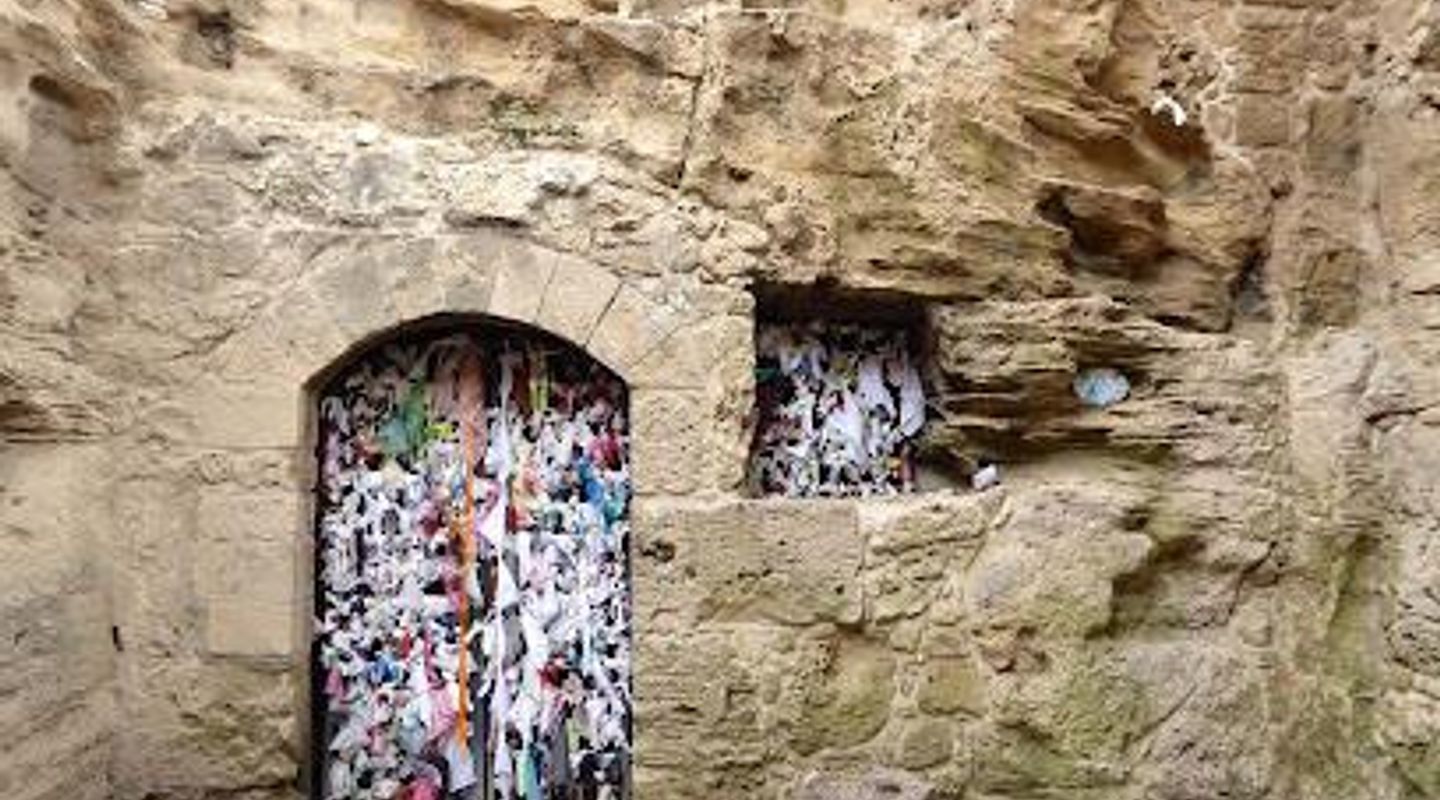
Agia Solomoni Catacomb in Paphos is a centuries-old underground complex carved into soft limestone, revered as one of Cyprus’s earliest Christian sites. Visitors descend into chambered tunnels adorned with faded frescoes and religious icons, and just outside stands a famous ‘wishing’ tree covered in colorful ribbons. This atmospheric site blends religious devotion, local superstition, and the echoes of ancient history in a cool, candle-lit grotto frequented by both pilgrims and curious travelers.
A brief summary to Agia Solomoni Catacomb
- Apostolou Pavlou Ave 100, Paphos, 8042, CY
- Monday 8 am-4 pm
- Tuesday 8 am-4 pm
- Wednesday 8 am-4 pm
- Thursday 8 am-4 pm
- Friday 8 am-4 pm
- Saturday 8 am-4 pm

Know before you go
Hi, I'm Eve. Here are a few practical things to know before exploring Agia Solomoni Catacomb.
- Bring a small ribbon or piece of cloth to participate in the wishing tradition at the blessed tree above the entrance.
- The descent into the catacomb is via steep, sometimes slippery steps—wear sturdy footwear for safe access.
- Afternoons are quieter, making for a more contemplative visit if you seek solitude or time for prayer.
- Photography is permitted, but be respectful of candles, icons, and any worshippers present.
- Look for remnants of ancient frescoes deep inside—they offer rare insight into early Cypriot Christian art.
Do you manage this location?
Take control to get all the benefits, like improved information, better appearance, and stronger visibility across AI-powered discovery. Learn more about listing your business on Evendo
Activate your presenceOther nearby places you may find interesting
The closest places of the same kind, if this one is not quite what you had in mind.

Explore Agia Solomoni Catacomb on the Map
A handpicked selection of must-see spots near Agia Solomoni Catacomb, mapped for you.
Unlock the Best of Agia Solomoni Catacomb
Buy tickets
-
No tickets available
Book tours with entry


Book tours without entry

Getting There
-
Driving
Agia Solomoni Catacomb is situated near the heart of Paphos, making it easily accessible from Pissouri by car—expect a scenic drive of 30–40 minutes toward Paphos's archaeological corridor, with clear signage indicating historical attractions nearby. Paid parking is available at several municipal lots close to the archaeological park and Kings Avenue Mall, typically averaging €2–3 per hour, depending on season and proximity. During busy midday hours, parking may be limited, so consider arriving early or later in the afternoon.
-
Public Transport
Buses link Pissouri to Paphos with a transfer (total journey of 1.5–2 hours), arriving at Paphos's main station near the harbor. From the harbor area, it’s a 10–20 minute stroll, moving past the medieval castle and into the more modern city center, with the catacomb entrance regionally signposted. A single adult fare for bus travel is typically €1.50–4.00 per segment, depending on operator and season.
-
Taxi
A taxi from Pissouri to central Paphos offers a comfortable and direct option, generally taking 30–40 minutes depending on traffic. Fares are usually in the €45–€55 range each way. Drop-off is feasible very close to the catacomb entrance, which stands out near the shopping area and local food stands.
Discover more about Agia Solomoni Catacomb













Your all‑in‑one travel companion app
Explore expert travel guides, compare and book tours, experiences, hotels, and more—all from the palm of your hand. Download now for seamless trip planning wherever your wanderlust takes you.


Explore More of Paphos District

Looking beyond Agia Solomoni Catacomb? Discover Paphos District for broader travel guides, local hot-spots, and regional highlights.
Explore Paphos District
Step back in time at the Roman Odeon in Paphos, a remarkably preserved amphitheater hosting ancient echoes and modern performances.
Discover the ancient artistry of the Early Hellenistic Pebble Mosaic Floor in Paphos, Cyprus, a captivating glimpse into Hellenistic artistry and mythology within a UNESCO World Heritage Site.