

House of Aion Travel Guide
Free Guide: Discover the mesmerizing mosaics of the House of Aion in Paphos Archaeological Park, a window into the opulent world of Roman Cyprus and its captivating mythology.


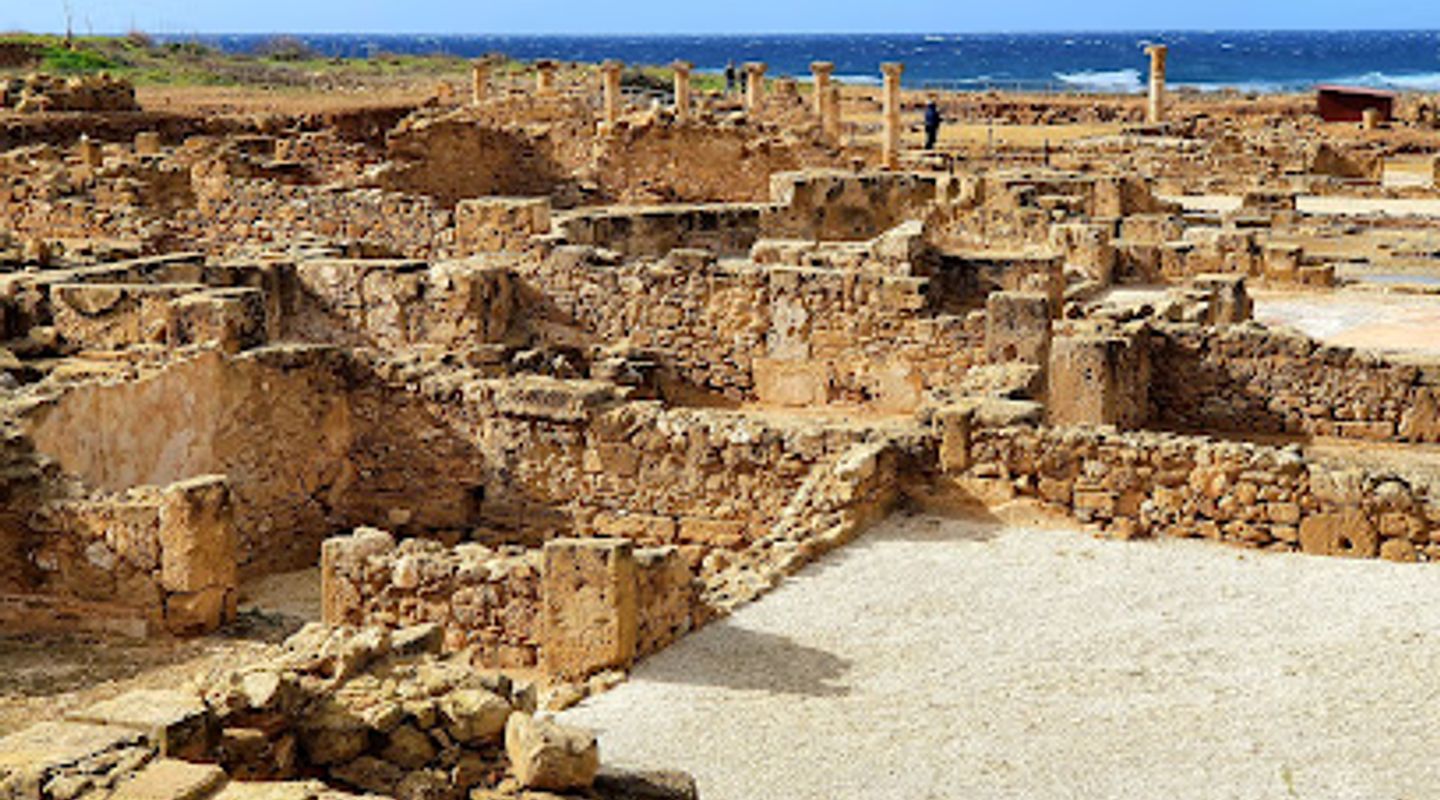
A brief summary of House of Aion
Discover the mesmerizing mosaics of the House of Aion in Paphos Archaeological Park, a window into the opulent world of Roman Cyprus and its captivating mythology.
The House of Aion, located within the Paphos Archaeological Park, is a must-see for history buffs and mosaic enthusiasts. This Roman villa, dating back to the 4th century AD, is renowned for its exceptionally well-preserved mosaic floor, considered one of the finest examples of Roman art. The intricate mosaics depict scenes from Greek mythology, with a particular focus on Dionysus, the god of wine and revelry. The House of Aion offers a captivating glimpse into the opulent lifestyle and rich cultural heritage of Roman Cyprus. Exploring this site provides a unique opportunity to admire the artistry of ancient craftsmen and delve into the fascinating stories woven into these stunning mosaics. Don't miss this chance to step back in time and witness the splendor of the Roman era.
Opening hours
- Every day8:30 am–5 pm
Opening hours as listed on the venue’s Google Business Profile. Hours can change for services and special events, so check with the venue before you go.
- Address
- QC44+M57, Paphos 8040, Cyprus
- Phone
Getting there
Walking
Public Transport
Taxi/Ride-Share
Discover more about House of Aion
Overview
The House of Aion, nestled within the expansive Paphos Archaeological Park, stands as a testament to the artistic achievements and cultural richness of Roman Cyprus. This ancient Roman villa, dating back to the mid-4th century AD, is celebrated for its remarkable mosaic floor, widely regarded as one of the most exceptional and enigmatic works of art from the Roman period. The villa derives its name from the depiction of Aion, the god of time and eternity, prominently featured in the central panel of the mosaic. Discovered in 1983, the House of Aion offers a captivating glimpse into the luxurious lifestyle and sophisticated tastes of the Roman elite who once inhabited this opulent dwelling. Although only a portion of the villa has been excavated, the mosaic floor remains the undisputed highlight, drawing visitors from around the globe to marvel at its intricate designs and vibrant colors. The mosaic floor is divided into five distinct panels, each depicting scenes from Greek mythology. These panels are surrounded by a geometric frame, adding to the overall visual appeal of the artwork. The scenes primarily revolve around Dionysus, the god of wine, fertility, theatre, and religious ecstasy, reflecting the widespread popularity of his cult throughout the Roman Empire. One of the most striking panels portrays the infancy of Dionysus, with Hermes entrusting the newborn god to the care of nymphs. Another panel depicts the beauty contest between Cassiopeia and the Nereids, judged by Aion himself, with other mythological figures such as Helios, Zeus, and Athena looking on. The central panel showcases Aion, the god of eternal time, surrounded by symbolic representations of the seasons and cosmic elements. Further panels depict Leda and the Swan, illustrating Zeus's seduction of Leda in the guise of a swan, and a Dionysiac procession, featuring centaurs, maenads, and other figures associated with the god's retinue. The final panel illustrates the judgement of Marsyas by Apollo. Each scene is rendered with meticulous detail and vibrant colors, showcasing the exceptional skill of the Roman mosaicists. The House of Aion is located within the Kato Paphos Archaeological Park, a UNESCO World Heritage Site that encompasses a vast area of ancient ruins and historical monuments. Visitors to the park can explore other notable sites, including the House of Dionysos, renowned for its extensive mosaic floors depicting scenes from mythology and daily life; the House of Theseus, believed to have been the residence of the Roman proconsul; and the House of Orpheus, featuring mosaics depicting Orpheus charming animals with his lyre. Beyond the Roman villas, the Paphos Archaeological Park also encompasses the remains of an ancient agora (marketplace), an odeon (theater), an asklepieion (healing sanctuary), and the Saranta Kolones (Forty Columns) fortress, offering a comprehensive overview of the city's rich history and cultural heritage. The Tombs of the Kings, an elaborate necropolis located just outside the main park area, provides further insight into the burial customs and beliefs of the ancient inhabitants of Paphos. Visiting the House of Aion and the Paphos Archaeological Park is an enriching experience that allows visitors to step back in time and immerse themselves in the world of ancient Cyprus. The park is open year-round, with varying seasonal hours, and an entrance fee is required. Comfortable shoes are recommended, as the park covers a large area and involves a considerable amount of walking. It is also advisable to bring water and sun protection, especially during the hot summer months. The House of Aion stands as a remarkable testament to the artistic achievements and cultural heritage of Roman Cyprus. Its exquisite mosaics offer a captivating glimpse into the lives, beliefs, and artistic sensibilities of the people who once inhabited this ancient city. A visit to the House of Aion is an unforgettable journey into the past, leaving visitors with a profound appreciation for the enduring legacy of Roman civilization.
Evendo Review Centre
 Google
Guest reviews
Explore House of Aion on the map
A handpicked selection of must-see spots near House of Aion, mapped for you.
Get your free copy of our complete guide to House of Aion, delivered straight to you.
Everything on this page, from opening hours and how to get there to Eve’s tips and the best time to go, in one PDF you can read offline, print or share.
Already have an account? Sign in
Your House of Aion guide is ready.
We'll send it to · Not you? Sign out

Getting your guide ready…
We are putting together a fresh copy of the House of Aion guide. This can take up to a minute.
This can take a few moments. If your browser asks, choose Allow so the download can start. You'll find the guide in your Downloads folder.
Nothing happened? Download it again
Sorry, the guide is taking longer than usual. Please try again in a minute, or get it by email instead.
Other nearby places you may find interesting
The closest places of the same kind, if this one is not quite what you had in mind.
-
-
-
-
-


Swipe for more places
More to explore near House of Aion

 Best experiences near House of Aion

 Best hotels near House of Aion

 Best landmarks near House of Aion

 Best attractions near House of Aion

 Best shops near House of Aion

 Best restaurants near House of Aion

 Best bars near House of Aion
Do you manage this location?
Take control to get all the benefits, like improved information, better appearance, and stronger visibility across AI-powered discovery.
Explore more
Explore more of Paphos District
Discover Paphos District: Ancient ruins, stunning beaches, and charming villages await in this captivating region of Cyprus.
Explore Paphos District
Explore more of Cyprus
Discover Cyprus: A Mediterranean paradise with a rich tapestry of history, culture, and breathtaking landscapes, offering a perfect blend of relaxation and adventure.
Explore Cyprus
