

Pissouri Village Travel Guide - Free Web & App
Your ultimate guide to Pissouri Village. Discover top landmarks, proposed trips, and local tips. Free on the web or via the Evendo companion app.


Pissouri Village, Cyprus combines a hilltop village, Pissouri Bay, vineyard landscapes, Cypriot tavernas and coastal walks between Limassol and Paphos.
Village and Landscape
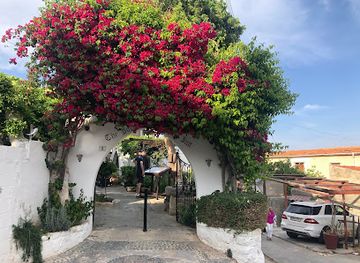
Pissouri Village occupies a hillside in southern Cyprus, roughly between Limassol and Paphos, with views across cultivated slopes towards the Mediterranean. Its traditional core rises above Pissouri Bay, a separate coastal settlement and beach area about three kilometres downhill. The village is surrounded by vineyards, olive groves and dry hillsides shaped by the warm, semi-arid climate of the island's southern coast. Stone houses, narrow lanes and a central square give the old village a more settled, agricultural character than the resort developments found along parts of the coast.Read more about Pissouri Village
Pissouri Bay
Local Character
When is the best time to visit Pissouri Village?
Best: April–May, November · 24–30°C| Month | High (°C) | Rainfall (mm) |
|---|---|---|
| January | 18 | 62 |
| February | 18 | 65 |
| March | 20 | 58 |
| April (best) | 24 | 40 |
| May (best) | 30 | 18 |
| June | 34 | 7 |
| July | 37 | 3 |
| August | 38 | 4 |
| September | 35 | 9 |
| October | 30 | 28 |
| November (best) | 24 | 46 |
| December | 20 | 57 |
Getting to and around Pissouri Village
How to get there
Transportation
Best attractions in Pissouri Village
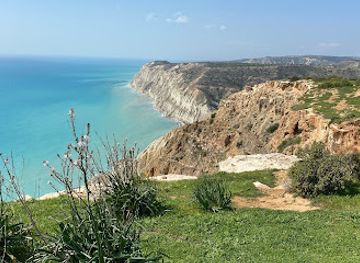
Pissouri Village's most appealing attraction is the contrast between its traditional hilltop centre and the broad coastal setting of Pissouri Bay below. In the village, visitors can explore narrow lanes, stone-built houses, the central square and the parish church, whose surroundings form the focus of local community life. Down at the bay, the beach provides space for swimming and relaxation when conditions are suitable, while the surrounding slopes and coastal paths offer open views across the Mediterranean. The countryside between Pissouri and the coast is marked by vineyards, olive trees and dry cultivated hillsides, making it rewarding for scenic drives and short walks. Nearby Cape Aspro is associated with the area's rugged coastal scenery, though access and terrain should be checked locally. Pissouri also works as a base for excursions beyond the village, including Aphrodite's Rock and the ancient site of Kourion, both nearby regional attractions rather than sights within Pissouri itself.
-
Hiking area
Cape Aspro Trail
Discover the breathtaking white cliffs and panoramic sea views along the scenic Cape Aspro Trail near Pissouri, Cyprus. A coastal hike you won't forget!
-
Hiking area
Genesis Aphrodite’s Trail
Discover breathtaking coastal views and serene landscapes on the Genesis Aphrodite's Trail, a must-visit hiking destination near Pissouri, Cyprus.
-
Tourist attraction
Cape Aspro
Discover Cape Aspro's stunning white cliffs, hiking trails, and panoramic Mediterranean views near Pissouri, Cyprus.
-
Tourist attraction
Black Rock
Discover the dramatic beauty of Black Rock in Kakogiannis, Cyprus: dark volcanic rocks meet crystal-clear waters for a serene coastal escape.



Best landmarks in Pissouri Village
Pissouri's defining natural landmark is the curve of Pissouri Bay, set below the village and framed by the dry hills and cliffs of the southern Cypriot coast. The height difference between the traditional settlement and the shore is itself an important feature, revealing how the community developed inland while maintaining a close relationship with the sea. Within the village, the central square and parish church provide the clearest architectural focus, surrounded by lanes and older houses that express its rural character. Vineyards and cultivated slopes are cultural landmarks of the wider landscape, reflecting the area's long association with agriculture and wine. Cape Aspro contributes a more rugged coastal presence in the surrounding area. Aphrodite's Rock and the ruins of Kourion are significant nearby landmarks in the wider region, but they should be treated as excursions from Pissouri rather than features located within the village.
-
Restaurant
Columbia Beach Resort
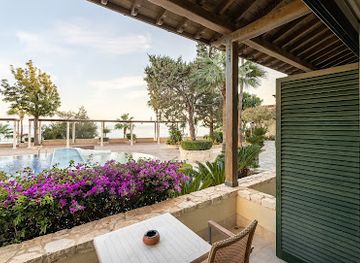
Experience the ultimate luxury getaway at Columbia Beach Resort, where stunning views and exceptional service meet in beautiful Cyprus.
-
Restaurant
Captains Bay
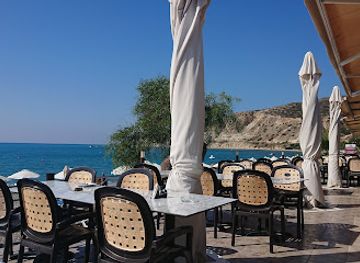
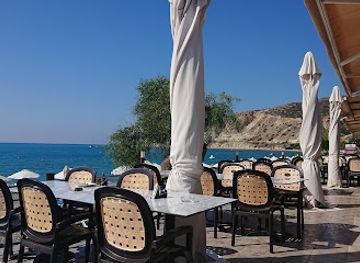
Experience the vibrant flavors of Cyprus at Captains Bay, a seaside restaurant in Pissouri Beach, where culinary delights meet stunning ocean views.
-
Greek
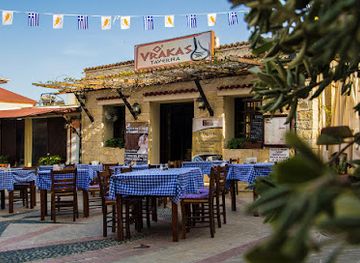
O'Vrakas Taverna Pissouri
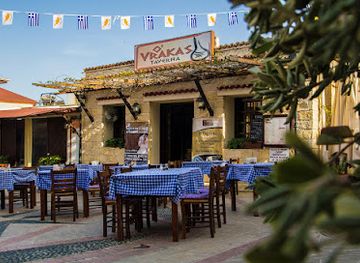
Experience authentic Greek flavors and warm Cypriot hospitality at O'Vrakas Taverna, a culinary gem in the picturesque village of Pissouri.
-
Greek
The Bunch of Grapes Restaurant
Experience the authentic taste of Cyprus at The Bunch of Grapes Restaurant, where Greek and Mediterranean flavors come to life in a charming setting.
Explore Pissouri Village on the map
Plan your trip on one map. See where the top attractions, landmarks, restaurants and hotels are, and book hotels and experiences in a few clicks.
Best hotels in Pissouri Village
Best restaurants in Pissouri Village
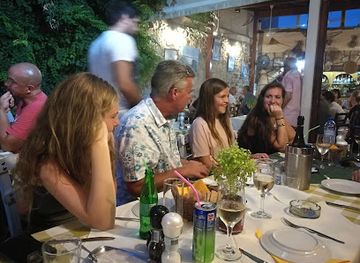
Dining in Pissouri centres on Cypriot home-style cooking rather than a large restaurant scene. Traditional tavernas in the village and around Pissouri Bay commonly serve meze, grilled meats, souvlaki, halloumi, village salads, olives and seasonal vegetables, with local or regional wines complementing the food. Fish and seafood may appear in coastal restaurants, although menus vary with supply and season. The village square is suited to an unhurried meal in a communal setting, while the bay offers dining convenient for beach visitors. Breakfasts, coffee and light meals are available through cafés and smaller eateries, but opening patterns can be seasonal. Visitors staying in self-catering accommodation can find everyday provisions in Pissouri, while a wider choice of supermarkets and specialist food shops is available in larger nearby towns. Local wine and fresh produce are natural choices for picnics and informal meals.
-
Restaurant
Captains Bay
Discover Captains Bay: where delectable cuisine meets breathtaking Mediterranean views in Pissouri, Cyprus.
-
Greek
O'Vrakas Taverna Pissouri
Discover O'Vrakas Taverna in Pissouri: A gem offering authentic Greek cuisine with stunning views and warm hospitality.
-
 Restaurant
The Bunch of Grapes Restaurant
Discover authentic Greek and Mediterranean cuisine at The Bunch of Grapes Restaurant in Pissouri, where every meal tells a story.
-
Steak
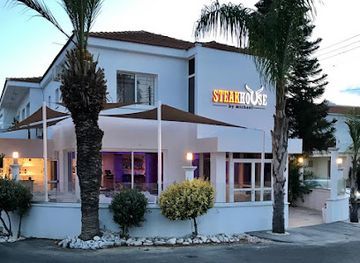
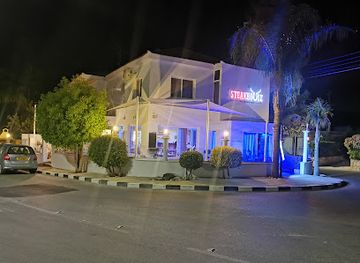
Steakhouse By Michael
Experience culinary excellence at Steakhouse By Michael in Pissouri - where every steak tells a story.
Best bars in Pissouri Village
Pissouri is not a nightclub destination, and its evening life is generally quiet, social and centred on tavernas, cafés and village-style bars. In the hilltop village, evenings may involve dinner in or near the square, conversation over Cypriot wine and occasional community entertainment or traditional music, depending on the season. Pissouri Bay provides a more holiday-oriented atmosphere, with places to enjoy a drink after the beach, although the scale remains modest compared with the larger resorts around Limassol and Paphos. Seasonal festivals and cultural events can bring music, dancing and late activity to public spaces, but schedules vary. Visitors seeking extensive clubbing, late-night bars or a broader programme of performances are more likely to find it in Limassol or Paphos, outside Pissouri and requiring planned transport for the return journey.
-
Restaurant
The Bunch of Grapes Restaurant
Experience the authentic flavors of Greece at The Bunch of Grapes Restaurant in Pissouri, where Mediterranean cuisine meets warm hospitality.
-
Steak
Steakhouse By Michael
Experience the best of grilled delights at Steakhouse By Michael in Pissouri, Cyprus, where quality meets flavor in every bite.
-
Restaurant
Yialos Tavern
Experience the flavors of Cyprus with breathtaking sea views at Yialos Tavern, a culinary gem in Pissouri.
-
Lounge
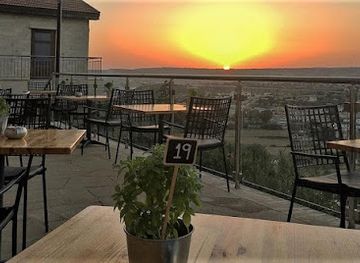
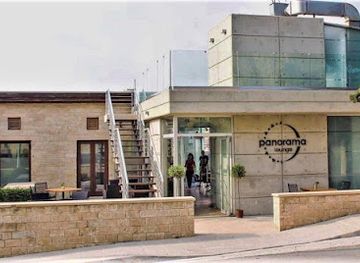
Panorama Lounge
Experience the enchanting views and vibrant atmosphere at Panorama Lounge in Pissouri, Cyprus, where relaxation meets local charm.
Best nightclubs in Pissouri Village
Pissouri is not a nightclub destination, and its evening life is generally quiet, social and centred on tavernas, cafés and village-style bars. In the hilltop village, evenings may involve dinner in or near the square, conversation over Cypriot wine and occasional community entertainment or traditional music, depending on the season. Pissouri Bay provides a more holiday-oriented atmosphere, with places to enjoy a drink after the beach, although the scale remains modest compared with the larger resorts around Limassol and Paphos. Seasonal festivals and cultural events can bring music, dancing and late activity to public spaces, but schedules vary. Visitors seeking extensive clubbing, late-night bars or a broader programme of performances are more likely to find it in Limassol or Paphos, outside Pissouri and requiring planned transport for the return journey.
-
Restaurant
The Bunch of Grapes Restaurant
Discover authentic Greek and Mediterranean flavors at The Bunch of Grapes Restaurant in Pissouri, where every meal is a celebration of local cuisine.
-
Steak
Steakhouse By Michael
Experience the finest steaks in Pissouri at Steakhouse By Michael, where culinary excellence meets a warm, inviting atmosphere.
-
Lounge
Panorama Lounge
Discover the cozy charm of Panorama Lounge in Pissouri, where stunning views and delightful drinks create an unforgettable escape.
-
Restaurant
Hideaway Restaurant
Discover the culinary charm of Hideaway Restaurant in Pissouri, where authentic Greek and Mediterranean dishes await in a picturesque setting.
Best shops in Pissouri Village
Shopping in Pissouri is small-scale and practical, with village shops and supermarkets providing everyday provisions for residents and visitors, while the bay has seasonal retail aimed at beachgoers. The most characteristic purchases are likely to be Cypriot food and drink, including local wine, olive products, sweets and packaged specialities, alongside handmade items or artwork offered by independent sellers when available. Pissouri's agricultural surroundings make regional produce a more meaningful souvenir than imported resort merchandise, although selection varies by season and retailer. Visitors wanting a broader choice of clothing, gifts, crafts or specialist provisions should plan shopping in Limassol, Paphos or another larger nearby town. Markets and community events may offer locally made goods on particular dates, but they should not be assumed to operate throughout the year.
-
Lounge
Panorama Lounge
Discover relaxation at Panorama Lounge in Pissouri, where exceptional cocktails meet stunning views of the Mediterranean landscape.
-
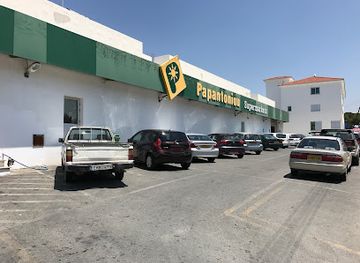
Supermarket
Papantoniou Supermarket (Pissouri)
Discover the culinary delights of Cyprus at Papantoniou Supermarket in Pissouri, offering fresh produce, local specialties, and a friendly shopping experience.
-
Diving center
Cyprus Diving Adventures
Explore the underwater wonders of Cyprus with personalized diving experiences at Cyprus Diving Adventures in Pissouri.
-
Cafe
Delizie Complex
Explore Pissouri's charming Delizie Complex, where delightful café experiences meet beauty and wellness in a serene village setting.


Get your free copy of our complete guide to Pissouri Village, delivered straight to you.
Everything on this page, from attractions and restaurants to essentials and local phrases, in one PDF you can read offline, print or share.
Already have an account? Sign in
Your Pissouri Village guide is ready.
We'll send it to · Not you? Sign out

Getting your guide ready…
We are putting together a fresh copy of the Pissouri Village guide. This can take up to a minute.
This can take a few moments. If your browser asks, choose Allow so the download can start. You'll find the guide in your Downloads folder.
Nothing happened? Download it again
Sorry, the guide is taking longer than usual. Please try again in a minute, or get it by email instead.
Pissouri Village essentials
Currency and Payment
Safety
Emergency Situations
Do's and Don'ts
Local Tips
From Eve
Local phrases worth knowing
You don't need to get them perfect. A few words go a long way, and locals appreciate the effort.
Basics
| English | Local | Say it |
|---|---|---|
| Hello | Γειά σας | [Ya sas] |
| Goodbye | Αντίο | [Adio] |
| Yes | Ναι | [Ne] |
| No | Όχι | [Ohi] |
| Please/You're welcome | Παρακαλώ | [Parakalo] |
| Thank you | Ευχαριστώ | [Efharisto] |
| Excuse me/Sorry | Συγγνώμη | [Signomi] |
| How are you? | Πώς είσαι; | [Pos ise;] |
| Fine. And you? | Καλά. Εσύ; | [Kala. Esi;] |
| Do you speak English? | Μιλάτε Αγγλικά; | [Milate Agglika;] |
| I don't understand | Δεν καταλαβαίνω | [Den katalaveno] |
Eating & Drinking
| English | Local | Say it |
|---|---|---|
| I'd like to see the menu, please | Θα ήθελα να δω το μενού, παρακαλώ | [Tha ithela na do to menu, parakalo] |
| I don't eat meat | Δεν τρώω κρέας | [Den troo kreas] |
| Cheers! | Υγεία! | [Ygeia!] |
| I would like to pay, please | Θα ήθελα να πληρώσω, παρακαλώ | [Tha ithela na plirosso, parakalo] |
Emergencies
| English | Local | Say it |
|---|---|---|
| Help! | Βοήθεια! | [Voithia!] |
| Go away! | Φύγε! | [Fiye!] |
| Call the Police! | Καλέστε την Αστυνομία! | [Kaleste tin Astynomia!] |
| Call a doctor! | Καλέστε για γιατρό! | [Kaleste ya yatro!] |
| I'm lost | Έχω χαθεί | [Eho hathi] |
| I'm ill | Είμαι άρρωστος | [Ime arrostos] |
Shopping
| English | Local | Say it |
|---|---|---|
| I'd like to buy... | Θα ήθελα να αγοράσω... | [Tha ithela na agoraso...] |
| I'm just looking | Απλά κοιτάω | [Apla kitao] |
| How much is it? | Πόσο κοστίζει; | [Poso kostizi;] |
| That's too expensive | Αυτό είναι πολύ ακριβό | [Afto ine poli akribo] |
| Can you lower the price? | Μπορείτε να μειώσετε την τιμή; | [Borite na miosete tin timi;] |
Time & Numbers
| English | Local | Say it |
|---|---|---|
| What time is it? | Τι ώρα είναι; | [Ti ora ine;] |
| It's one o'clock | Είναι μία ώρα | [Ine mia ora] |
| Half past (10) | Μισή (10) | [Misi (10)] |
| Morning | Πρωί | [Proi] |
| Afternoon | Απόγευμα | [Apoyevma] |
| Evening | Βράδυ | [Vradi] |
| Yesterday | Χθες | [Hthes] |
| Today | Σήμερα | [Simera] |
| Tomorrow | Αύριο | [Avrio] |
| 1 | Ένα | [Ena] |
| 2 | Δύο | [Dio] |
| 3 | Τρία | [Tria] |
| 4 | Τέσσερα | [Tessera] |
| 5 | Πέντε | [Pente] |
| 6 | Έξι | [Exi] |
| 7 | Επτά | [Epta] |
| 8 | Οχτώ | [Ohto] |
| 9 | Εννιά | [Ennia] |
| 10 | Δέκα | [Deka] |
Transport & Directions
| English | Local | Say it |
|---|---|---|
| Where's a/the...? | Πού είναι ένα/το...; | [Pou ine ena/to...;] |
| What's the address? | Ποια είναι η διεύθυνση; | [Pia ine i diefthinsi;] |
| Can you show me (on the map)? | Μπορείτε να μου δείξετε (στο χάρτη); | [Borite na mou dixete (sto charti);] |
| When's the next (bus)? | Πότε είναι το επόμενο (λεωφορείο); | [Pote ine to epomeno (leoforeio);] |
| A ticket (to ....) | Ένα εισιτήριο (προς ....) | [Ena isitirio (pros ....)] |
History of Pissouri Village
A Village on the Southern Slopes
Pissouri developed inland from the coast on a defensible and agriculturally useful hillside, close enough to the sea for maritime connections but protected from direct coastal exposure. Like many Cypriot settlements, its early history is connected to farming, seasonal cultivation and the movement of people between upland fields and the shore. The village's traditional form, with houses gathered around lanes and communal spaces, reflects a long-established pattern of rural settlement rather than a planned modern resort.
Wine, Carob and Rural Livelihoods
For generations, the surrounding countryside supported vines, olives, cereals and carob, with animal husbandry also contributing to village life. Viticulture has been particularly important in the wider Pissouri area, linking the settlement to Cyprus's long wine-making tradition. Agricultural work shaped the calendar, diet and local economy, while dry-stone boundaries, terraces and field paths helped organise the land. Although tourism now provides a prominent source of income, vineyards and small-scale cultivation remain part of the landscape surrounding the village.
Changing Connections with the Coast
Pissouri Bay remained distinct from the hilltop settlement as roads and modern transport gradually made the coast easier to reach. The bay's beach and open setting later encouraged modest tourism development, adding accommodation, restaurants and leisure facilities without turning the village itself into a large urban centre. This relationship between an inland community and a coastal visitor area still defines Pissouri: daily life, traditional architecture and community events are concentrated uphill, while beach recreation is centred below.
Modern Village and Visitor Destination
In recent decades, Pissouri has become known as a village-and-bay destination between Limassol and Paphos, attracting visitors seeking a quieter alternative to larger coastal resorts. Improvements in roads, local services and tourism infrastructure have broadened the area's appeal, while the village square and surrounding countryside retain their connection with Cypriot rural culture. Contemporary development has brought new homes and holiday accommodation, making careful management of the coastline, water resources and agricultural landscape increasingly important to the area's character.
Pissouri Village in Photos
Browse through our photo collection highlighting the charm and character of the destination.
Cities in Pissouri Village
The towns and cities of Pissouri Village, and the easiest places to base yourself.

Swipe for more cities
Neighbouring destination travel guides
The closest destinations to Pissouri Village, if you have time for more than one.
-

-

-

-

-


Swipe for more destinations
Explore more

Explore more of Limassol District
Explore Limassol District, Cyprus: A unique blend of history, culture, and natural beauty with stunning beaches, ancient ruins, and vibrant festivals.
Explore Limassol District
Explore more of Cyprus
Discover Cyprus: A Mediterranean paradise with a rich tapestry of history, culture, and breathtaking landscapes, offering a perfect blend of relaxation and adventure.
Explore Cyprus