Plasy Monastery, West Bohemia Travel Guide
Discover a Baroque architectural marvel in West Bohemia, where history, art, and innovative engineering converge at the Plasy Monastery.
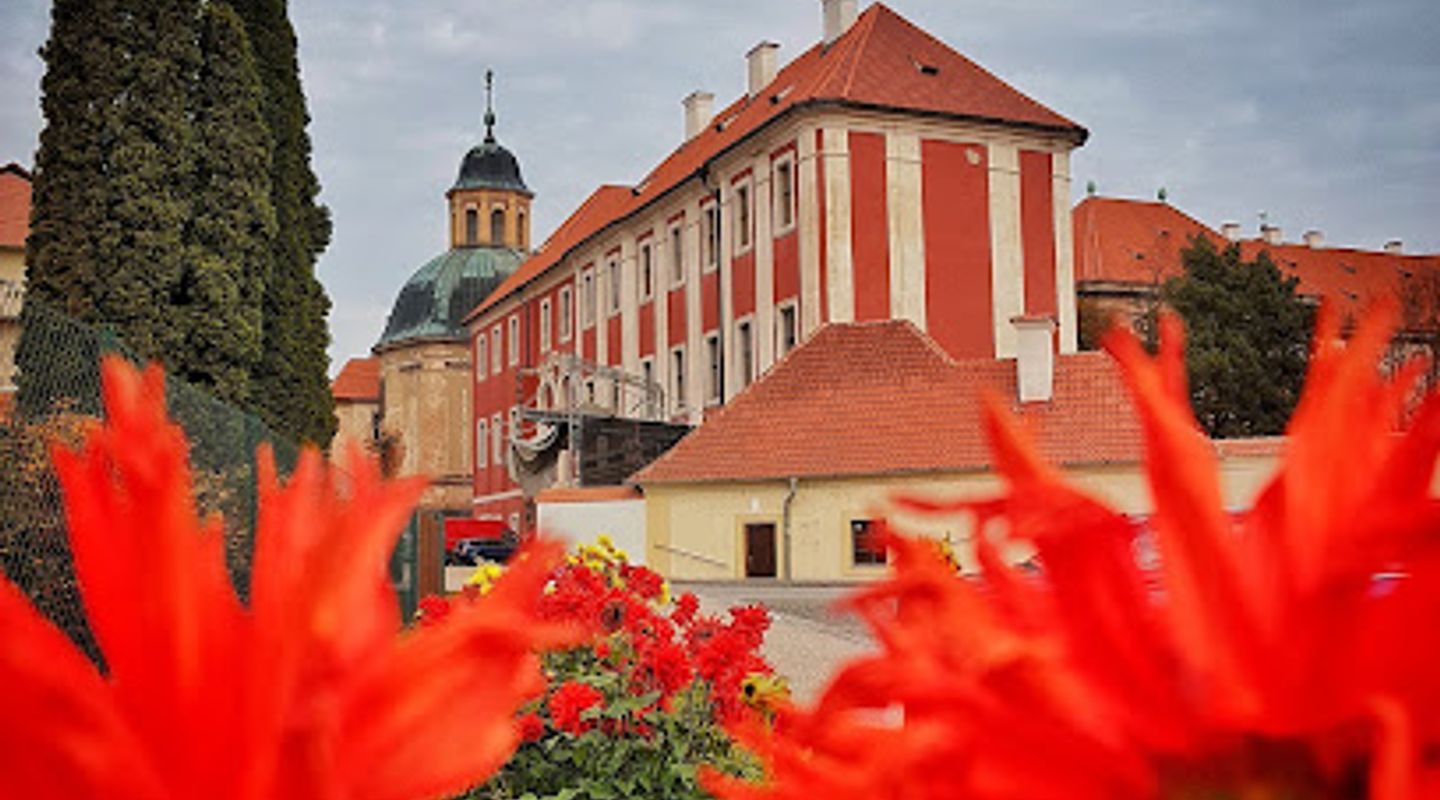
Plasy Monastery, founded in 1144 and later transformed into a stunning Baroque complex, stands as a testament to architectural ingenuity and historical significance. Its unique foundation, built on thousands of oak piles within a sophisticated water system, makes it a must-see destination in West Bohemia.
A brief summary to Plasy Monastery
- Pivovarská 1, 331 01, CZ
- Click to display
- Tuesday 10 am-4 pm
- Wednesday 10 am-4 pm
- Thursday 10 am-4 pm
- Friday 10 am-4 pm
- Saturday 10 am-4 pm
- Sunday 10 am-4 pm

Know before you go
Hi, I'm Eve. Here are a few practical things to know before exploring Plasy Monastery.
- Wear comfortable shoes, as the tour involves walking and some stairs.
- Check the official website for tour times and special events.
- Consider booking the 'Water System' tour for a deeper understanding of the monastery's unique foundation.
- Bring a light jacket, as the underground areas can be cool.
- Explore the surrounding monastery grounds, which are free to access.
Do you manage this location?
Take control to get all the benefits, like improved information, better appearance, and stronger visibility across AI-powered discovery. Learn more about listing your business on Evendo
Activate your presenceOther nearby places you may find interesting
The closest places of the same kind, if this one is not quite what you had in mind.



Explore Plasy Monastery on the Map
A handpicked selection of must-see spots near Plasy Monastery, mapped for you.
Getting There
-
Car
From Plzeň, take Route 27 north for approximately 30 minutes. Follow the signs to Plasy. Once in Plasy, follow the main road past the granary building and convent. Just before the bridge over the Střela river, turn right. Free parking is available in front of the monastery's ticket office. Parking is free.
-
Public Transport
From Plzeň, take a bus to Plasy. The journey takes approximately 50 minutes. From the Plasy bus stop, it's a short walk to the monastery. Follow the main road towards the Střela river; the monastery will be on your right. Bus fare is approximately 40-60 CZK.
-
Walking
From the Plasy train station, it is approximately 1 km to the monastery complex. Follow the road from the station towards the town center. Continue towards the main road and turn right. The monastery will be on your right, a short distance after entering the main road. No costs involved.
Discover more about Plasy Monastery













Your all‑in‑one travel companion app
Explore expert travel guides, compare and book tours, experiences, hotels, and more—all from the palm of your hand. Download now for seamless trip planning wherever your wanderlust takes you.


Explore More of West Bohemia
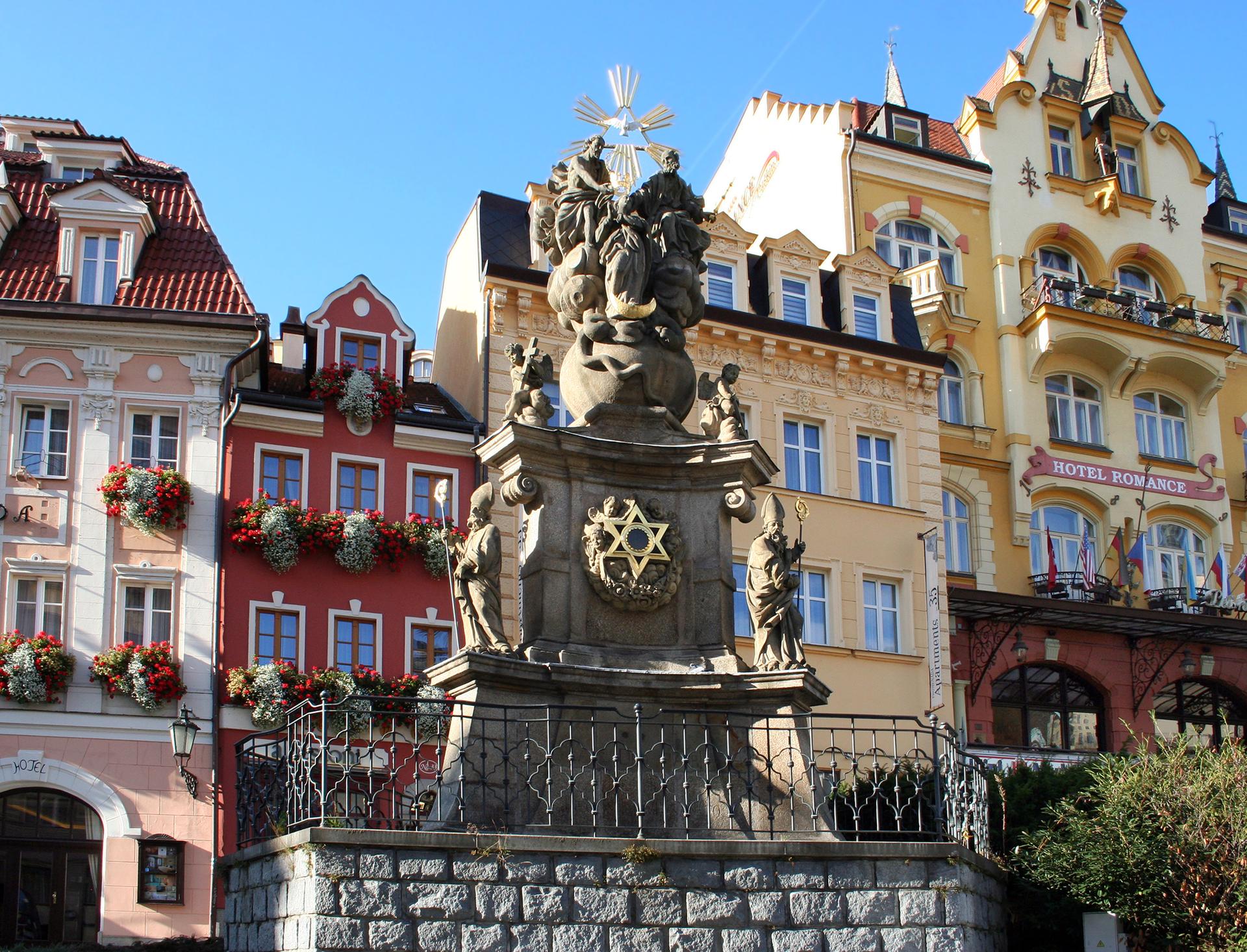
Looking beyond Plasy Monastery? Discover West Bohemia for broader travel guides, local hot-spots, and regional highlights.
Explore West Bohemia