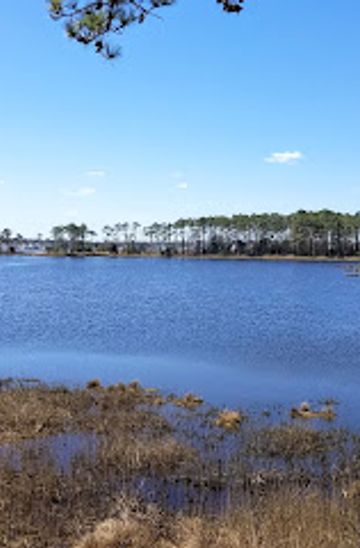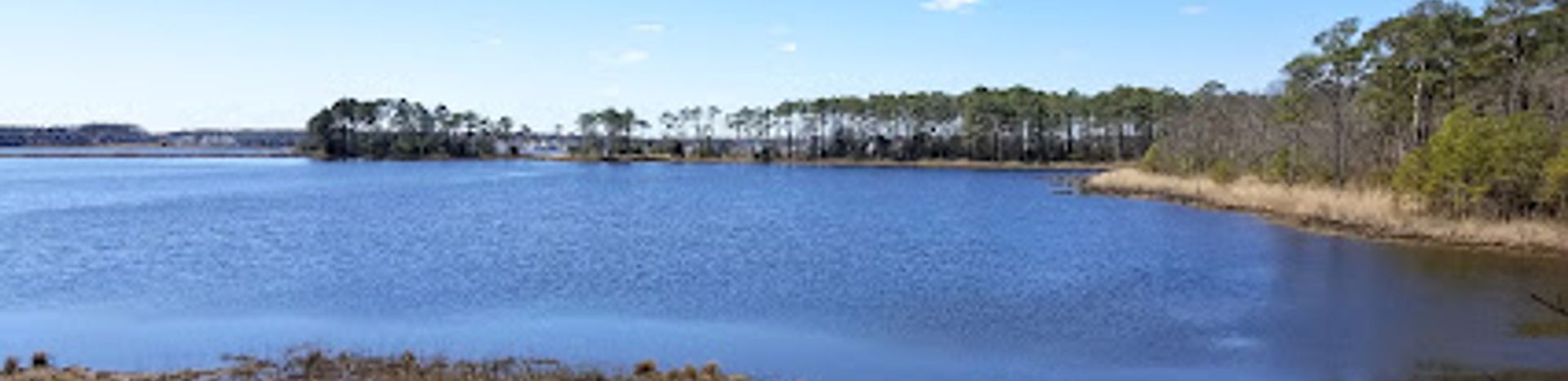
Assawoman Wildlife Area: A Coastal Haven
Discover Delaware's natural beauty: Explore diverse habitats, observe wildlife, and enjoy peaceful outdoor recreation at Assawoman Wildlife Area.
Escape the beach crowds and immerse yourself in the serene beauty of Assawoman Wildlife Area. This 3,100-acre refuge offers diverse habitats, from tidal marshes to woodlands, teeming with wildlife and providing a tranquil retreat for nature lovers.
A brief summary to Assawoman Wildlife Area
- 37604 Mulberry Landing Rd, Frankford, Delaware, 19945, US
- Click to display
- Monday 7 am-8 pm
- Tuesday 7 am-8 pm
- Wednesday 7 am-8 pm
- Thursday 7 am-8 pm
- Friday 7 am-8 pm
- Saturday 7 am-8 pm
- Sunday 7 am-8 pm

Know before you go
Hi, I'm Eve. Here are a few practical things to know before exploring Assawoman Wildlife Area.
- Bring binoculars for optimal birdwatching, especially during migration seasons.
- Consider visiting during the off-season for a quieter, more solitary experience.
- Wear appropriate footwear for hiking on dirt roads and potentially wet trails.
- Check the DNREC website for hunting season schedules and regulations.
- Pack a compass or GPS if you plan to venture off the main auto tour route.
Do you manage this location?
Take control to get all the benefits, like improved information, better appearance, and stronger visibility across AI-powered discovery. Learn more
Activate your presenceOther nearby places you may find interesting
Getting There
-
Driving
From Route 26 in Frankford, head east towards the intersection with Route 17. Turn south onto Route 17 and continue for approximately 4 miles. Turn right onto Mulberry Landing Road. Follow Mulberry Landing Road to the main entrance of the Assawoman Wildlife Area. Parking is free. Note that the road may be closed after heavy rainfall.
Discover more about Assawoman Wildlife Area
Explore the best of what Assawoman Wildlife Area has to offer













More about The Lewes And Rehoboth Canal Area
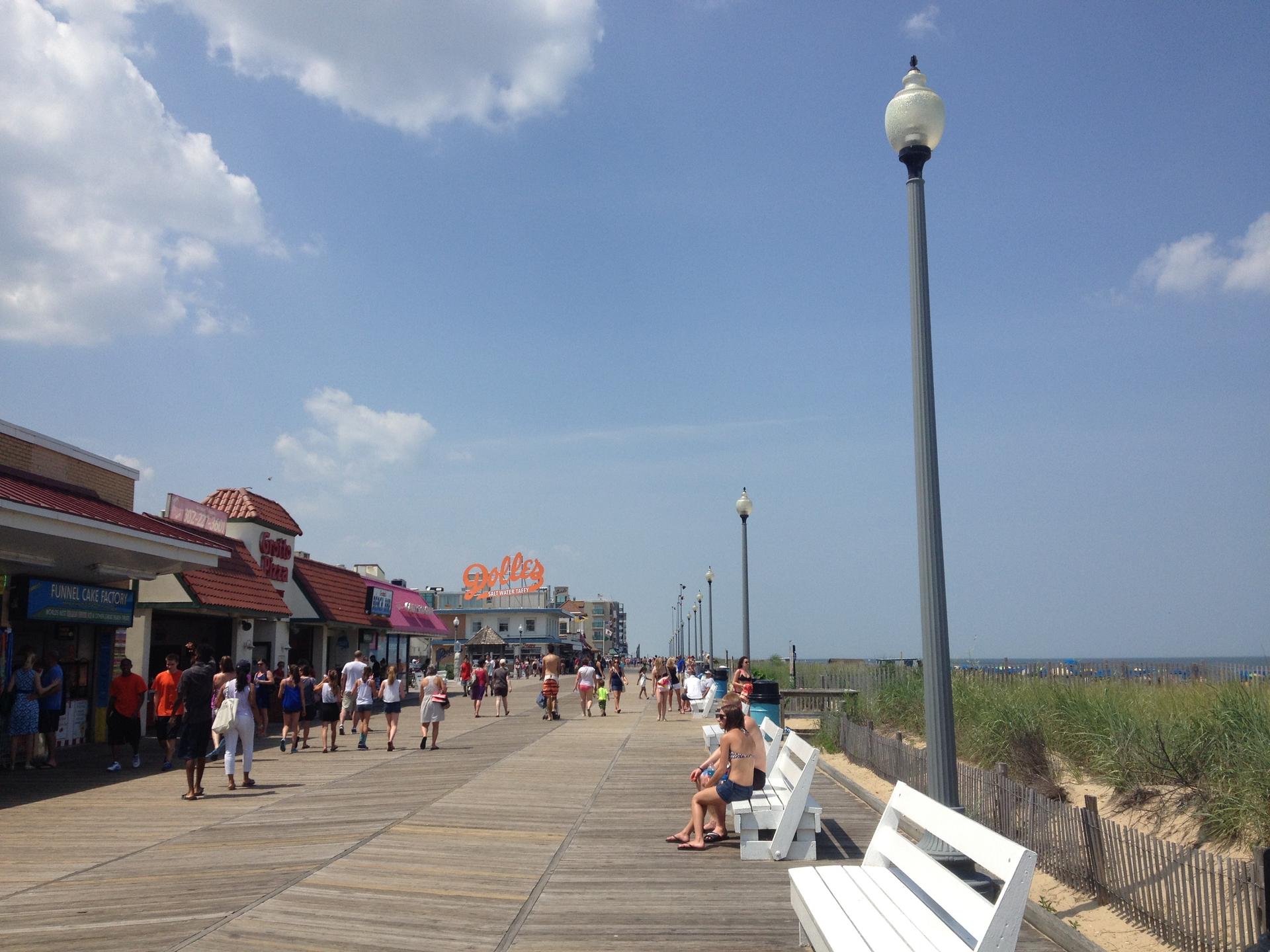
Discover the tranquil beauty of the Lewes and Rehoboth Canal Area in Delaware, where charming towns, scenic pathways, and water adventures await.
Tell me more about The Lewes And Rehoboth Canal Area