Naturhistorisk Museum Aarhus, Aarhus Travel Guide
Free Guide: Denmark’s second-largest natural history museum, blending immersive wildlife dioramas, Danish ecosystems and cutting-edge research in a compact, campus setting.


A brief summary of Naturhistorisk Museum Aarhus
Denmark’s second-largest natural history museum, blending immersive wildlife dioramas, Danish ecosystems and cutting-edge research in a compact, campus setting.
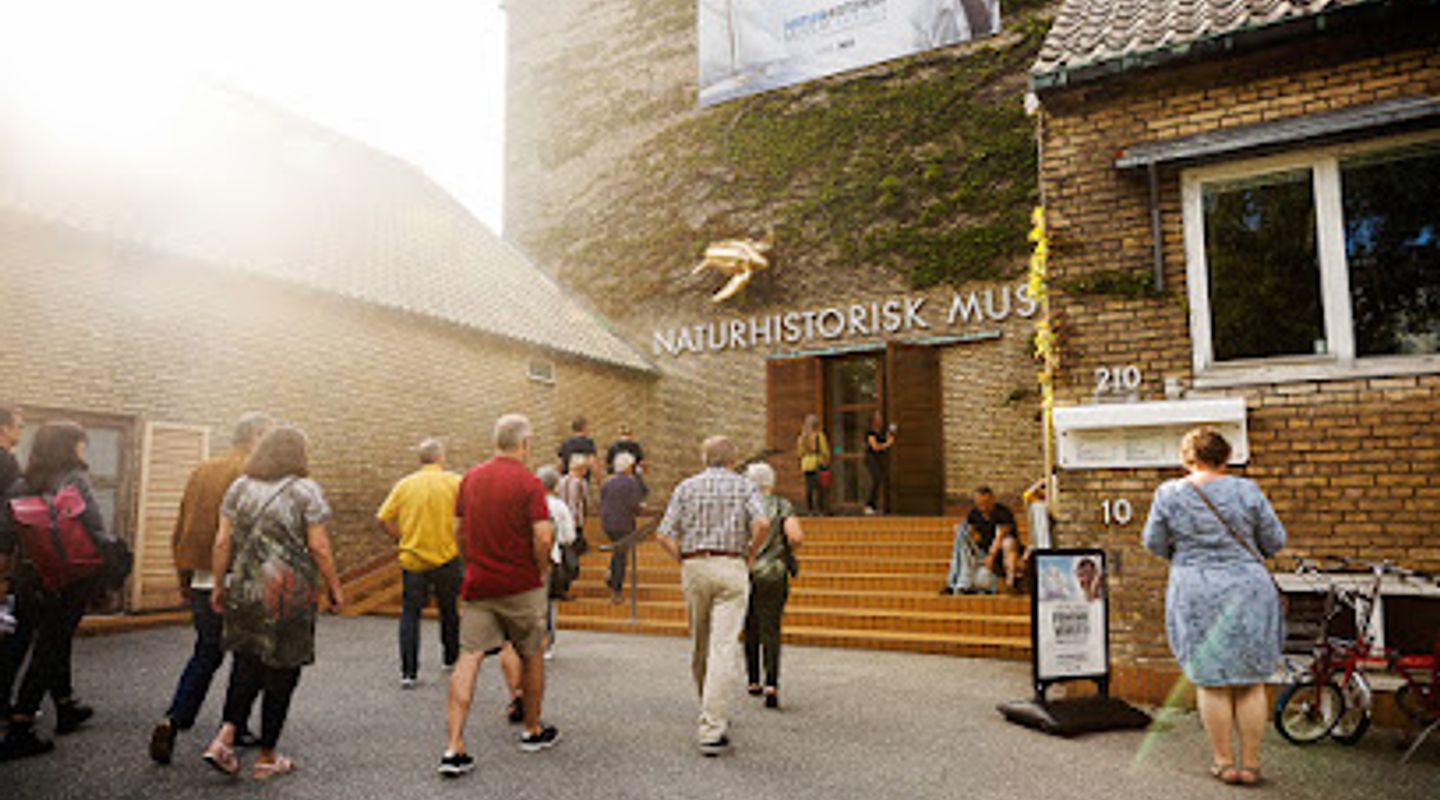
Naturhistorisk Museum Aarhus, set amid the green campus of Aarhus University, is Denmark’s second-largest natural history museum and a deep dive into life on Earth. Across atmospheric dioramas and modern thematic galleries, more than 5,000 preserved animals and geological specimens illuminate everything from Danish ecosystems to African savannahs and global biodiversity. Interactive elements, family-friendly exhibits and a strong research backbone make it an engaging stop for curious minds of all ages.
On-site amenities
 Restrooms
 Drink options
 Drinking water
 Seating areas
 Trash bins
 Information boards
 Visitor centre
Opening hours
- Every day10 am–4 pm
Opening hours as listed on the venue’s Google Business Profile. Hours can change for services and special events, so check with the venue before you go.
- Address
- Wilhelm Meyers Allé 10, 8000 Aarhus C
- Phone
- Website
Getting there
City bus from central Aarhus
Walking from Aarhus city centre
Taxi within Aarhus
Bicycle in the university district
Discover more about Naturhistorisk Museum Aarhus
Life on Earth, Curated in Aarhus
Naturhistorisk Museum Aarhus brings the story of our planet’s biodiversity under one roof, from microscopic organisms to giants of the oceans. The museum blends classic natural history displays with contemporary scenography, so you move from glass cases of birds and insects to immersive dioramas where lions, antelopes or Arctic creatures seem frozen mid‑stride. The aim is not just to impress with scale, but to show how species fit into the bigger picture of evolution and ecology.The museum sits within Aarhus University’s campus, and you feel that scientific context in the way exhibitions are structured. Taxidermy mounts, skeletons, fossils and minerals are carefully labelled with clear explanations, making complex topics approachable without diluting the science. Rather than a quick photo stop, it invites you to slow down, read, compare and notice details in feathers, claws and skulls.
Signature Exhibitions and Star Specimens
Several permanent exhibitions anchor the visit. In galleries devoted to global wildlife, you encounter an impressive range of animals from across continents: big cats, apes, birds of prey and marine mammals, many arranged in lifelike scenes that show predator–prey relationships and habitat types. Another section turns the spotlight on Danish nature, tracing how local landscapes, from coasts to forests and heathlands, support everything from tiny insects to large mammals.Temporary exhibitions explore changing themes such as evolution, chance in nature or specific groups like dinosaurs and prehistoric creatures. These shows often weave together fossils, models, multimedia and hands‑on stations, helping to connect earth history with modern environmental challenges. A large whale skeleton or dramatic carnivore mount typically becomes a visual highlight, drawing visitors deeper into the narrative of adaptation and survival.
A Family-Friendly Museum of Curiosity
The museum is designed with families in mind. Many rooms include tactile elements, simple diagrams and height‑appropriate displays so younger visitors can engage directly. Children can trace footprints, compare their arm span to birds’ wings, or peer closely at insects that usually escape notice outdoors. Texts are structured so adults find depth while still being able to translate ideas into stories and questions for children.There is space to pause as well as explore. Seating areas in or near the galleries provide natural breaks between sections, and the bright, orderly layout helps prevent sensory overload. School groups often use the museum’s educational facilities, and the underlying research collections support a steady programme of learning activities, making the building feel like a living classroom rather than a static hall of specimens.
Behind the Scenes: Research and Collections
Beyond what is on display, Naturhistorisk Museum Aarhus holds extensive scientific collections of mammals, birds, invertebrates and geological material. Only a fraction is visible in the public galleries; the rest forms a quiet archive for researchers studying biodiversity, distribution changes and conservation. Being part of a university environment strengthens these ties, with specimens used in teaching and long‑term monitoring projects.The museum is also linked to the Molslaboratoriet field station in Mols Bjerge National Park, where rewilding and landscape experiments unfold in real time. This connection between indoor exhibits and living, outdoor nature gives the institution a dual character: part traditional museum, part field‑based laboratory tracking how ecosystems respond to change.
Setting, Practical Rhythm and Atmosphere
Located on Wilhelm Meyers Allé, the museum shares its surroundings with other university buildings and the nearby botanic garden, so a visit can easily be combined with a stroll among trees and glasshouses. Indoors, the mood is calm and contemplative, with natural light in circulation areas and darker, more focused lighting in diorama spaces to highlight animals and backdrops.Opening hours generally span late morning to mid‑afternoon, with an extended evening mid‑week, and admission is paid for adults while children and young people under 18 typically enter free. This rhythm means mornings and early afternoons attract families and school groups, while later slots can feel quieter. Whether you stay for a focused hour or linger through every hall, the museum offers a compact yet rich overview of Earth’s living tapestry, anchored firmly in Danish nature but reaching far beyond it.
Evendo Review Centre
 Google
Guest reviews
Best time to go
Quietest: Jan, Mar & Nov · before 8am or at 5pm or at 6pm
Busy times are Evendo estimates for a typical year, to help you plan. Actual crowds vary with events, school holidays and the weather.
Explore Naturhistorisk Museum Aarhus on the map
A handpicked selection of must-see spots near Naturhistorisk Museum Aarhus, mapped for you.
Get your free copy of our complete guide to Naturhistorisk Museum Aarhus, delivered straight to you.
Everything on this page, from opening hours and how to get there to Eve’s tips and the best time to go, in one PDF you can read offline, print or share.
Already have an account? Sign in
Your Naturhistorisk Museum Aarhus guide is ready.
We'll send it to · Not you? Sign out

Getting your guide ready…
We are putting together a fresh copy of the Naturhistorisk Museum Aarhus guide. This can take up to a minute.
This can take a few moments. If your browser asks, choose Allow so the download can start. You'll find the guide in your Downloads folder.
Nothing happened? Download it again
Sorry, the guide is taking longer than usual. Please try again in a minute, or get it by email instead.
Other nearby places you may find interesting
The closest places of the same kind, if this one is not quite what you had in mind.
-
-
-
-
-


Swipe for more places
More to explore near Naturhistorisk Museum Aarhus
-
 Best experiences near Naturhistorisk Museum Aarhus
-
 Best hotels near Naturhistorisk Museum Aarhus
-
 Best landmarks near Naturhistorisk Museum Aarhus
-
 Best attractions near Naturhistorisk Museum Aarhus
-
 Best shops near Naturhistorisk Museum Aarhus
-
 Best restaurants near Naturhistorisk Museum Aarhus
-
 Best bars near Naturhistorisk Museum Aarhus


Do you manage this location?
Take control to get all the benefits, like improved information, better appearance, and stronger visibility across AI-powered discovery.
Explore more

Explore more of Aarhus
Discover Aarhus, Denmark's second-largest city, where ancient history meets modern culture. Explore historical sites, vibrant arts, and a thriving food scene in the City of Smiles.
Explore Aarhus
Explore more of Denmark
Discover Denmark: A perfect blend of history, modern design, and the cozy concept of hygge. Explore vibrant cities, serene landscapes, and world-class cuisine.
Explore Denmark