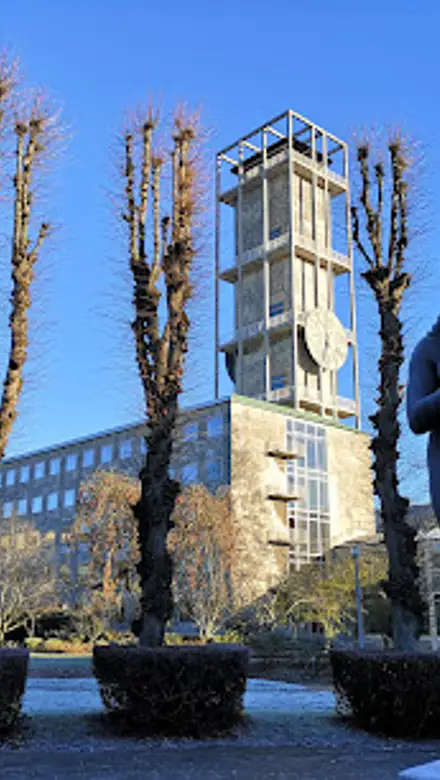
Den Svangre, Aarhus Travel Guide
Free Guide: A bronze sculpture celebrating the female form in Aarhus's cultural heart.


A brief summary of Den Svangre
A bronze sculpture celebrating the female form in Aarhus's cultural heart.
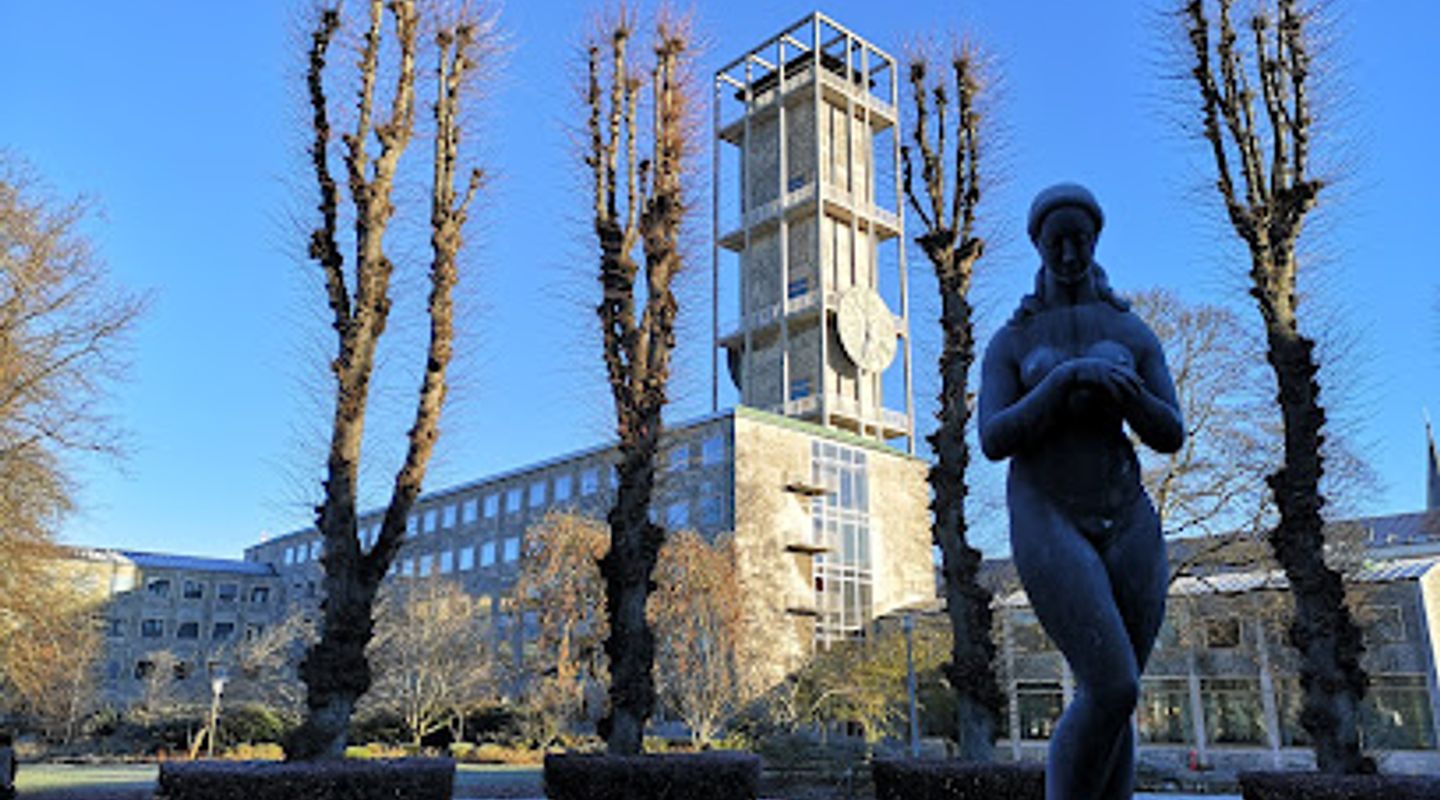
Den Svangre, meaning 'The Pregnant Woman,' is a striking bronze sculpture located in Rådhusparken, the City Hall Park of central Aarhus. This notable public artwork stands as a testament to Danish sculptural tradition and offers visitors a serene spot to pause amid the cultural heart of the city. Surrounded by linden trees and historic architecture, the sculpture provides an intimate encounter with modern Nordic art in one of Aarhus's most significant urban spaces.
On-site amenities
 Seating areas
 Sheltered areas
 Trash bins
 Information boards
- Address
- Rådhusparken, Park Allé 2, 8000 Aarhus
Getting there
Walking from Aarhus Central Station
Public Bus
Bicycle
Private Vehicle or Taxi
Discover more about Den Svangre
A Gift to the City
Den Svangre was presented to Aarhus in 1954 as a significant addition to the city's public art collection. This bronze sculpture represents an important moment in the city's cultural development, reflecting the post-war artistic renaissance that swept through Denmark. The work exemplifies the sculptural traditions of Danish artists and has become an integral part of Aarhus's identity, contributing to the city's reputation as a center for contemporary and classical art.
Setting Within Rådhusparken
The sculpture is positioned within Rådhusparken, a 9,000-square-meter urban park established in 1941 and situated directly adjacent to Aarhus City Hall. The park occupies a prime location in the Indre By neighborhood of Midtbyen, bounded by Frederiks Allé to the west and Park Allé to the east. This placement ensures that Den Svangre benefits from the park's carefully designed landscape, which features distinctive linden tree avenues, a paved rotunda with pollarded trees, and multiple pathways that invite contemplation and leisurely exploration.
The Surrounding Cultural Landscape
Rådhusparken sits within a remarkable semi-circle of Aarhus's most important cultural and political institutions. The Concert Hall, the ARoS Art Museum, and the City Hall itself create an environment rich with artistic and civic significance. This concentration of cultural landmarks transforms the area into a destination for those seeking to understand the intellectual and creative pulse of Denmark. Visitors to Den Svangre find themselves at the intersection of multiple cultural experiences, making a single visit to the sculpture an opportunity to engage with the broader artistic ecosystem of the city.
Architectural and Aesthetic Character
The sculpture itself represents a distinctive moment in Nordic artistic expression. As a life-size bronze work, Den Svangre commands attention through its figurative presence while maintaining an intimate scale that encourages close observation. The work's title and subject matter reflect a humanistic approach to public sculpture, celebrating the female form and the universal experience of pregnancy. The bronze patina develops over time, creating a living artwork that changes subtly with the seasons and years, deepening its connection to the landscape.
The Park's Historical Layers
Rådhusparken itself carries layers of Aarhus's twentieth-century history. The park was established on the site of a former cemetery, and 35 original headstones have been preserved along the southern boundary as a lapidarium, creating a poignant reminder of the city's past. During the Second World War, bomb shelters were constructed beneath the southern section, evidence of the city's wartime experience. These historical elements add depth and contemplative resonance to a visit, inviting reflection on the passage of time and the transformation of urban spaces.
A Space for Pause and Connection
Beyond its artistic and historical significance, Rådhusparken and Den Svangre function as a gathering place and refuge within the urban fabric. The park's benches, open lawns, and shaded pathways create opportunities for quiet contemplation, social interaction, and connection with nature. The presence of the sculpture transforms the space into more than a mere park—it becomes a gallery, a memorial, and a community gathering point where art, history, and everyday life intersect naturally.
Evendo Review Centre
 Google
Guest reviews
Best time to go
Quietest: Jan, Feb & Dec · before 6am or at 10pm
Busy times are Evendo estimates for a typical year, to help you plan. Actual crowds vary with events, school holidays and the weather.
Explore Den Svangre on the map
A handpicked selection of must-see spots near Den Svangre, mapped for you.
Get your free copy of our complete guide to Den Svangre, delivered straight to you.
Everything on this page, from opening hours and how to get there to Eve’s tips and the best time to go, in one PDF you can read offline, print or share.
Already have an account? Sign in
Your Den Svangre guide is ready.
We'll send it to · Not you? Sign out

Getting your guide ready…
We are putting together a fresh copy of the Den Svangre guide. This can take up to a minute.
This can take a few moments. If your browser asks, choose Allow so the download can start. You'll find the guide in your Downloads folder.
Nothing happened? Download it again
Sorry, the guide is taking longer than usual. Please try again in a minute, or get it by email instead.
Other nearby places you may find interesting
The closest places of the same kind, if this one is not quite what you had in mind.
-
-
-
-
-


Swipe for more places
More to explore near Den Svangre

 Best experiences near Den Svangre
 Best hotels near Den Svangre
 Best landmarks near Den Svangre
 Best attractions near Den Svangre
 Best shops near Den Svangre
 Best restaurants near Den Svangre
 Best bars near Den Svangre
Do you manage this location?
Take control to get all the benefits, like improved information, better appearance, and stronger visibility across AI-powered discovery.
Explore more

Explore more of Aarhus
Discover Aarhus, Denmark's second-largest city, where ancient history meets modern culture. Explore historical sites, vibrant arts, and a thriving food scene in the City of Smiles.
Explore Aarhus
Explore more of Denmark
Discover Denmark: A perfect blend of history, modern design, and the cozy concept of hygge. Explore vibrant cities, serene landscapes, and world-class cuisine.
Explore Denmark