

The Occupation Museum, Aarhus Travel Guide
Free Guide: Aarhus’ former Gestapo headquarters turned museum, where original cells, local stories and moral dilemmas bring Denmark’s wartime occupation chillingly close.


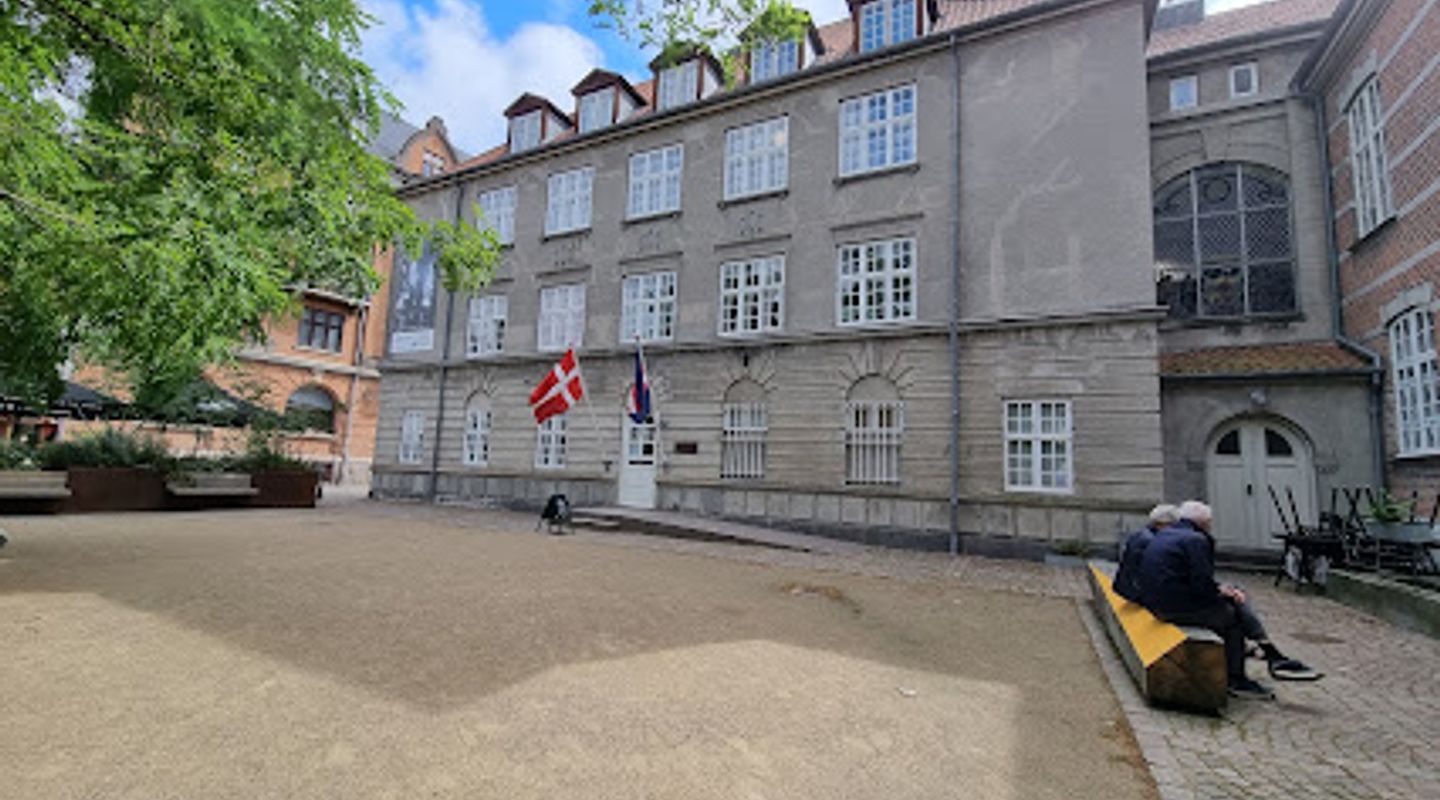
A brief summary of The Occupation Museum
Aarhus’ former Gestapo headquarters turned museum, where original cells, local stories and moral dilemmas bring Denmark’s wartime occupation chillingly close.
Set inside Aarhus’ former city hall, police station and later Gestapo headquarters, the Occupation Museum plunges you into the city’s darkest Second World War years. Atmospheric cells, interactive stories and original artefacts illuminate daily life under rationing, resistance and terror from 1940–45. Thought‑provoking exhibits follow real Aarhus residents, freedom fighters and German officers through moral dilemmas, clandestine operations and air raids. Compact yet intense, it offers a powerful, place‑specific insight into Denmark’s occupation history right where it unfolded.
On-site amenities
 Restrooms
 Seating areas
 Trash bins
 Information boards
Opening hours
- Mon11 am–5 pm
- TueClosed
- Wed1 pm–5 pm
- Thu1 pm–5 pm
- Fri1 pm–5 pm
- Sat11 am–5 pm
- Sun11 am–5 pm
Opening hours as listed on the venue’s Google Business Profile. Hours can change for services and special events, so check with the venue before you go.
- Address
- Mathilde Fibigers Have 2, 8000 Aarhus
- Phone
- Website
Getting there
City bus
Walking from Aarhus city centre
Bicycle within Aarhus
Discover more about The Occupation Museum
War Shadows in a Former City Hall
The Occupation Museum in Aarhus occupies a 19th‑century building that once housed the city hall and later the police station. During the final years of the Second World War, these corridors took on a far darker role as the local headquarters of the German security police, Gestapo. Walking in today, you are entering the very rooms where interrogations, planning meetings and daily administration of the occupation once took place.The architecture still hints at its civic origins, with solid staircases, high windows and heavy doors that seem to carry the weight of what they have witnessed. This layered history – from proud municipal building to feared Gestapo base and now museum – sets the tone for an experience that is as much about place as it is about objects in display cases.
Daily Life Under Occupation in Aarhus
Inside, the focus narrows to Aarhus between 1940 and 1945. Exhibits explore how ordinary residents coped with rationing, blackout regulations and constant uncertainty. Period shopfronts, household items and propaganda posters evoke a city learning to navigate shortages, restrictions and the ever‑present threat of denunciation.Rather than presenting the war as distant front lines, the museum shows it filtering into kitchens, classrooms and harbour docks. Displays on illegal newspapers, listening to forbidden radio broadcasts and subtle acts of defiance reveal how resistance could be woven into daily routines. Soundscapes, dim lighting and contemporary photographs build up an atmosphere of tension that never quite lifts.
Resistance, Sabotage and Bombs in the Night
Another strand of the museum tells the story of local resistance groups and the dangerous work they undertook. Panels and artefacts follow clandestine meetings, weapons drops and acts of sabotage against German infrastructure in and around Aarhus. You gain insight into the fragile networks of trust, coded messages and the constant risk of informers.Key local events are highlighted, including air raids on German facilities and the bombing of Gestapo’s earlier headquarters elsewhere in the city, which led the security police to move into this very building. These episodes are presented alongside maps, personal accounts and uniforms, connecting the quiet streets outside to moments of sudden violence during the war.
Inside Cells and Interrogation Rooms
One of the most striking aspects of the Occupation Museum is access to original detention and interrogation spaces. Preserved cells, with their narrow bunks and heavy doors, make the experience visceral. Simple graffiti, worn floors and the cold feel of the walls help you imagine the fear and uncertainty of those held here.Interpretive material explains how arrests were made, how interrogations unfolded and what options detainees had – from cooperation and collaboration to silence under pressure. These rooms do not rely on dramatization; their authenticity speaks for itself, turning the building into one of the museum’s most powerful exhibits.
Moral Dilemmas and Personal Stories
Throughout the museum, the narrative returns to individual lives. You may follow the story of a fictionalised Aarhus resident whose choices are based on real cases: whether to shelter Jewish neighbours, whether to join a resistance cell, or whether to inform on someone to protect your own family. Exhibits invite you to consider what you might have done in their place.This focus on personal dilemmas broadens the story beyond simple categories of heroes and villains. German soldiers, civil servants, dockworkers and teenagers all appear in the storyline, each framed by the pressures and loyalties that shaped their decisions. The result is an experience that lingers in the mind long after you leave the building.
Planning a Thoughtful Visit
The Occupation Museum is relatively compact, yet dense with text, sound and interactive elements, and most visitors spend around an hour inside. Because many labels are in Danish, it is useful to look for available translations or supplementary materials in other languages.The atmosphere can be intense, so taking short pauses between sections is a good idea, especially for younger visitors. When you step back out into the modern streets of Aarhus, the ordinary cityscape feels different: you have just traced the outlines of a recent, turbulent chapter that still shapes Denmark’s understanding of democracy, collaboration and resistance today.
Evendo Review Centre
 Google
Guest reviews
Best time to go
Quietest: Jan, Feb & Nov · before 9am or from 7pm
Busy times are Evendo estimates for a typical year, to help you plan. Actual crowds vary with events, school holidays and the weather.
Explore The Occupation Museum on the map
A handpicked selection of must-see spots near The Occupation Museum, mapped for you.
Get your free copy of our complete guide to The Occupation Museum, delivered straight to you.
Everything on this page, from opening hours and how to get there to Eve’s tips and the best time to go, in one PDF you can read offline, print or share.
Already have an account? Sign in
Your The Occupation Museum guide is ready.
We'll send it to · Not you? Sign out

Getting your guide ready…
We are putting together a fresh copy of the The Occupation Museum guide. This can take up to a minute.
This can take a few moments. If your browser asks, choose Allow so the download can start. You'll find the guide in your Downloads folder.
Nothing happened? Download it again
Sorry, the guide is taking longer than usual. Please try again in a minute, or get it by email instead.
Unlock the best of The Occupation Museum
Skip-the-line tickets, guided tours with entry, and walking tours of the area, booked in a few clicks.

Other nearby places you may find interesting
The closest places of the same kind, if this one is not quite what you had in mind.
-
-
-
-
-


Swipe for more places
More to explore near The Occupation Museum

 Best experiences near The Occupation Museum
 Best hotels near The Occupation Museum
 Best landmarks near The Occupation Museum
 Best attractions near The Occupation Museum
 Best shops near The Occupation Museum
 Best restaurants near The Occupation Museum
 Best bars near The Occupation Museum
Do you manage this location?
Take control to get all the benefits, like improved information, better appearance, and stronger visibility across AI-powered discovery.
Explore more

Explore more of Aarhus
Discover Aarhus, Denmark's second-largest city, where ancient history meets modern culture. Explore historical sites, vibrant arts, and a thriving food scene in the City of Smiles.
Explore Aarhus
Explore more of Denmark
Discover Denmark: A perfect blend of history, modern design, and the cozy concept of hygge. Explore vibrant cities, serene landscapes, and world-class cuisine.
Explore Denmark
