Magstræde – Copenhagen’s Time‑Capsule Street
One of Copenhagen’s oldest cobbled lanes, Magstræde is a colorful, time‑worn shortcut through the city’s medieval heart and everyday modern life.
Magstræde is one of Copenhagen’s oldest and most atmospheric streets, a short cobbled lane threading through the historic heart of the city. Dating back to the 16th century, it preserves original cobblestones, vividly painted façades and several listed townhouses from the 1600s and 1700s. Linking Gammel Strand with Rådhusstræde, this narrow alley feels like a living film set, ideal for slow wandering, photography and soaking up the character of Copenhagen’s Old Town between museums, the canals and nearby Slotsholmen.
A brief summary to Magstræde
- Magstræde, Copenhagen, Indre By, 1204, DK
- Duration: 0.5 to 1.5 hours
- Free
-
 Outdoor
- Mobile reception: 5 out of 5

Know before you go
Hi, I'm Eve. Here are a few practical things to know before exploring Magstræde.
- Come early in the morning or near sunset for softer light and fewer people, ideal for photographing the colorful façades and cobblestones.
- Combine Magstræde with neighboring Snaregade for a short loop through two of Copenhagen’s oldest preserved streets.
- Wear comfortable, flat shoes; the uneven cobblestones can be hard on ankles, especially in wet weather.
- Allow extra time to explore nearby cultural spots such as the National Museum and Christiansborg Palace on Slotsholmen.
- If you are taking photos of residents’ doorways and windows, keep a respectful distance and avoid pointing cameras directly inside.
Do you manage this location?
Take control to get all the benefits, like improved information, better appearance, and stronger visibility across AI-powered discovery. Learn more
Activate your presenceOther nearby places you may find interesting
Getting There
-
Metro from central Copenhagen
From most central metro stops, take any line to Gammel Strand or Rådhuspladsen station; both are around a 5–10 minute walk from Magstræde along paved city streets. A single metro ride within the central zones typically costs about 20–30 DKK, with frequent services from early morning until late night. Stations and surrounding pavements are generally step‑free, making this the most convenient option if you are carrying luggage or using a stroller.
-
City bus within Copenhagen
Several inner‑city bus routes stop near the National Museum and Christiansborg Palace, a 5–8 minute walk from Magstræde on mostly level pavements. Travel times within the central area are usually 10–20 minutes depending on traffic, and a standard bus ticket is roughly 20–30 DKK, valid across buses, metro and trains for a limited period. Buses can be busy at rush hour but usually offer low‑floor access for wheelchairs and prams.
-
Bicycle in the city center
Copenhagen’s dense network of bike lanes makes cycling a practical way to reach Magstræde from most central districts in 10–20 minutes. You can use public bike‑share schemes or rental shops, where prices commonly start around 100–150 DKK for a day’s rental. Note that Magstræde itself is narrow and cobbled, so it is safest to dismount and walk your bike along the street, especially in wet weather or when it is busy.
-
Taxi from central areas
Licensed taxis can drop you on nearby main streets such as those around the National Museum or Gammel Strand, from where it is a short walk to Magstræde. Journeys within the inner city usually take 5–15 minutes depending on traffic and typically cost around 80–150 DKK. Street access is straightforward, but some short sections close to the alley may be restricted or one‑way, so expect to walk the final blocks on foot.
For the on-the-go comforts that matter to you
-
 Restrooms
-
 Drink Options
-
 Drinking Water
-
 Food Options
-
 Seating Areas
-
 Trash Bins
-
 Information Boards
Discover more about Magstræde
A Narrow Street With Centuries Under Its Feet
Magstræde may be modest in length, but it carries more than 400 years of Copenhagen’s history. Laid out in the early 1500s when the city’s coastline was pushed outward, it became one of the main east–west links through the old town. The street’s name recalls an old public latrine that once stood nearby, a reminder that medieval Copenhagen mixed the practical with the picturesque.Together with neighboring Snaregade, Magstræde is among the very few streets in the historic center that still retain their original cobblestones. Walking here, you are treading on stones that have felt cartwheels, clogs and carriage horses long before bicycles and smartphones arrived.Colorful Houses and Listed Townhomes
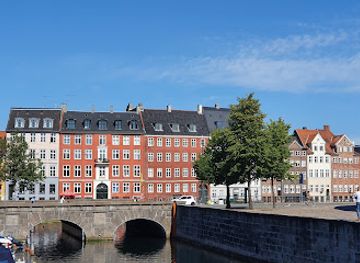
What makes Magstræde instantly striking is the row of tightly packed townhouses in soft reds, yellows and greens. Many are officially listed, protected for their historic value. Numbers 17 and 19, a symmetrical pair of red houses, likely date from the 1640s and are among the oldest surviving residential buildings for ordinary townsfolk in the city.Further along, façades from the 1700s and early 1800s tell of merchants, artisans and small breweries that once thrived here. Details like timber framing, steep tiled roofs and modest decorative pediments give the street a quietly elegant character. The scale is human and intimate; windows are low enough that you can imagine the lives unfolding just behind the glass.From Waterfront Edge to Inner-City Lane
Before land reclamation reshaped Copenhagen, Magstræde once ran close to the shoreline. The buildings on its south side stand on landfill created in the 1520s, when the waterfront was pushed out to what is now the canal embankment at Nybrogade. In medieval times this was a working edge of the city, where refuse and waste were dumped and small boats moored.Over time, as fortifications moved and new quays were built, Magstræde slipped from the water’s edge into the protected heart of the old town. Today the canal is just a short stroll away, but the street itself feels sheltered, a side corridor between more bustling squares and boulevards.Cultural Corners and Everyday Life
Despite its age, Magstræde is not a frozen relic. At one end you pass Huset KBH, a long-running culture house known for concerts, film screenings and creative events, tucked into historic premises. Nearby streets hide wine bars, casual eateries and small shops, so a wander here often turns into a pause for coffee or a glass of something local.Look up to notice old painted house numbers, wrought-iron signs and the subtle lean of centuries-old walls. In the evenings, warm light spills from windows and doorways, and the cobbles shine after rain, giving the alley a quietly theatrical atmosphere.Experiencing Magstræde on Foot and Through a Lens
Magstræde is best experienced at walking pace. Early morning brings soft light and a sense of calm, ideal for photographers seeking clean compositions of colorful façades, patterned cobbles and the gentle curve of the lane. Later in the day, the street becomes a pleasant detour between major sights such as Christiansborg Palace, the National Museum and the canals at Gammel Strand.Because it is a functioning city street, there is no entrance fee or formal route; you simply weave your way along, perhaps looping via Snaregade to complete a short circuit through some of Copenhagen’s most atmospheric backstreets. Whether you stay for ten minutes or an hour, Magstræde offers a compact, evocative slice of the city’s past in the middle of its modern everyday life.Explore the best of what Magstræde has to offer













More about Copenhagen
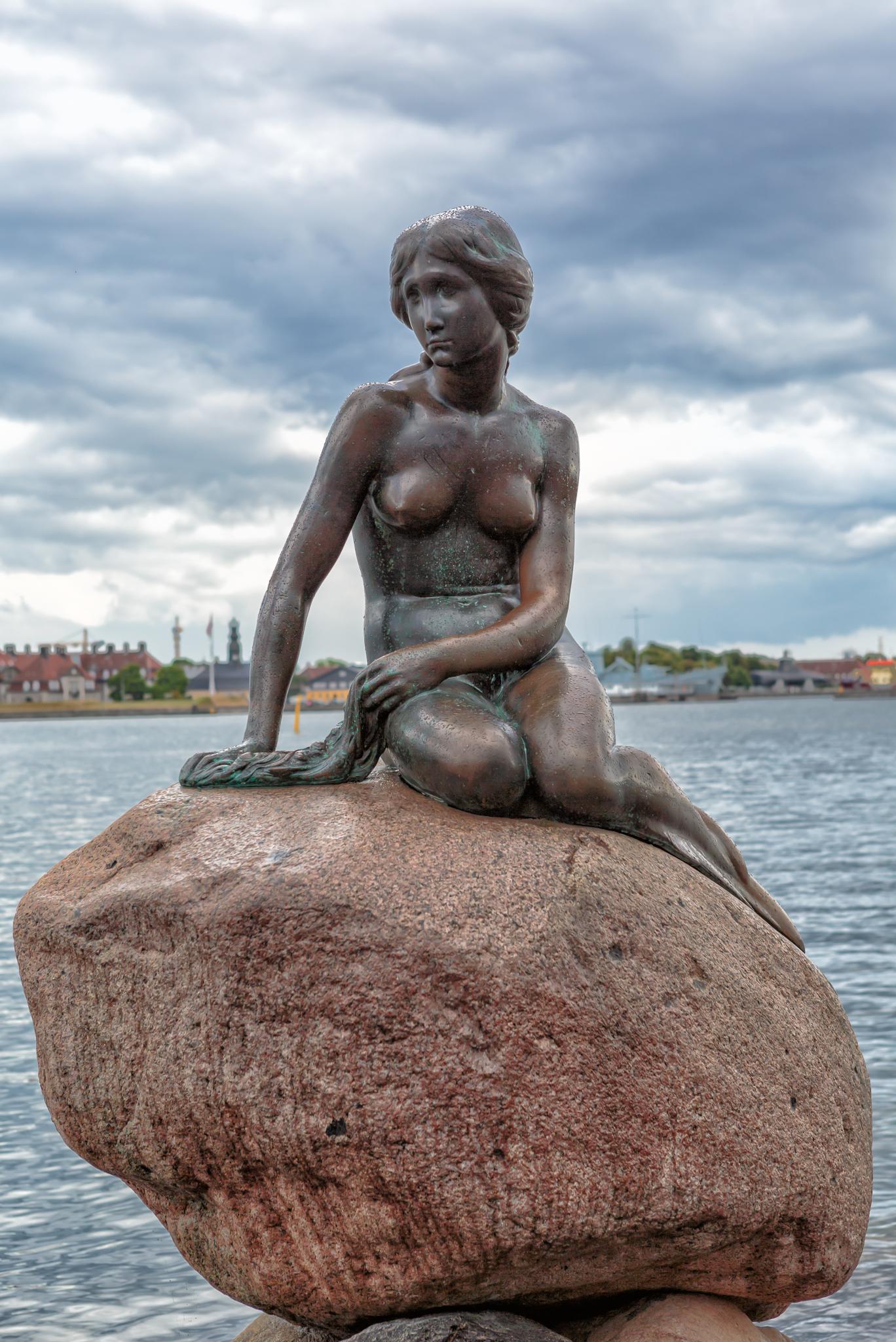
Discover Copenhagen: A perfect blend of history, modernity, and vibrant culture, where picturesque canals, stunning architecture, and world-class dining await you.
Tell me more about Copenhagen
An 18th‑century Rococo bridge that once formed the grand entrance to Christiansborg Palace, Marmorbroen quietly unites royal history, canal views and everyday city life.

Denmark’s first public art museum, Thorvaldsens Museum blends neoclassical sculpture, vivid architecture, and tranquil courtyards into one immersive urban sanctuary.