Marmorbroen, Copenhagen Travel Guide
Free Guide: An 18th‑century Rococo bridge that once formed the grand entrance to Christiansborg Palace, Marmorbroen quietly unites royal history, canal views and everyday city life.


A brief summary of Marmorbroen
An 18th‑century Rococo bridge that once formed the grand entrance to Christiansborg Palace, Marmorbroen quietly unites royal history, canal views and everyday city life.
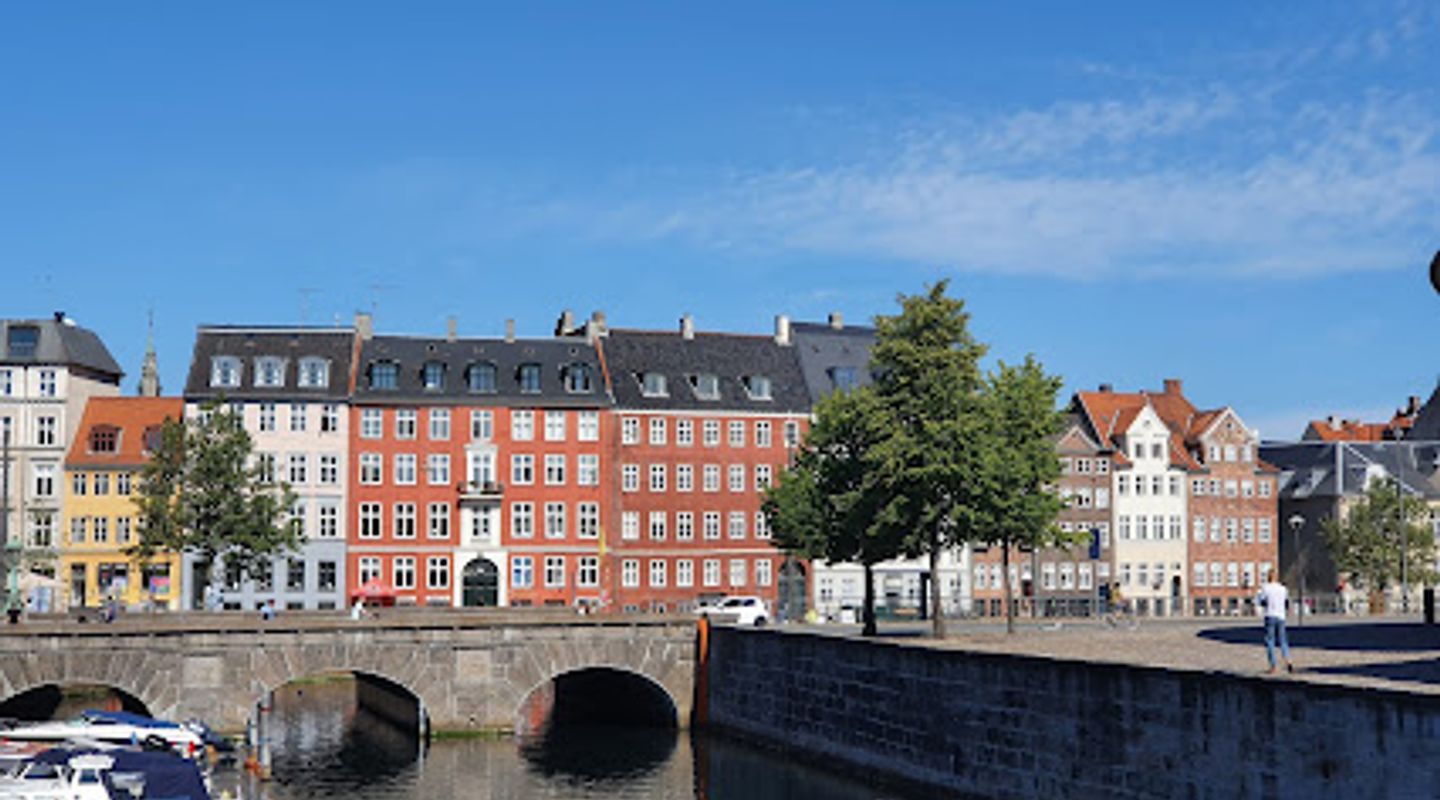
Marmorbroen, or the Marble Bridge, is an elegant 18th‑century stone bridge linking Slotsholmen and central Copenhagen beside Christiansborg Palace. Built between 1739 and 1745 under King Christian VI as the grand entrance to the royal complex, it combines sandstone arches with finely carved Norwegian marble details. Today it offers atmospheric views of Frederiksholms Kanal, palace towers and historic stables, making it a quiet yet iconic stop on any walk through Copenhagen’s political heart.
On-site amenities
 Restrooms
 Drink options
 Drinking water
 Food options
 Seating areas
 Trash bins
 Information boards
 Visitor centre
Opening hours
- Every dayOpen 24 hours
Opening hours as listed on the venue’s Google Business Profile. Hours can change for services and special events, so check with the venue before you go.
- Address
- Marmorbroen, 1218 København K
- Website
Getting there
Metro
Bus
Bicycle
Walking from city centre
Discover more about Marmorbroen
A royal gateway to Christiansborg
Marmorbroen spans Frederiksholms Kanal at the edge of Slotsholmen, the small island that has long been the seat of Danish power. Commissioned by King Christian VI in the early 18th century, the bridge formed part of the ceremonial approach to his first Christiansborg Palace. Guests arriving for court events would cross these arches before entering the riding grounds and grand halls beyond, so the bridge was designed to impress from the very first step.The current structure dates from 1739–1745 and was planned by architect Nicolai Eigtved, a key figure of Copenhagen’s Rococo era. In a city of relatively modest scale, this carefully proportioned bridge introduced a distinctly courtly flair, signalling that Slotsholmen was a world apart from the bustling merchants’ streets just across the water.
Rococo elegance in stone and marble
Despite its name, the bridge is not entirely made of marble. Its three low arches are built primarily from pale sandstone, while Norwegian marble is used for the balustrades, paving slabs and ornamental details. This subtle contrast of textures and tones gives Marmorbroen a refined, almost theatrical presence, especially on overcast days when the light softens the stone.Along the parapets, sculpted panels and lantern‑topped pillars carry royal monograms and symbolic motifs celebrating the virtues of the monarch. These flourishes, added by decorative artists working in the Rococo style, transform a practical crossing into a piece of architectural set‑design, framing the palace in a way that still feels deliberate and grand.
A survivor on historic Slotsholmen
Christiansborg Palace has burned down twice, and almost everything around the original 18th‑century complex has been rebuilt. Marmorbroen is one of the few surviving elements from that first palace landscape, which makes it an important clue to how the royal quarter once looked. Standing on the bridge, it is easy to imagine carriages rattling over the cobbles and courtiers disembarking in embroidered finery.Around the canal you can see layers of history compacted into a small area: the massive walls of Christian IV’s Brewhouse, the buildings that now house the Danish War Museum, and the royal stables with their distinctive roofs. The bridge acts as a hinge between these institutions, quietly tying together centuries of military, political and ceremonial life.
Views along Frederiksholms Kanal
For visitors today, Marmorbroen is as much a vantage point as a monument. Looking one way, you see the towers and chimneys of Slotsholmen mirrored in the still canal water; looking the other, rows of townhouses and government offices line the opposite bank. Boats glide beneath the arches, their low engines echoing under the stone vaults.At different times of day the atmosphere shifts. In early morning, light fog sometimes hangs over the water, muting the sound of bicycles crossing the bridge. By late afternoon, warm light grazes the sandstone, and the canal becomes a corridor of reflections. Even on busy days, the bridge usually retains a calm, almost contemplative feel, inviting you to linger.
Experiencing the bridge up close
There is no formal entrance or ticket; Marmorbroen is part of the public street network, open at all hours. That simplicity is part of its charm: the structure feels both grand and completely woven into everyday city life as commuters, officials and tourists share the same historic crossing.The surface is gently sloping and paved with stone, with solid balustrades on either side, so it is straightforward to cross on foot, with a stroller or using mobility aids. Small details reward a slower pace: the weathering on the marble slabs, the crisp carving of crowns and initials, and the way the bridge’s curve aligns your view with key palace façades. In a city known for its bicycles and waterways, this modest yet sophisticated bridge encapsulates Copenhagen’s blend of utility and beauty.
Evendo Review Centre
 Google
Guest reviews
Best time to go
Quietest: Jan, Feb & Mar · before 7am
Busy times are Evendo estimates for a typical year, to help you plan. Actual crowds vary with events, school holidays and the weather.
Explore Marmorbroen on the map
A handpicked selection of must-see spots near Marmorbroen, mapped for you.
Get your free copy of our complete guide to Marmorbroen, delivered straight to you.
Everything on this page, from opening hours and how to get there to Eve’s tips and the best time to go, in one PDF you can read offline, print or share.
Already have an account? Sign in
Your Marmorbroen guide is ready.
We'll send it to · Not you? Sign out

Getting your guide ready…
We are putting together a fresh copy of the Marmorbroen guide. This can take up to a minute.
This can take a few moments. If your browser asks, choose Allow so the download can start. You'll find the guide in your Downloads folder.
Nothing happened? Download it again
Sorry, the guide is taking longer than usual. Please try again in a minute, or get it by email instead.
Unlock the best of Marmorbroen
Skip-the-line tickets, guided tours with entry, and walking tours of the area, booked in a few clicks.


Other nearby places you may find interesting
The closest places of the same kind, if this one is not quite what you had in mind.
-
-

-
-
-


Swipe for more places
More to explore near Marmorbroen

 Best experiences near Marmorbroen
 Best hotels near Marmorbroen
 Best landmarks near Marmorbroen
 Best attractions near Marmorbroen
 Best shops near Marmorbroen
 Best restaurants near Marmorbroen
 Best bars near Marmorbroen
Do you manage this location?
Take control to get all the benefits, like improved information, better appearance, and stronger visibility across AI-powered discovery.
Explore more

Explore more of Copenhagen
Discover Copenhagen: A perfect blend of history, modernity, and vibrant culture, where picturesque canals, stunning architecture, and world-class dining await you.
Explore Copenhagen
Explore more of Denmark
Discover Denmark: A perfect blend of history, modern design, and the cozy concept of hygge. Explore vibrant cities, serene landscapes, and world-class cuisine.
Explore Denmark