

Thorvaldsens Museum, Copenhagen Travel Guide
Denmark’s first public art museum, a colour‑rich neoclassical gem on Slotsholmen where Bertel Thorvaldsen’s sculptures, collections and tomb share a single evocative space.
Thorvaldsens Museum is Denmark’s first public art museum, a richly decorated 19th‑century building on Slotsholmen dedicated to sculptor Bertel Thorvaldsen. Inside, luminous neoclassical marble figures share space with vivid wall colours, antique vases, coins, paintings and drawings from across Europe and the Mediterranean. The courtyard holds Thorvaldsen’s tomb, turning the museum into both a celebration of his life’s work and his final resting place in the heart of Copenhagen.
A brief summary to Thorvaldsens Museum
- Bertel Thorvaldsens Plads 2, København K, København K, 1213, DK
- Click to display
- Click to display
- Duration: 1.5 to 3 hours
- Mid ranged
-
 Indoor
- Mobile reception: 5 out of 5
- Tuesday 10 am-5 pm
- Wednesday 10 am-5 pm
- Thursday 10 am-5 pm
- Friday 10 am-5 pm
- Saturday 10 am-5 pm
- Sunday 10 am-5 pm

Know before you go
Hi, I'm Eve. Here are a few practical things to know before exploring Thorvaldsens Museum.
- Plan around the Monday closure; the museum is open Tuesday to Sunday, generally from late morning to late afternoon.
- Use the free audio guide to unlock stories behind the sculptures, the building’s colours and Thorvaldsen’s travels.
- Allow time for the courtyard; this is where Thorvaldsen is buried and it offers a quiet pause between richly decorated galleries.
- Combine your visit with nearby cultural sites on Slotsholmen to make a half‑day of museums and historic architecture.
- Photography is usually allowed without flash; the vivid interiors make for striking shots of sculpture and colour together.
Do you manage this location?
Take control to get all the benefits, like improved information, better appearance, and stronger visibility across AI-powered discovery. Learn more about listing your business on Evendo
Activate your presenceOther nearby places you may find interesting
The closest places of the same kind, if this one is not quite what you had in mind.

Explore Thorvaldsens Museum on the Map
A handpicked selection of must-see spots near Thorvaldsens Museum, mapped for you.
Unlock the Best of Thorvaldsens Museum
Buy tickets
-
No tickets available
Book tours with entry


Getting There
-
Walking from central Copenhagen (City Hall area)
From the City Hall and Tivoli area, reaching Thorvaldsens Museum on Slotsholmen takes roughly 10–15 minutes on foot at a relaxed pace. The route is flat and follows busy central streets with wide pavements and pedestrian crossings. It is suitable for most visitors, including families with strollers, though surfaces can be uneven in places around historic squares, so allow extra time if you prefer to move slowly and linger by the canals.
-
Public transport within Copenhagen
Several bus lines stop near Slotsholmen and the parliament district, putting you within about a 5‑minute walk of the museum after a journey of 10–20 minutes from many central neighbourhoods. Single tickets on city buses generally cost in the range of 20–30 DKK, depending on zones and purchase method. Services run frequently during the day, but can be less frequent in the evening and on weekends, so checking current timetables before you set out is advisable.
-
Metro connection via Gammel Strand or Kongens Nytorv
Using the Copenhagen Metro, you can ride to nearby stations such as Gammel Strand or Kongens Nytorv and walk around 10 minutes to the museum, with total travel time typically 15–25 minutes from most inner‑city stops. A standard metro ticket for the relevant central zones usually falls between 20 and 40 DKK. Lifts and escalators make the metro convenient if you are avoiding long walks, though final access to the museum still involves outdoor pavements and some cobblestones.
-
Bicycle access in the city centre
Cycling is a popular way to reach Slotsholmen, with dedicated bike lanes leading through much of central Copenhagen. Travel time from nearby districts such as Nørrebro, Vesterbro or Østerbro is often 10–20 minutes. You can use your own bicycle or rent from numerous city bike providers, with typical short‑term rentals starting around 25–40 DKK for a half hour. Be aware that bike lanes can be busy in rush hours, and you will need to dismount and walk your bike in pedestrian‑only areas close to historic buildings.
For the on-the-go comforts that matter to you
-
 Restrooms
-
 Drink Options
-
 Food Options
-
 Seating Areas
-
 Trash Bins
-
 Information Boards
-
 Visitor Center
Discover more about Thorvaldsens Museum
A sculptor’s legacy in the heart of Copenhagen
Thorvaldsens Museum stands on Slotsholmen, a compact island at the historic core of Copenhagen, created specifically to house the works of Bertel Thorvaldsen, the city’s most celebrated sculptor. Completed in 1848, it was Denmark’s first purpose‑built public museum, designed as a temple to art at a time when neoclassicism shaped Europe’s cultural identity. The building embraces a courtyard plan, sheltering visitors from the bustle outside and focusing attention inward on art, colour and form.Thorvaldsen himself spent most of his career in Rome, sending home monumental sculptures of classical gods, heroes and statesmen that now populate the museum’s stately halls. When he donated his vast collection of works and personal art holdings to Copenhagen, it transformed the city’s cultural landscape and cemented this museum’s role as a national treasure.Colour-drenched architecture and intimate details
One of the surprises of Thorvaldsens Museum is its intense palette. Instead of whitewashed galleries, you step into rooms saturated with deep blues, reds and greens, patterned ceilings, and richly ornamented doorways. This bold interior was conceived as a dramatic backdrop for white marble and plaster, making the sculptures glow against their surroundings. Light enters from high windows and skylights, picking out fine chisel marks and the soft curve of drapery in stone.Corridors unfold like a sequence of stage sets, each space carefully proportioned to frame the works it holds. Decorative friezes on the exterior, including painted processions and mythological scenes, connect the building’s façade to the themes inside. Even small details, from floor patterns to ironwork, reflect a 19th‑century ambition to create a total work of art.Sculptures, sketches and a world of antiquities
At the museum’s core are Thorvaldsen’s sculptures: full‑size figures, reliefs and portrait busts that translate ancient myth into neoclassical forms. You encounter Roman gods, Nordic heroes and European dignitaries, all rendered with the calm, idealised features typical of the period. Many pieces are original plaster models for marble statues now scattered in churches and palaces across Europe, giving the museum a behind‑the‑scenes quality.Beyond the sculptures, rooms display Thorvaldsen’s drawings and preparatory sketches, revealing how ideas evolved from quick pencil lines to monumental stone. Cases of Greek and Roman vases, small bronzes, coins and Egyptian artifacts reflect his passion as a collector. Together, these collections show the visual world that inspired him, from ancient pottery silhouettes to the drama of classical relief carving.A tomb in the courtyard and stories beneath your feet
Step into the inner courtyard and you stand above Thorvaldsen’s grave. Rather than being buried in a church, he chose to rest within the museum that houses his work, an arrangement that turns the entire complex into a kind of extended monument. The courtyard, with its quiet planting and simple geometry, contrasts with the richly decorated interiors and offers a moment of calm reflection.Here, the layers of time feel particularly tangible. The building’s historic fabric, the sculptor’s remains beneath the paving, and the surrounding government quarter of Slotsholmen all speak to shifting ideas about art, power and memory in 19th‑century Denmark. It is a place where biography and architecture are inseparable.Experiencing the museum today
Today, Thorvaldsens Museum continues to function as both archive and laboratory. The permanent displays are complemented by focused exhibitions that explore themes such as travel, myth or dialogue between contemporary art and Thorvaldsen’s work. Free audio guides help decode the symbolism in the sculptures, the stories of their commissioners, and the thinking behind the building’s design.Visits often unfold slowly: you might linger in a single gallery, comparing marble to plaster, or trace Thorvaldsen’s journeys through paintings and objects he collected abroad. With its central location, richly atmospheric rooms and concentrated scale, the museum offers a contemplative counterpoint to the city outside, inviting you to spend time with one artist’s world in remarkable depth.












Your all‑in‑one travel companion app
Explore expert travel guides, compare and book tours, experiences, hotels, and more—all from the palm of your hand. Download now for seamless trip planning wherever your wanderlust takes you.


Explore More of Copenhagen
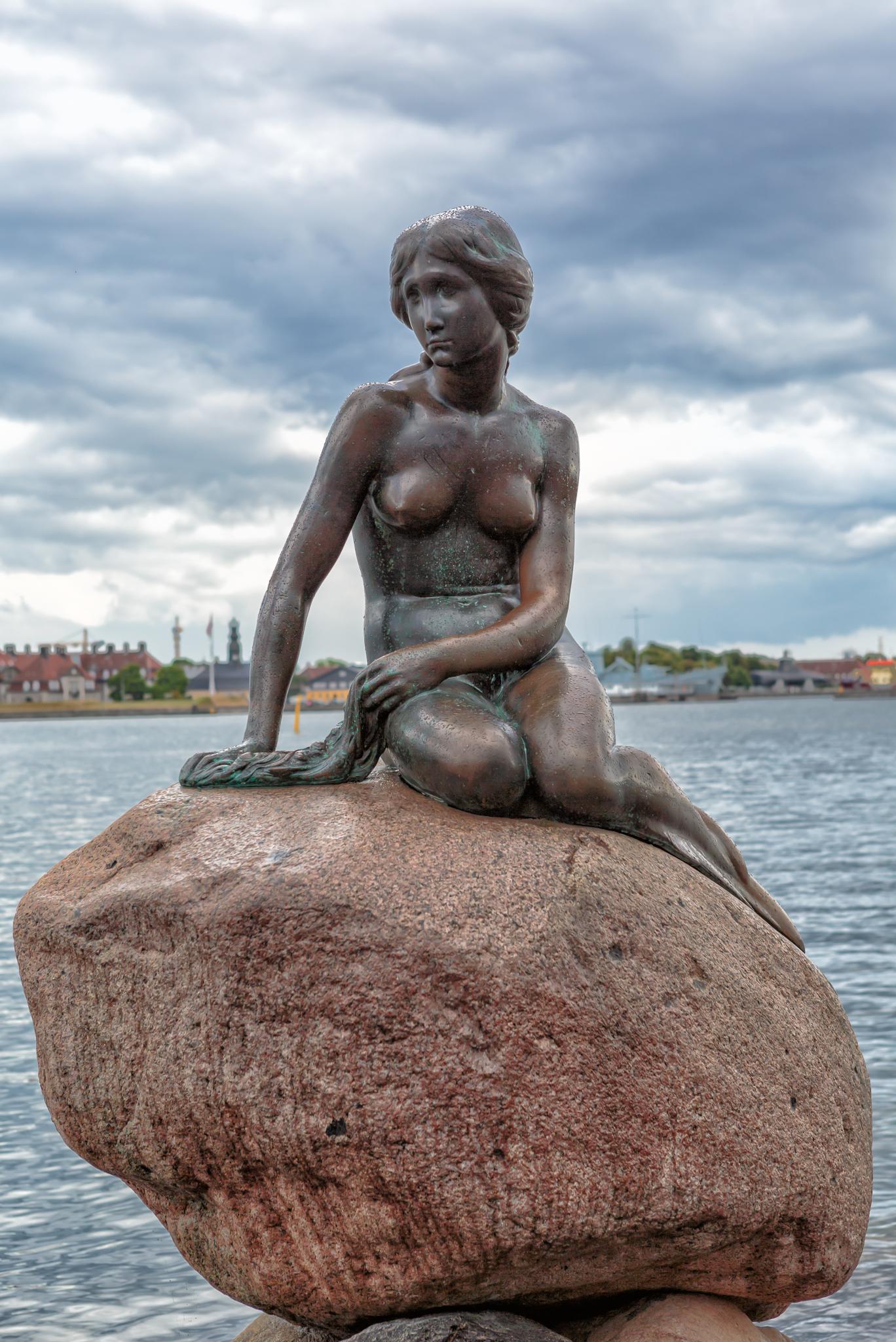
Looking beyond Thorvaldsens Museum? Discover Copenhagen for broader travel guides, local hot-spots, and regional highlights.
Explore Copenhagen
A canalside art centre and historic quay where contemporary exhibitions, cosy café culture and Copenhagen’s waterfront atmosphere meet in one compact stop.

Denmark’s first public art museum, Thorvaldsens Museum blends neoclassical sculpture, vivid architecture, and tranquil courtyards into one immersive urban sanctuary.
