

Esbjerg Museum, Esbjerg Travel Guide
Free Guide: Compact city museum in central Esbjerg, tracing the port town’s rapid rise, amber treasures, and wartime stories through evocative rooms and focused exhibits.


A brief summary of Esbjerg Museum
Compact city museum in central Esbjerg, tracing the port town’s rapid rise, amber treasures, and wartime stories through evocative rooms and focused exhibits.
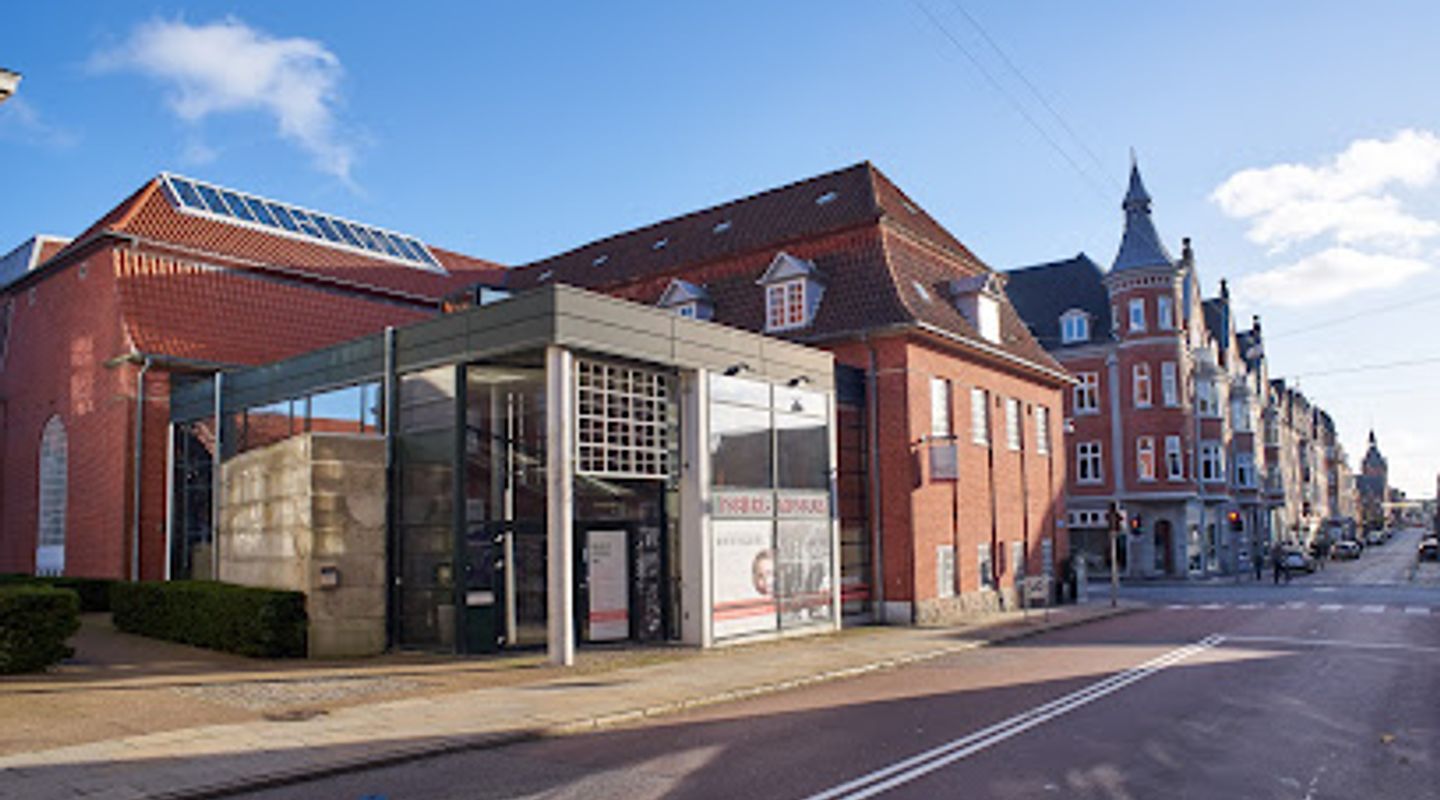
Esbjerg Museum is a compact yet richly layered history museum in the heart of Esbjerg, charting the city’s rise from windswept trading outpost to modern North Sea hub. Housed in a dignified early 20th-century building on Torvegade, it weaves together archaeology, urban history and the story of daily life between 1900 and 1950. Atmospheric period rooms, detailed models and evocative objects bring amber, occupation-era Denmark and the boom years of the port to life, making this a rewarding stop for anyone curious about how Esbjerg became Denmark’s energetic west-coast city.
On-site amenities
 Restrooms
 Drink options
 Drinking water
 Food options
 Seating areas
 Trash bins
 Information boards
Opening hours
- MonClosed
- TueClosed
- Wed10 am–2 pm
- Thu10 am–2 pm
- Fri12 pm–4 pm
- Sat12 pm–4 pm
- Sun12 pm–4 pm
Opening hours as listed on the venue’s Google Business Profile. Hours can change for services and special events, so check with the venue before you go.
- Address
- Torvegade 45, 6700 Esbjerg
- Phone
- Website
Getting there
Train and short walk from Esbjerg Station
City bus within Esbjerg
Car or taxi from the wider Esbjerg area
Discover more about Esbjerg Museum
From Young Port Town to Cultural Storyteller
Esbjerg Museum sits in a solid brick building just off the main square, a suitably grounded setting for a city whose history is surprisingly recent. Established in the mid‑20th century, the museum set out to document how a small settlement by the Wadden Sea transformed into one of Denmark’s key North Sea ports. Inside, the story unfolds chronologically, tracing the political decisions that created Esbjerg after the loss of nearby territories, and the rapid expansion that followed.Rather than overwhelming you with dates, the displays focus on the human scale: dockworkers, merchants, families and children whose lives were shaped by the harbour’s cranes and rail lines. Old photographs, trade tools and household objects form a visual timeline, showing how quickly a planned port town can grow into a self‑confident city with its own identity.
City Life Between 1900 and 1950
A core part of the museum is devoted to Esbjerg’s early urban decades, roughly from 1900 to the mid‑20th century. Here you step into carefully recreated interiors and streetscapes that evoke everyday life when trams rattled past and fishing boats crowded the quays. A miniature city model highlights how blocks, churches and public buildings sprang up in a grid, giving you an aerial sense of order and ambition.This period was marked not only by expansion but also by hardship. Exhibits explore industrial work, housing conditions and social change, showing how new public services, schools and associations emerged alongside shipyards and fish auctions. The result is a compact, three‑dimensional portrait of a town growing at remarkable speed, while still small enough that everyone knew the sound of the foghorns.
Amber, Archaeology and Deep Time
Beyond the modern city, Esbjerg Museum delves into the much deeper history of the surrounding region. One of its highlights is a dedicated amber section, where warm yellow and honey‑coloured pieces from along the west coast are displayed like tiny time capsules. Some contain plant matter or insects, linking the modern shoreline to forests that stood here thousands of years ago.Archaeological finds from the broader area place Esbjerg within a long chain of human settlement along the Wadden Sea. Tools, ceramics and everyday objects reveal farmers, traders and seafarers who lived with shifting sands and tidal flats long before a modern harbour was imagined. Together, these cases connect the young city to an ancient coastal landscape.
War, Occupation and the North Sea Front
The museum also addresses the dramatic years of the Second World War, when Esbjerg’s position on the North Sea turned it into a strategic point in the Atlantic Wall. Exhibits explore the impact of German occupation on local life, from rationing and blackout regulations to the construction of bunkers along the coast.Photographs, personal items and documents convey the tension of living in a fortified port town, where fishing boats, rail transport and daily routines all unfolded under watchful eyes. The story does not dwell solely on military hardware; it also highlights quiet acts of adaptation and resilience that allowed a coastal community to endure a global conflict.
A Small Museum with a Focused Atmosphere
Esbjerg Museum is compact, which works in its favour. The galleries are easy to navigate, and the themes are clearly separated, so you can move from city history to amber or wartime stories without feeling rushed. Simple interpretive texts and object labels make the displays accessible even if you arrive with little prior knowledge of Danish history.The atmosphere is unhurried and reflective rather than grand. Creaking floors, carefully lit displays and occasional interactive elements encourage you to pause, look closely and imagine how quickly a purpose‑built harbour can reshape a coastline and the lives lived beside it.
Practical Visit and Nearby Connections
Located in central Esbjerg, the museum is easy to combine with a stroll through nearby streets, where the grid plan and early buildings you have just seen in miniature still shape the real city. Exhibitions are indoors and compact, making this a comfortable choice in unsettled weather or as an introduction before heading out to coastal sites.A modest ticket price structure typically distinguishes between adults and free or reduced entry for children, underlining the museum’s role as a local educational institution. A small shop area often extends the visit with books, regional products and amber‑themed souvenirs, linking the stories in the galleries to objects you can take home.
Evendo Review Centre
 Google
Guest reviews
Best time to go
Quietest: Jan, Feb & Nov · before 8am or at 6pm or at 7pm
Busy times are Evendo estimates for a typical year, to help you plan. Actual crowds vary with events, school holidays and the weather.
Explore Esbjerg Museum on the map
A handpicked selection of must-see spots near Esbjerg Museum, mapped for you.
Get your free copy of our complete guide to Esbjerg Museum, delivered straight to you.
Everything on this page, from opening hours and how to get there to Eve’s tips and the best time to go, in one PDF you can read offline, print or share.
Already have an account? Sign in
Your Esbjerg Museum guide is ready.
We'll send it to · Not you? Sign out

Getting your guide ready…
We are putting together a fresh copy of the Esbjerg Museum guide. This can take up to a minute.
This can take a few moments. If your browser asks, choose Allow so the download can start. You'll find the guide in your Downloads folder.
Nothing happened? Download it again
Sorry, the guide is taking longer than usual. Please try again in a minute, or get it by email instead.
Other nearby places you may find interesting
The closest places of the same kind, if this one is not quite what you had in mind.
-
-
-
-
-


Swipe for more places
More to explore near Esbjerg Museum

 Best experiences near Esbjerg Museum
 Best hotels near Esbjerg Museum
 Best landmarks near Esbjerg Museum
 Best attractions near Esbjerg Museum
 Best shops near Esbjerg Museum
 Best restaurants near Esbjerg Museum
 Best bars near Esbjerg Museum
Do you manage this location?
Take control to get all the benefits, like improved information, better appearance, and stronger visibility across AI-powered discovery.
Explore more

Explore more of Esbjerg
Discover Esbjerg: A coastal city in Denmark known for its maritime heritage, stunning sculptures, and vibrant downtown, offering something for every traveler.
Explore Esbjerg
Explore more of Denmark
Discover Denmark: A perfect blend of history, modern design, and the cozy concept of hygge. Explore vibrant cities, serene landscapes, and world-class cuisine.
Explore Denmark
