
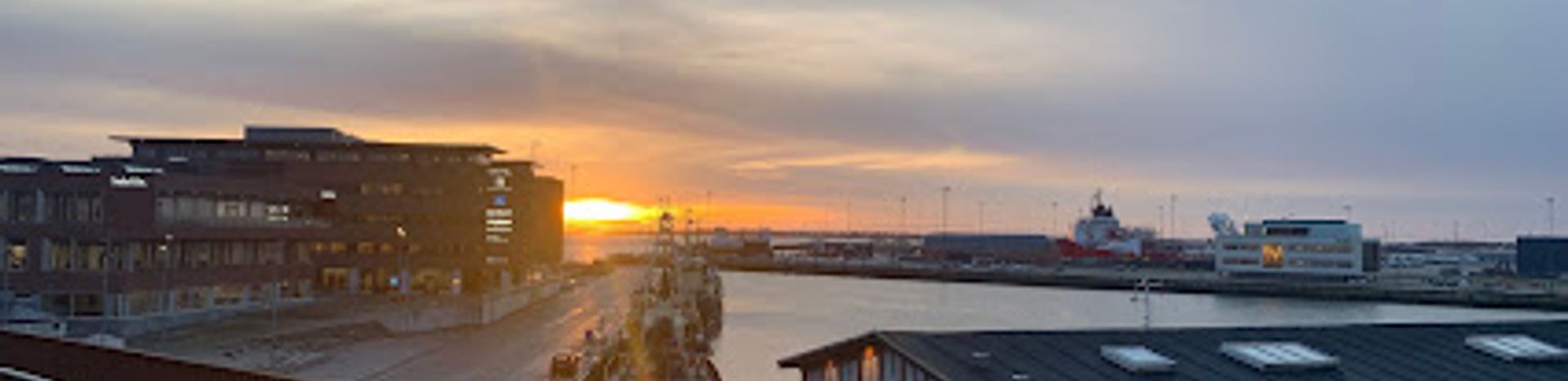
Gangbroen over Toldbodvej, Esbjerg Havn
A modest harbor footbridge with big-city harbor views, Gangbroen over Toldbodvej links central Esbjerg to its working docks in a few scenic, elevated minutes.
Gangbroen over Toldbodvej is a striking pedestrian and cycle bridge linking central Esbjerg with the busy dock harbour. Spanning Hulvejen and the port approach roads, it offers an elevated corridor above truck traffic and rails, giving visitors unusual perspectives on cranes, ferries, wind-energy vessels and the industrial waterfront. More than a practical shortcut, the gangway forms part of Esbjerg’s newer harborfront redesign, inviting you to stroll, pause at lookouts, and watch the choreography of a working North Sea port.
A brief summary to Gangbroen over Toldbodvej, Esbjerg Havn
- Hulvejen 1, Esbjerg, 6700, DK
- Duration: 0.25 to 1 hours
- Free
-
 Outdoor
- Mobile reception: 4 out of 5
Local tips
- Bring a windproof layer: the bridge is fully exposed and breezes from the Wadden Sea can feel significantly cooler than in the nearby streets.
- Plan a circular route that also includes the Landgangen path and the harbor promenade to turn this short crossing into a richer harborfront walk.
- For photos, aim for early morning or late afternoon when the low sun adds texture to cranes, warehouses and the bridge’s railings.
- Use the small widened sections along the bridge to step aside for ship‑spotting or photography without blocking local cyclists.

For the on-the-go comforts that matter to you
- Seating Areas
- Trash Bins
- Information Boards
Getting There
-
Train and short walk from Esbjerg Station
Arrive at Esbjerg Station by regional or intercity train from larger Danish hubs; services from cities such as Odense and Kolding typically take 1.5–2.5 hours and run several times per day. From the station, allow about 10–15 minutes on foot through the central streets to reach the harbor side near Hulvejen and Toldbodvej. There is no extra cost beyond the train ticket, which usually ranges from about DKK 120–260 one way depending on route and booking category.
-
City bus to Toldbodvej area
Local city buses, including routes that serve the Toldbodvej stops close to the harbor, connect various districts of Esbjerg with the port area in roughly 5–20 minutes of travel time depending on your starting point. Services run frequently on weekdays and a bit less often in the evenings and on weekends. A single adult ticket within the city typically costs around DKK 20–30 and can be bought from ticket machines or via regional transport apps.
-
Bicycle from central Esbjerg
Esbjerg is well suited to cycling, and many visitors use rental or hotel bikes to reach the harbor. From the central squares and pedestrian streets, the ride to Gangbroen usually takes about 5–10 minutes on mostly flat terrain, following marked cycle lanes toward the docks. There is no fee to use the bridge itself, but expect standard Danish city bike rental prices if you hire a bicycle, and be aware that strong coastal winds can make the short distance feel more demanding.
Gangbroen over Toldbodvej, Esbjerg Havn location weather suitability
-
 Clear Skies
-
 Windy Conditions
-
 Mild Temperatures
-
 Any Weather
-
 Cold Weather
Discover more about Gangbroen over Toldbodvej, Esbjerg Havn
An Elevated Link Between City Streets and Working Harbor
Gangbroen over Toldbodvej sits where Esbjerg’s compact center meets the docks, carrying walkers and cyclists safely over the port access road at Hulvejen. Instead of weaving through heavy lorries and container traffic, you rise to bridge level and step into a different vantage point. The structure forms part of a broader network of harborfront paths that stitch the city grid to quays, silos and ship berths, making the waterfront feel accessible rather than off‑limits. From here the geometry of the port becomes clear: rail sidings, warehouse roofs and pier lines all radiate toward the Wadden Sea. It is an everyday piece of infrastructure, but one that quietly changes how you move through Esbjerg, turning a once‑practical crossing into a short urban experience.Industrial Materials and Maritime Lines
The bridge’s design borrows its language from the harbor around it. Weathering steel, painted metal and concrete echo the tones of cranes, bollards and ship hulls. Railings are deliberately open, giving long sightlines along Toldbodvej and across to the docks. Gentle ramps and steps accommodate both bikes and pedestrians, and at several points the bridge widens into small bays where you can stop without blocking the flow. These pauses are where the setting comes alive. You might look down on freight trains shunting toward the quays or watch a supply vessel ease into position at a nearby berth. In the distance, the Esbjerg Water Tower and the sharper lines of Musikhuset Esbjerg break the skyline, framing the harbor within the city’s architecture.Life and Movement in Esbjerg Harbor
Esbjerg Havn is Denmark’s largest North Sea port, long tied to fishing and ferry routes and now deeply involved in offshore wind and energy services. From the bridge you see evidence of this shift: maintenance vessels for wind farms, stacks of turbine components and logistics yards that speak to a modern maritime economy. The air carries a mix of diesel, salt and sometimes the faint tang of fish from the auction halls closer to the water. Because the bridge is open at all hours, each visit offers a different rhythm. Early mornings bring commuter cyclists and the start of cargo operations; midday is calmer, with more casual strollers; by late evening the port lights create a band of color across the water, and the hum of machinery softens into background noise.A Short Stop on a Longer Harborfront Walk
Although you can cross Gangbroen in a few minutes, it works best as a waypoint on a longer exploration. Combined with the rust‑red Landgangen path and the harbor promenade, it lets you loop between cultural institutions inland and the working quaysides. One moment you are near museums, churches and the pedestrian shopping streets; a few minutes later you are watching containers being hoisted and ferries turn in the basin. Benches and low parapets invite brief breaks to check a map, adjust a camera or simply rest while ships pass below. There are no commercial outlets on the bridge itself, which keeps the focus on movement, views and the surrounding cityscape rather than consumption.Practical Atmosphere and Subtle Views
Despite its functional purpose, the atmosphere on the bridge can feel surprisingly contemplative. On clear days, the light off the Wadden Sea is sharp, picking out every cable and gantry in the port. Cloudy or windy weather brings a more dramatic backdrop, with low scudding clouds and the rattle of rigging on masts. The bridge surface is exposed, so you feel each gust and temperature change, but railings provide a secure sense of enclosure. Photography‑minded visitors find plenty to capture: leading lines of the deck drawing the eye toward cranes, reflections in puddles after rain, or silhouettes of cyclists crossing against a glowing evening sky. It is not a grand viewpoint, but a modest, everyday perch from which to understand Esbjerg’s close relationship with its harbor.Iconic landmarks you can’t miss

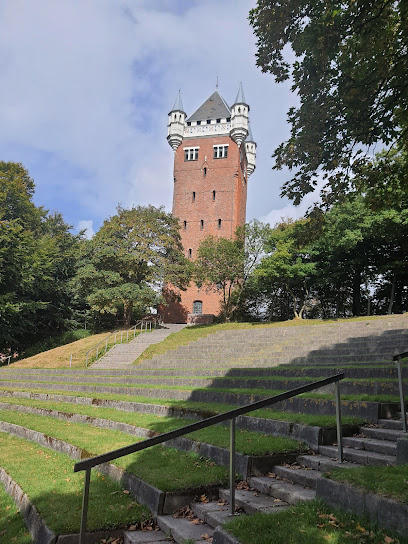
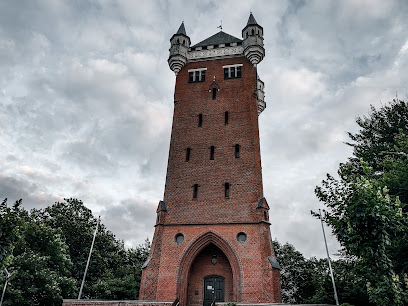
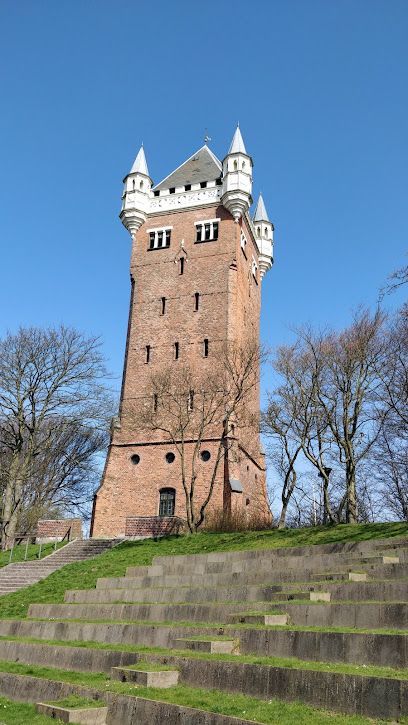
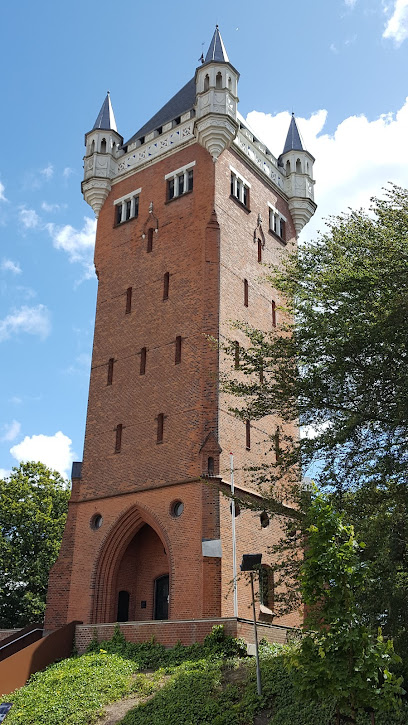
Esbjerg Water Tower
0.2 km
Historic red-brick water tower on a Bronze Age mound overlooking Esbjerg’s harbour, blending medieval-inspired architecture with the story of a young, ambitious port city.
Dronning Louise
0.5 km
Urban beachfront serenity meets Danish royal heritage at Marselisborg Strand, Aarhus’ favorite local escape for swimming, sunbathing, and seaside strolls year-round.
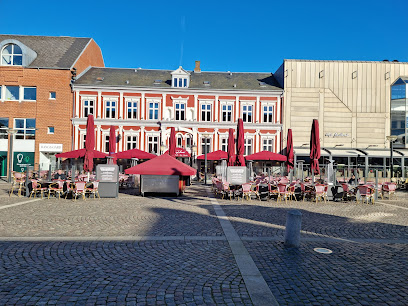
FanøFærgen, Esbjerg
0.5 km
Compact harbor terminal in Esbjerg serving the fast 12‑minute Fanø ferry, linking mainland bustle with island calm in the Wadden Sea UNESCO landscape.
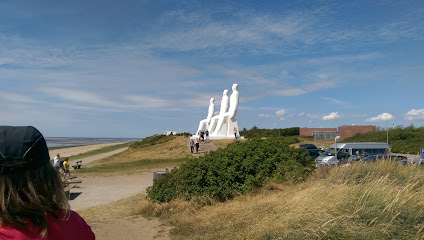
Denmark
0.5 km
Marselisborg Strand is Aarhus’s urban beach escape, offering sandy shores, a classic pier, family-friendly facilities, and beautiful views right at the city’s edge.
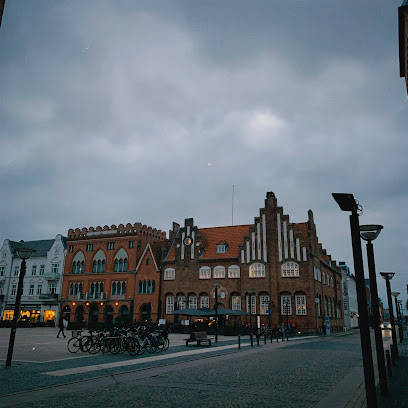
Namaste Esbjerg
0.6 km
Marselisborg Strand is Aarhus’ vibrant urban beach, blending sandy coastline, tranquil bay views, and easy access to city highlights and lush forest parks.
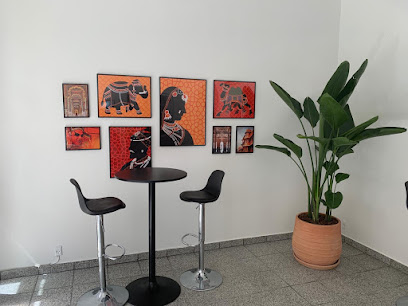
Vadehavskysten
0.8 km
An iconic copper bridge tower turned cultural gem, offering harbor panoramas, intimate events, and a taste of Copenhagen’s creative spirit on Knippelsbro.
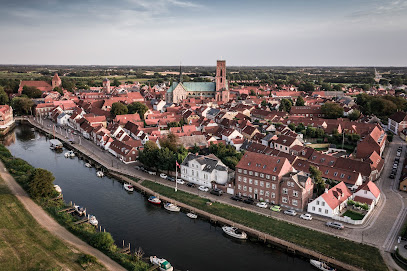
Fanø Tourist Office
3.0 km
Centrally located on Fanø, the Tourist Office is the ideal starting point for discovering authentic island charm, local culture, and practical travel advice.
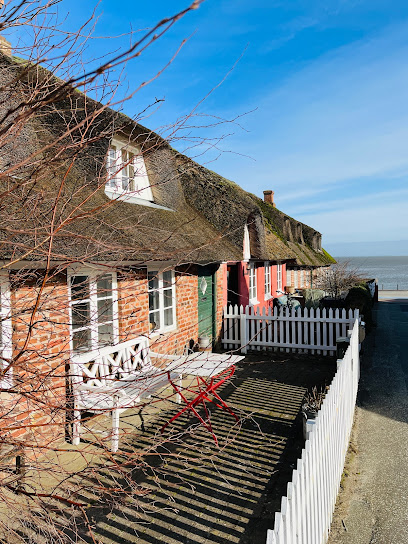
Fanø Krogaard
3.1 km
Experience the timeless charm of Fanø Krogaard, a historic inn blending Nordic cuisine, island tradition, and warm hospitality in the heart of Nordby harbour.
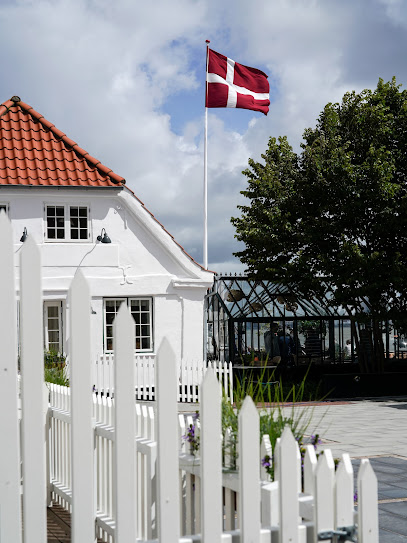
Begravet bunker
3.2 km
A preserved German WWII bunker revealing the hidden lives of occupation soldiers beneath Danish soil.
Fano Bed and Boats
3.3 km
Charming seaside bed & breakfast and boat rental in Nordby, Fanø—offering cozy rooms and authentic maritime experiences on Denmark’s storied North Sea island.
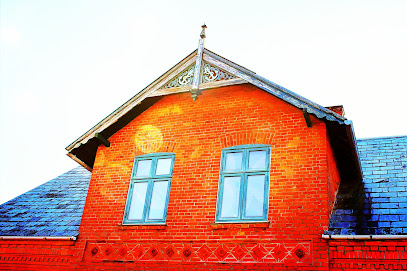
Hjerting Badehotel
8.8 km
Picturesque sandy beach blending serene sea views, lush forests, and family-friendly facilities just minutes from Aarhus city center.
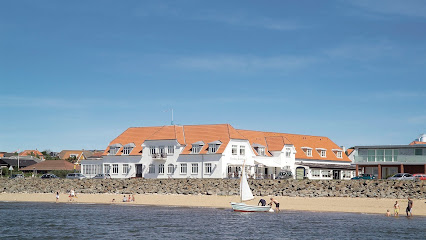
Sønderho Church
12.7 km
An 18th‑century island church filled with Denmark’s largest flotilla of votive ships, anchoring Sønderho’s seafaring history in a tranquil Wadden Sea village.
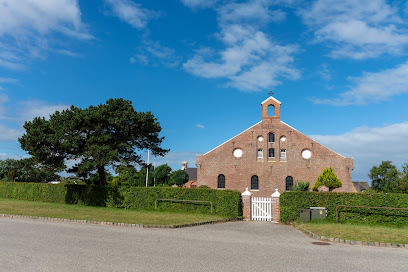
Æ Kåver
13.1 km
Reborn wooden seamark on Fanø’s southern edge, Æ Kåver recalls 17th‑century seafaring in a wild Wadden Sea landscape of wind, sand and wide horizons.
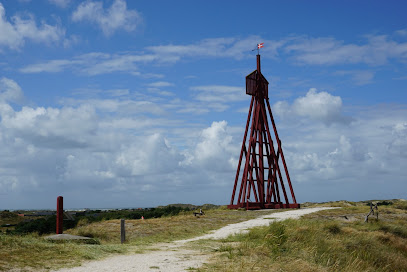
Kammerslusen Ribe
20.1 km
Discover Copenhagen's Black Diamond: A fusion of modern architecture and cultural heritage on the waterfront.
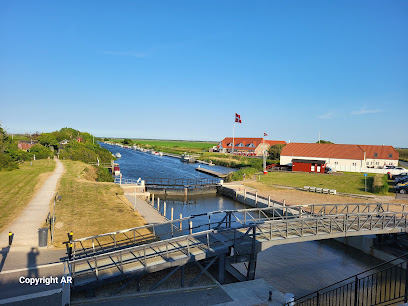
Queen Dagmar of Bohemia
24.5 km
A contemplative statue on Ribe’s former castle hill, honouring the gentle 13th‑century Queen Dagmar where her life and legend became entwined with Denmark’s history.
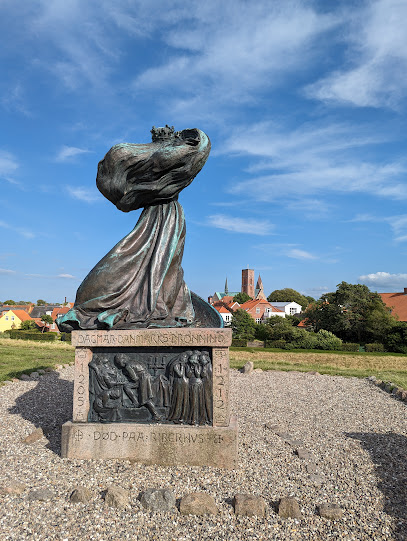
Unmissable attractions to see

Landgangen
0.1 km
An elevated corten-steel promenade that sweeps between Esbjerg’s city streets and working harbour, blending everyday mobility with harbour views and urban design.
Esbjerg Bypark
0.2 km
A vibrant artistic green oasis where poetry, performance, and nature converge in the heart of Esbjerg.
Esbjerg Art Museum
0.2 km
Denmark's experimental art laboratory where modernist masterpieces meet cutting-edge contemporary vision.
Mosaicvæg “Verdensarven Vadehavet”
0.4 km
A 27‑meter community-created mosaic in a hidden Esbjerg courtyard, bringing the colours, tides and birdlife of the UNESCO Wadden Sea into the city centre.
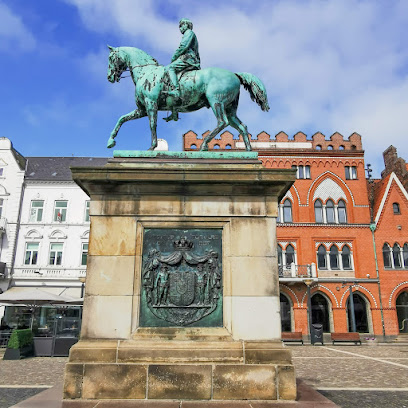
Christian IX statue, Esbjerg
0.4 km
A regal symbol at Esbjerg’s main square, the Christian IX Statue celebrates the city’s royal origins and serves as a key gathering point in Denmark’s vibrant west coast port.
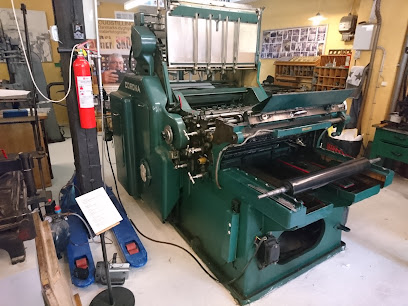
Esbjerg Printing Museum
0.6 km
A compact, volunteer-run printing workshop where Esbjerg’s industrial past, letterpress craft and the art of ink on paper come vividly – and sometimes noisily – back to life.
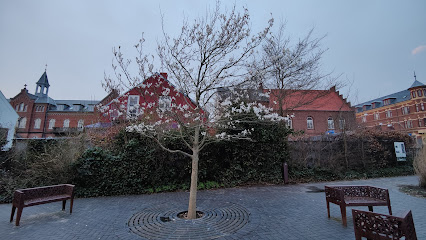
Brunnen Park
0.6 km
A small fountain-side green space on Kirkegade, offering a quiet pause of trees, lawns and benches in the very heart of Esbjerg’s urban grid.
Esbjerg Museum
0.7 km
Compact city museum in central Esbjerg, tracing the port town’s rapid rise, amber treasures, and wartime stories through evocative rooms and focused exhibits.
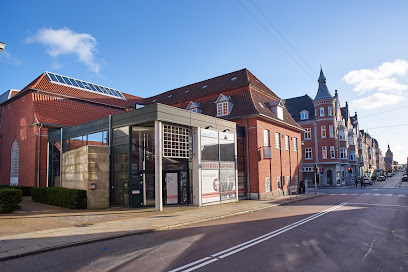
Esbjerg Byhistoriske Arkiv
0.8 km
A quiet but vital city archive where Esbjerg’s transformation from windswept harbour town to modern North Sea hub is preserved in maps, photos and personal stories.
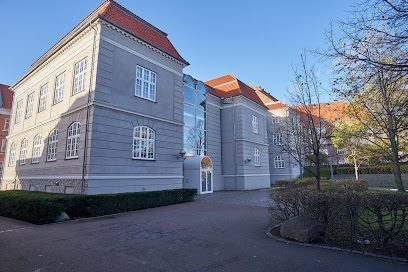
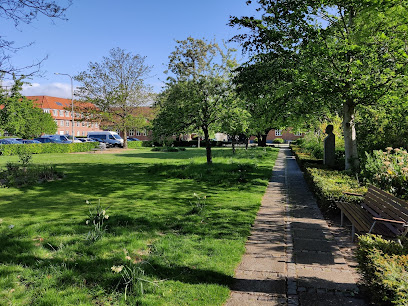
Borgmesterhaven
1.1 km
A small, low-key neighborhood park in central Esbjerg, offering simple greenery, benches and a brief escape from the surrounding streets and apartment blocks.
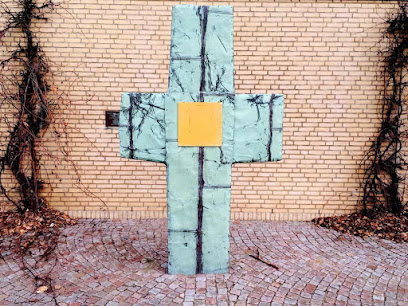
Skulptur “Kobberkors”
1.6 km
Explore Esbjerg Museum and discover the fascinating tale of Denmark’s west coast, from bustling port origins to maritime heritage and daily life exhibits.
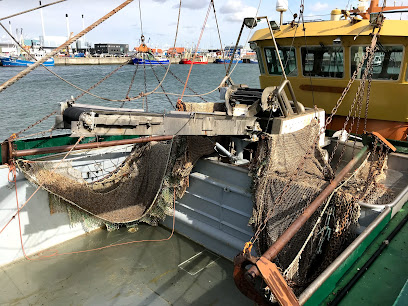
Fish Auction for tourists
1.6 km
Bid on fresh catches at Denmark's largest fishing harbour in this authentic, working auction.
Swimming Stadium Denmark
1.7 km
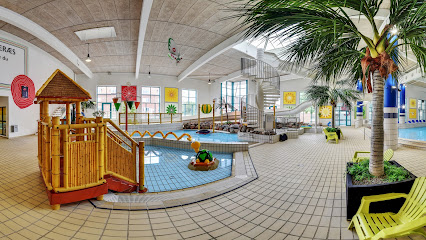
Denmark’s largest indoor swim and water park: 10,000 m² of slides, waves, competition lanes and wellness under one roof in Esbjerg’s sports district.
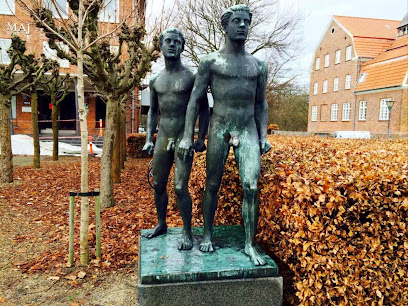
Skulptur “Frihedskæmpere”
1.8 km
Step into Esbjerg’s past at this hands-on city museum, featuring a recreated historic street, archaeological treasures, and stories of seafaring ambition.
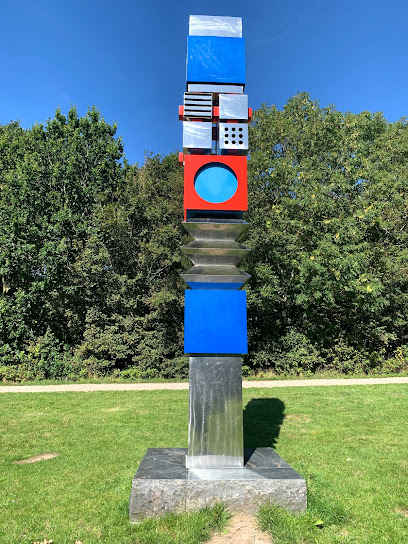
Vognsbølparken
2.3 km
Esbjerg’s big back garden: 178 hectares of woodland, lakes, lawns and play areas offering easy everyday nature, peaceful walks and relaxed family time.
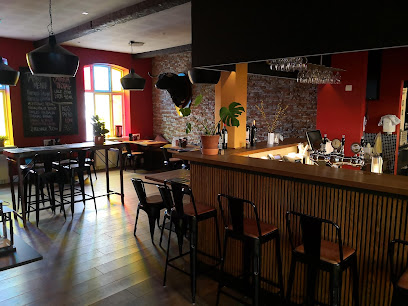
Essential places to dine

Huset Gammelhavn
0.1 km
Historic harbor house turned modern restaurant and event venue, serving seasonal Danish menus with harbor views in one of Esbjerg’s oldest buildings.
La Scala Ristorante Pizzeria
0.2 km
Long-running Italian pizzeria in central Esbjerg, serving stone-baked pizzas, hearty pastas and relaxed, cosy dinners from Tuesday to Sunday evenings.
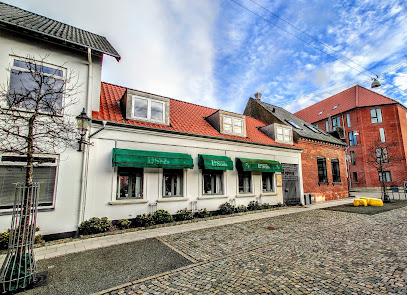
Nara Sushi Esbjerg
0.4 km
Contemporary Japanese sushi in Esbjerg's heart, where fresh ingredients meet innovative ordering.
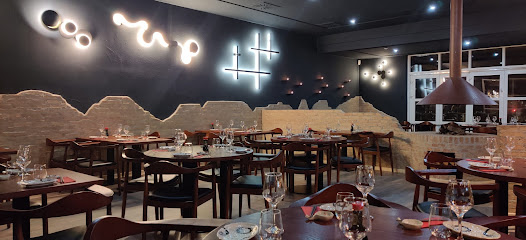
Sand's Restauration ApS
0.4 km
Century-old Esbjerg institution serving hearty Danish classics, local seafood and regional specialties in a cosy, wood-accented setting on lively Skolegade.

Hanzō Esbjerg
0.4 km
Colorful pan-Asian sharing plates, bold flavors and a modern, high-ceilinged setting right on lively Skolegade in the very center of Esbjerg.
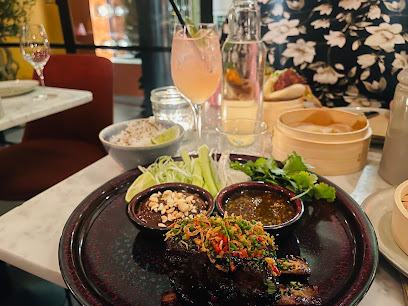
Restaurant Madklubben Esbjerg
0.4 km
Modern, value-focused dining in a spacious yet cosy Skolegade restaurant, serving seasonal European comfort food and cocktails from Monday to Saturday evenings.
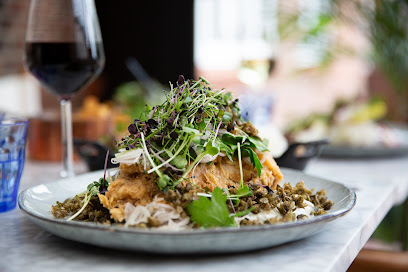
Restaurant Lyokoi - Japansk Sushi
0.4 km
Compact, lively Esbjerg hotspot where colorful sushi platters meet sizzling Korean barbecue grills in a relaxed, social Skolegade setting.
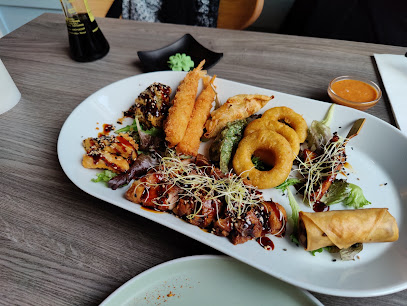
India Royale - Restaurant Esbjerg
0.4 km
North Indian comfort food and tandoor-baked naan in a warm, central Esbjerg dining room with moderate prices and adaptable spice levels.
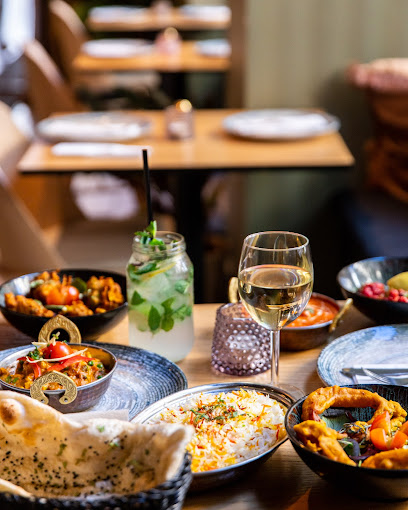
Streetfood Esbjerg
0.4 km
Vibrant food hall in Esbjerg’s old theatre, blending global street kitchens, craft beer bars and cozy communal spaces under one lively city-centre roof.
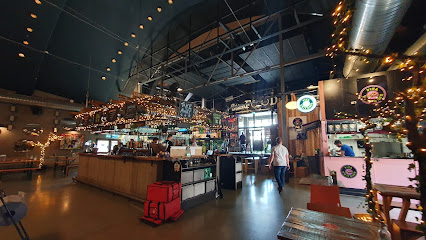
Viet Kitchen
0.4 km
Casual Vietnamese comfort food on Esbjerg’s main shopping street, serving steaming pho, fresh spring rolls and noodle dishes in a simple, welcoming setting.

Bluesette / Esbjerg Streetfood
0.4 km
Crêpes and community in Esbjerg's restored theater turned vibrant food hall.
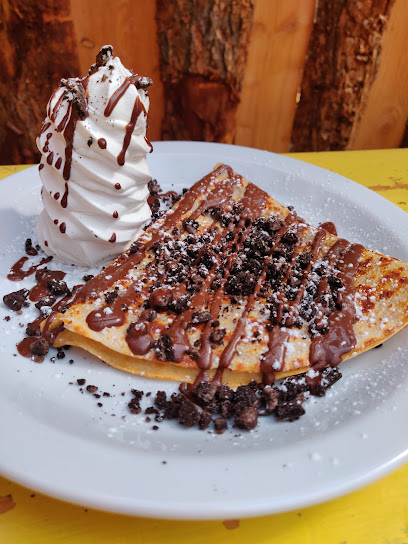
HONGKONG restaurant
0.4 km
Unfussy Chinese comfort food in the heart of Esbjerg’s main pedestrian street, serving generous plates of noodles, rice and stir‑fries at wallet‑friendly prices.
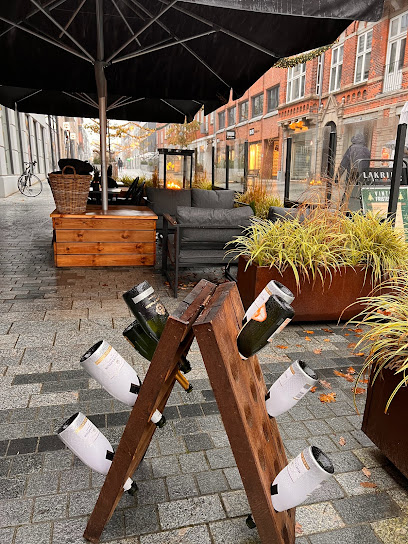
4oo Grader
0.4 km
Blistered Neapolitan-style pizzas fired in a stone oven inside Esbjerg Street Food, bringing Italian warmth and casual dining to bustling Kongensgade.
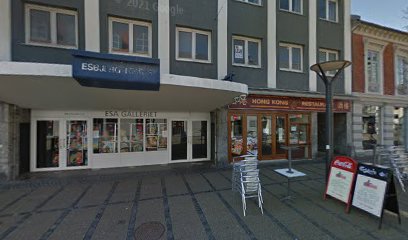
Restaurant Posthuset
0.4 km
Bustling café, brasserie and bar in Esbjerg’s old post office, serving brunch, classics and cocktails from morning coffee to late‑night gatherings on the square.
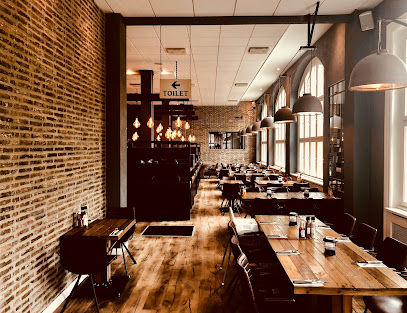
delekonceptet
0.4 km
Intimate sharing-based dining where small plates and conversation create unforgettable evenings.
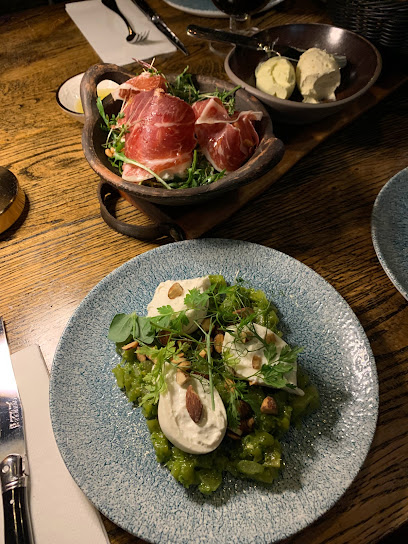
Markets, malls and hidden boutiques

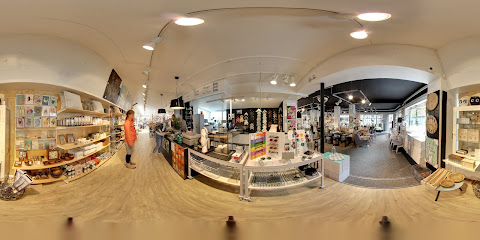
Incado City Roholt
0.3 km
Denmark's premier creative supply destination where artists find inspiration, materials, and community.
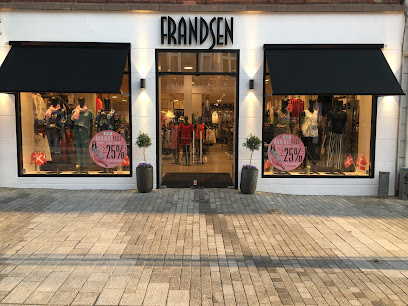
Frandsen
0.3 km
Intimate women’s fashion boutique on Esbjerg’s main shopping street, offering classic Scandinavian-inspired styles, outerwear and coordinated outfits in a relaxed setting.
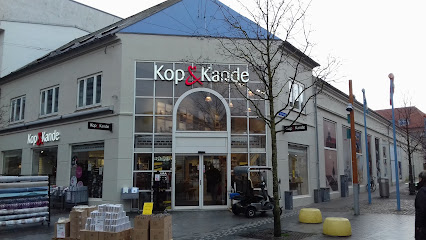
Kop & Kande
0.3 km
Bright, central Esbjerg homeware and gift shop specialising in practical Scandinavian design, quality kitchen tools and thoughtfully wrapped presents for any occasion.
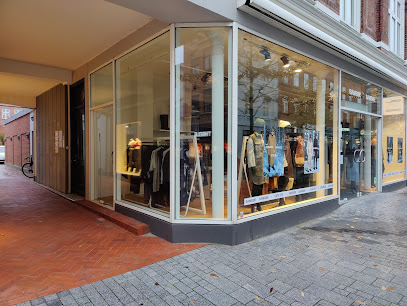
Samsøe Samsøe - Esbjerg
0.3 km
Minimalist Scandinavian fashion where timeless design meets contemporary Nordic elegance.
Kaufmann
0.3 km
Polished menswear and attentive styling advice on Esbjerg’s main pedestrian street, offering everything from sharp suits to coastal-ready casualwear for men.
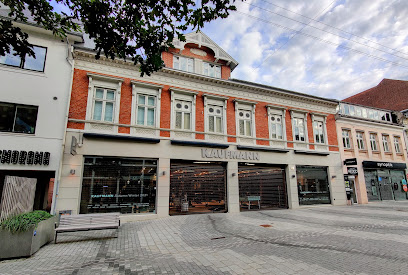
Only
0.4 km
Trend-forward fashion for young women who refuse to be defined by a single style.
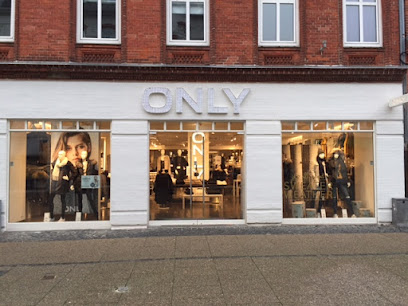
Coast Women
0.4 km
A polished multibrand women’s fashion boutique on Esbjerg’s main shopping street, blending Nordic ease, international labels and attentive personal service.
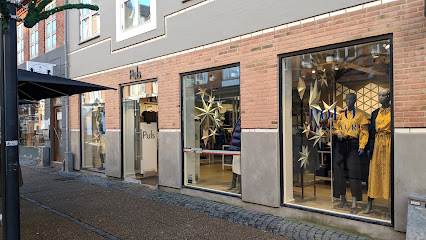
Zizzi - Esbjerg
0.4 km
Size-inclusive women’s fashion on Kongensgade, offering modern plus-size clothing, friendly styling advice and a focused wardrobe edit in central Esbjerg.
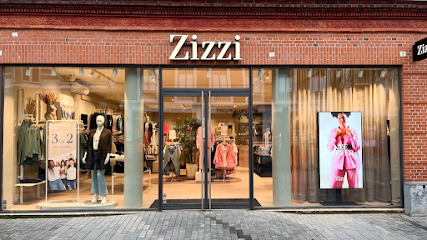
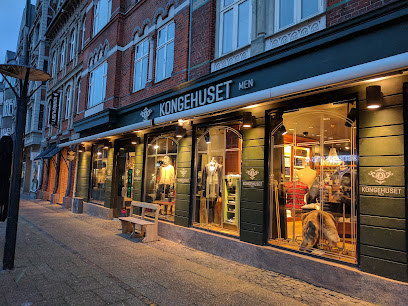
Kongehuset
0.4 km
Curated fashion and quality outerwear in a handsome historic corner store on Esbjerg’s main pedestrian street, blending Scandinavian style with international brands.
Boutique Elenor
0.4 km
A small, stylish clothing boutique on Kronprinsensgade, offering a curated alternative to big-brand shopping in the heart of Esbjerg’s lively city center.
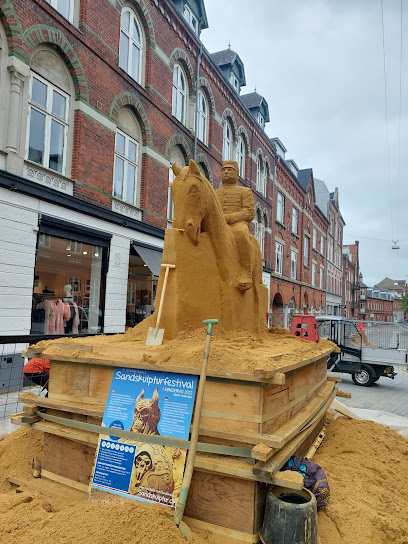
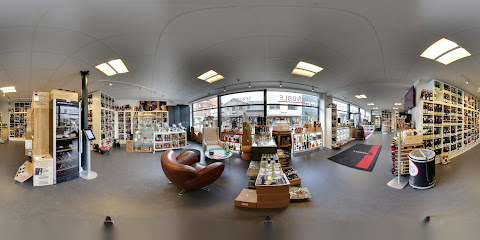
SLIK FOR VOKSNE
0.4 km
Playful by name and refined in taste, SLIK FOR VOKSNE is Esbjerg’s grown‑up candy store for wine, spirits, chocolate and beautifully wrapped gourmet gifts.
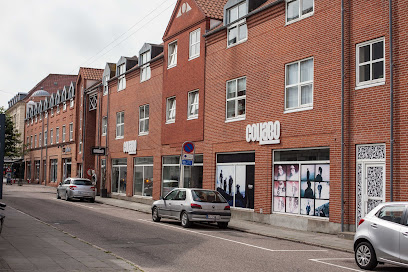
Collabo
0.4 km
Core skateshop and streetwear hub in central Esbjerg, blending Scandinavian simplicity with global board culture, sneakers and subculturally inspired apparel.
By Lene
0.4 km
Intimate women’s fashion boutique on Esbjerg’s main shopping street, offering Scandinavian-inspired clothing and accessories in a calm, modern setting.

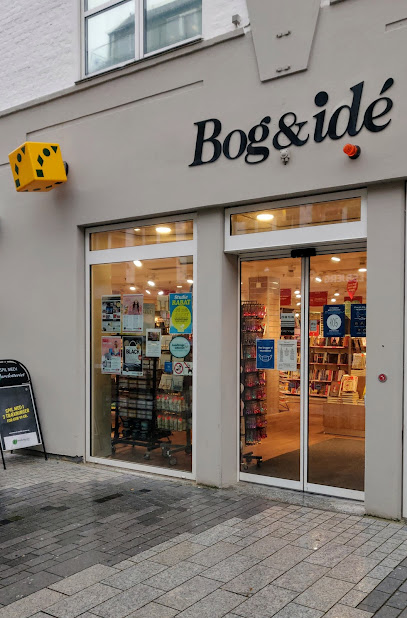
Bog & idé Esbjerg
0.4 km
Bright, central book and gift shop on Kongensgade with Danish titles, games and stationery, ideal for a relaxed browsing break in Esbjerg’s main shopping street.
Rød og Hvid
0.5 km
Quality children's clothing and expert service in the heart of Esbjerg's shopping district.

Essential bars & hidden hideouts

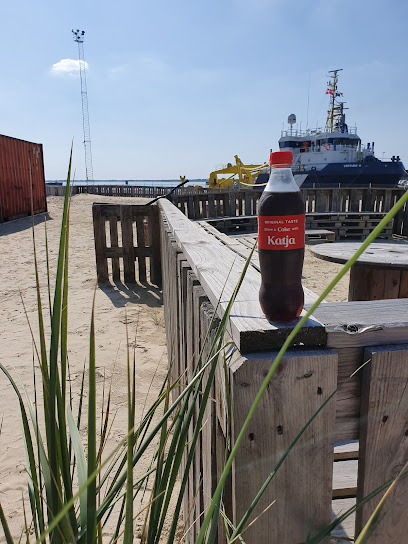
Dokken City Beach
0.3 km
A pocket of sand, deckchairs and drinks on Esbjerg Harbour, Dokken City Beach turns the working waterfront into a relaxed urban seaside escape.
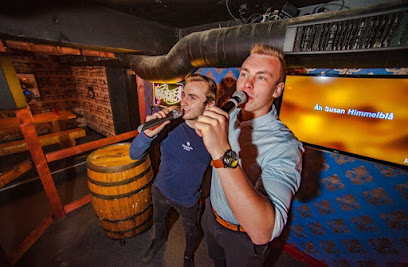
Pioner Bar Esbjerg
0.4 km
Late-night Esbjerg bar on Torvet with cheap cold beer, classic party hits from the ’80s to today, and a lively dance floor packed with locals and visitors.
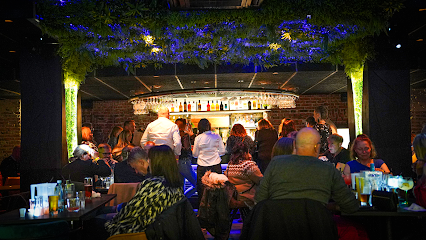
SoHo - Bar & Cocktails
0.4 km
Adults-focused cocktail bar tucked inside Esbjerg Street Food’s old theatre hall, pairing crafted drinks, modern design and a lively, central city atmosphere.
HomeRun Esbjerg
0.4 km
Lively gastro sports bar above Esbjerg’s main square, with wall-to-wall screens, bar games, casual bites and late-night energy on weekends.
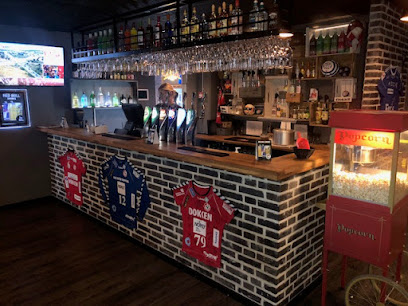
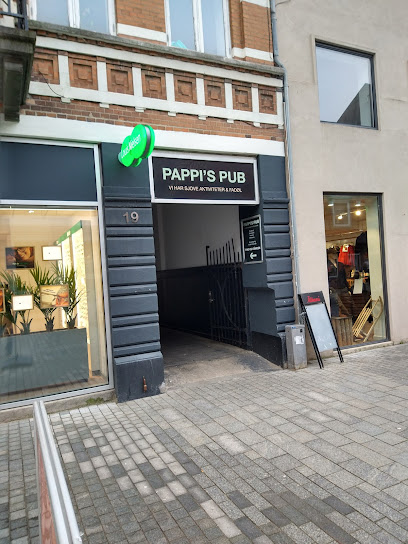
Pappi's pub
0.5 km
Unpretentious, drinks-first bar on Kongensgade offering a simple Danish pub vibe, easy prices and a central stop-off point in the heart of Esbjerg.
Dowdi Pub Bar
0.5 km
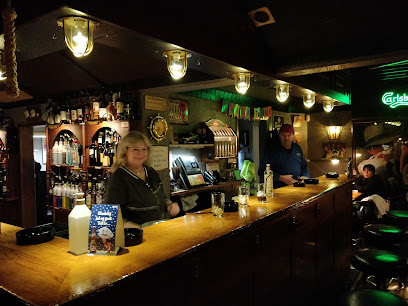
Old-school brown pub in central Esbjerg with inexpensive beers, wood‑panelled charm and a relaxed, local crowd from daytime regulars to late‑night lingerers.
James Bond Esbjerg
0.5 km
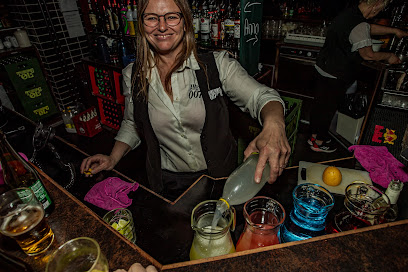
Late-opening dance bar on Skolegade in Esbjerg, where a mature crowd sings along to classic hits and keeps the party going until early morning.
Kasket Karl
0.5 km
Legendary Esbjerg pub on Skolegade, pouring beer and hosting darts, dice and laid‑back evenings since 1975 in a warmly lit, unpretentious setting.
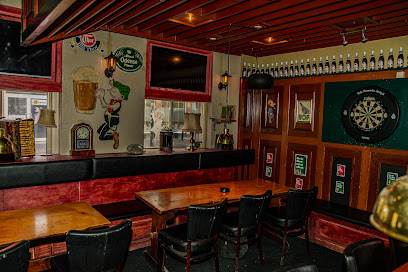
Industrien
0.5 km
Historic Danish bar where 130+ years of tradition meets contemporary hospitality on Esbjerg's vibrant Skolegade.
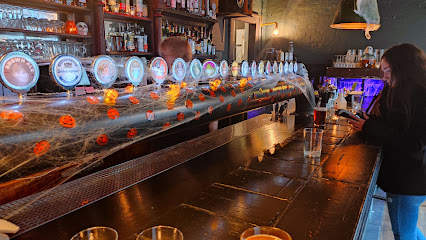
King George
0.5 km
Esbjerg's beloved beer hall where Danish tradition, lively atmosphere, and authentic hospitality converge on Skolegade.
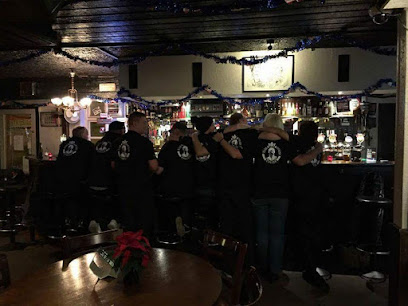
Skræddergården Esbjerg ApS
0.5 km
Adult-friendly dance bar in Esbjerg’s Skolegade nightlife strip, mixing DJ sets, live music nights and easygoing drinks in a former tailor’s house.
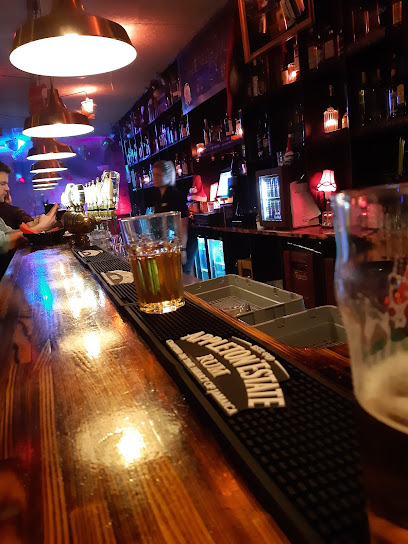
Rustik - Bar & Natklub
0.5 km
High‑energy bar and nightclub on Esbjerg’s Skolegade, mixing industrial style, cocktails and a tightly packed dance floor late into the night.
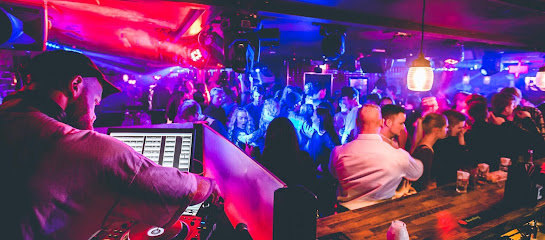
Vinbaren
0.5 km
Intimate, dimly lit and disarmingly casual, Vinbaren is Esbjerg’s brown-bar style wine hangout for late-night chats, cheap pours and the occasional close-up concert.
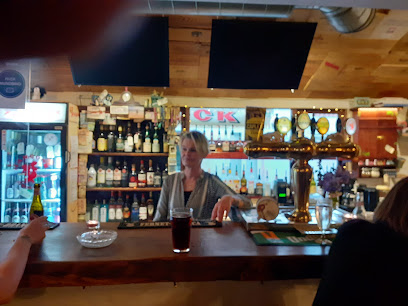
Bjælkehytten - En Vestjysk BierBar
0.5 km
Timber-clad, late-opening beer hut on Esbjerg’s Skolegade, serving easygoing brews and shots in a cosy, West Jutland party atmosphere at the heart of nightlife.
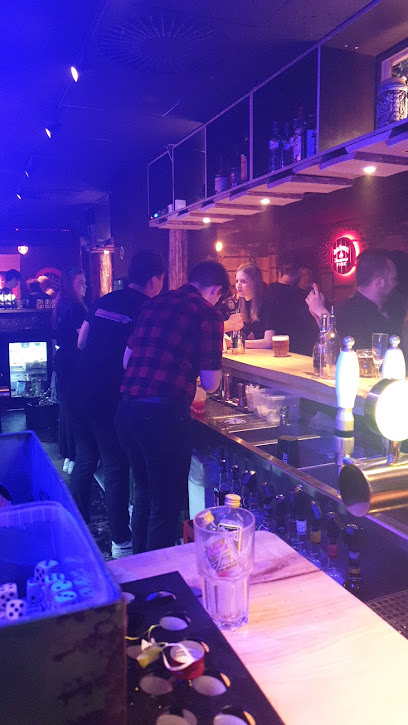
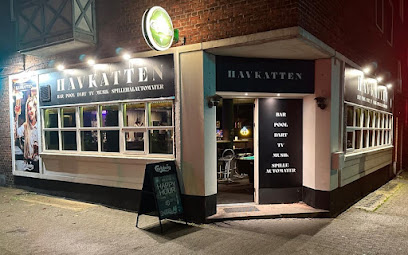
Havkatten
0.9 km
Old-school Esbjerg harbour bar with 80s tunes, pool, darts and everyday prices, offering a relaxed window into the city’s down-to-earth nightlife.
Nightclubs & after hour spots

No.31 - Bar & Natklub
0.5 km
Compact, high-energy nightclub on Esbjerg’s Skolegade, blending late-night bar vibes, loud DJ sets and a youthful dance floor in the heart of the city.
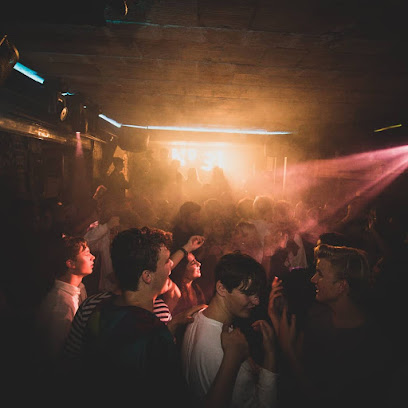
NewsBar - Shakespeare Nightclub & Eventhouse
40.1 km
Ølgod's premier nightclub and event venue, where celebration and community connection meet.
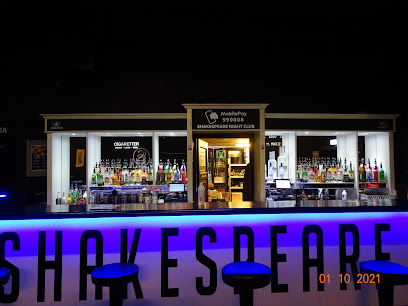
Romo Golf Links
42.6 km
Romo Golf Links offers an authentic coastal golf experience amid the windswept dunes and wild beauty of Rømø, blending challenging play with stunning North Sea views.
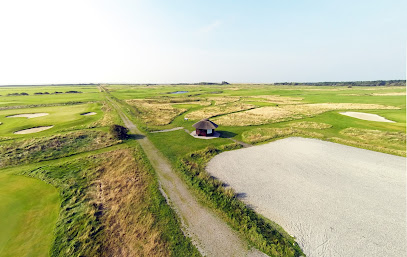
Crazy Daisy Vejen
43.5 km
High-energy disco club in central Vejen, bringing late-night music, dancing and big-city nightclub vibes to a compact South Jutland town.
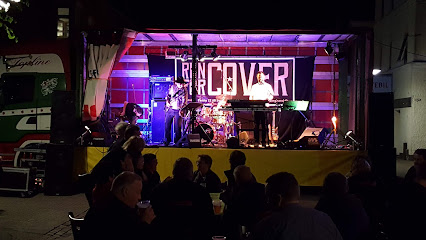
Liglad Day & Nightlife
44.5 km
Compact late-night club on Grindsted’s main street, mixing local vibes, DJs and simple drinks for weekend nights that run into the early hours.
Fishi
50.5 km
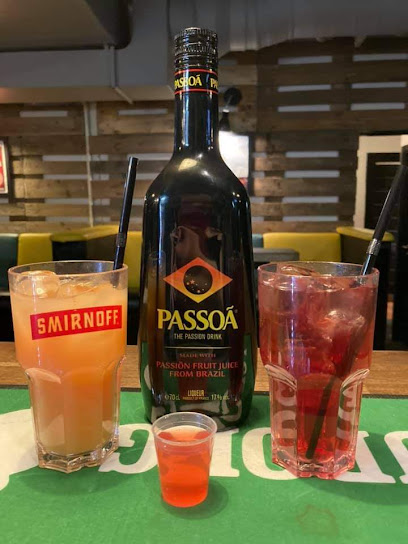
Compact, no-frills nightclub in Vejen with loud beats, simple drinks and a friendly small-town crowd that keeps the dance floor moving late into the night.

Rotes Kliff
57.2 km
Experience the vibrant nightlife of Rotes Kliff in Sylt, a premier disco club and cocktail bar perfect for unforgettable evenings.
Koldingtivet Engen
64.2 km
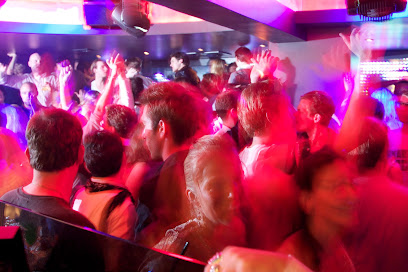
Compact Kolding disco where locals pack the dance floor, mainstream hits fill the speakers and late-night energy turns a modest venue into a full-bodied club night.
Al Capone
64.6 km
Tønder’s sole nightclub, Al Capone blends a rustic 1920s‑inspired mood, late‑night beats and strong drinks into an intimate speakeasy‑style party den.
P2 Champagne & Cocktail Tønder
64.6 km
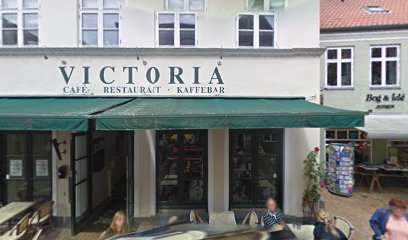
Intimate champagne and cocktail lounge bringing late-night sparkle and city-style glamour to the historic heart of Tønder.
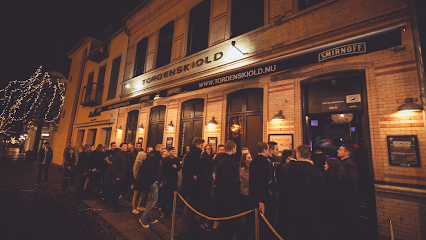
Discoteque Tordenskiold
64.8 km
Kolding's legendary two-floor discotheque and cultural institution since 1973.
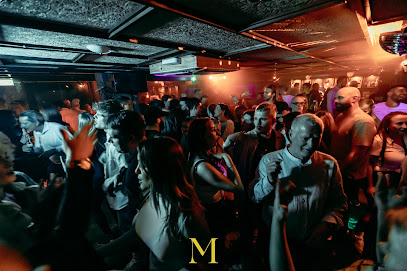
Mørks Kælder
64.9 km
Modern basement nightclub in central Kolding, pouring drinks and classic dance tunes for a grown-up crowd late into the weekend night.
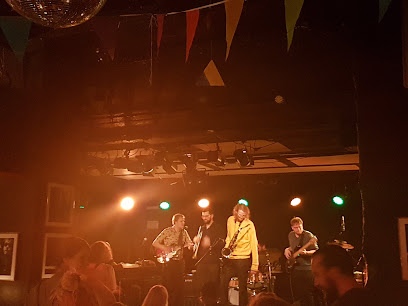
Pitstop
65.2 km
Small, central and loud, Pitstop is Kolding’s alternative live music stronghold, blending intimate gigs, late-night dancing and laid-back bar vibes in a historic building.
Jazz 6000
65.4 km
An essential stop in Kolding for jazz lovers, Jazz 6000 brings world-class live music, community spirit, and a cozy club atmosphere to southern Denmark.
Tucan Swinger & wellness Club
69.2 km
Adults-only swinger and wellness retreat in rural Jutland, blending erotic exploration, spa comforts and themed rooms in a discreet, rules-based environment.
For the vibe & atmosphere seeker
- Scenic
- Unique
- Casual
For the design and aesthetic lover
- Industrial Designs
- Modern Designs
For the architecture buff
- Modern
- Viewpoints
For the view chaser and sunset hunter
- Iconic Views
- Panoramas
For the social media creator & influencer
- Photo Spots
- Architectural Shots
- Instagrammable
For the eco-conscious traveler
- Low Impact
- Public-Transport Accessible
- Car-Free Access
For the kind of experience you’re after
- Photowalk
- Adventure Photo Shoot
- Roadtrip Stop
- Day Trip
For how adventurous you want the journey to be
- Easy Access
Location Audience
- Family Friendly
- Senior Friendly
- Child Friendly
- Teen Friendly
- Solo Friendly
- Couple Friendly
- Solo Female Friendly


