Sleeping Giants: The WWII Bunkers of Fanø
Explore Fanø’s atmospheric WWII bunkers—historic fortifications nestled in windswept dunes, offering a unique blend of war history and stunning North Sea scenery.
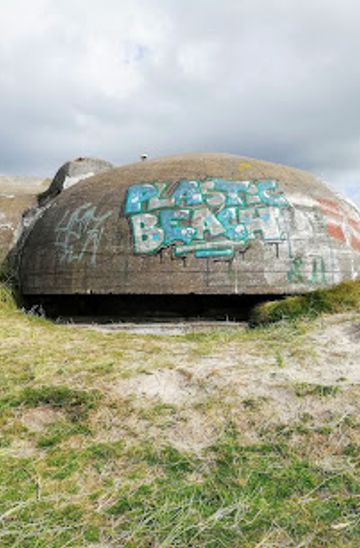
The Bunkers on Fanø, scattered along the island’s western dunes, offer a haunting yet peaceful reminder of World War II’s Atlantic Wall. These concrete fortresses, now softened by time and wind-sculpted landscapes, invite visitors to explore their weathered chambers, connecting with history amid sweeping seaside vistas.
A brief summary to Bunkers on Fanø
- Fanø, 6720, DK
Local tips
- Bring a flashlight, as interiors can be dark and uneven underfoot.
- Visit at low tide for the best access; some bunkers may be partially covered or surrounded by water after storms.
- Wear sturdy shoes—paths include sandy tracks, dunes, and grassy areas that can be slippery.
- Combine your visit with a beach walk for exceptional views and photo opportunities at sunset.
- Respect the structures—climbing on unstable roofs can be dangerous, and most interiors are left unmodified for authenticity.

Do you manage this location?
Take control to get all the benefits, like improved information, better appearance, and stronger visibility across AI-powered discovery. Learn more
Activate your presence
Getting There
-
Walking
From Fanø's central hub, it’s a pleasant 25–35-minute walk westward toward the island’s wide beaches. The bunkers become visible as you approach the dunes near Sønderho or Nordby, with paths winding through open countryside and along grassy ridges. There is no admission charge, and the open landscape makes the bunkers easy to spot on the horizon.
-
Bicycle
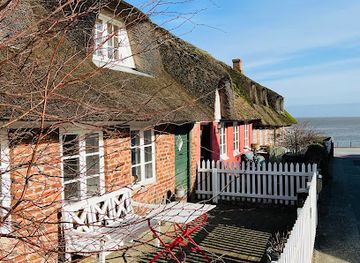
Cyclists can follow well-marked island cycle routes from Nordby square toward the western coast—expect a 10–15-minute ride through flat meadows and past traditional thatched houses before sandy tracks lead into the dune area. Bicycles can be rented locally in Fanø’s main villages, with typical rates around 110–150 DKK per day.
-
Taxi
A taxi from the ferry port in Nordby to the bunker area on Fanø’s west coast usually takes around 10 minutes and costs approximately 80–100 DKK. Taxis may need to drop visitors at the nearest car park, as vehicle access to the bunkers is restricted to protect the dunes.
-
Driving/Parking
Drivers can use public beach parking areas west of Nordby or Sønderho, for a small daily fee (typically 15–20 DKK or included with seasonal passes). From the parking area, sandy footpaths wind through dunes for a gentle 5–10-minute walk to the nearest bunkers. Parking can be full in summer, and vehicle access onto the actual beach or dunes is prohibited.
Discover more about Bunkers on Fanø
Explore the best of what Bunkers on Fanø has to offer















More about Fano
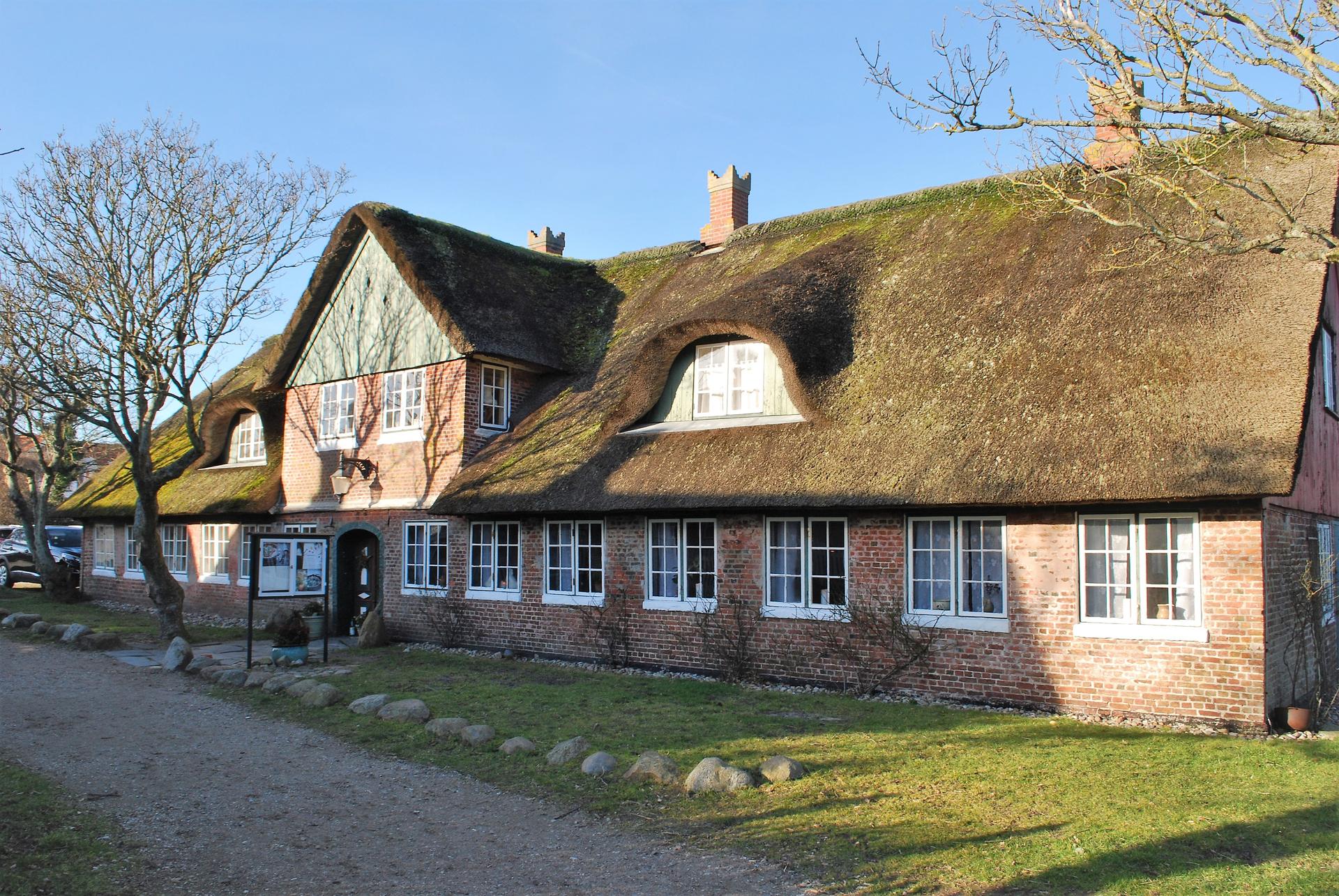
Discover Fanø, Denmark's hidden coastal gem, offering stunning beaches, charming villages, and rich wildlife, perfect for a tranquil getaway and nature adventures.
Tell me more about Fano