

Esbjerg Printing Museum, Esbjerg Travel Guide
Free Guide: A compact, volunteer-run printing workshop where Esbjerg’s industrial past, letterpress craft and the art of ink on paper come vividly – and sometimes noisily – back to life.


A brief summary of Esbjerg Printing Museum
A compact, volunteer-run printing workshop where Esbjerg’s industrial past, letterpress craft and the art of ink on paper come vividly – and sometimes noisily – back to life.
Tucked into a modest building in central Esbjerg, the Printing Museum is a hands-on tribute to the age of lead type, inky fingers and clattering presses. Run by passionate volunteers, this small technical museum preserves working letterpress machines, typesetting equipment and printing tools that trace the evolution of local newspaper, book and poster production through the 19th and 20th centuries. It is an intimate, curiosity-sparking stop for design lovers, history buffs and anyone intrigued by how ideas became ink on paper.
On-site amenities
 Restrooms
 Seating areas
 Trash bins
 Information boards
- Address
- Borgergade 6, 6700 Esbjerg
- Phone
- Website
Getting there
Train and short walk from Esbjerg Station
Local bus within Esbjerg
Car or taxi to central Esbjerg
Discover more about Esbjerg Printing Museum
A workshop of ink, metal and stories
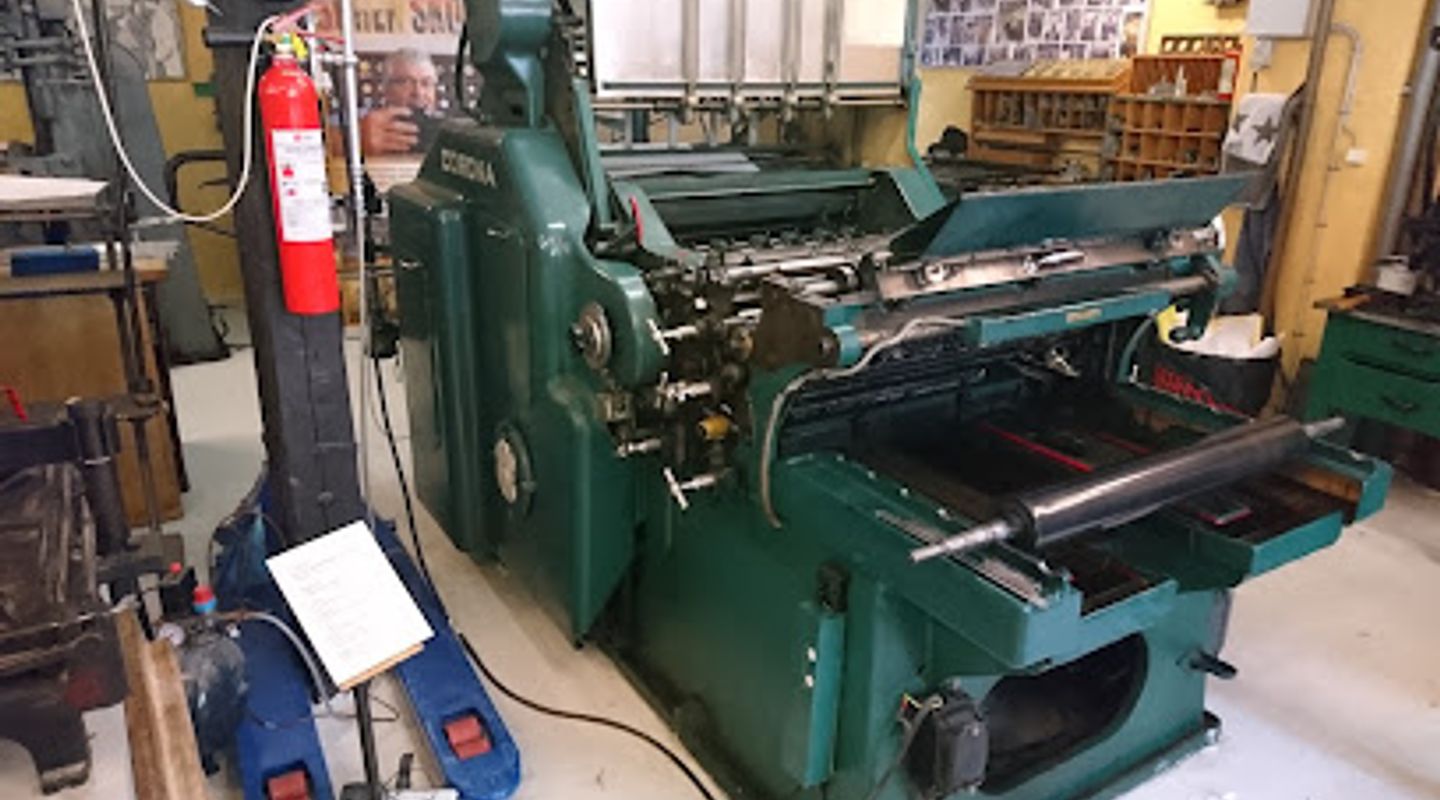
Step inside Esbjerg Printing Museum and you walk straight into the world of traditional letterpress. The rooms are lined with heavy iron presses, trays of lead type and cabinets of wooden letters, all softly smelling of oil, metal and ink. This is not a polished design gallery but a genuine working environment preserved almost as it once was, where the mechanics of printing are laid bare rather than hidden behind glass.The museum focuses on the era when printing moved from manual hand presses into larger mechanical machines that could keep pace with a growing town and its appetite for news, books and ephemera. Labels and demonstrations connect these machines to the daily life of Esbjerg, from local newspapers and leaflets to business cards and tickets.
From handset type to clattering presses
One of the most engaging aspects of the museum is the journey it traces from painstakingly handset lines of lead type to faster mechanical typesetting and printing. Drawers filled with tiny letters show how printers once built each word, while larger composing stones reveal how entire pages were laid out and locked into place before printing.Nearby stand linotype or similar machines that automated much of this work, their intricate keyboards and molten metal mechanisms hinting at the technological leap they represented. In the press room, large letterpress machines demonstrate how ink is transferred to paper in rhythmic, almost hypnotic motion, conveying both the power and the delicacy involved in getting each impression just right.
Newspapers, pamphlets and bold posters
Beyond the machinery, the museum also highlights the printed products that shaped everyday communication. Examples of newspapers, pamphlets and posters reveal how typography, layout and illustration evolved across the 20th century, mirroring social and political changes in Denmark and beyond.Bold headline type, decorative fonts and colourful poster designs all tell stories about what needed to be seen and read quickly in a busy harbour town. Short explanatory texts help you understand not just how these items were made, but why certain formats and styles were chosen for news, advertising or official announcements.
Volunteer passion keeping skills alive
The heart of the museum lies in its volunteer team, many of whom have professional backgrounds in printing and typesetting. Their knowledge keeps the machines running and the techniques alive, from inking rollers correctly to adjusting pressure for a crisp impression. When they demonstrate a working press or set a line of type, you see skills that were once everyday trades now preserved as craft heritage.Their anecdotes bring abstract technology down to human scale: tales of night shifts to get the morning paper out, the smell of hot metal in summer, or the satisfaction of seeing a freshly printed sheet hang up to dry. This personal link turns the museum into a living memory bank of the printing trade.
A compact visit with quiet creative charm
Esbjerg Printing Museum is small enough to explore comfortably in under two hours, yet detailed enough to reward a slower, more curious visit. It invites you to notice the shapes of letters, the texture of paper and the engineering elegance of mechanical solutions to a simple challenge: putting words on a page.Graphic designers, typography fans and families with older children often find plenty to discuss here, from vintage logos to the feel of embossed ink. Combined with other cultural sights in central Esbjerg, it makes a characterful stop that adds depth and historical texture to a day in the city.
Evendo Review Centre
 Google
Guest reviews
Best time to go
Quietest: Jan, Feb & Dec · before 10am or at 6pm
Busy times are Evendo estimates for a typical year, to help you plan. Actual crowds vary with events, school holidays and the weather.
Explore Esbjerg Printing Museum on the map
A handpicked selection of must-see spots near Esbjerg Printing Museum, mapped for you.
Get your free copy of our complete guide to Esbjerg Printing Museum, delivered straight to you.
Everything on this page, from opening hours and how to get there to Eve’s tips and the best time to go, in one PDF you can read offline, print or share.
Already have an account? Sign in
Your Esbjerg Printing Museum guide is ready.
We'll send it to · Not you? Sign out

Getting your guide ready…
We are putting together a fresh copy of the Esbjerg Printing Museum guide. This can take up to a minute.
This can take a few moments. If your browser asks, choose Allow so the download can start. You'll find the guide in your Downloads folder.
Nothing happened? Download it again
Sorry, the guide is taking longer than usual. Please try again in a minute, or get it by email instead.
Other nearby places you may find interesting
The closest places of the same kind, if this one is not quite what you had in mind.
-
-
-
-
-


Swipe for more places
More to explore near Esbjerg Printing Museum
-
 Best experiences near Esbjerg Printing Museum
-
 Best hotels near Esbjerg Printing Museum
-
 Best landmarks near Esbjerg Printing Museum
-
 Best attractions near Esbjerg Printing Museum
-
 Best shops near Esbjerg Printing Museum
-
 Best restaurants near Esbjerg Printing Museum
-
 Best bars near Esbjerg Printing Museum


Do you manage this location?
Take control to get all the benefits, like improved information, better appearance, and stronger visibility across AI-powered discovery.
Explore more

Explore more of Esbjerg
Discover Esbjerg: A coastal city in Denmark known for its maritime heritage, stunning sculptures, and vibrant downtown, offering something for every traveler.
Explore Esbjerg
Explore more of Denmark
Discover Denmark: A perfect blend of history, modern design, and the cozy concept of hygge. Explore vibrant cities, serene landscapes, and world-class cuisine.
Explore Denmark
