
Knuthenborg Safaripark, Falster Travel Guide
Drive among giraffes, meet rescued elephants and wander a roaring Dinosaur Forest in Northern Europe’s largest safari park on the Danish island of Lolland.
Knuthenborg Safaripark on the island of Lolland is Northern Europe’s largest safari park, where more than a thousand animals roam across sprawling savannahs, forests and lakesides. You drive among giraffes, zebras and antelope, then step out to explore themed zones like Tiger Forest, Wolf Woods and the Elephant enclosure for retired circus elephants. Add the Dinosaur Forest, the Museum of Evolution and the action‑packed Limpopoland playgrounds, and you have a full, family‑friendly day in wild Danish nature.
A brief summary to Knuthenborg Safaripark
- Knuthenborg Alle 1, Maribo, 4930, DK
- Click to display
- Click to display
- Duration: 4 to 8 hours
- Mid ranged
-
 Outdoor
- Mobile reception: 4 out of 5
- Monday 10 am-5 pm
- Tuesday 10 am-5 pm
- Wednesday 10 am-5 pm
- Thursday 10 am-5 pm
- Friday 10 am-5 pm
- Saturday 10 am-5 pm
- Sunday 10 am-5 pm

Know before you go
Hi, I'm Eve. Here are a few practical things to know before exploring Knuthenborg Safaripark.
- Plan at least a full day; the safari routes, Dinosaur Forest, Museum of Evolution and Limpopoland together can easily fill 5–7 hours without feeling rushed.
- Arrive close to opening time in high season for calmer animal encounters and shorter waits at popular rides like Congo Splash and Kampala Express.
- Bring layers, sunscreen and rain gear; much of the experience is outdoors and weather can change quickly, even in summer.
- Pack a picnic if you like flexible mealtimes, but also sample the on‑site cafés or Restaurant Flintehuset for hot meals and snacks.
- If you want a deeper experience, consider an overnight stay in one of the safari camps to enjoy quieter evening access and views of the animals after hours.
Do you manage this location?
Take control to get all the benefits, like improved information, better appearance, and stronger visibility across AI-powered discovery. Learn more about listing your business on Evendo
Activate your presenceOther nearby places you may find interesting
The closest places of the same kind, if this one is not quite what you had in mind.
Explore Knuthenborg Safaripark on the Map
A handpicked selection of must-see spots near Knuthenborg Safaripark, mapped for you.
Getting There
-
Car from Copenhagen and Zealand
Driving from Copenhagen or most parts of Zealand is the simplest way to reach Knuthenborg Safaripark. The journey typically takes about 1.5–2 hours from central Copenhagen, using the fixed bridge connection to Lolland. Expect standard motorway conditions for most of the route, followed by well‑signposted regional roads to the park entrance. Parking is plentiful and included in the visit; there is no extra fee to bring your car into the safari areas, but standard park admission is required per person.
-
Train and bus via Maribo
If you rely on public transport, travel by regional train to Maribo Station on Lolland, then continue by local bus or taxi to Knuthenborg Safaripark. The train from Copenhagen to Maribo generally takes around 1.5–2 hours with a change, and a combined one‑way ticket within eastern Denmark usually falls in the range of 160–260 DKK per adult depending on time and ticket type. From Maribo, allow about 10–20 minutes by taxi or bus; taxis cost more but are convenient if services are infrequent outside peak season.
-
Bicycle from Maribo area
For a low‑impact option, visitors already staying near Maribo sometimes cycle to the park. The ride from town to the entrance typically takes around 20–35 minutes at a relaxed pace, using regular country roads with gentle terrain. This option is best for confident cyclists, as there are limited dedicated cycle paths on the final approach and conditions vary with weather and traffic. Locking stands are usually available near the entrance, but bikes are not used inside the safari drive‑through zones.
For the on-the-go comforts that matter to you
-
 Restrooms
-
 Drink Options
-
 Drinking Water
-
 Food Options
-
 Seating Areas
-
 Sheltered Areas
-
 Picnic Areas
-
 Trash Bins
-
 Information Boards
-
 Visitor Center
Discover more about Knuthenborg Safaripark
Wildlife on the Lolland Savannah
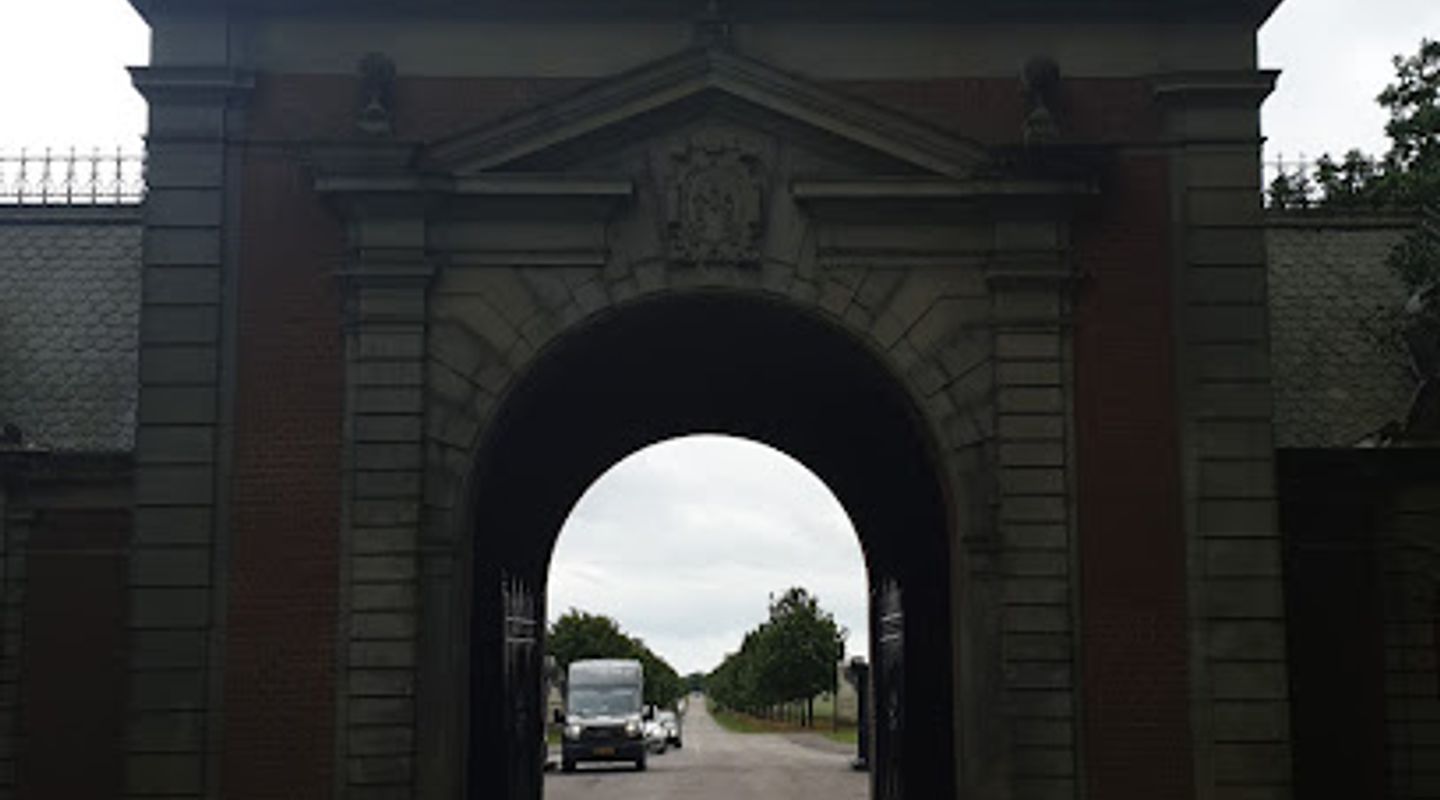
Knuthenborg Safaripark transforms a historic manor estate on Lolland into a wide open wildlife reserve, where long avenues of old trees lead into vast grasslands alive with hooves and horns. The park is famed as Northern Europe’s largest safari park, and it feels that way: as soon as you roll through the gates you are surrounded by open vistas, woodlands and small lakes rather than traditional zoo enclosures.Most visitors begin with the drive‑through savannahs, where herds of zebras, antelopes and bison graze together while giraffes stride above them. Separate zones recreate different regions of the world, from African grasslands to cooler European forest. In some areas you remain in your vehicle for safety, while in others you can park and explore on foot, watching animals at closer range without the barrier of bars.Tigers, Wolves and Rescued Giants
Predators and heavyweights have their own dramatic settings here. Tiger Forest and Wolf Woods are laid out as dense, semi‑wild landscapes, where viewing shelters and boardwalks let you see striped and white‑furred hunters pacing through long grass, lazing on rocks or listening from the treeline. Timed feedings and keeper talks add context about behaviour, conservation and the challenges these species face in the wild.One of the most distinctive areas is the spacious facility for former circus elephants. Here, retired animals wander open paddocks with ponds, mud and shade, a conscious contrast to the confined conditions they once knew. Watching them bathe, dust themselves and interact quietly is a slower, thoughtful counterpoint to the more adrenaline‑charged parts of the park, and underscores Knuthenborg’s role in modern animal welfare.Dinosaur Forest and the Story of Evolution
Beyond living animals, Knuthenborg reaches deep into prehistory. The Dinosaur Forest is a wooded trail populated with life‑sized, roaring dinosaur models that loom between the trees. Families wander past Triceratops, Tyrannosaurus and long‑necked sauropods while sound effects and foliage help imagine a world from more than 65 million years ago.Close by, the Museum of Evolution carries that story indoors. Here skeletons and fossils, including impressive dinosaur specimens, trace the arc of life on Earth from the earliest sea creatures to the age of mammals. Exhibits mix dramatic staging with scientific explanation, tying what you see outside on the savannah to a much longer natural history. It is an absorbing stop when the weather turns or legs need a pause from walking and climbing.Limpopoland and Playful Adventures
At the heart of the park lies Limpopoland, an energetic amusement area that feels like a separate day out. Water slides such as Congo Splash and the long Kampala Express ride send rafts racing down chutes, while a huge nature playground built in timber and rope invites climbing, swinging and jumping. Younger children can take on gentler play zones, while older ones gravitate to obstacle courses and high swings.Around the rides, cafés and kiosks provide easy meals, drinks and ice cream, and picnic tables are scattered among trees and grassy clearings. Between animal sections, rides and playgrounds, families naturally fall into a rhythm of driving, walking, playing and eating, making it easy to keep different ages happy over many hours.Nights on the Savannah and Seasonal Magic
For those who stay longer, Knuthenborg offers overnight camps tucked beside animal areas. Luxury tents and cabins overlook plains or big‑cat territories, so evenings include silhouettes of giraffes or the distant calls of lions rather than city noise. Guests often have extended access to selected zones like the elephant stable, Dinosaur Forest or certain animal viewpoints after regular closing time, when paths quieten and the park takes on a more intimate feel.Across the year, special openings change the atmosphere again. Autumn events such as After Dark keep the gates open into the evening, with illuminated trails and a different perspective on enclosures you may have seen in daylight. Seasonal hours mean most visits fall between late spring and autumn, when foliage is lush and animals are generally active, making Knuthenborg a rewarding centrepiece for a trip to Lolland‑Falster.












Your all‑in‑one travel companion app
Explore expert travel guides, compare and book tours, experiences, hotels, and more—all from the palm of your hand. Download now for seamless trip planning wherever your wanderlust takes you.


Explore More of Falster
Looking beyond Knuthenborg Safaripark? Discover Falster for broader travel guides, local hot-spots, and regional highlights.
Explore Falster
Open-air museum village in Maribo Lakes Nature Park where historic houses, a windmill and gardens bring 19th‑century rural life on Lolland-Falster vividly to life.
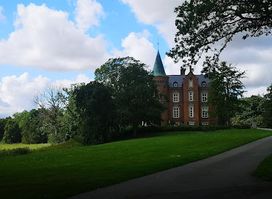
Drive through open savannahs, meet tigers and rhinos, wander among dinosaurs and stay overnight on the “savannah” at Denmark’s vast Knuthenborg Safaripark.
