Evolution Museet Travel Guide
Free Guide: World-class real dinosaur fossils and a 300-million-year journey through evolution, set inside Denmark’s Knuthenborg Safaripark on the island of Lolland.


A brief summary of Evolution Museet
World-class real dinosaur fossils and a 300-million-year journey through evolution, set inside Denmark’s Knuthenborg Safaripark on the island of Lolland.
Set inside Knuthenborg Safaripark on the island of Lolland, Evolution Museet (Museum of Evolution) is Denmark’s first dedicated dinosaur museum and one of Europe’s most impressive real-fossil collections. Spread across more than 1,000 m², the exhibition leads you through 300 million years of life on Earth, from strange Permian creatures to the age of giant dinosaurs and Ice Age mammals. Immersive light, sound and scent effects, plus spectacular skeletons like Allosaurus “Big Joe”, Torosaurus “Adam”, Lokiceratops and Archaeopteryx, make this a standout family-friendly highlight of the park.
On-site amenities
 Restrooms
 Drink options
 Drinking water
 Food options
 Seating areas
 Trash bins
 Information boards
 Visitor centre
Opening hours
- Every day10 am–5 pm
Opening hours as listed on the venue’s Google Business Profile. Hours can change for services and special events, so check with the venue before you go.
- Address
- Knuthenborg Park 6, 4941 Bandholm
Getting there
Car from Maribo or Lolland region
Train and bus via Maribo
Bicycle from nearby towns
Discover more about Evolution Museet
A journey through 300 million years of life
Evolution Museet, also known as the Museum of Evolution, sits within Knuthenborg Safaripark and tells the grand story of life on Earth over some 300 million years. Your visit begins in the deep past, before dinosaurs ever walked the planet, when life was still adapting to the harsh conditions of the Permian period. Fossils and reconstructions show how early land vertebrates emerged from the sea and began to conquer dry land, laying the foundations for the ecosystems we recognise today.From there, the exhibition guides you chronologically through the Triassic and into the classic dinosaur ages of the Jurassic and Cretaceous. Clear, engaging panels and bone maps help you understand how each skeleton fits into the evolutionary puzzle, while the layout makes it easy to follow the unfolding timeline of life.
World-class dinosaur skeletons up close
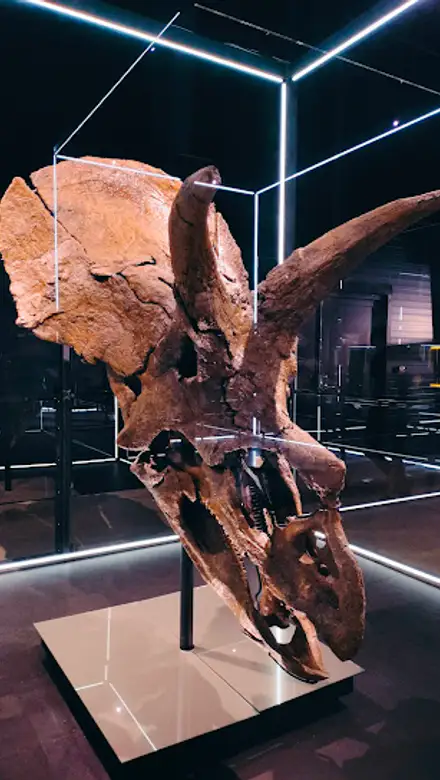
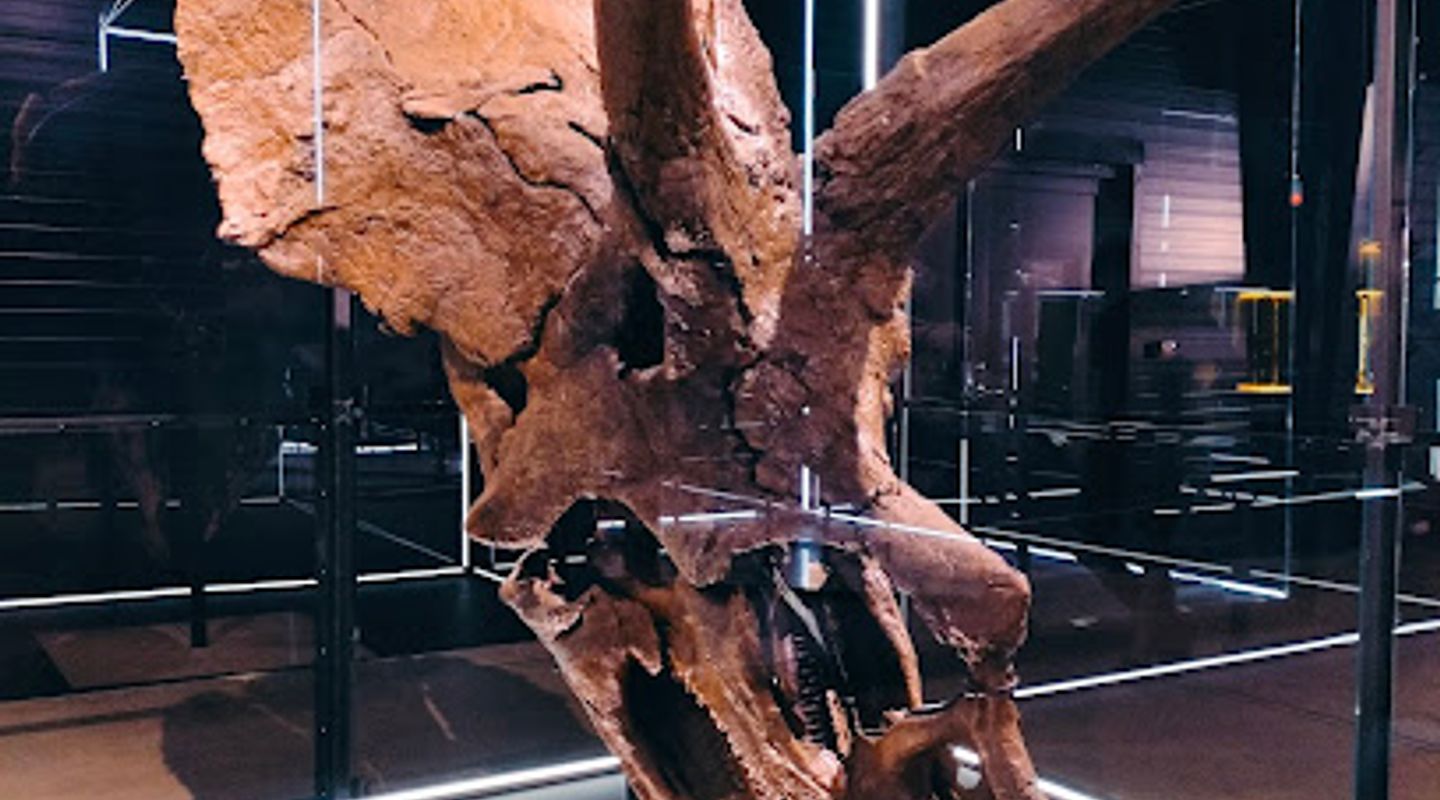
The heart of the museum is its exceptional collection of real dinosaur fossils, regarded as one of Europe’s strongest. Among the undisputed stars is Allosaurus “Big Joe”, around nine metres long and more than 95% complete, offering a rare, near-intact look at a powerful Jurassic predator. Nearby stands Torosaurus “Adam”, famous for having one of the largest known dinosaur skulls, its vast frill and horns dominating the gallery.Other show-stoppers include the holotype of Lokiceratops, known from this specimen alone, and a long-necked Camarasaurus, inviting you to imagine the sheer scale of these giants. Detailed labels explain the discoveries behind each fossil, how they were excavated, and what they reveal about dinosaur behaviour, growth and evolution.
From feathered fossils to Ice Age giants
Evolution Museet does not stop with the classic dinosaur giants. One of its rarest treasures is a specimen of Archaeopteryx, the iconic fossil that bridges the gap between non-avian dinosaurs and birds. Standing in front of this delicate imprint, you can literally see the transition between reptilian features and feathered wings, a cornerstone in understanding how flight evolved.Further along, the story jumps forward in time to the Ice Age, where towering skeletons of mammoths and giant ground sloths such as Eremotherium highlight an entirely different cast of megafauna. Together with Permian predators like Dimetrodon and other early reptiles, these displays emphasise that dramatic change and extinction have been recurring themes in Earth’s history.
Immersive multi-sensory storytelling
What sets Evolution Museet apart is its deliberate use of light, sound and even scent to deepen the experience. Galleries shift in colour and atmosphere as you move from underwater worlds to dense Jurassic forests or swampy Cretaceous lowlands. Soundscapes of distant thunder, insects, or unseen animals build a sense of place, while carefully chosen smells suggest bloody hunting scenes, damp earth or resinous forests.This multi-sensory approach is particularly engaging for younger visitors, who can sense different environments rather than just reading about them. Interactive elements and clear, family-friendly explanations make complex scientific ideas, like mass extinctions and evolutionary branching, tangible and memorable without overwhelming detail.
Linking fossils with the living safari park outside
A distinctive feature of the museum is its connection to the surrounding Knuthenborg Safaripark. Many exhibits draw parallels between extinct animals and modern species roaming the park, highlighting how today’s biodiversity is the latest chapter in a much longer story. Explanatory texts compare dinosaur herbivores with modern grazers, or prehistoric predators with today’s big cats.Because admission to the museum is included in the park ticket during normal opening seasons, it naturally becomes part of a wider day out among living animals, playgrounds and the nearby Dinosaur Forest with full-scale moving models. The museum’s indoor setting provides a welcome contrast to the outdoor safari, offering a sheltered, contemplative space where you can slow down and absorb the deep-time context behind the wildlife just outside.
Practical visit details and who it suits
The museum is open daily during the park’s season, typically from late morning to late afternoon, in line with Knuthenborg’s general 10:00–17:00 hours. Entry to Evolution Museet is included in the safari park admission rather than sold separately, making it excellent value if you plan to explore the wider grounds. The exhibition space covers more than 1,000 m², so you can comfortably spend one to two hours here as part of a full day in the park.Most areas are on a single level and designed with broad walkways, and the Permian building has ramp access, making it suitable for wheelchairs and strollers. Indoor climate control and seating spots along the route make it an appealing stop in changeable Danish weather. Whether you are a dedicated dinosaur enthusiast, a family with curious children or simply someone who enjoys vivid storytelling, Evolution Museet offers a rich, self-contained narrative of Earth’s past that rewards an unhurried visit.
Evendo Review Centre
 Google
Guest reviews
Best time to go
Quietest: Jan, Feb & Nov · before 9am or from 6pm
Busy times are Evendo estimates for a typical year, to help you plan. Actual crowds vary with events, school holidays and the weather.
Explore Evolution Museet on the map
A handpicked selection of must-see spots near Evolution Museet, mapped for you.
Get your free copy of our complete guide to Evolution Museet, delivered straight to you.
Everything on this page, from opening hours and how to get there to Eve’s tips and the best time to go, in one PDF you can read offline, print or share.
Already have an account? Sign in
Your Evolution Museet guide is ready.
We'll send it to · Not you? Sign out

Getting your guide ready…
We are putting together a fresh copy of the Evolution Museet guide. This can take up to a minute.
This can take a few moments. If your browser asks, choose Allow so the download can start. You'll find the guide in your Downloads folder.
Nothing happened? Download it again
Sorry, the guide is taking longer than usual. Please try again in a minute, or get it by email instead.
Other nearby places you may find interesting
The closest places of the same kind, if this one is not quite what you had in mind.
-
Labyrint Lolland-Falster Lose yourself in a leafy forest maze where quiz clues, gentle trails and fresh Lolland-Falster air turn getting lost into an easygoing family adventure.
-
Lupinmark A seasonal sea of lupins turning the Lolland farmland into a vivid carpet of color, perfect for a peaceful countryside pause and striking photographs.
-
Skelsnæs-pavillionen A restored 1822 forest pavilion on a lakeside promontory in Naturpark Maribosøerne, offering peaceful picnic shelter amid historic woods and bird‑rich waters.
-
Relic of the Castle Revshale Subtle grassy earthworks on Borgø Island where a forgotten royal fortress, fierce 13th‑century battles and the serene Maribo Lakes Nature Park meet.
-
Glentehøj A serene grass‑covered mound on Lolland, Glentehøj invites you inside a 5,000‑year‑old stone chamber for an intimate encounter with Denmark’s Neolithic past.
Swipe for more places
More to explore near Evolution Museet

 Best experiences near Evolution Museet
 Best hotels near Evolution Museet
 Best landmarks near Evolution Museet
 Best attractions near Evolution Museet
 Best shops near Evolution Museet
 Best restaurants near Evolution Museet
 Best bars near Evolution Museet
Do you manage this location?
Take control to get all the benefits, like improved information, better appearance, and stronger visibility across AI-powered discovery.
Explore more
Explore more of Lolland
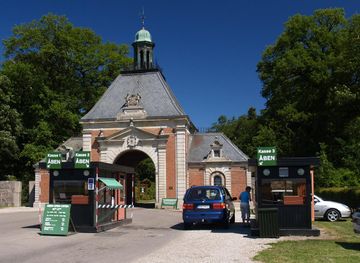
Discover Lolland, Denmark's tranquil island retreat, offering lush landscapes, historic sites, and delightful local cuisine for an unforgettable escape.
Explore Lolland
Explore more of Denmark
Discover Denmark: A perfect blend of history, modern design, and the cozy concept of hygge. Explore vibrant cities, serene landscapes, and world-class cuisine.
Explore Denmark