

Nykøbing Castle Travel Guide
Free Guide: Medieval fortress ruins where Danish kings ruled and Russian czars visited—a ghost of royal grandeur.


A brief summary of Nykøbing Castle
Medieval fortress ruins where Danish kings ruled and Russian czars visited—a ghost of royal grandeur.
The haunting remains of a 12th-century royal fortress on the island of Falster, Nykøbing Castle stands as a testament to Denmark's medieval power. Once as grand as Kronborg Castle, this strategic stronghold housed Danish royalty and witnessed pivotal moments in Nordic history before its demolition in 1763. Today, visitors can explore the atmospheric ruins and discover the castle's legacy through preserved tower remnants and historical markers scattered throughout the town.
On-site amenities
 Information boards
 Seating areas
 Trash bins
- Address
- Slotsgade, 4800 Nykøbing Falster
Getting there
Train from Copenhagen
Car via Frederick IX Bridge
Regional bus service
Bicycle from Lolland
Discover more about Nykøbing Castle
A Medieval Fortress of Royal Significance
Nykøbing Castle emerged in the late 12th century as a formidable defensive structure built to protect the settlement against Wends and rival powers. The fortress grew to rival Kronborg Castle in scale and grandeur, becoming one of Denmark's most important royal residences. The castle's strategic location on Guldborgsund, the strait separating the islands of Falster and Lolland, made it an ideal stronghold for controlling maritime trade and regional defense. Its imposing walls and towers dominated the landscape for nearly 600 years, shaping the identity of the town that developed around its fortifications.
Royal Residence and Political Center
Following the Reformation, Nykøbing Castle transformed into a favored residence for widowed Danish queens seeking refuge and independence. Queen Sophie, mother of Christian IV and widow of Frederick II, became particularly influential during her time here, establishing herself as a skilled entrepreneur and eventually becoming the wealthiest woman in Northern Europe. Her presence elevated the castle's cultural and economic importance, attracting German-speaking courtiers and merchants who enriched the town's character. The castle also hosted momentous royal events: King Christopher II died within its walls in 1332, and King Christian V was married there in 1667, cementing its place in Danish royal history.
The Czar's Visit and International Intrigue
In 1716, the castle gained international prominence when Peter the Great, Czar of Russia, visited Nykøbing Falster during a joint Danish-Russian military campaign against Sweden in the Great Nordic War. The Russian leader dined and likely stayed overnight at a local inn, an event so significant that the 1580s timber-framed building was subsequently renamed Czarens Hus (The Czar's House) in his honor. This visit symbolized the castle's importance as a diplomatic and military hub, connecting Denmark to the great powers of Europe. A bronze fountain, Bjørnebrønden (The Bear Well), was later erected in the town square to commemorate this historic encounter, becoming one of Nykøbing Falster's most iconic landmarks.
Demolition and Architectural Legacy
By the 18th century, the castle's fortunes declined. In 1763, facing severe financial difficulties, the Danish crown placed the castle and its surrounding crown lands on the market. When no suitable buyer emerged, the decision was made to demolish the structure. Rather than waste the substantial stone and materials, local builders repurposed the castle's construction elements to create manor houses and estates throughout Lolland-Falster, dispersing its physical legacy across the region. This pragmatic recycling meant that fragments of the once-mighty fortress became embedded in the architecture of the surrounding countryside.
Ruins and Remembrance Today
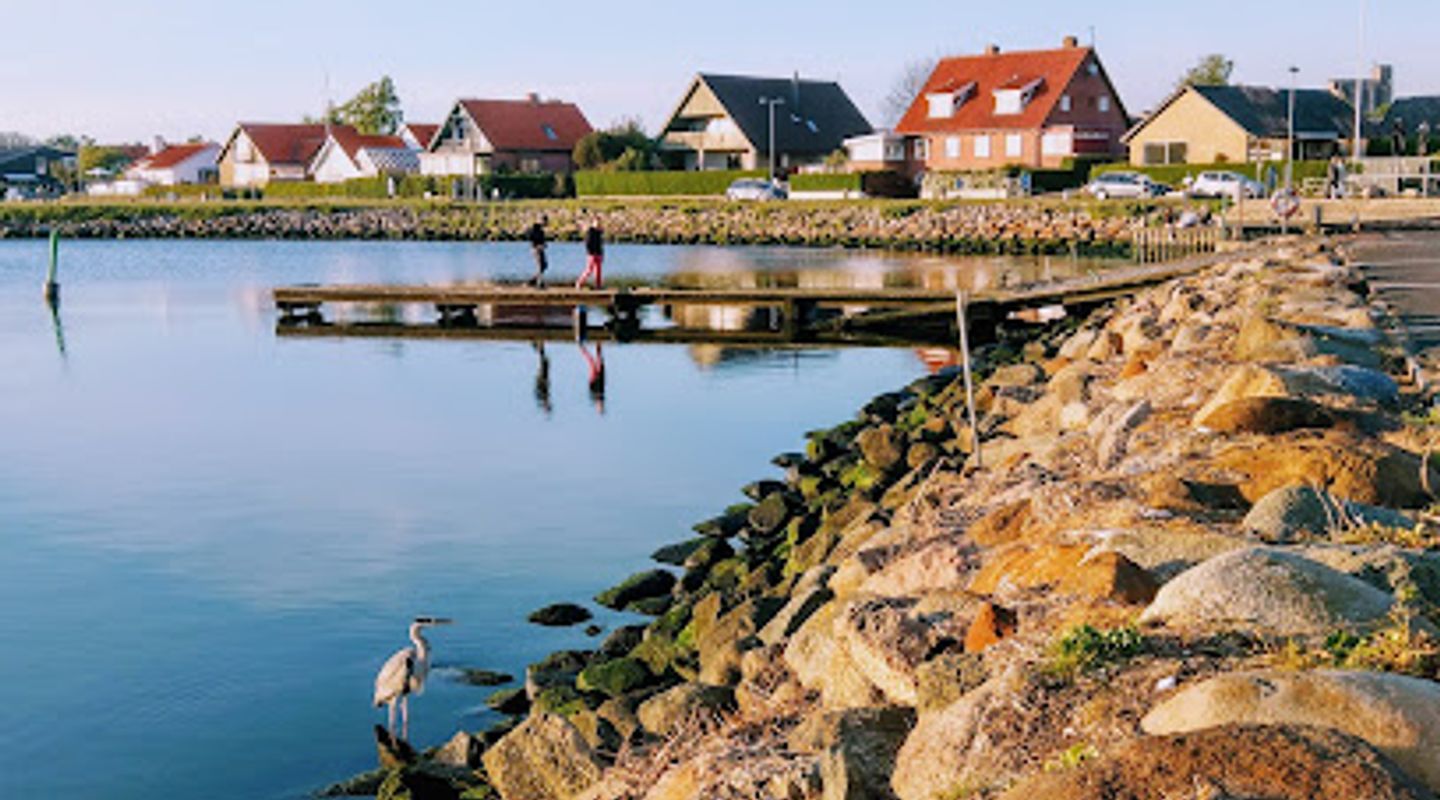
Today, only scattered remnants survive to tell the castle's story. The most recognizable feature is Fars Hat (Father's Hat), a single tower ruin visible at Slotsbryggen (The Castle's Dock) near the Nordisk Film cinema. Cobblestones embedded in the town streets mark the castle's original footprint, allowing visitors to trace its vast dimensions as they walk through the historic center. The Lolland-Falster Museum houses a detailed scale model of the complete castle, offering insight into its former magnificence. Guided city walks, particularly the popular "In the Footsteps of Queen Sophie" route, connect visitors with preserved stables, storehouses, and archaeological sites that once served the royal household, creating an immersive journey through medieval and early modern Danish history.
Evendo Review Centre
 Google
Guest reviews
Best time to go
Quietest: Jan, Feb & Nov · before 7am
Busy times are Evendo estimates for a typical year, to help you plan. Actual crowds vary with events, school holidays and the weather.
Explore Nykøbing Castle on the map
A handpicked selection of must-see spots near Nykøbing Castle, mapped for you.
Get your free copy of our complete guide to Nykøbing Castle, delivered straight to you.
Everything on this page, from opening hours and how to get there to Eve’s tips and the best time to go, in one PDF you can read offline, print or share.
Already have an account? Sign in
Your Nykøbing Castle guide is ready.
We'll send it to · Not you? Sign out

Getting your guide ready…
We are putting together a fresh copy of the Nykøbing Castle guide. This can take up to a minute.
This can take a few moments. If your browser asks, choose Allow so the download can start. You'll find the guide in your Downloads folder.
Nothing happened? Download it again
Sorry, the guide is taking longer than usual. Please try again in a minute, or get it by email instead.
Other nearby places you may find interesting
The closest places of the same kind, if this one is not quite what you had in mind.
-
-
-
-
-


Swipe for more places
More to explore near Nykøbing Castle

 Best experiences near Nykøbing Castle
 Best hotels near Nykøbing Castle
 Best landmarks near Nykøbing Castle
 Best attractions near Nykøbing Castle
 Best shops near Nykøbing Castle
 Best restaurants near Nykøbing Castle
 Best bars near Nykøbing Castle
Do you manage this location?
Take control to get all the benefits, like improved information, better appearance, and stronger visibility across AI-powered discovery.
Explore more

Explore more of Falster
Discover Falster: A blend of serene beaches, rich history, and lush landscapes in Denmark's southern island treasure.
Explore Falster
Explore more of Denmark
Discover Denmark: A perfect blend of history, modern design, and the cozy concept of hygge. Explore vibrant cities, serene landscapes, and world-class cuisine.
Explore Denmark
