Ejegod Windmill, Lolland Travel Guide
Denmark's most complete windmill ensemble—a 1816 Dutch mill with original miller's house, barn, and toy museum.
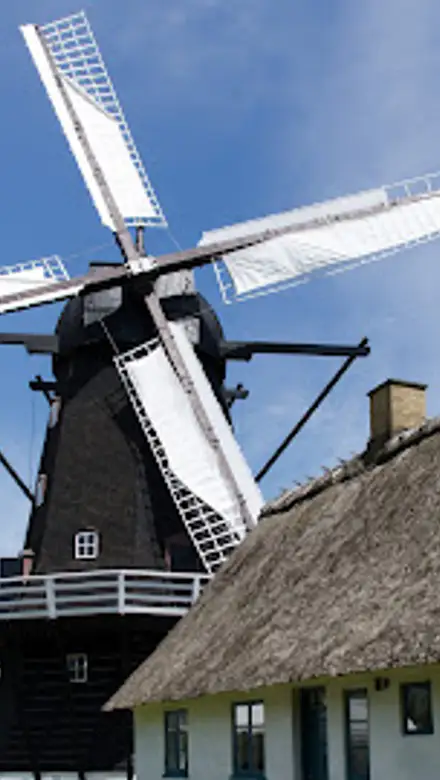
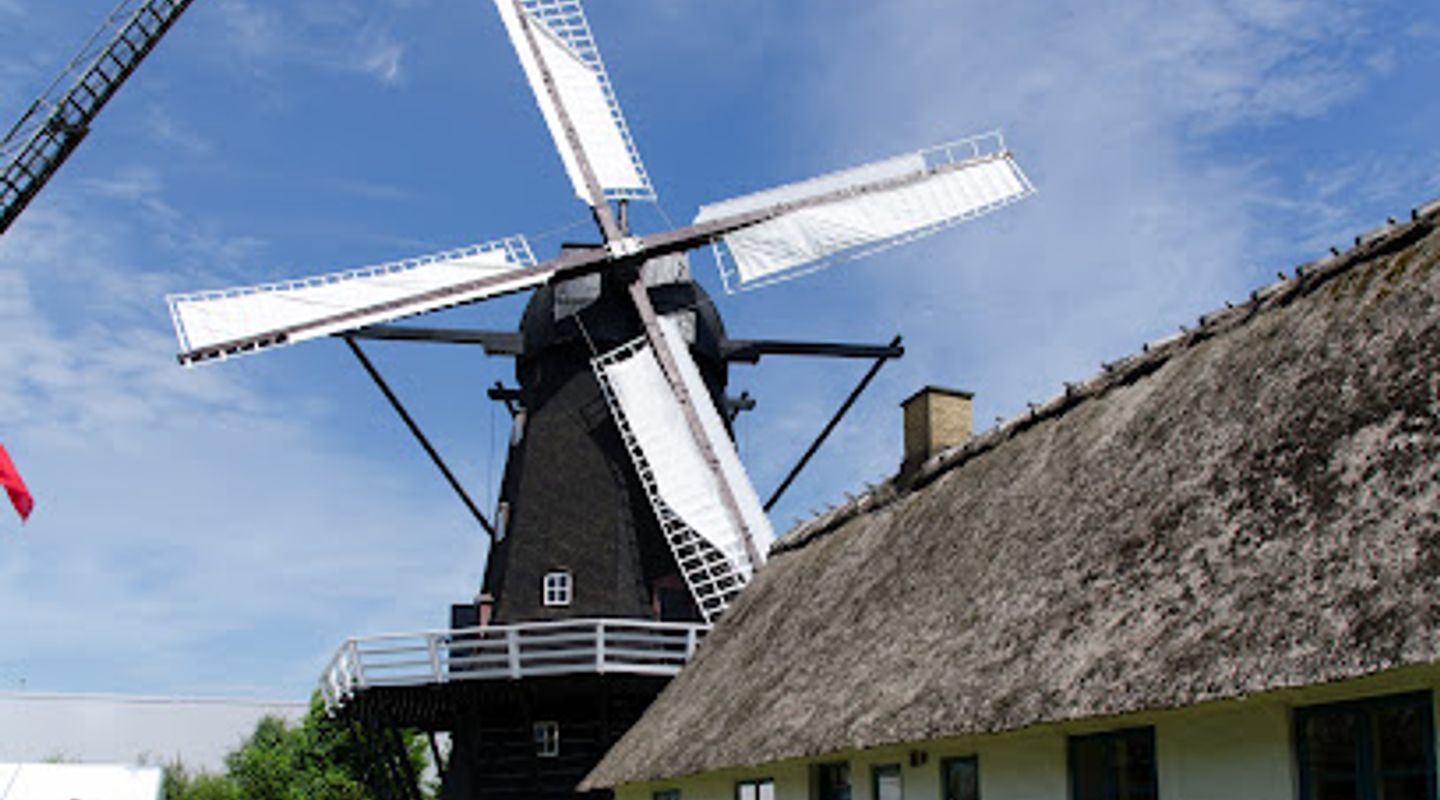
A striking octagonal Dutch windmill built in 1816, Ejegod Windmill stands as one of Denmark's most complete examples of milling heritage. Located in northern Nykøbing Falster on the island of Falster, this protected landmark retains its original miller's house and barn—a rare ensemble in Danish architecture. Though the mill ceased operations in the mid-1950s, extensive restoration work between 2002 and 2010 has preserved its distinctive exterior. A toy museum now occupies the miller's house, offering visitors a glimpse into both industrial history and childhood nostalgia.
A brief summary to Ejegod Windmill
- Ejegodvej 4, Nykøbing Falster, 4800, DK
- Click to display
- Click to display
- Duration: 0.75 to 2 hours
- Free
-
 Outdoor
- Mobile reception: 4 out of 5

Know before you go
Hi, I'm Eve. Here are a few practical things to know before exploring Ejegod Windmill.
- Visit during daylight hours to fully appreciate the mill's architectural details and photograph its distinctive octagonal structure against the sky.
- Combine your visit with nearby Middelaldercentret, an experimental living history museum depicting late medieval Denmark, located 1.5 km away.
- Check the Ejegod Møllelaug website for special events, seasonal activities, or demonstration days that may offer deeper insight into milling history.
- Wear comfortable walking shoes to explore the grounds and appreciate the spatial relationship between the mill, miller's house, and warehouse.
Do you manage this location?
Take control to get all the benefits, like improved information, better appearance, and stronger visibility across AI-powered discovery. Learn more about listing your business on Evendo
Activate your presenceOther nearby places you may find interesting
The closest places of the same kind, if this one is not quite what you had in mind.

Explore Ejegod Windmill on the Map
A handpicked selection of must-see spots near Ejegod Windmill, mapped for you.
Getting There
-
Bus from Nykøbing Falster
Take bus line 580 from Nykøbing Falster station toward Nykøbing F. Sygehus and alight at the Ejegodvej stop. From there, walk approximately 800 meters south along Ejegodvej to reach the windmill. Journey time is approximately 10–15 minutes total. Bus service runs daily; check local schedules for current timetables as frequency may vary seasonally. No entrance fee required.
-
Bicycle from Nykøbing Falster town center
Rent a bicycle in Nykøbing Falster and head north on Østre Allé, then turn left onto Vester Allé and continue onto Ejegodvej. The route to the windmill is approximately 4 kilometers and mostly flat, making it a pleasant ride suitable for most fitness levels. Journey time is approximately 15–20 minutes. Bicycle racks are available at the windmill. No entrance fee required.
-
Car from Nykøbing Falster
From central Nykøbing Falster, head north on Østre Allé toward Vester Allé, turn left onto Vester Allé, then continue onto Ejegodvej. Follow Ejegodvej for approximately 4 kilometers; the windmill is located at Ejegodvej 4, 4800 Nykøbing Falster. Parking is available near the site. Journey time is approximately 10 minutes. No entrance fee required.
-
Walking from Nykøbing Falster town center
A scenic walk of approximately 2.5–3 kilometers from central Nykøbing Falster to the windmill, taking 35–45 minutes depending on pace and route. Head north through town on Østre Allé, then continue onto Vester Allé and Ejegodvej. The route is mostly on paved roads with some sections through residential areas. No entrance fee required.
For the on-the-go comforts that matter to you
-
 Information Boards
-
 Seating Areas
Discover more about Ejegod Windmill
A Monument to Denmark's Milling Heritage
Ejegod Windmill is a striking octagonal smock mill that has dominated the northern landscape of Nykøbing Falster since 1816. Built by diplomat Michael Classen as a working mill for the now-demolished Ejegod farm, the structure represents a pivotal moment in Danish agricultural history. The mill's distinctive design—with its octagonal tower, masonry foundation, brick lower section clad in wooden planks, and shingle-covered upper portion—reflects the Dutch milling tradition that influenced Scandinavian architecture during the early 19th century. Its automatic sails and manually operated yaw mechanism allowed millers to harness the wind's power with remarkable efficiency for the era.An Ensemble Without Equal in Denmark
What makes Ejegod Windmill truly exceptional is its completeness. Unlike any other surviving windmill in Denmark, Ejegod retains all three of its original auxiliary structures: the miller's house (built 1817) and a thatched warehouse (first documented in 1830), alongside the mill itself. Together, these buildings form a protected historical ensemble that was officially listed as a monument in 1964. This architectural integrity offers visitors an unparalleled window into the daily life and working conditions of 19th-century millers and their families. The preservation of these structures reflects the site's cultural significance and the dedication of successive generations to maintaining Denmark's industrial heritage.From Prosperity to Decline and Restoration
The mill operated successfully for decades under copyholders, including the miller Jens Nicolai Jappe from a renowned family of millers. However, the introduction of a stream-driven mill in Nykøbing during the 1850s marked the beginning of Ejegod's decline. Competition from this newer technology gradually rendered the windmill obsolete, and operations ceased entirely by the early 20th century. The structure fell into disrepair until Nyborg Municipality acquired it in 1939 to preserve its historical significance. Though initial efforts in the 1960s and 1970s provided some stabilization, comprehensive restoration did not begin until 2002, when the guild Ejegod Møllelaug assumed stewardship. Between 2002 and 2010, the exterior underwent meticulous restoration, including a new gallery and fresh shingles on the roof, returning the mill to its former visual prominence.A Toy Museum and Living History
In 2009, a toy museum was established within the historic miller's house, transforming the site into an interactive cultural destination. This museum celebrates childhood heritage and traditional craftsmanship, drawing visitors interested in both industrial archaeology and nostalgic playthings. The toy collection provides an intimate counterpoint to the mill's industrial narrative, creating a multi-layered experience that appeals to families and history enthusiasts alike. The museum operates under the support of Ejegod Møllelaug, which continues fundraising efforts to restore the mill's interior and ensure long-term preservation.Landscape and Setting
Located on Møllebakken (Mill Hill) in the northern section of Nykøbing Falster, Ejegod Windmill occupies a position that has transformed from isolated countryside to integrated townscape over two centuries. This gradual urban encroachment has paradoxically enhanced the mill's visibility and accessibility as a landmark. The surrounding landscape, though now suburban, retains enough open space to allow visitors to appreciate the mill's architectural proportions and the spatial relationships between the three protected buildings. The site's integration into the modern town makes it an accessible cultural landmark for both local residents and travelers exploring Falster's heritage.












Your all‑in‑one travel companion app
Explore expert travel guides, compare and book tours, experiences, hotels, and more—all from the palm of your hand. Download now for seamless trip planning wherever your wanderlust takes you.


Explore More of Lolland
Looking beyond Ejegod Windmill? Discover Lolland for broader travel guides, local hot-spots, and regional highlights.
Explore Lolland