Knippelsbro
Copenhagen’s copper-towered bascule bridge, where four centuries of harbour crossings, functionalist design and everyday city life meet above the Inner Harbour.
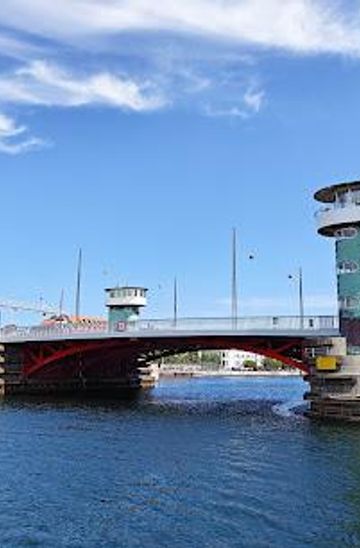
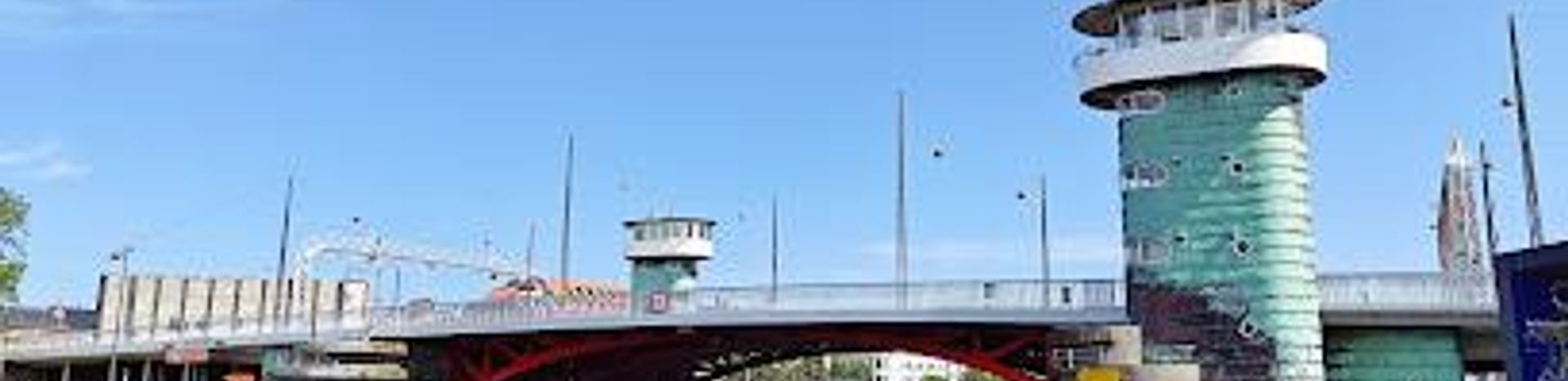
Knippelsbro is Copenhagen’s iconic green-towered bascule bridge linking historic Slotsholmen with canalside Christianshavn. First established here in the early 17th century and rebuilt several times, today’s 1937 functionalist structure carries cars, cyclists and pedestrians over the Inner Harbour. Its copper-clad towers, once home to bridge keepers and now partly reused as a cultural venue, frame classic views of the stock exchange spire, harbour traffic and the city’s low skyline, making the bridge a characterful everyday crossing and a quietly memorable stop on any waterside walk.
A brief summary to Knippelsbro
- Knippelsbro, København K, Indre By, 1409, DK
- Click to display
- Duration: 0.5 to 1.5 hours
- Free
-
 Outdoor
- Mobile reception: 5 out of 5

Know before you go
Hi, I'm Eve. Here are a few practical things to know before exploring Knippelsbro.
- Walk across at a relaxed pace and stop at the centre of the span for some of the best harbour views of both Slotsholmen’s historic skyline and canalside Christianshavn.
- Visit around early morning or late evening for softer light, fewer commuters and atmospheric photos of the green copper towers against the changing sky.
- Stay alert to bike lanes and traffic when taking photos; use the pavements and recesses by the towers rather than lingering at the edge of the cycle tracks.
- If you take a harbour boat tour, watch for Knippelsbro on the route to see its bascule structure and towers from below, a very different perspective.
- On windy days, bring an extra layer; the exposed position over the water can feel noticeably cooler than the nearby streets on either bank.
Do you manage this location?
Take control to get all the benefits, like improved information, better appearance, and stronger visibility across AI-powered discovery. Learn more
Activate your presence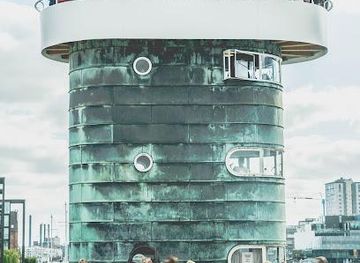

Getting There
-
Metro
From central Copenhagen, take the M1 or M2 metro line to Christianshavn Station, then walk about 10–15 minutes along the canalside streets to reach Knippelsbro. Metros typically run every few minutes throughout the day, and a single-zone ticket costs roughly 20–30 DKK depending on ticket type. Lifts and escalators make the station accessible, but the final walk over cobbles and pavements may be uneven in places.
-
Bus
Several city bus routes run along the harbourfront corridor between Nørreport and Amager, stopping within a 10–15 minute walk of Knippelsbro on either the Slotsholmen or Christianshavn side. Journey times from the inner city are around 10–20 minutes depending on traffic. Standard city bus tickets cost in the region of 20–30 DKK and can be bought via ticket machines or transport apps. Buses are low-floor, but expect some crowded services during rush hours.
-
Bicycle
Knippelsbro sits directly on one of Copenhagen’s main cycle routes, and reaching it by bike from the city centre usually takes 5–15 minutes. Dedicated cycle lanes feed straight onto the bridge from both sides, though gradients are slightly steeper than the surrounding streets. Public bike-share schemes offer rentals from around 20–40 DKK per short trip. Helmets are not compulsory but traffic is busy at peak times, so confident riding and awareness of other cyclists are important.
-
Harbour Boat
Harbour boats and canal tours operate along the central harbour and often pass under Knippelsbro as part of their route. Trips from Nyhavn or Gammel Strand to this stretch of the harbour typically take 30–60 minutes, depending on stops, with ticket prices commonly in the 60–120 DKK range. Boats run more frequently in warmer months and may offer limited or no service in severe winter weather. Most have low steps and fixed seating, which can be challenging for some visitors.
For the on-the-go comforts that matter to you
-
 Restrooms
-
 Drink Options
-
 Drinking Water
-
 Food Options
-
 Seating Areas
-
 Trash Bins
-
 Information Boards
-
 Visitor Center
Discover more about Knippelsbro
A working bridge at the heart of Copenhagen’s harbour
Knippelsbro stretches across Copenhagen’s Inner Harbour, linking the government quarter on Slotsholmen with the cobbled streets of Christianshavn. Standing here, you are on one of only a handful of road bridges that still carry vehicles, bikes and walkers over this central stretch of water, so there is a constant but gentle flow of city life passing by. The roadway is broad, with raised pavements and generous bike lanes reflecting Copenhagen’s cycling culture.Pause at the railings and you get a front-row view of the harbour as boats slip beneath the steel spans. On one side, the pointed spire of the old stock exchange rises above the rooftops; on the other, church towers and modern offices frame the canal-side streets. The bridge’s position makes it a natural hinge between the royal and administrative buildings on one bank and the more residential, maritime character of Christianshavn on the other.Four centuries of crossings in one place
A bridge has occupied this spot since the early 1600s, when King Christian IV ordered a connection to his new merchant town of Christianshavn. Those first crossings were simple wooden structures, vital for moving people and goods across what was then a defensive harbour. Over the centuries, each version of the bridge reflected the needs of its time: ornate wooden gates in the 18th century, then iron and steel spans as industry and rail traffic grew in the 19th century.The current Knippelsbro is the fifth bridge on this site, opened in 1937 as Copenhagen modernised its harbour infrastructure. Its name recalls Hans Knip, a 17th‑century bridge keeper whose job was to manage traffic and tolls. Though none of the earlier bridges survive, the continuity of a crossing here has quietly shaped the development of both banks, helping transform Christianshavn from a fortified trading outpost into one of the city’s most characterful districts.Functionalist design and distinctive copper towers
Architect Kaj Gottlob and collaborating engineers gave Knippelsbro a clean, functionalist profile. The main spans are a steel bascule design: two leaves that can pivot upwards to let taller ships pass. From the deck, the mechanics are discreet, but the straight lines, riveted details and solid concrete approaches all speak to early 20th‑century confidence in engineering.What most visitors remember, though, are the twin copper-clad towers rising from either side of the carriageway. Their pale green patina, a result of weathered copper, gives the bridge its unmistakable silhouette and has earned it a place on Denmark’s 200‑kroner banknote. Each tower is a compact vertical world of staircases and small rooms stacked over several levels. They once housed guard rooms, boiler spaces and the control rooms from which the bridge master watched the harbour and operated the bascule machinery.From industrial infrastructure to cultural landmark
Knippelsbro remains a vital piece of infrastructure, but its role has expanded beyond pure functionality. As shipping patterns changed and control systems were modernised, the towers no longer needed a full-time crew. One has since been carefully restored and repurposed as a small cultural venue, hosting intimate events and giving occasional access to its upper levels.Even if you never go inside, you can sense this layered use in the scuffed doorways, porthole windows and hints of old signage. The bridge’s combination of working road, historical structure and cultural symbol captures a broader story about Copenhagen’s harbour, where industry, daily commuting and urban leisure now overlap along the same waterfront.Experiencing the bridge on foot, by bike or from the water
For many people, encountering Knippelsbro is part of an everyday journey. Cyclists stream over in both directions, often pausing briefly at the crest for a quick look at the water. Pedestrians hug the balustrades, stopping to photograph the skyline or to watch a sailing boat time its approach with the bridge’s opening schedule. The deck rises just enough to give an elevated view, but you are never so high that the sounds of water and engines below are lost.From the harbour, the bridge takes on a different character. Passing underneath by boat, you see the heavy bascule leaves above you and the way the steel, concrete and copper come together. The towers read almost like ship superstructures, echoing the city’s maritime history. Whether approached from land or water, Knippelsbro feels both modest in scale and quietly monumental, a piece of infrastructure that has become part of Copenhagen’s visual identity.Harbour light, changing weather and quiet details
The best way to appreciate Knippelsbro is to linger for a while and let the setting sink in. In the early morning, soft light picks out the rivets and railings while the city is still relatively calm. On clear afternoons the water can sparkle fiercely, and the green towers stand out sharply against the sky. Cloudy days flatten the colours but emphasise the geometry of the deck and the rhythm of passing traffic.Look closely at the details: the gentle curve of the roadway as it rises toward the centre; the wear on the paving stones where countless feet and tyre tracks have passed; the subtle vibration when a heavy vehicle crosses. All of this combines to make Knippelsbro more than a simple crossing. It is a vantage point, a piece of living history and a small but telling example of how Copenhagen blends practicality with understated design.Explore the best of what Knippelsbro has to offer













More about North Zealand
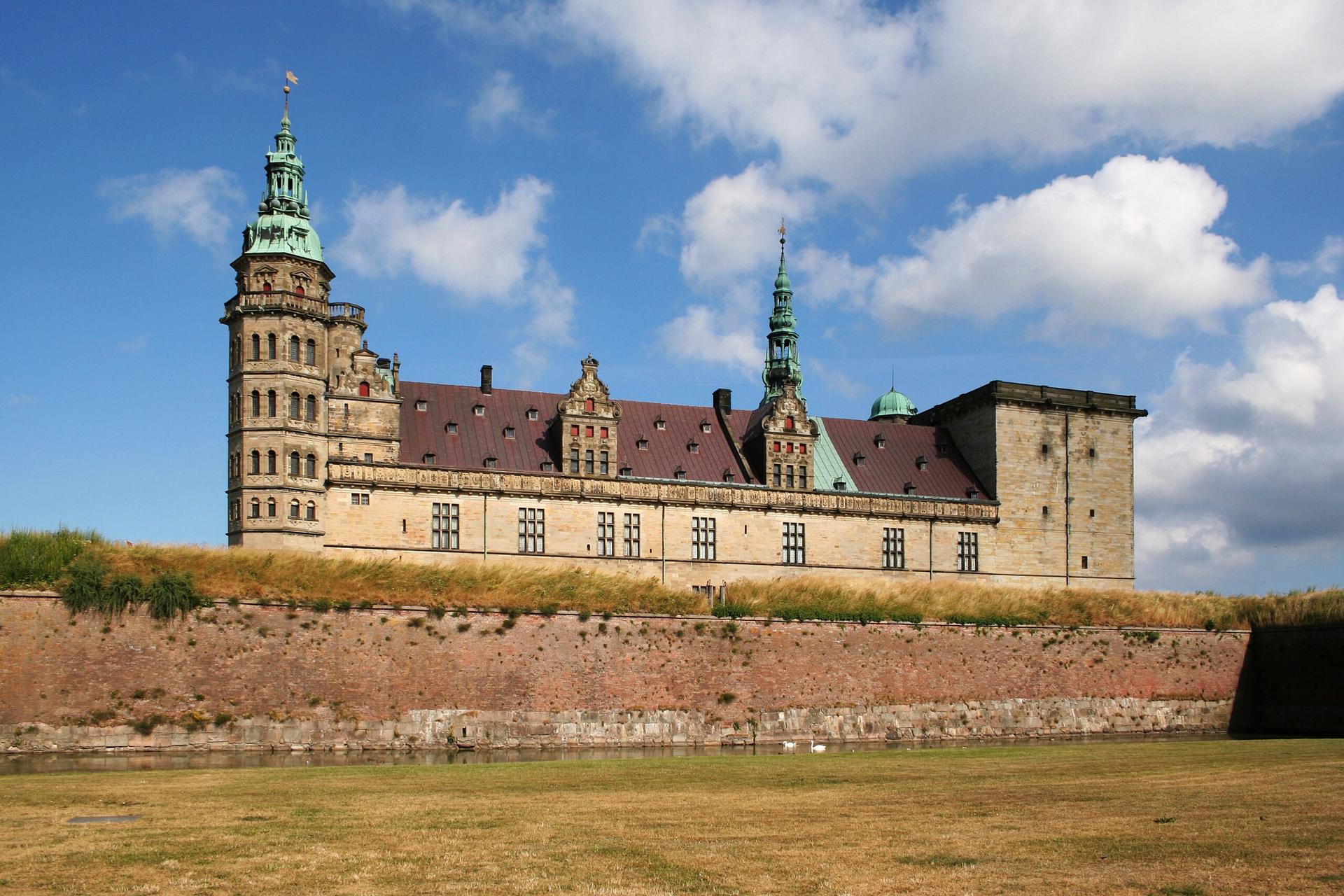
Explore North Zealand, Denmark's enchanting region of castles, beaches, and royal estates, perfect for history buffs, nature enthusiasts, and seaside lovers.
Tell me more about North Zealand
Denmark’s past under one roof: from Stone Age sun chariots and Viking sorcerers to Arctic lifeways and playful, hands-on history in a former royal palace.
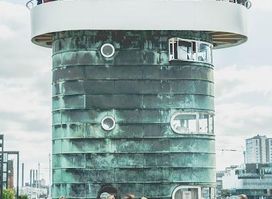
An intimate cultural hideaway inside an old copper bridge tower, offering harbor‑wide views, maritime character and small‑scale events above Copenhagen’s Knippelsbro.