

Sofiero Palace, Helsingor Travel Guide
Free Guide: Former royal summer palace overlooking the Öresund, famed for vast rhododendron gardens, serene lawns and a Dutch Renaissance manor now open as a public park.


A brief summary of Sofiero Palace
Former royal summer palace overlooking the Öresund, famed for vast rhododendron gardens, serene lawns and a Dutch Renaissance manor now open as a public park.
Perched above the Öresund just north of Helsingborg, Sofiero Palace is a former royal summer residence famed for its sweeping lawns, Dutch Renaissance–style manor and one of Europe’s largest collections of rhododendrons. Laid out by King Gustaf VI Adolf and Crown Princess Margareta, the gardens tumble through dramatic ravines to the shoreline, blending meticulous flowerbeds with woodland paths, kitchen plots and modern art. Today the estate is a seasonal cultural venue with exhibitions, a palace restaurant, café and wide green spaces perfect for unhurried wandering and picnics.
On-site amenities
 Restrooms
 Drink options
 Drinking water
 Food options
 Seating areas
 Sheltered areas
 Picnic areas
 Trash bins
 Information boards
 Visitor centre
Opening hours
- Every day10 am–4 pm
Opening hours as listed on the venue’s Google Business Profile. Hours can change for services and special events, so check with the venue before you go.
- Address
- Sofierovägen 131, 254 82 Helsingborg
- Phone
- Website
Getting there
City bus from central Helsingborg
Taxi from Helsingborg city centre
Cycling along the coastal route
Regional bus from elsewhere in Skåne
Discover more about Sofiero Palace
Royal retreat overlooking the Öresund
Sofiero Palace sits on a bluff just north of Helsingborg, gazing across the narrow Öresund strait towards the Danish coast. Built in the mid‑19th century as a summer escape for Crown Prince Oscar and his wife Sophia, the one‑storey country house soon expanded into a graceful Dutch Renaissance–style palace once Oscar became King Oscar II. Red brick facades, steep gables and tall chimneys give the building a stately yet intimate character, more manor than monumental castle.The setting is as important as the architecture. From the terraces in front of the palace you look out over velvety lawns, clipped hedges and long, sweeping views of the water. On clear days the silhouette of Denmark hovers on the horizon, reminding you how strategically placed this royal hideaway once was, within easy reach of both Stockholm and Copenhagen yet quietly self‑contained.
Gardens shaped by a royal love of plants
Sofiero’s real fame lies in its gardens, largely shaped in the early 20th century by Crown Prince Gustaf Adolf, later King Gustaf VI Adolf, and his first wife Margareta of England. Margareta brought ideas from English landscape design, softening formal layouts with curving paths, mixed borders and intimate garden rooms. Rock gardens, kitchen plots and greenhouses gradually appeared around the palace, turning the estate into an outdoor laboratory for their shared horticultural passion.Gustaf Adolf developed an almost scholarly fascination with rhododendrons. Over decades he planted thousands of specimens, experimenting with hardiness and form. Today Sofiero is home to around 10,000 rhododendrons representing some 500 varieties, from delicate species shrubs to huge billowing hybrids that flower in spectacular clouds of pink, purple and white each late spring.
Rhododendron ravines and woodland walks
Two deep ravines carve their way from the upper lawns down towards the shoreline, creating sheltered microclimates perfect for rhododendrons and shade‑loving plants. Boardwalks and earth paths weave through these valleys, drawing you under arching branches heavy with blossom in early summer and past trickling streams lined with ferns and hostas.Away from the ravines, wide lawns roll out from the palace, punctuated by perennial borders, themed gardens and carefully placed trees. Some areas are trimmed and geometric, with low box hedges and straight axes; others feel almost wild, with long grass, orchard trees and late‑blooming flower meadows. The variety of spaces makes Sofiero as appealing for quiet contemplation as for energetic family exploration.
From private palace to public park
Sofiero remained a cherished royal summer residence until King Gustaf VI Adolf’s death in 1973, when he bequeathed the property to the city of Helsingborg. That gesture transformed a private world into a public park, and today the palace and grounds function as a cultural landscape open to all. The main building hosts exhibitions, events and a restaurant, while outbuildings house a café, plant shop and seasonal displays.Across the season, temporary garden installations, sculpture and themed plantings reinterpret the historic layout rather than freezing it in time. The estate’s horticultural heritage coexists with contemporary ideas, making Sofiero both a living garden and a historical document of royal tastes, Scandinavian design and evolving approaches to landscape.
Seasonal moods and reasons to linger
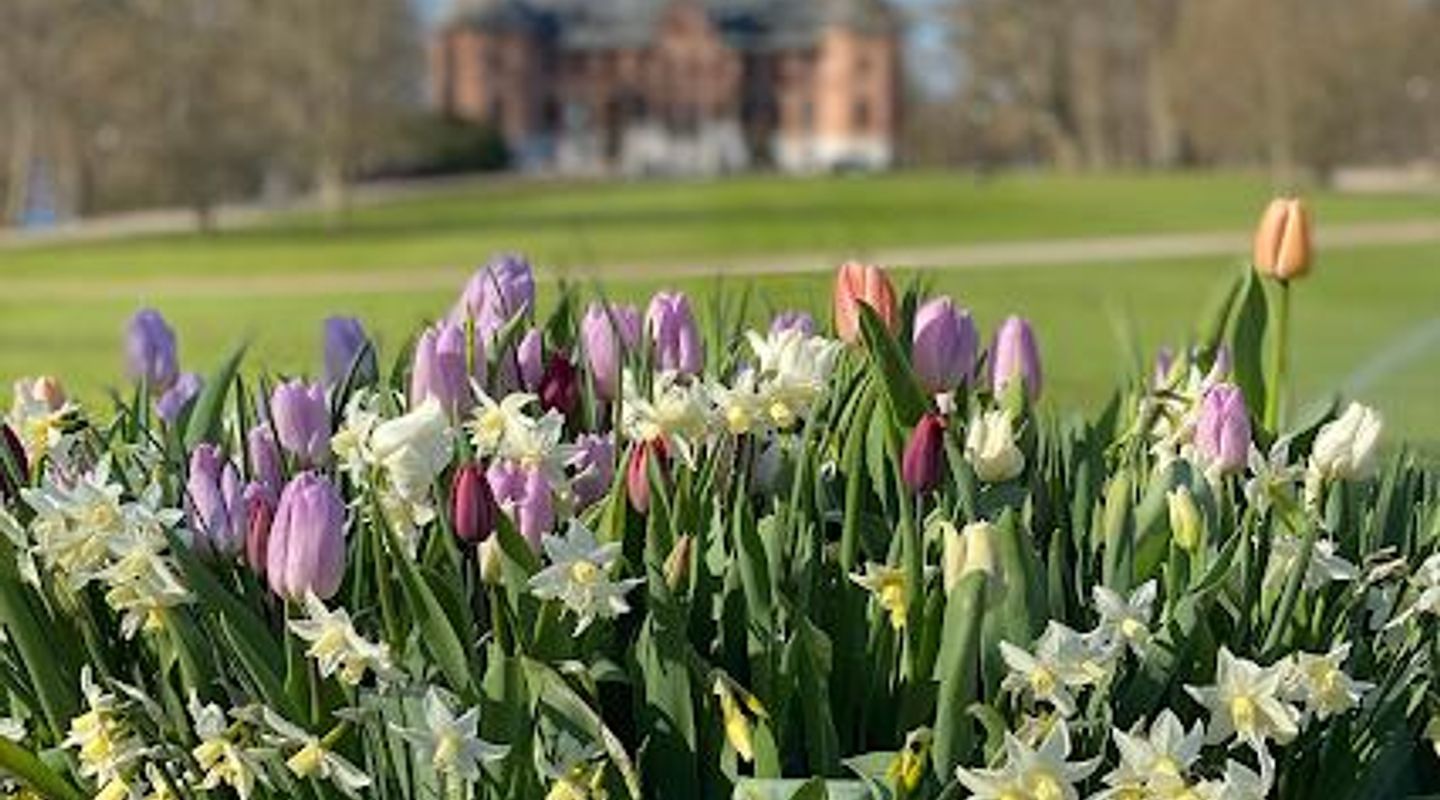
Although the rhododendron bloom is the headline act, Sofiero offers changing attractions throughout the year. Early spring brings carpets of bulbs and fresh green growth; high summer sees the borders thick with perennials and dahlias, and the long evenings are often used for open‑air concerts on the great lawns. In autumn, the surrounding woodland and mature trees blaze with colour, framing the palace in reds and golds above the silver‑blue Öresund.Benches, picnic‑friendly grass and quiet corners invite slow wandering. Views are carefully choreographed: a framed glimpse of the sea between trees, a long perspective back towards the palace, a hidden sculpture revealed at the turn of a path. Even on busy days there is usually space to find your own angle on this former royal refuge.
Architecture, art and everyday details
Closer to the palace, the Dutch Renaissance details reward unhurried inspection. Brick patterns, stone surrounds and mansard roofs create interesting lines for photographers, especially when contrasted with the soft textures of nearby borders. Inside, restored rooms and exhibition spaces speak to the building’s life as a royal home and its current role as a venue for culture and gastronomy.Scattered through the grounds, pieces of modern art add another layer of interest, sometimes echoing the forms of plants, sometimes standing in bold contrast. Kitchen gardens and greenhouses hint at Sofiero’s more practical side, where fruit, vegetables and cut flowers once supplied the royal table and now demonstrate both heritage varieties and new ideas. Taken together, palace and park form a richly textured ensemble that feels both grand and surprisingly personal.
Evendo Review Centre
 Google
Guest reviews
Best time to go
Quietest: Jan, Feb & Nov · before 7am or from 8pm
Busy times are Evendo estimates for a typical year, to help you plan. Actual crowds vary with events, school holidays and the weather.
Explore Sofiero Palace on the map
A handpicked selection of must-see spots near Sofiero Palace, mapped for you.
Get your free copy of our complete guide to Sofiero Palace, delivered straight to you.
Everything on this page, from opening hours and how to get there to Eve’s tips and the best time to go, in one PDF you can read offline, print or share.
Already have an account? Sign in
Your Sofiero Palace guide is ready.
We'll send it to · Not you? Sign out

Getting your guide ready…
We are putting together a fresh copy of the Sofiero Palace guide. This can take up to a minute.
This can take a few moments. If your browser asks, choose Allow so the download can start. You'll find the guide in your Downloads folder.
Nothing happened? Download it again
Sorry, the guide is taking longer than usual. Please try again in a minute, or get it by email instead.
Other nearby places you may find interesting
The closest places of the same kind, if this one is not quite what you had in mind.
-
-
-
-
-


Swipe for more places
More to explore near Sofiero Palace

 Best experiences near Sofiero Palace
 Best hotels near Sofiero Palace
 Best landmarks near Sofiero Palace
 Best attractions near Sofiero Palace
 Best shops near Sofiero Palace
 Best restaurants near Sofiero Palace
 Best bars near Sofiero Palace
Do you manage this location?
Take control to get all the benefits, like improved information, better appearance, and stronger visibility across AI-powered discovery.
Explore more

Explore more of Helsingor
Discover Helsingør, Denmark's historic coastal city, home to Kronborg Castle and a vibrant cultural scene, offering a blend of history, scenic beauty, and local charm.
Explore Helsingor
Explore more of Denmark
Discover Denmark: A perfect blend of history, modern design, and the cozy concept of hygge. Explore vibrant cities, serene landscapes, and world-class cuisine.
Explore Denmark
