From Eve
Know before you go
Hi, I'm Eve. Here are a few practical things to know before exploring Sundstorget.
Local know-how to help you travel smarter and make the most of every moment.


Historic harbourfront square turned modern urban plaza, Sundstorget bridges Helsingborg’s mercantile past, underground infrastructure and open-air city life by the Öresund.
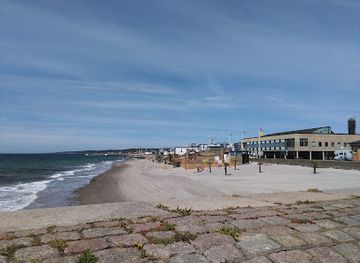
Sundstorget is a central square close to Norra hamnen in Helsingborg, first laid out in 1865 as the city expanded west towards the Öresund. Once known as Salutorget for its grand market hall, it evolved from a bustling trading hub into a car-clogged parking area before being radically redesigned in 2004 with an underground garage beneath a largely traffic-free plaza. Today it serves as an open, flexible urban space framed by historic facades, near Dunkers kulturhus, the waterfront promenade and several cafés and restaurants.
Opening times, essentials, and a few local tips gathered into one calmer, easier-to-scan planning section.
Hi, I'm Eve. Here are a few practical things to know before exploring Sundstorget.
Local know-how to help you travel smarter and make the most of every moment.
Train and short walk
From Helsingborg Central Station, which is the main regional rail hub with frequent services from Malmö, Lund and other Skåne towns, Sundstorget is about a 10–15 minute walk through the city centre on mostly flat, paved streets suitable for wheeled luggage and strollers. Train fares within Skåne typically range from about 60–140 SEK one way depending on distance and ticket type.
City bus within Helsingborg
Several local bus lines stop within a few minutes’ walk of Sundstorget in the central area. Travel time from most inner districts is around 10–20 minutes, with buses generally running every 10–20 minutes during the day. A single adult ticket on city buses usually costs about 25–40 SEK, and low-floor vehicles make boarding easier for passengers with limited mobility.
Bicycle from central neighbourhoods
Helsingborg has a growing network of cycle lanes, and Sundstorget’s central location near the waterfront makes it straightforward to reach by bike from nearby districts in roughly 10–20 minutes. The terrain is mostly gentle, though you may encounter some inclines depending on your starting point. Bicycle parking racks are available around the central streets close to the square.
Taxi within Helsingborg
Taxis are readily available across central Helsingborg and can bring you directly to streets adjacent to Sundstorget in about 5–15 minutes from most inner-city areas, depending on traffic. Typical city-centre taxi fares range from roughly 120–250 SEK for short trips, with higher prices at night and on weekends.
 Restrooms
 Drink Options
 Food Options
 Seating Areas
 Trash Bins
 Information Boards
Catch the right light and the right mood, whether you want a bright city moment or a more cinematic evening visit.


Use Tower Bridge as your starting point for nearby food, family ideas, nightlife, and more local discoveries.
A quick look at seasonal patterns and peak visiting hours.

Explore expert travel guides, compare and book tours, experiences, hotels, and more—all from the palm of your hand. Download now for seamless trip planning wherever your wanderlust takes you.
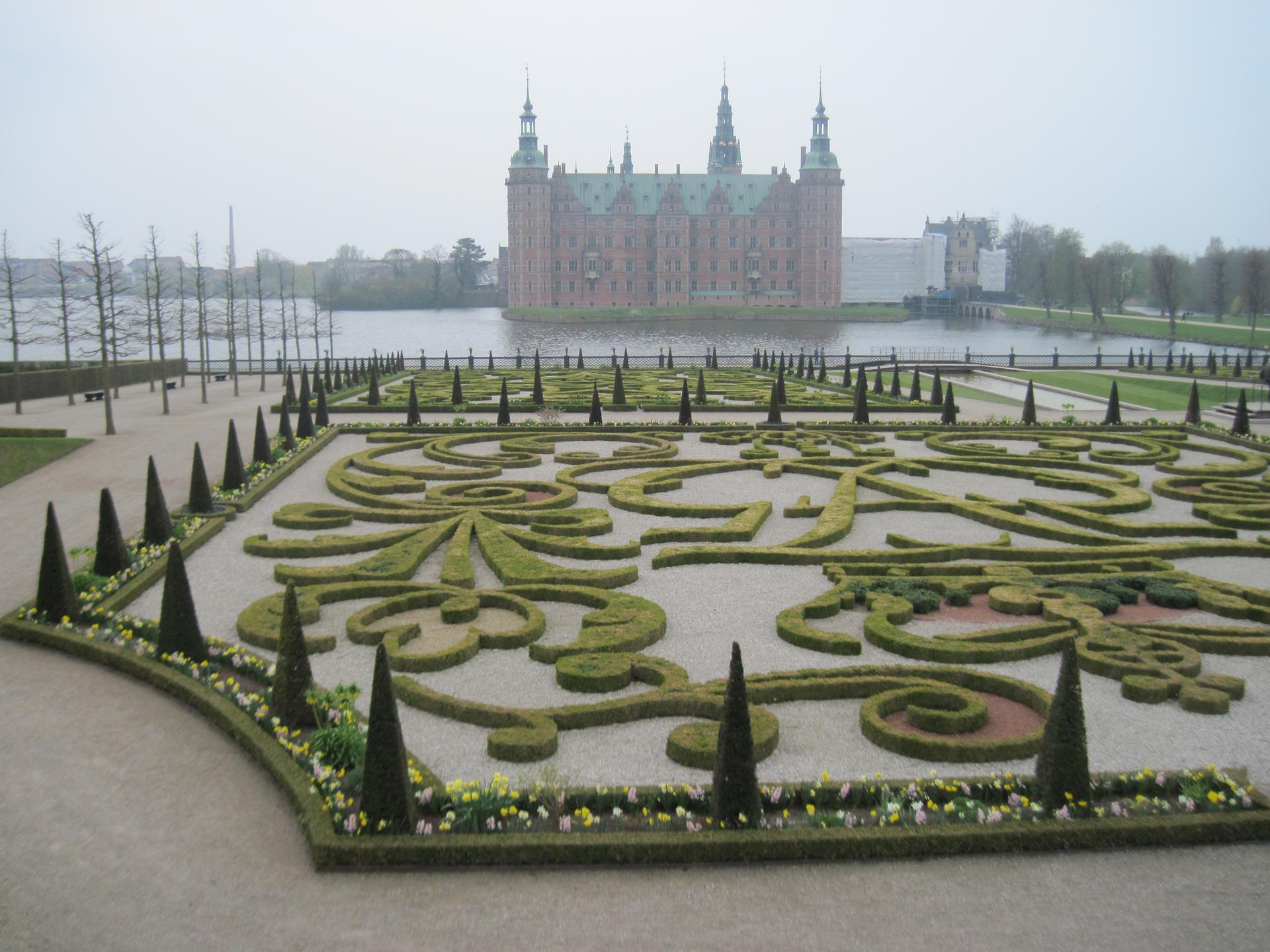
Explore Hillerød: Discover Frederiksborg Castle, vibrant town life, and scenic nature trails in Denmark's charming North Zealand region.
Tell me more about Hillerod