
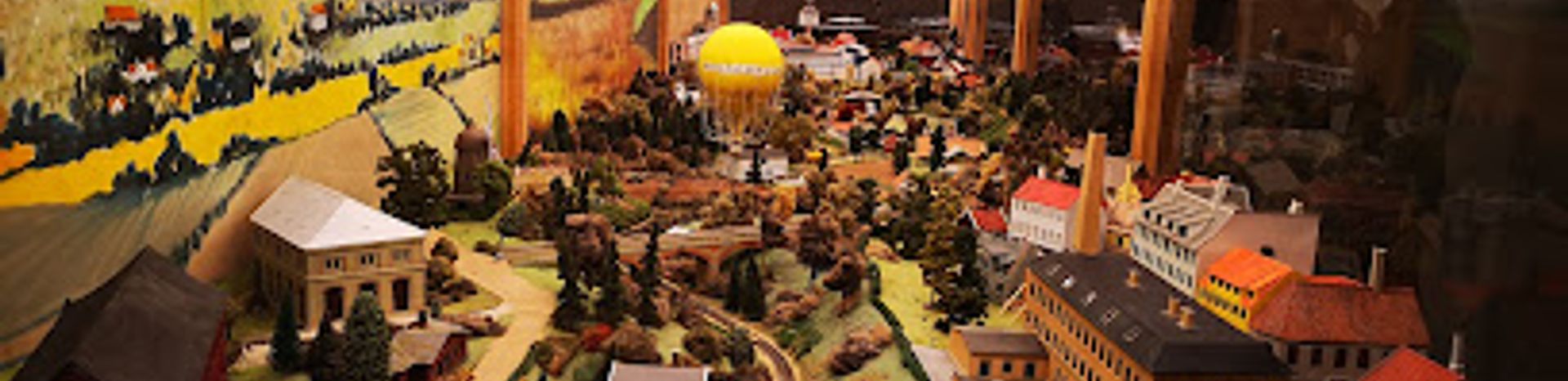
Danish Museum of Science and Technology (Danmarks Tekniske Museum)
Industrial halls packed with steam engines, classic cars, aircraft and gadgets tracing 150 years of Danish innovation in a hands‑on, family‑friendly museum.
Housed in former industrial halls on the outskirts of Helsingør, the Danish Museum of Science and Technology is a sprawling celebration of invention and engineering. Wander among steam engines, classic Danish cars, historic bicycles, aircraft and even the Soyuz space capsule that carried astronaut Andreas Mogensen into orbit. Hands‑on exhibits, gaming zones and creative workshops make this a standout stop for curious families, design fans and tech enthusiasts alike.
A brief summary to Danish Museum of Science and Technology
- Fabriksvej 25, Helsingør, 3000, DK
- +4549222611
- Visit website
- Duration: 2.5 to 4 hours
- Mid ranged
-
 Indoor
- Mobile reception: 5 out of 5
- Monday 10 am-5 pm
- Tuesday 10 am-5 pm
- Wednesday 10 am-5 pm
- Thursday 10 am-5 pm
- Friday 10 am-5 pm
- Saturday 10 am-5 pm
- Sunday 10 am-5 pm
Local tips
- Large parts of the exhibition halls are unheated; bring an extra layer, especially in winter or on cool, windy days.
- Plan at least three hours to explore; the collection of vehicles, aircraft and interactive zones is extensive and easy to underestimate.
- If you are sensitive to noise, consider visiting earlier in the day outside Danish school holidays, when workshop and family areas are quieter.
- The café offers simple meals and snacks, but you can also time your visit to enjoy more dining options back in central Helsingør.
- Combine your museum visit with Kronborg Castle or the harbour area in Helsingør for a full technology‑and‑history themed day.

For the on-the-go comforts that matter to you
- Restrooms
- Drink Options
- Drinking Water
- Food Options
- Seating Areas
- Trash Bins
- Information Boards
- Visitor Center
Getting There
-
Regional train and local bus from Copenhagen
From central Copenhagen, take a regional train towards Helsingør; the journey typically takes 40–45 minutes and trains run several times an hour. From Helsingør Station, transfer to a local bus such as line 803, 353 or 390R towards the industrial district and ride around 10–15 minutes to the stop closest to Fabriksvej. A standard adult single train ticket on this route is usually in the range of 80–110 DKK, while the connecting bus adds roughly 25–35 DKK; combined tickets and travel cards can reduce the overall fare.
-
Train and bicycle from Snekkersten or Helsingør
For an active option, take a regional or coastal train to Snekkersten or Helsingør, then continue by bicycle to the museum. The ride from either station generally takes 15–20 minutes on mostly flat urban roads with dedicated cycle lanes on parts of the route. Standard bicycle carriage on regional trains is allowed for a modest supplement, usually around 20–30 DKK in addition to your passenger ticket. This option is best in daylight and fair weather, and requires comfort with city cycling.
-
Car from Helsingør and North Zealand
If you are already in Helsingør or elsewhere in North Zealand, driving offers a straightforward way to reach the museum on the town’s outskirts. From central Helsingør the journey is typically 5–10 minutes through mixed residential and light industrial areas, depending on traffic. There is usually free or low‑cost parking directly by the museum, but spaces can fill during school holidays and weekends, so allow extra time to find a spot and walk across the car park.
Danish Museum of Science and Technology location weather suitability
-
 Any Weather
-
 Cold Weather
-
 Mild Temperatures
-
 Rain / Wet Weather
Discover more about Danish Museum of Science and Technology
Industrial halls filled with Danish ingenuity
The Danish Museum of Science and Technology occupies vast former factory buildings in Helsingør, a fitting backdrop for a collection devoted to machines, mechanics and bright ideas. High ceilings, exposed steel and wide aisles create the feeling of stepping into a working depot, only here the cargo is everything from early steam engines to futuristic prototypes. It is an indoor world, but parts of the halls are unheated, so the atmosphere can feel pleasantly warehouse‑raw, especially on cooler days. At its heart, the museum tells the story of how technology has shaped everyday life in Denmark over the last 150 years. Exhibits are grouped thematically, making it easy to follow threads such as transport, communication or energy as you explore at your own pace under the lofty industrial roof.From steam power to electric dreams
One of the most striking areas is the lineup of heavy machinery: gleaming steam engines, intricate pumps and early electrical equipment that once powered factories and towns. Interpretive panels explain how breakthroughs in energy and engineering transformed work, cities and homes, while the machines themselves remain the stars, all pistons, flywheels and polished brass. Nearby, you can trace the evolution of the car from the 19th‑century Hammel Car, among the world’s oldest operational automobiles, through mid‑century icons to early Danish experiments with electric vehicles. Bicycles, scooters and motorcycles fill another zone, telling a parallel story of mobility in a cycle‑loving country, from sturdy delivery bikes to sleek racing models.Flight, space and the pull of the sky
A separate hall is devoted to aviation and flight. Historic propeller planes hang from the rafters or rest dramatically on the floor, while jet aircraft and fragments of recovered fuselages hint at the risks and romance of early air travel. Visitors can peek into cockpits and examine instruments up close, appreciating just how tactile the act of flying once was. The highlight for many is the section on space exploration, centred on the Soyuz capsule that carried Danish astronaut Andreas Mogensen into orbit. Standing beside the compact spacecraft, with burn marks still visible, gives a powerful sense of the extremes of modern technology. Surrounding displays unpack the science of rocketry, life on the International Space Station and Denmark’s role in space research.Everyday gadgets, games and creative play
Beyond big machines, the museum dives into the technology that slips into pockets and living rooms. Cases of radios, televisions, telephones and early computers chart the leap from room‑sized mainframes to smartphones and tablets. A dedicated gaming area invites you to try classic video games and consoles, underlining how quickly digital entertainment has evolved. Interactivity is woven throughout. Many exhibits feature buttons, levers or simple experiments, and there are zones set aside for children’s workshops, crafts and hands‑on building activities. Temporary installations frequently focus on themes such as robotics, green energy or artificial intelligence, linking historic objects to current debates about innovation and sustainability.A full‑day family stop in Helsingør
Cafés and seating areas tucked near the entrance and between halls offer space to pause with a snack while you plan which section to tackle next. The on‑site shop stocks science toys, books and design‑led souvenirs, echoing the museum’s playful, educational spirit. With its broad mix of large‑scale engines, delicate instruments and approachable interactive stations, the Danish Museum of Science and Technology works equally well as a family outing, a deep dive for enthusiasts or a weather‑proof cultural stop beyond central Copenhagen. Allow several hours: the collection is extensive, and the pleasure lies in lingering over the details that bring Denmark’s technological story to life.Iconic landmarks you can’t miss

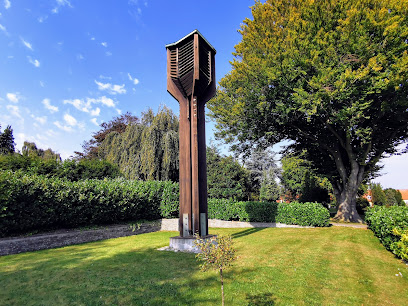
Elsinore Cemetery
3.0 km
Historic burial ground where 16th-century roots meet artistic legacy in Denmark's literary heartland.
Helsingor
3.4 km
Dynamic exhibitions, daring performances, and boundary-pushing installations in Roskilde’s historic royal palace—discover Denmark’s vibrant contemporary art scene.
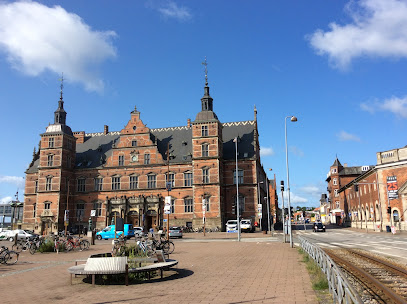
'The Middle Ages and the Sound Dues' mural
3.5 km
A vivid gable mural that turns Helsingør’s medieval tolls and ship traffic into a richly detailed open-air history lesson in the heart of the old town.
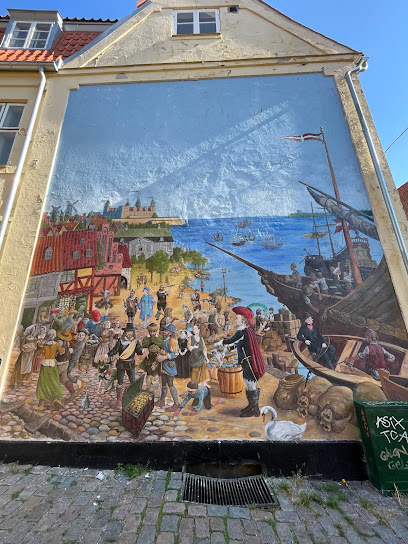
'Time of the shipyard' mural
3.5 km
A hyper-realistic tribute to Helsingør's legendary shipyard, painted by American master Garin Baker.
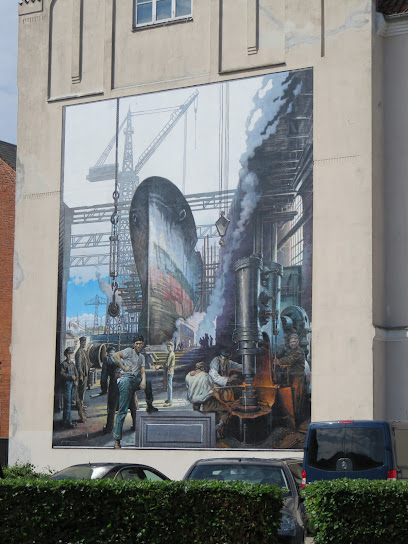
Odd Fellow Logerne Helsingør
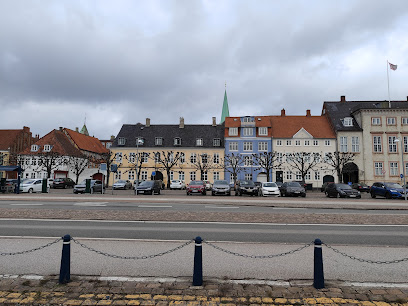
3.5 km
A dynamic hub for contemporary and experimental art in the heart of Roskilde, showcasing thought-provoking exhibitions and interactive creative experiences.
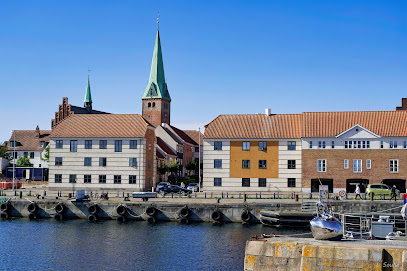
Helsingør harbour
3.6 km
Where maritime heritage meets Shakespeare's legacy at Denmark's gateway to Sweden.
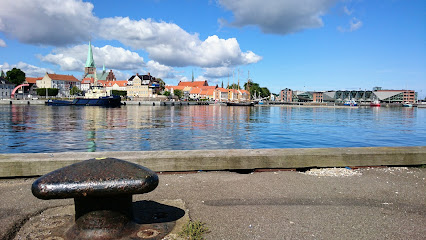
Heracles and the Hydra
3.8 km
Mythological bronze warrior frozen in eternal combat on Helsingør's historic waterfront.
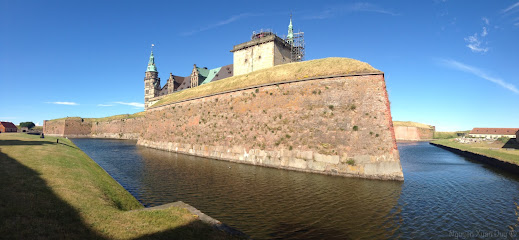
Kronborg Castle Church
4.1 km
Renaissance sanctuary that miraculously survived fire, preserving royal religious heritage within Hamlet's legendary castle.
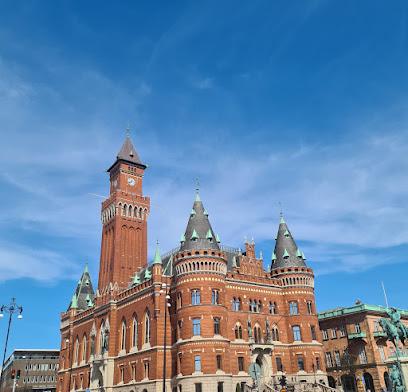
Helsingborg City Hall
8.5 km
A monumental red-brick city hall and coastal gateway, where neo-Gothic towers, National Romantic detail and civic stories overlook the Øresund in central Helsingborg.
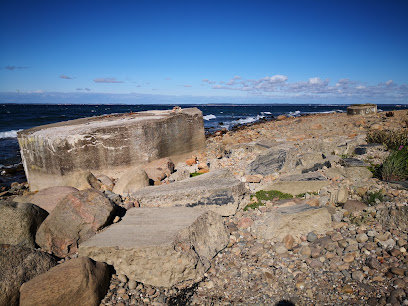
Hornbæk Batteri
9.4 km
WWII coastal fortress commanding the Øresund strait from Denmark's dramatic northern cliffs.
Falkonergården
9.6 km
Explore the enchanting Falkonergården Zoo in Fredensborg, a captivating destination for wildlife enthusiasts and families seeking adventure in nature.

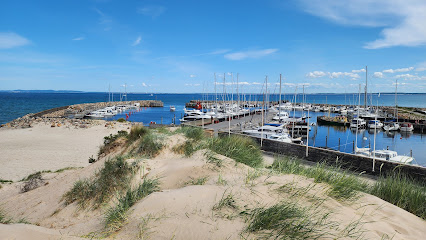
Hornbaek beach
10.5 km
Discover Hornbæk Beach, the gem of the Danish Riviera, offering pristine sands, clear waters, and a charming seaside atmosphere perfect for relaxation and unforgettable summer memories.
Country Market
11.3 km
Experience the charm of Fredensborg at Country Market, a vibrant marketplace offering local delicacies, artisan products, and a cozy café atmosphere in the heart of town.
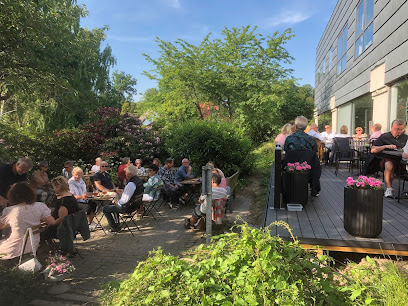
Fredensborg Palace
11.3 km
Denmark's most magnificent Baroque palace and gardens, where royal history meets landscape artistry on the shores of Lake Esrum.

Fredensborg Slotshave
11.4 km
Discover Denmark's royal history and stunning baroque architecture in the serene Fredensborg Slotshave, a cultural gem blending art, nature, and tranquility near Copenhagen.
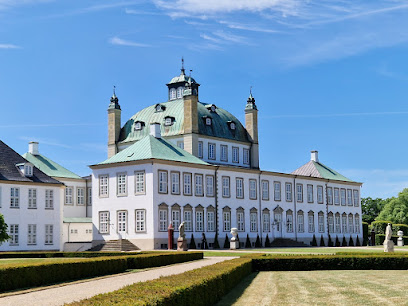
Unmissable attractions to see

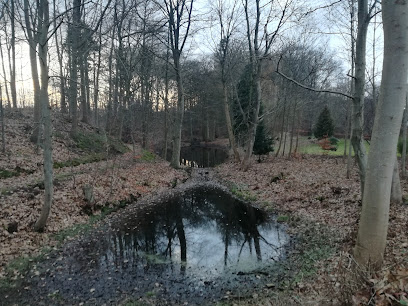
Klostermoseskoven
0.3 km
A modest 19th‑century plantation forest on Helsingør’s industrial edge, Klostermoseskoven offers quiet paths, gentle hills and an easy dose of everyday Danish nature.
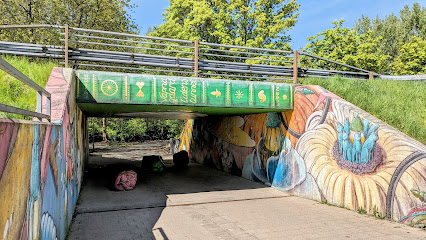
Tidens Tunnel
0.9 km
A once-ordinary Helsingør underpass transformed into a colorful ‘Tunnel of Time’, where evolving street art turns a daily shortcut into an urban gallery.
Vapnagaardsøen
1.2 km
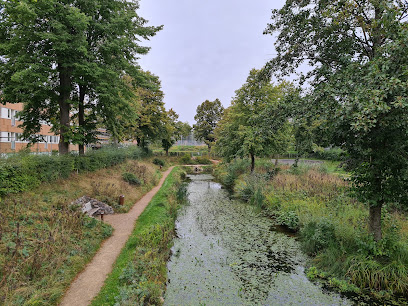
A calm everyday lake tucked inside Helsingør’s largest housing estate, where simple paths, water, and community life create an understated urban oasis.
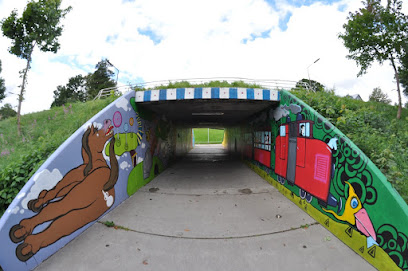
Master class Tunnel Art
1.2 km
A colourful urban underpass in Helsingør where curated street art transforms a simple tunnel into a living canvas of local stories and international styles.
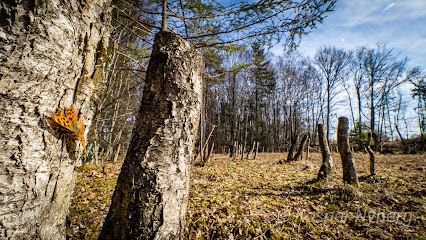
Pindemosen sphagnummose
1.3 km
A small but evocative sphagnum bog on Helsingør’s edge, where soft peat, moss carpets and quiet wetland life offer a gentle, close-up encounter with Danish peatland nature.
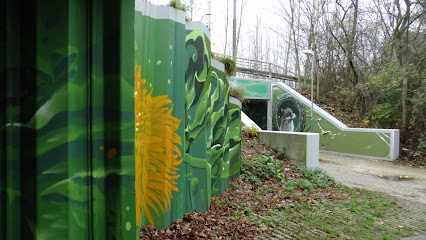
Michael Wisniewski
1.3 km
A pair of everyday tunnels in Helsingør’s Vapnagaard transformed into a flowing naturalistic mural, where dandelions and local nature turn concrete into a gentle urban sanctuary.
Vapnagård Tunnel 2
1.4 km
A colourful underpass in Helsingør’s Vapnagård estate, where bold mural art transforms a simple pedestrian tunnel in Ponydalen into a vivid slice of everyday creativity.
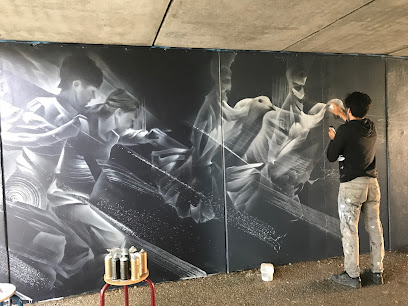
Kingo Houses
1.4 km
A hillside tapestry of Jørn Utzon’s humane brick courtyard houses, weaving private walled gardens and expansive shared landscape into a landmark of Nordic modernism.
Grønne Vestkile
1.6 km
A protected green corridor of rolling fields, ponds and hedgerows on the western edge of Helsingør, offering calm everyday nature close to the city.
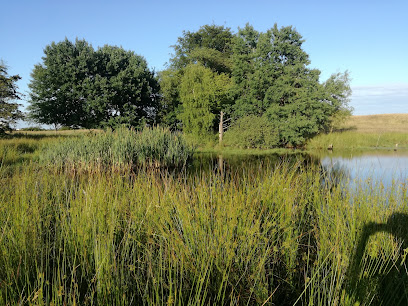
UNDER THE ROOF
1.8 km
Explore the mythic encounter of Heracles and the Hydra in this striking modern sculpture, set near Helsingør’s iconic Kronborg Castle and the scenic Øresund coastline.
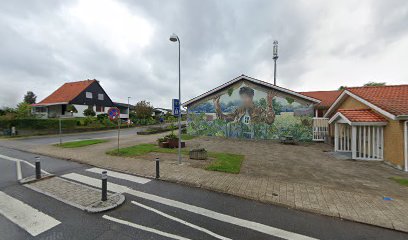
Meulenborgskoven
2.0 km
A small, city-near forest on the edge of Helsingør, offering quiet paths, everyday nature and local character just a short step from suburban streets.
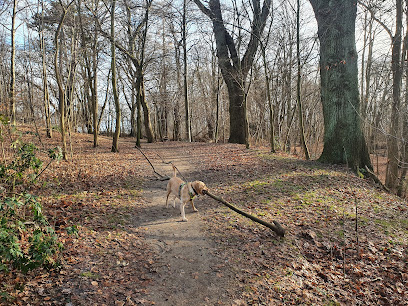
Flynderupgårdmuseet
2.0 km
A historic North Zealand manor farm where fields, animals and a working kitchen bring everyday Danish country life of the early 1900s vividly back to life.
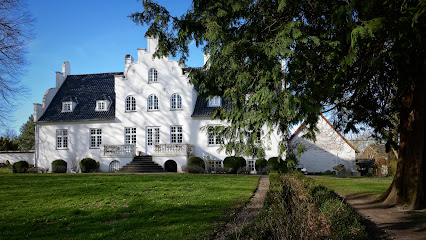
Smørhullet
2.2 km
A snug, bowl-shaped neighborhood park in Helsingør where sledding hills, disc golf fairways and everyday dog walks share the same sheltered green hollow.
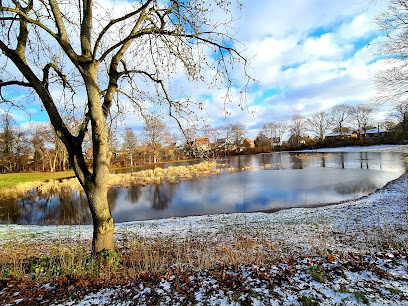
Egebæksvang
2.2 km
Coastal forest breathing space on North Zealand’s Øresund shore, with a simple plateau campsite where beech trees, sea views and low-key outdoor living meet.
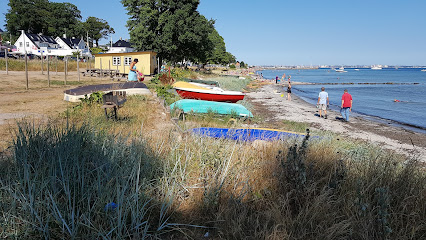
Kysten
2.4 km
An unpretentious stretch of Helsingør’s seafront where town, horizon and the ever-busy Øresund strait meet in a calm, everyday coastal landscape.
Essential places to dine

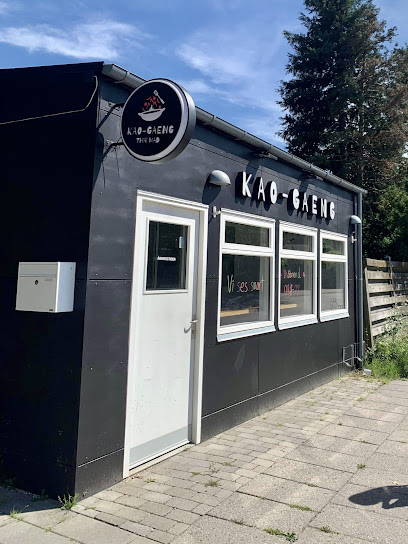
Kao Gaeng
1.7 km
Unassuming neighbourhood Thai in Helsingør serving generous, flavour-packed curries and stir-fries, ideal for casual evening dinners or easy takeaway feasts.
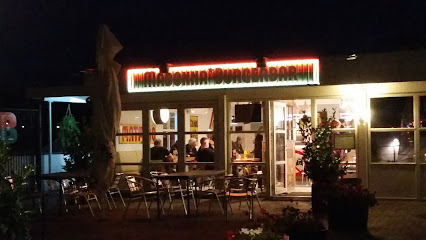
Madonna Burgerbar
2.5 km
Hearty burgers, crispy fries and indulgent shakes in a no‑nonsense neighborhood burgerbar just beyond Helsingør’s historic streets.
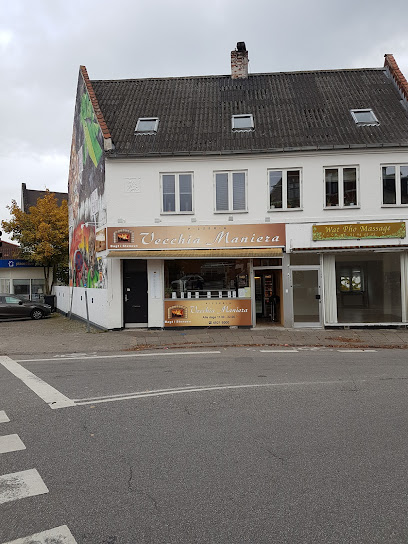
Vecchia Maniera
2.7 km
Neighborhood-style Italian pizzeria in Helsingør serving stone-oven pizzas, homemade breads and simple comfort dishes in a casual, takeaway-friendly setting.
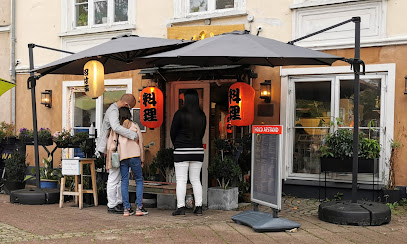
Sushi Taro
3.0 km
World-class sushi crafted by a championship chef in intimate, authentic surroundings.
Café Vivaldi
3.0 km
Bright all‑day café on Helsingør’s main pedestrian street, serving generous brunches, casual meals and relaxed drinks with a front‑row view of local street life.
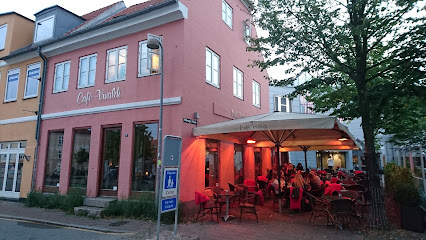
Restauration ApS af 26.08.57
3.1 km
Casual, central Helsingør eatery on historic Stengade, serving hearty everyday dishes from late morning to evening amid the cobbled charm of the old town.
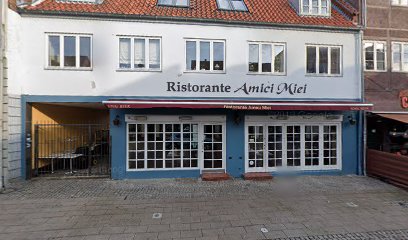
Amici Miei
3.1 km
Lively Italian trattoria on Helsingør’s main street, serving stone-oven pizza, hearty pasta and relaxed good times in a warm, rustic setting.
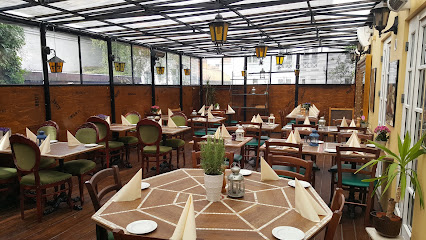
D'Angelo
3.1 km
Cozy Italian trattoria on Helsingør’s Stengade, serving hearty classics, seasonal menus and occasional live music in a warm, bustling old-town setting.
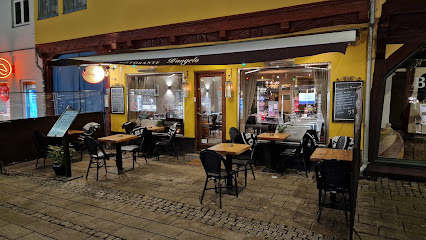
La Brasserie
3.1 km
Classic, no‑nonsense dining on Helsingør’s main street, serving hearty brasserie dishes in a casually traditional setting close to the harbour and castle.
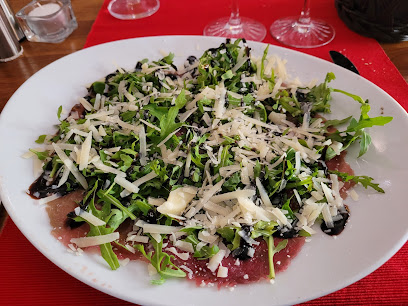
Klaptræet
3.2 km
Cosy courtyard restaurant in old-town Helsingør, serving generous Danish smørrebrød, platters and seasonal lunch feasts in a former cinema backhouse.
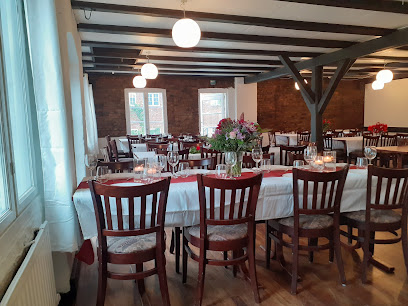
Pakhuset
3.2 km
Casual Italian-style pizzeria tucked in a cosy inner courtyard off Helsingør’s main street, serving generous pizzas and pasta in a warm, everyday atmosphere.
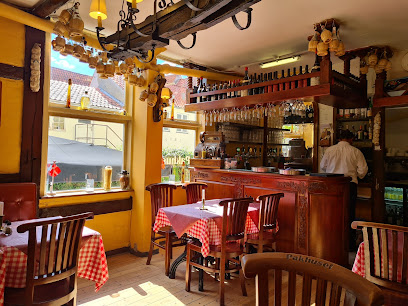
Café Kaiser
3.2 km
Homemade Danish café on Helsingør's main street, serving quality brunch, smørrebrød, and warm dishes in a welcoming neighborhood setting.
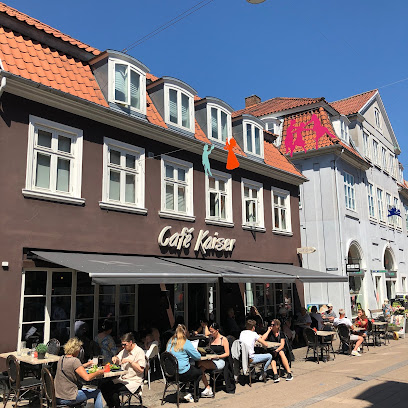
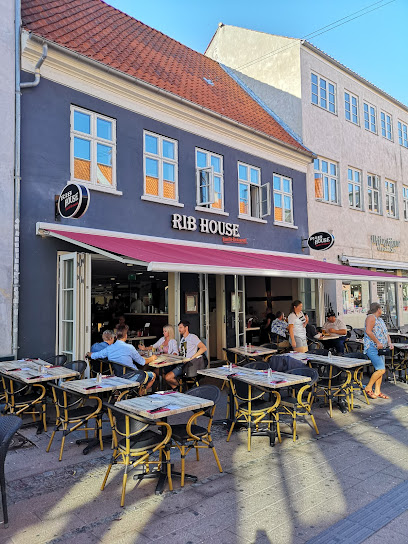
Rib House
3.2 km
Casual steakhouse on Helsingør’s main street, serving generous spareribs and grills in a relaxed, family‑friendly setting close to the town’s historic sights.
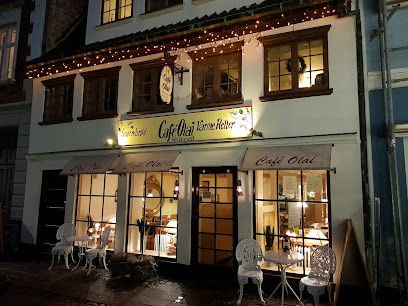
Café Olai
3.2 km
Traditional Danish smørrebrød and hearty comfort food served with true Helsingør hygge in a snug, family-run restaurant on atmospheric Sct Olai Gade.
Bao Takeaway
3.3 km
Fast, flavourful Asian takeaway in the heart of Helsingør’s old town, serving budget-friendly Thai, Chinese and Vietnamese-style comfort food for easy evenings.

Markets, malls and hidden boutiques

Prøvestencentret
0.5 km
A practical, car-friendly shopping hub in Helsingør, ideal for everyday essentials, free parking and quick errands between more traditional North Zealand sights.
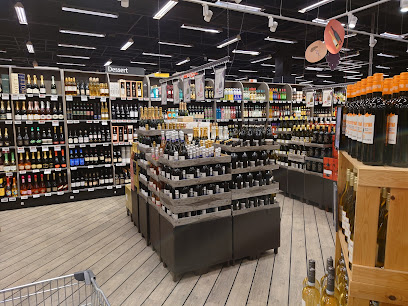
Kids Coolshop Helsingør
0.6 km
Expertly curated toys for every age, where playtime possibilities meet personalized service.

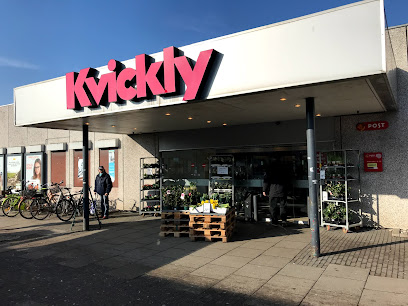
Kvickly
0.7 km
Spacious Danish supermarket and home goods store in Helsingør’s Prøvestenscentret, ideal for stocking up on groceries, picnic supplies and everyday essentials.
Dansk
1.7 km
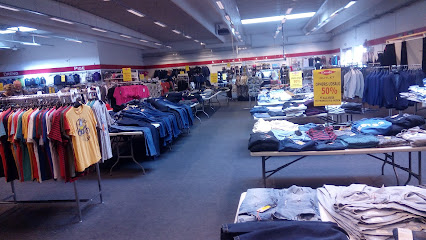
North Zealand's largest discount clothing store offering family fashion at 40–80% savings.
Intersport Helsingør
3.0 km
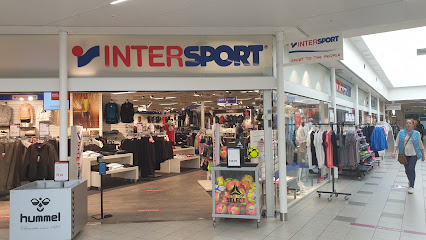
Centrally located in Helsingør Bycenter, this locally run Intersport blends big-brand sports gear with practical advice for active days in town, forest and along the Øresund.
Helsingør Bycenter
3.0 km
Compact, convenient and fully indoor, Helsingør Bycenter is the practical shopping heart of Helsingør, mixing everyday essentials, cafés and family-friendly comfort.

Kop & Kande
3.0 km
Danish homeware and kitchenware haven celebrating comfort, warmth, and the art of everyday living.

Normal
3.0 km
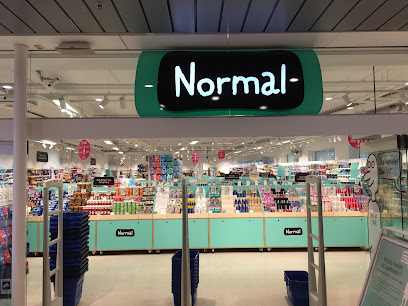
Smart, budgetvenligt pitstop i Helsingør Bycenter, hvor du hurtigt fylder kurven med beauty, rengøring og snacks til hverdagen og weekendturen.
ONLY
3.0 km
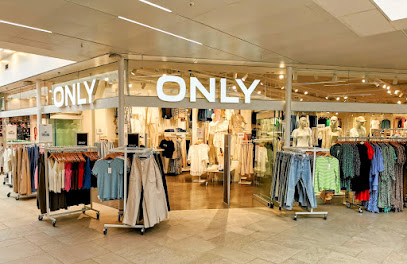
Central Helsingør outpost of Danish fashion brand ONLY, mixing trend-led denim, dresses and everyday essentials with plus-size and sports-inspired womenswear.
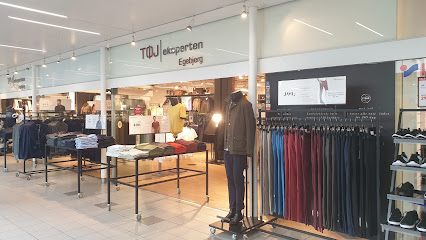
Tøjeksperten
3.0 km
Classic Danish menswear with professional styling in historic Helsingør
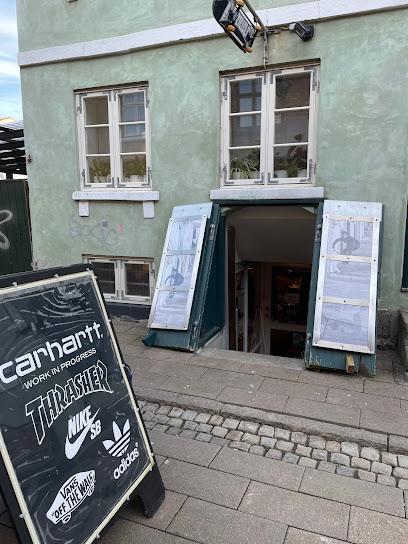
Dark Blue
3.0 km
Independent Helsingør skate and surf hub blending quality boards, cold‑water gear and streetwear in a compact, characterful old‑town shop.
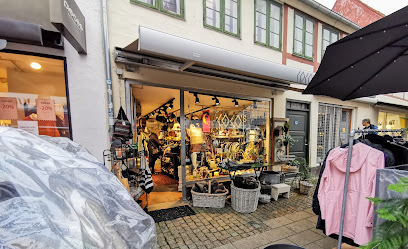
Coco's Helsingør
3.1 km
Contemporary women's fashion in the heart of Helsingør's pedestrian shopping district.
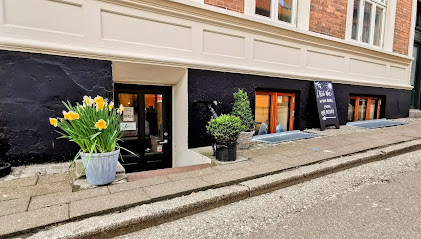
Mercuri
3.1 km
A small, curated fashion boutique in Helsingør’s historic centre, blending Scandinavian-inspired style with a relaxed, personal shopping atmosphere.
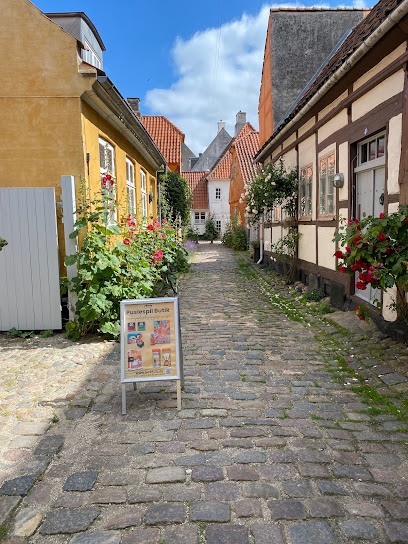
Puslespilsbutikken
3.1 km
Denmark’s only dedicated jigsaw puzzle shop – a cozy Helsingør courtyard gem stacked floor to ceiling with colourful puzzles for families, collectors and curious browsers.
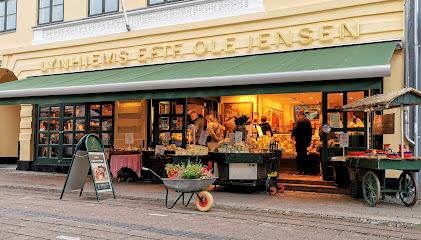
Lynhjems Eftf Ole Jensen
3.1 km
Traditional Helsingør cheesemonger and delicatessen packed with Danish and international flavours, perfect for picnic supplies, edible souvenirs and gourmet treats.
Essential bars & hidden hideouts

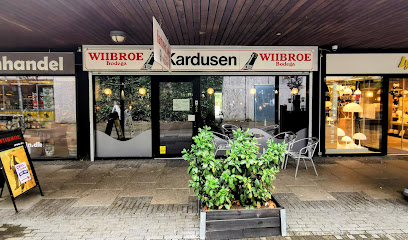
Kardusen
0.6 km
Casual wine bar in central Helsingør offering relaxed evenings and accessible pricing.
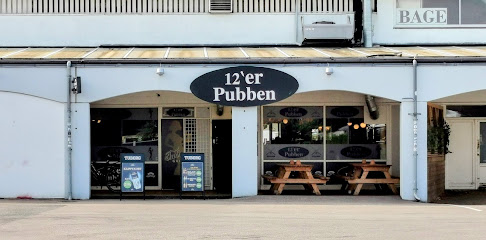
12`er Pubben
2.4 km
Unpretentious neighborhood bodega in Helsingør with billiards, sports on TV and cold beers, offering an authentic slice of Danish local bar life.
Gefion Bodega
2.5 km
Unpretentious neighbourhood bar in Helsingør offering classic Danish bodega atmosphere, simple drinks and a relaxed glimpse into everyday local life.
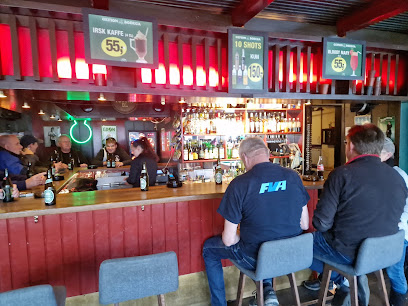
Head/Foam
3.0 km
Modern neighbourhood bar near Helsingør’s historic centre, pouring craft beer and cocktails from midday to the early hours in a lively, social setting.
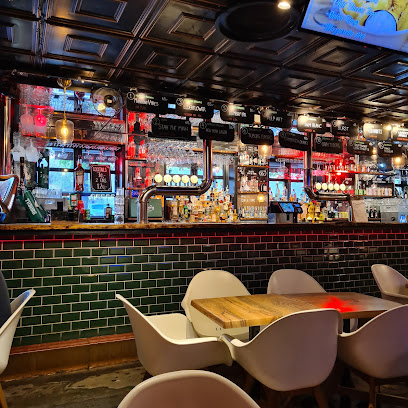
Helsingør Musikteater
3.2 km
Historic theatre and bar hosting live concerts, exhibitions, and dinner events in central Elsinore.
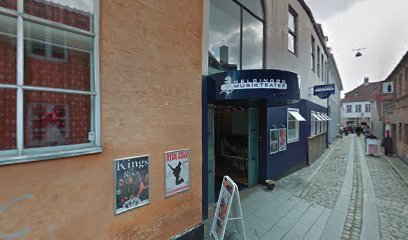
Axelhus Udeservering
3.3 km
Open-air corner bar on Bjergegade, where simple food, cold beer and Axeltorv’s street life come together in the historic heart of Helsingør.
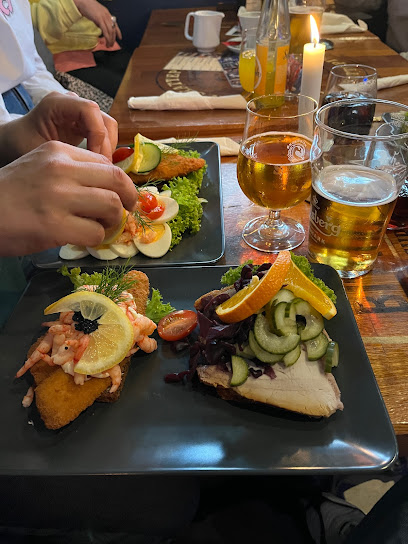
Banana joe
3.3 km
Compact late-night bar above Helsingør’s nightlife strip, serving straightforward drinks, warm lighting and a relaxed local vibe long after the streets quieten.
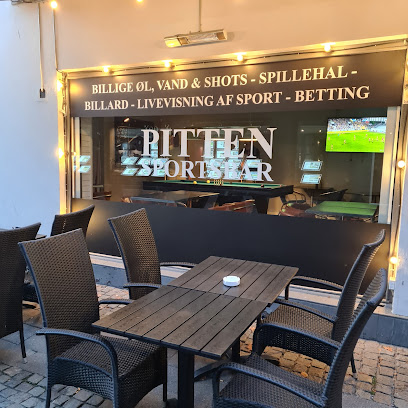
Pitten Sport Bar
3.4 km
Straightforward sports, cold beer and local Helsingør character in a relaxed neighbourhood bar just a short stroll from the harbour and historic centre.
Hold-An
3.4 km
Unfussy beer hall and local bar in central Helsingør, pouring cold brews, simple bites and everyday Danish hygge from late morning to late night.
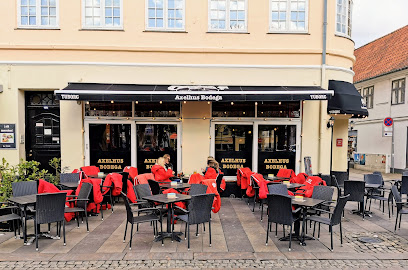
Axelhus
3.4 km
Casual bodega and burger bar in Helsingør's old town, open late on weekends with beer and Danish comfort food.
Strandborg
3.4 km
Waterfront bar and restaurant where Helsingør's harbor views meet casual Nordic dining and evening social scene.

Holger
3.5 km
Cozy cellar bodega on Helsingør’s Stengade, pouring inexpensive beers and spirits, with live music nights and a laid-back local crowd deep into the night.
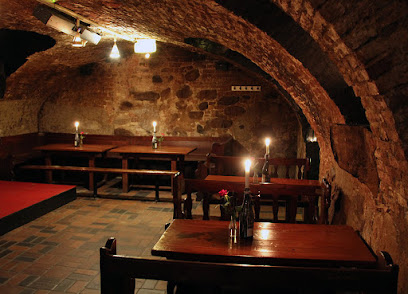
Joker Bar
3.6 km
Relaxed Danish bar offering casual drinks and friendly conversation in historic Helsingør.
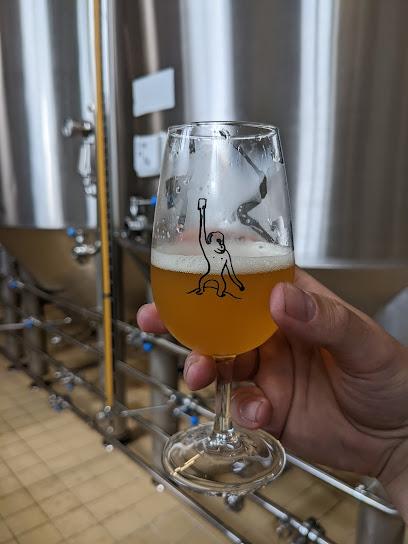
Brewski
8.9 km
Craft beer excellence in the heart of Helsingborg, where global brewing traditions meet Nordic innovation.
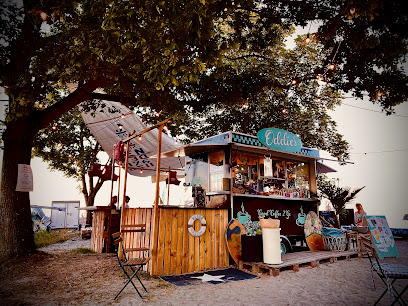
Oddies Beach Bar
15.5 km
Relaxed beach bar on the sand at Rungsted Havn, blending Nordic coastal charm with a hint of tropical island mood and sweeping Øresund sea views.
Nightclubs & after hour spots

Walther's grillkylling og svuppeklub
1.5 km
Intimate neighborhood nightclub in Helsingør with loud music, simple drinks, and a playful local vibe behind an unassuming facade on Rødegårdsvej.

Rustik
3.0 km
Helsingør's premier weekend nightclub with craft cocktails and high-energy dancing until dawn.
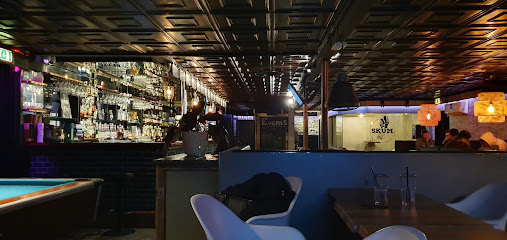
Retro
3.3 km
High-energy weekend nightclub in central Helsingør, mixing big-room beats, bright lights and a young crowd in what calls itself the largest club north of Copenhagen.
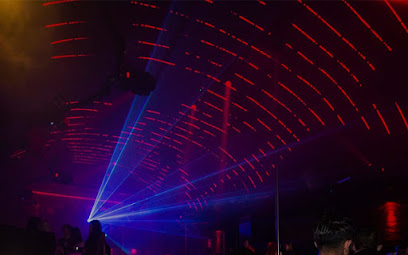
Socialz
19.3 km
Intimate cocktail bar and nightclub in the heart of Hillerød, blending shisha lounge vibes, late-night DJ sets and a compact dance floor on lively Slotsgade.
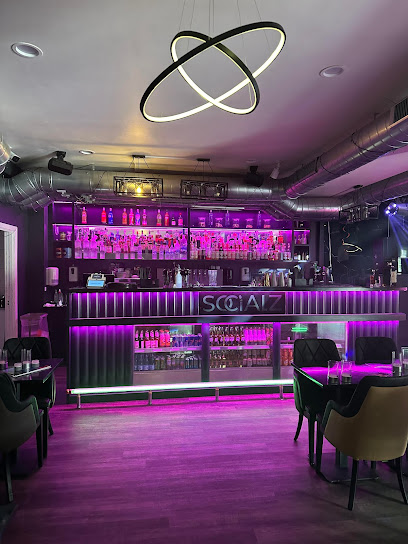
SIGURD CPH
35.4 km
Discover the pulse of Copenhagen's nightlife at SIGURD CPH, where vibrant dancing, fine wines, and pachinko gaming come together for an unforgettable experience.

Afrobeat Palace Nightclub
35.9 km
Discover the energetic Afrobeat Palace Nightclub in Copenhagen, where music, dance, and multicultural vibes unite for an unforgettable nightlife experience.
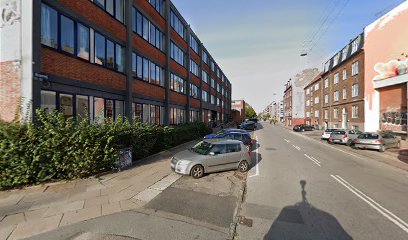
Den Dansende Viking
36.6 km
High-energy suburban nightclub in Egedal Centret, serving packed dance floors, late-night DJ sets and budget-friendly drinks for party-focused weekends.
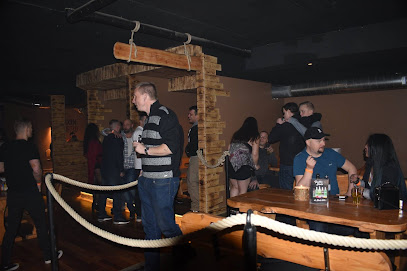
RUST Natklub
36.8 km
Discover the pulsating heart of Copenhagen's nightlife at RUST Natklub, where eclectic beats and vibrant energy come together for an unforgettable experience.

Temple Bar
37.0 km
Discover the energetic vibe of Temple Bar in Nørrebro, Copenhagen, where great drinks and lively entertainment meet.
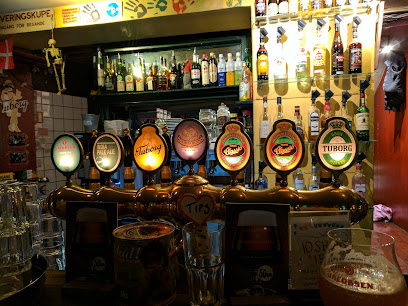
Culture Box
37.4 km
Discover the heartbeat of Copenhagen's nightlife at Culture Box, where music, art, and dance create an unforgettable experience.
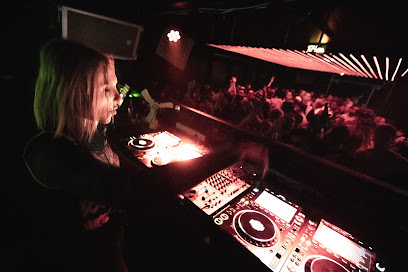
Falafelberg
37.4 km
Discover the pulsating nightlife of Frederiksberg at Falafelberg, a night club offering delicious falafel and electrifying music for an unforgettable experience.
Mini Bar
37.8 km
Discover the vibrant nightlife of Copenhagen at Mini Bar, a premier night club offering eclectic tunes and a lively atmosphere for unforgettable nights.
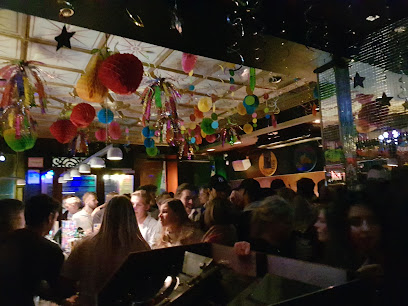
Moon Club
37.9 km
Discover the pulsating nightlife of Copenhagen at Moon Club, where electrifying beats and vibrant energy create unforgettable nights.
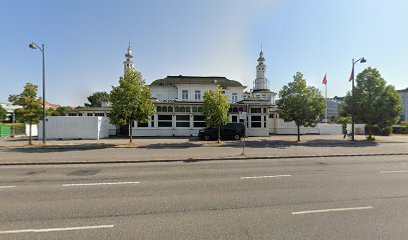
Mirage
37.9 km
Dive into the electrifying nightlife at Mirage, Copenhagen's premier night club for an unforgettable evening of music, dancing, and entertainment.

Arch
37.9 km
Discover the vibrant nightlife of Copenhagen at Arch, a premier night club offering electrifying music and an unforgettable atmosphere.

For the vibe & atmosphere seeker
- Fun-filled
- Lively
- Unique
- Scenic
- Casual
For the design and aesthetic lover
- Industrial Designs
- Modern Designs
For the architecture buff
- Historic
- Landmarks
- Art & Design
For the social media creator & influencer
- Photo Spots
- Architectural Shots
- Instagrammable
- Reel-Friendly
For the eco-conscious traveler
- Public-Transport Accessible
- Low Impact
For the kind of experience you’re after
- Cultural Heritage
- Photowalk
- Adventure Photo Shoot
- Day Trip
- Roadtrip Stop
For how adventurous you want the journey to be
- Easy Access
Location Audience
- Family Friendly
- Child Friendly
- Teen Friendly
- Senior Friendly
- Wheelchair Access
- Solo Friendly
- Couple Friendly
- Solo Female Friendly
- Vegetarian Friendly
- Vegan Friendly


