
Christianshavn
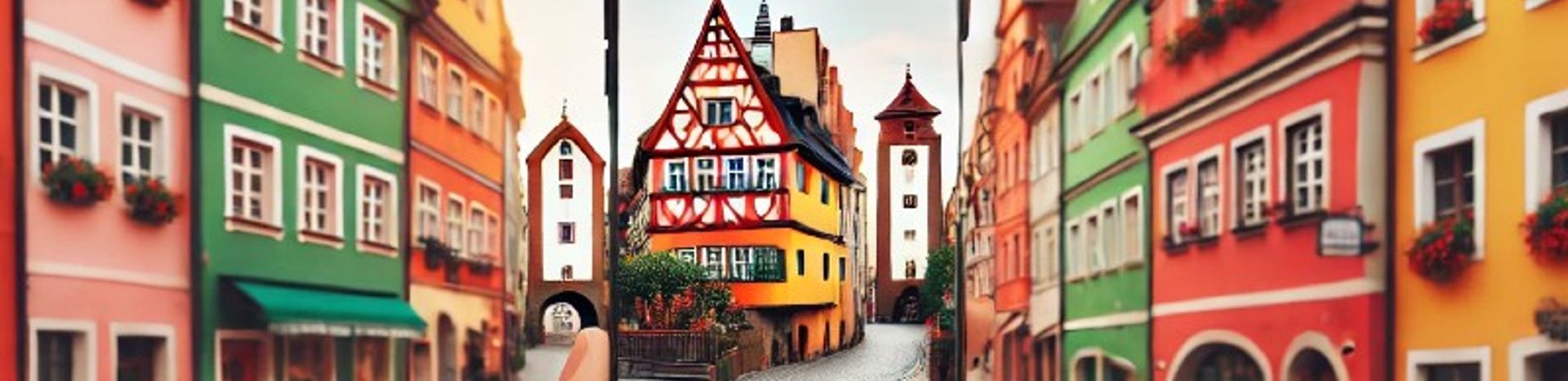
Maritime charm meets modern cool in Copenhagen's most picturesque neighbourhood of coloured houses and idyllic canals.
Christianshavn is Copenhagen's most picturesque maritime neighbourhood, featuring colourful 17th-century buildings, idyllic canals, and a vibrant blend of historic charm and contemporary culture. Once a working-class sailors' district, it has evolved into a trendy residential area home to world-class restaurants, cosy cafes, and the alternative free town of Christiania. Narrow cobbled streets, waterfront promenades, and preserved architecture create an atmosphere of hygge and authenticity that defines modern Copenhagen.
A brief summary to Christianshavn
- Copenhagen, Indre By, DK
- Duration: 2 to 6 hours
- Free
-
 Outdoor
- Mobile reception: 5 out of 5

Know before you go
Hi, I'm Eve. Here are a few practical things to know before exploring Christianshavn.
- Visit the Church of Our Saviour and climb the spire for panoramic views of Copenhagen. The fee is modest, and the vantage point offers some of the city's best perspectives.
- Explore Christianshavn by bicycle using the free citybike system, which has stalls throughout the neighbourhood. The small, quiet streets are ideal for cycling and discovering hidden corners.
- Time your visit for summer evenings to experience the waterfront cafes and restaurants at their best, when outdoor seating along the canals creates an authentic Copenhagen atmosphere.
- Walk the Harbour Circle path from Nyhavn to Sydhavn, passing the Danish National Library and Danish Architecture Center. This scenic route showcases the neighbourhood's waterfront beauty.
- Visit Christiania with respect for its residents and rules. Photography restrictions apply in certain areas; always ask permission before photographing people or their homes.
Do you manage this location?
Take control to get all the benefits, like improved information, better appearance, and stronger visibility across AI-powered discovery. Learn more
Activate your presenceOther nearby places you may find interesting
Getting There
-
Metro & Bus
From Copenhagen Central Station, take the Metro M1 or M2 line directly to Christianshavn Station (approximately 5–8 minutes). Alternatively, bus 2A runs through downtown Copenhagen and crosses the harbour via Torvegade, stopping at Christianshavn Square and the Metro station. Journey time from the city centre is 10–15 minutes depending on traffic. Single tickets cost approximately 24 DKK within Zone 1.
-
Walking
From Strøget (Copenhagen's main shopping street), walk to Amagertorv, pass Christiansborg Palace, and cross the Knippelsbro Bridge on foot. The walk takes approximately 10–15 minutes and is pleasant and flat, offering views of the harbour and canals as you approach. No payment required.
-
Bicycle
Use Copenhagen's free citybike system (Bycyklen) or rent a standard bicycle from numerous shops throughout the city. Cycling to Christianshavn from the city centre takes 8–12 minutes depending on your starting point. Citybike rental costs approximately 80 DKK for a 24-hour pass. The neighbourhood's flat terrain and dedicated cycle paths make cycling safe and enjoyable.
-
Harbour Bus
Take the harbour bus (Canal Tours Copenhagen) from Nyhavn or other central waterfront locations. The boat journey to Christianshavn offers scenic views of Copenhagen's waterfront and takes approximately 15–20 minutes. Tickets cost approximately 70–80 DKK depending on the route and operator.
For the on-the-go comforts that matter to you
-
 Restrooms
-
 Drink Options
-
 Drinking Water
-
 Food Options
-
 Seating Areas
-
 Sheltered Areas
-
 Picnic Areas
-
 Trash Bins
-
 Information Boards
-
 Visitor Center
Discover more about Christianshavn
A Merchant Town Born from Royal Vision
Christianshavn was established in the 17th century by King Christian IV, who drew inspiration from Dutch merchant towns such as Amsterdam. The neighbourhood quickly became a bustling centre of maritime commerce and trade, with shipyard owners and merchants establishing themselves along streets like Wildersgade, where Carl Wilder operated his influential shipyard in the 18th century. Many of the district's most distinctive buildings date from this era, including the historic structures on Torvegade—numbers 22, 24, 27, and 30—which remain listed buildings and testify to the neighbourhood's prosperous past. The layout and character of Christianshavn still reflect this Dutch-influenced urban planning, with its network of canals and orderly streets creating a unique identity within Copenhagen.From Working-Class Harbour to Trendy Urban Oasis
For centuries, Christianshavn remained a rough sailors' neighbourhood, its character shaped by the working people who depended on the sea for their livelihood. The district's transformation accelerated dramatically in the 1970s when hippies and artists established the free town of Christiania, a squatter community that has since become an iconic symbol of Copenhagen's alternative culture. Today, Christianshavn has evolved into one of Copenhagen's most desired residential areas, attracting people from all walks of life. The neighbourhood seamlessly blends its maritime heritage with contemporary sophistication, where old school bodegas sit alongside Michelin-starred restaurants and fancy establishments. This juxtaposition creates an authentic, down-to-earth atmosphere that appeals to both locals and visitors seeking genuine Copenhagen character.Architectural Beauty and Historic Landmarks
The coloured houses and idyllic canals are Christianshavn's most distinctive visual features, making it one of Copenhagen's most photographed neighbourhoods. The Church of Our Saviour dominates the skyline with its iconic spire, which visitors can climb for a small fee to enjoy panoramic views of the city. Sankt Annæ Gade, named after the mother of the Virgin Mary, has been a street since Christianshavn's founding and retains its historic character despite centuries of change. Christianshavn's Mound, part of Copenhagen's old defence system, now serves as a green recreational area surrounded by water, offering walks past historical buildings, cafes, and restaurants. The neighbourhood's architectural preservation extends to its bridges, including the elegant Circle Bridge connecting the two sides of Christianshavn's Canal, and Børnehusbroen, which commemorates the former Children's House that once stood in the area.Waterfront Living and Canal Culture
Water defines Christianshavn's identity and lifestyle. The neighbourhood is virtually surrounded by water, accessible only across the Knippelsbro Bridge and the dam to Amager, which reinforces its distinct character as a semi-isolated urban village. The canals and waterfront promenades have become central to how residents and visitors experience the area. Locals gather to enjoy cold beers by the water's edge, while the Harbour Circle path connects Nyhavn to Sydhavn, offering scenic walks past the Danish National Library and Danish Architecture Center. The waterfront has become increasingly vibrant, with electric boat rentals allowing visitors to explore the city's waterways from a unique perspective. Summer evenings along the canals evoke a Parisian atmosphere, particularly at the intersection of Wilders Gade and Sankt Annæ Gade, where outdoor seating at cafes and restaurants draws crowds seeking hygge and connection.Culinary Excellence and Contemporary Culture
Christianshavn has emerged as a gastronomic destination, home to some of Copenhagen's finest restaurants specializing in Nordic cuisine. The neighbourhood's food scene ranges from world-class street food vendors to Michelin-starred establishments, reflecting its evolution from working-class district to culinary hotspot. Beyond fine dining, the area supports a thriving café culture, with specialty coffee shops, vintage-inspired eateries, and casual lunch spots serving open sandwiches and pastries. The neighbourhood's cultural offerings extend beyond food, with venues like the Royal Danish Opera and contemporary art spaces drawing creative professionals and culture seekers. This blend of high-end dining, artistic endeavour, and casual neighbourhood charm creates an environment where sophistication coexists with authenticity.Christiania: The Free Town Within
Fristaden Christiania, accessible from Prinsessegade, represents one of Copenhagen's most unique cultural phenomena. Established by squatters in 1971, this self-governing community has attracted non-conformists, artists, and creative individuals from across the globe for over five decades. Christiania operates on principles of collective business, communal workshops, and shared living spaces, creating a neighbourhood within the neighbourhood that maintains its own distinct identity and culture. The free town's colourful, creatively built houses and alternative lifestyle have made it a major tourist attraction while remaining a genuine residential community. Its presence enriches Christianshavn's character, embodying the neighbourhood's historical role as a haven for those seeking alternative ways of living.Explore the best of what Christianshavn has to offer















More about North Zealand
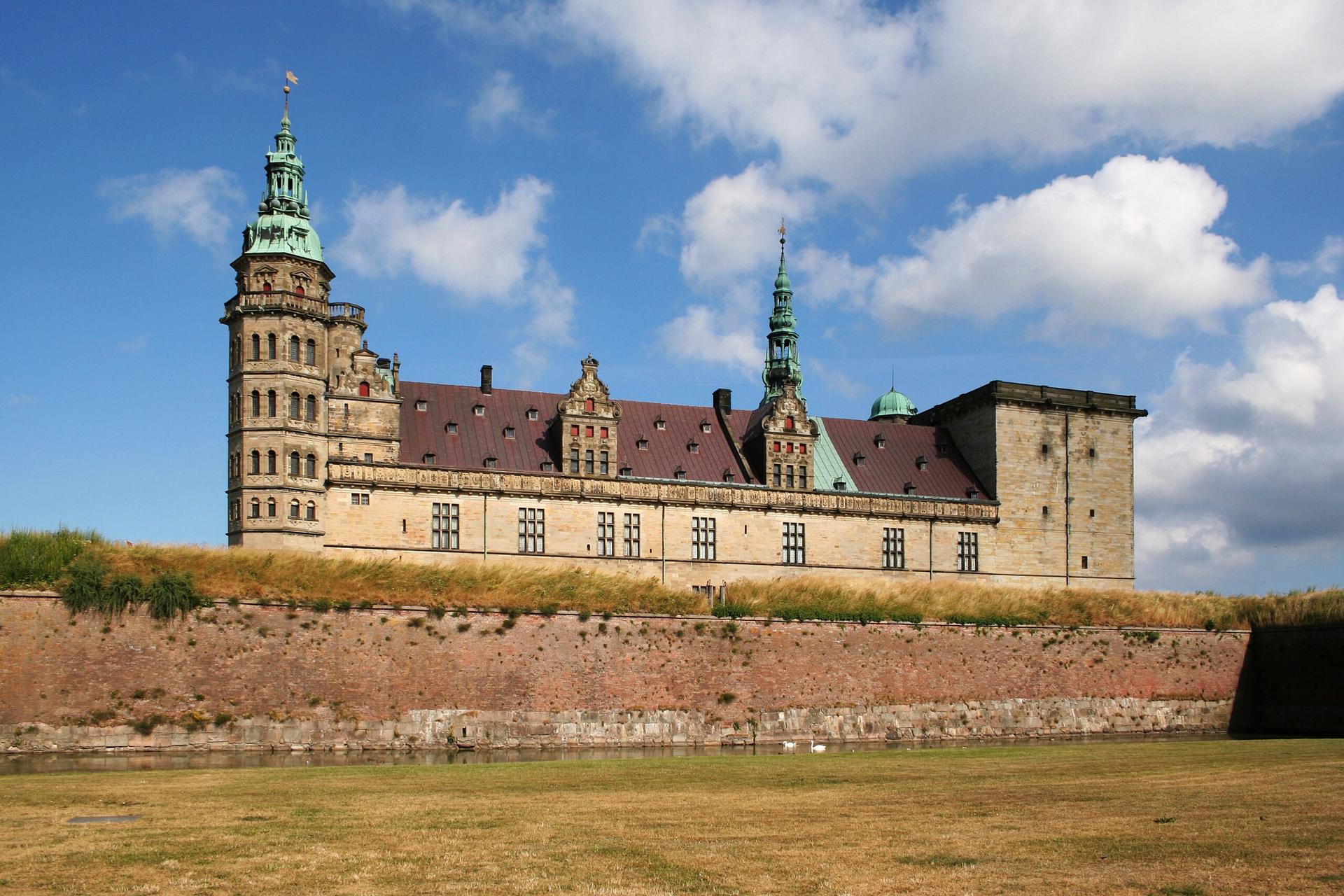
Explore North Zealand, Denmark's enchanting region of castles, beaches, and royal estates, perfect for history buffs, nature enthusiasts, and seaside lovers.
Tell me more about North Zealand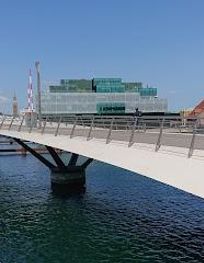
A graceful ribbon of steel for cyclists and pedestrians, Lille Langebro floats across Copenhagen’s Inner Harbour, blending everyday utility with sculptural elegance.
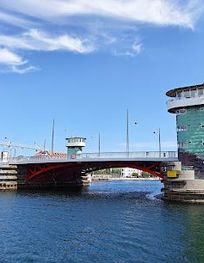
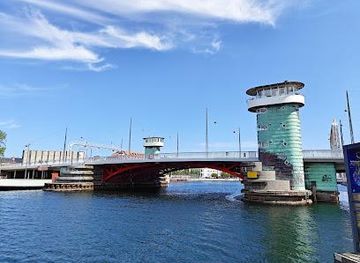
Copper-topped towers, lifting roadway and harbor breezes make Knippelsbro a compact, characterful bridge linking historic Slotsholmen with canalside Christianshavn.
