

Knippelsbro, Køge Travel Guide
Free Guide: Copper-topped towers, lifting roadway and harbor breezes make Knippelsbro a compact, characterful bridge linking historic Slotsholmen with canalside Christianshavn.


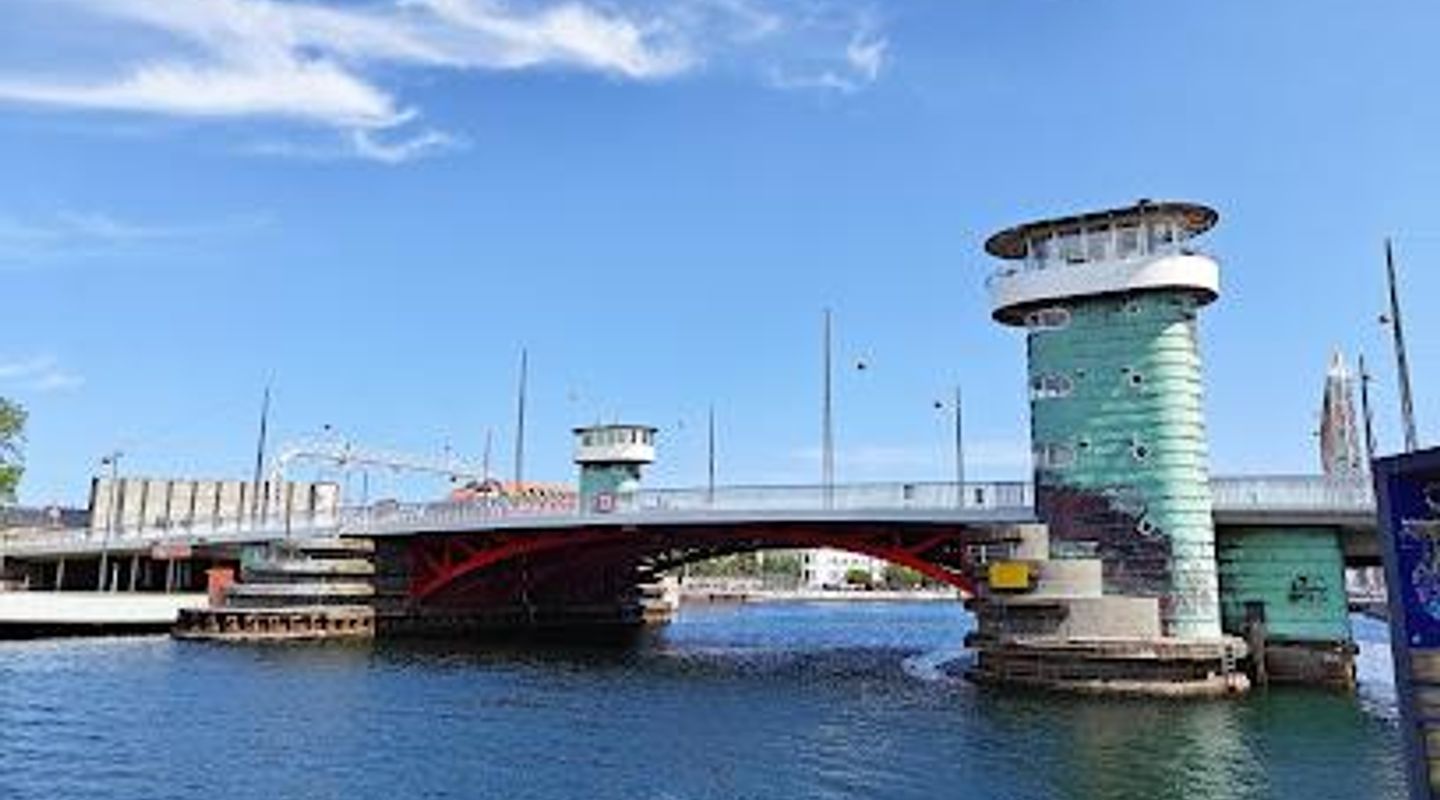
A brief summary of Knippelsbro
Copper-topped towers, lifting roadway and harbor breezes make Knippelsbro a compact, characterful bridge linking historic Slotsholmen with canalside Christianshavn.
Knippelsbro is Copenhagen’s iconic bascule bridge linking historic Slotsholmen with the canals and cobbles of Christianshavn. Opened in 1937 and crowned by its distinctive verdigris copper towers, it blends functionalist engineering with harbor views, busy bike lanes and a working drawbridge that still lifts for passing ships. More than a crossing, it is a living slice of the city’s maritime and architectural story.
On-site amenities
 Restrooms
 Drink options
 Drinking water
 Food options
 Seating areas
 Trash bins
 Information boards
Opening hours
- Every dayOpen 24 hours
Opening hours as listed on the venue’s Google Business Profile. Hours can change for services and special events, so check with the venue before you go.
- Address
- Knippelsbro, 1409 København K
- Website
Getting there
Metro from central Copenhagen
City bus connection
Bicycle within the city
Harbor boat services
Discover more about Knippelsbro
A working link between city and harbor
Knippelsbro stretches across Copenhagen’s Inner Harbour, carrying a constant stream of cyclists, cars and pedestrians between the administrative heart of Slotsholmen and the canals of Christianshavn. The bridge’s compact 115‑meter span feels intensely urban, with water close below and a skyline of spires, towers and modern offices unfolding on both sides.Stand at the railing and the bridge’s purpose becomes clear. Ferries, workboats and leisure craft slide along the channel, and when a taller vessel approaches, traffic halts and the roadway lifts. In a city defined by the sea, Knippelsbro is both everyday infrastructure and a stage where harbor life plays out in real time.
Centuries of crossings on the same spot
The current bridge is only the latest in a line of crossings that began here in the early 17th century, when Christian IV ordered a link to his new town of Christianshavn. Wooden predecessors, sometimes called the Great Amager Bridge or Christianshavn’s Bridge, once stood where you are now, decorated with heroic sculptures and timber gates.Over time, those early structures gave way to more robust solutions as Copenhagen grew and shipping intensified. By the late 19th and early 20th centuries, iron and railway bridges occupied the site. Each version had the same basic task—connecting the city across the harbor—yet the changing materials and forms trace Denmark’s evolution from fortified port to industrial power and, eventually, to a modern capital.
Functionalist form and copper‑clad towers
The present Knippelsbro was inaugurated in 1937, embodying the clean lines and pragmatic elegance of interwar functionalism. Its most recognizable features are the two copper‑clad bridge towers, whose verdigris silhouettes rise like ship funnels beside the roadway. Inside, narrow staircases once led to control rooms, boiler spaces and a ring of windows where the bridgemaster oversaw operations from high above the water.Structurally, Knippelsbro is a bascule bridge, its central deck rotating upward on hidden counterweights so ships can pass. The mechanism is largely invisible to passersby, but the brief pause, the whir of machinery and the sight of the roadway lifting remain quietly dramatic. The towers gained symbolic status too: they are depicted on Denmark’s 200‑kroner banknote, anchoring the bridge firmly in the national imagination.
From traffic hub to cultural meeting point
In recent years, one of the towers on the Christianshavn side has been transformed into a small cultural venue, known locally as a culture tower. This adaptive reuse adds a surprising layer to a structure often viewed only from the saddle of a bicycle. Inside, exhibitions, intimate events and harbor views reframe the bridge as a gathering place rather than just a route across the water.Around the bridge, the city tells more stories. Slotsholmen holds historic institutions and landmark buildings, while Christianshavn offers canal-side warehouses, houseboats and cobbled lanes. Knippelsbro sits between these worlds, making it a convenient point from which to explore both sides of the harbor on foot.
Experiencing Knippelsbro on foot or by bike
Most encounters with Knippelsbro are fleeting: a brisk pedal over the crest, a quick glance at the water. Slowing down reveals more. On windy days, the harbor air carries salt and diesel; in calm weather, reflections of towers and masts ripple below. Dawn and dusk are especially atmospheric, with soft light catching the copper cladding and long shadows stretching across the deck.Photographers find strong compositions in the geometry of railings, tramlines of cycle lanes and the vertical punch of the towers. For many visitors, the simple act of pausing midway, watching the city move around them and feeling the bridge subtly vibrate under traffic is enough to appreciate Knippelsbro as both a piece of engineering and a lived urban space.
A bridge woven into Copenhagen’s identity
Although modest in size compared with some of Denmark’s great spans, Knippelsbro occupies an outsized place in Copenhagen’s story. It is one of only a couple of central harbor crossings for vehicles, a key artery in the city’s cycling network and a recognizable motif in art, photography and design.The bridge’s endurance on this historic crossing point, its blend of functionalist architecture and maritime character, and its evolving role—from toll point to traffic node to cultural micro‑landmark—make it a rewarding stop on any exploration of the inner city. Whether you cross it in seconds or linger to watch the bascule lift, Knippelsbro offers a compact, authentic glimpse of Copenhagen’s relationship with its harbor.
Evendo Review Centre
 Google
Guest reviews
Best time to go
Quietest: Jan, Feb & Mar · before 6am or at 10pm
Busy times are Evendo estimates for a typical year, to help you plan. Actual crowds vary with events, school holidays and the weather.
Explore Knippelsbro on the map
A handpicked selection of must-see spots near Knippelsbro, mapped for you.
Get your free copy of our complete guide to Knippelsbro, delivered straight to you.
Everything on this page, from opening hours and how to get there to Eve’s tips and the best time to go, in one PDF you can read offline, print or share.
Already have an account? Sign in
Your Knippelsbro guide is ready.
We'll send it to · Not you? Sign out

Getting your guide ready…
We are putting together a fresh copy of the Knippelsbro guide. This can take up to a minute.
This can take a few moments. If your browser asks, choose Allow so the download can start. You'll find the guide in your Downloads folder.
Nothing happened? Download it again
Sorry, the guide is taking longer than usual. Please try again in a minute, or get it by email instead.
Unlock the best of Knippelsbro
Skip-the-line tickets, guided tours with entry, and walking tours of the area, booked in a few clicks.

Other nearby places you may find interesting
The closest places of the same kind, if this one is not quite what you had in mind.
-
-
-
-
-


Swipe for more places
More to explore near Knippelsbro

 Best experiences near Knippelsbro
 Best hotels near Knippelsbro
 Best landmarks near Knippelsbro
 Best attractions near Knippelsbro
 Best shops near Knippelsbro
 Best restaurants near Knippelsbro
 Best bars near Knippelsbro
Do you manage this location?
Take control to get all the benefits, like improved information, better appearance, and stronger visibility across AI-powered discovery.
Explore more
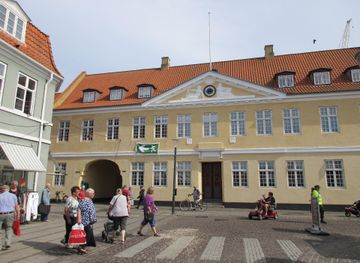
Explore more of Køge
Explore Køge, Denmark's coastal gem, with its medieval charm, beautiful marina, and close proximity to the stunning Stevns Klint UNESCO World Heritage site.
Explore Køge
Explore more of Denmark
Discover Denmark: A perfect blend of history, modern design, and the cozy concept of hygge. Explore vibrant cities, serene landscapes, and world-class cuisine.
Explore Denmark
