
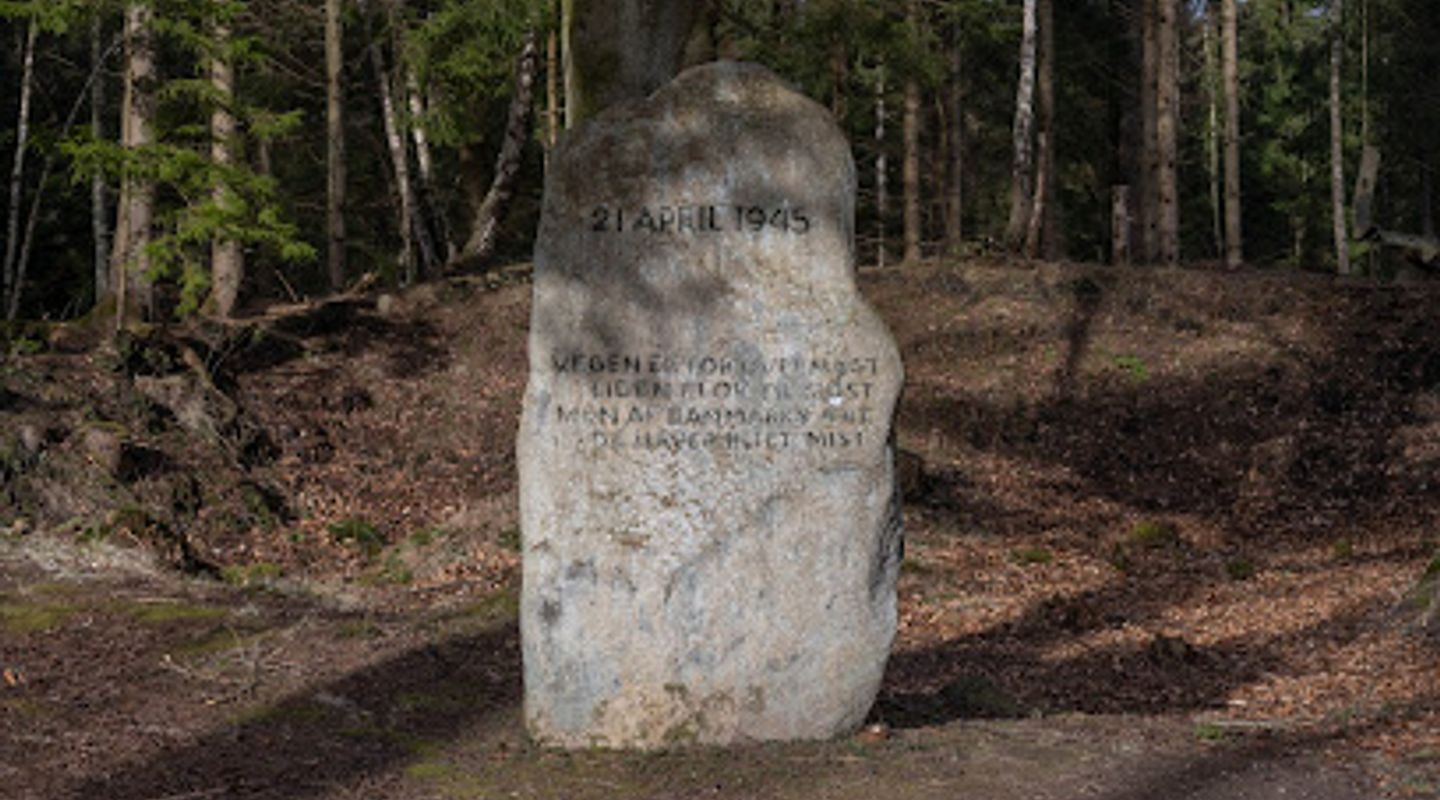
Kulsvierstenen, Hillerod Travel Guide
A modest forest stone with a powerful World War II story, Kulsvierstenen quietly commemorates resistance fighters amid the stillness of Gribskov.
Hidden among the tall conifers of Gribskov near Fredensborg, Kulsvierstenen is a modest yet powerful World War II memorial stone. Erected in September 1945, it marks the clandestine drop zone where the resistance group later known as the Kulsvier Battalion received illegal weapon shipments from Allied aircraft. A short walk away, a smaller stone carved with Morse code recalls the signal once used to guide the planes in. Today the site pairs quiet forest atmosphere with poignant wartime history.
A brief summary to Kulsvierstenen
- Fredensborg, 3480, DK
- Click to display
- Duration: 0.5 to 1.5 hours
- Free
-
 Outdoor
- Mobile reception: 3 out of 5

Know before you go
Hi, I'm Eve. Here are a few practical things to know before exploring Kulsvierstenen.
- Wear waterproof or sturdy footwear; forest paths around Kulsvierstenen can be muddy, rooty and slippery after rain.
- Bring a flashlight or headlamp if you visit in late afternoon outside summer, as the dense forest gets dark quickly.
- Take a photo or note of the Morse stone’s inscription; it is easy to overlook and offers a unique detail of the site’s history.
- Combine a stop at Kulsvierstenen with a longer loop walk in Gribskov to experience both the memorial and the wider forest.
- There are no facilities at the memorial itself, so bring water and snacks, especially if you are hiking with children.
Do you manage this location?
Take control to get all the benefits, like improved information, better appearance, and stronger visibility across AI-powered discovery. Learn more about listing your business on Evendo
Activate your presenceOther nearby places you may find interesting
The closest places of the same kind, if this one is not quite what you had in mind.

Explore Kulsvierstenen on the Map
A handpicked selection of must-see spots near Kulsvierstenen, mapped for you.
Getting There
-
Train and walk from Hillerød
From central Copenhagen, take an S-train to Hillerød, then transfer to a local train toward Gilleleje or Tisvildeleje and alight at a station bordering Gribskov, such as Kagerup. The rail journey typically takes 45–70 minutes in total and runs at least twice an hour during the day. A standard adult ticket from Copenhagen to this area usually falls in the range of 60–90 DKK one way, depending on zones and ticket type. From the station, expect a forest walk of around 30–45 minutes on unpaved paths to reach Kulsvierstenen, with uneven terrain making it less suitable for wheelchairs and prams.
-
Regional bus and forest access
Regional buses connect Fredensborg and nearby towns with stops along roads bordering Gribskov. Travel time from Fredensborg to a suitable bus stop near the forest edge is typically 15–30 minutes, depending on route and time of day. A single bus ticket within the region usually costs around 25–40 DKK. From the road, you will need to follow waymarked forest tracks on foot for 20–40 minutes to reach the memorial, so this option suits reasonably fit visitors comfortable navigating forest paths without paved surfaces.
-
Car access from North Zealand
Driving from Fredensborg, Hillerød or other North Zealand towns, you can reach one of the public parking areas on the fringes of Gribskov in about 15–30 minutes, depending on your starting point and traffic. There is no dedicated car park immediately beside Kulsvierstenen, so plan for a forest walk of at least 20–30 minutes from the nearest marked parking. Parking at general forest car parks is usually free, but spaces can be limited on fine weekends and holidays, and surfaces are typically gravel or dirt rather than paved.
For the on-the-go comforts that matter to you
-
 Trash Bins
-
 Information Boards
Discover more about Kulsvierstenen
A quiet forest clearing with a wartime story
Kulsvierstenen sits deep in Gribskov, one of North Zealand’s great forests, where the straight trunks of spruce and pine filter the light into a soft green haze. At first glance it looks like a simple, roughly hewn boulder standing in a modest clearing. Step closer and the carved inscription reveals its real purpose: this is a memorial raised soon after World War II to honor a local resistance group and a dramatic night in 1945.The surrounding woodland feels peaceful now, filled with birdsong, damp earth and soft needles underfoot. That calm is part of the memorial’s impact; it is easy to imagine the same trees witnessing hushed movements in the dark, the distant drone of engines above and whispered orders among young resistance fighters waiting below.From secret drop zone to Kulsvier Battalion
During the occupation, this part of Gribskov served as a drop zone for Allied aircraft delivering illegal weapons to the Danish resistance. On eight separate nights, containers parachuted down into the young conifer stands, to be hidden and distributed by a group of locals who later became known as the Kulsvier Battalion. The name, which literally evokes charcoal burners, is a nod to the forest rather than to any real link with charcoal making.On the night of 21 April 1945, the group gathered again to receive 18 containers. This time, German forces had discovered the plan. As the containers fell, soldiers moved in, surrounding the clearing. A firefight broke out in the darkness. Two German soldiers were killed, fourteen resistance members escaped into the forest, and four were captured. The stone stands as a sober reminder of that confrontation and the risks taken here.A memorial raised in the first days of peace
After the war, local landowner Axel Jarl, owner of nearby Sophienborg and Strødam, took the initiative to raise a permanent memorial at the site. Kulsvierstenen was unveiled on 23 September 1945, only months after the liberation, when memories of occupation were still sharp. The stone bears a short, solemn verse by the writer Carl Ploug, expressing the idea that a small nation may be overpowered yet still retain its spirit.The boulder itself is unpolished and robust, chosen to feel rooted in the forest rather than monumental or grand. Lichen and moss have begun to soften its edges, and the lettering has weathered gently, adding to the sense that this is a place where history and landscape have grown together over time.The Morse stone on the nearby ridge
South-east of Kulsvierstenen, on a low rise in the forest, a smaller natural stone lies almost hidden among heather and needles. Chiseled into its surface is the Morse code signal once used to identify the drop zone to Allied crews circling above the dark forest. It is an understated detail, but it brings an almost tactile connection to the clandestine communication that underpinned the operation.Finding this second stone adds a subtle layer to a visit: the memorial becomes not just a single object but a small landscape of memory, linking clearing and ridge, ground and sky. Walking between the two, you trace in miniature the line that once connected resistance fighters on the forest floor with pilots navigating by radio, code and courage.Experiencing Gribskov’s calm and contemplation
Today, visiting Kulsvierstenen is as much about atmosphere as about reading dates and names. There are no grand displays or visitor buildings, only simple paths threading through a working forest rich in fungi, birdlife and, at times, the cry of an osprey overhead. The site is not adapted for wheelchairs, and paths can be muddy or uneven, but for those who make the walk it offers a quietly reflective pause on a longer ramble through Gribskov.Many travelers combine a stop here with broader explorations of North Zealand’s castles, lakes and trails. In that context, Kulsvierstenen adds a layer of twentieth-century history to a region better known for royal palaces and manicured gardens. It invites you to slow down, read the stone, listen to the forest and consider how tranquil landscapes can hold intense human stories just below the surface.












Your all‑in‑one travel companion app
Explore expert travel guides, compare and book tours, experiences, hotels, and more—all from the palm of your hand. Download now for seamless trip planning wherever your wanderlust takes you.


Explore More of Hillerod
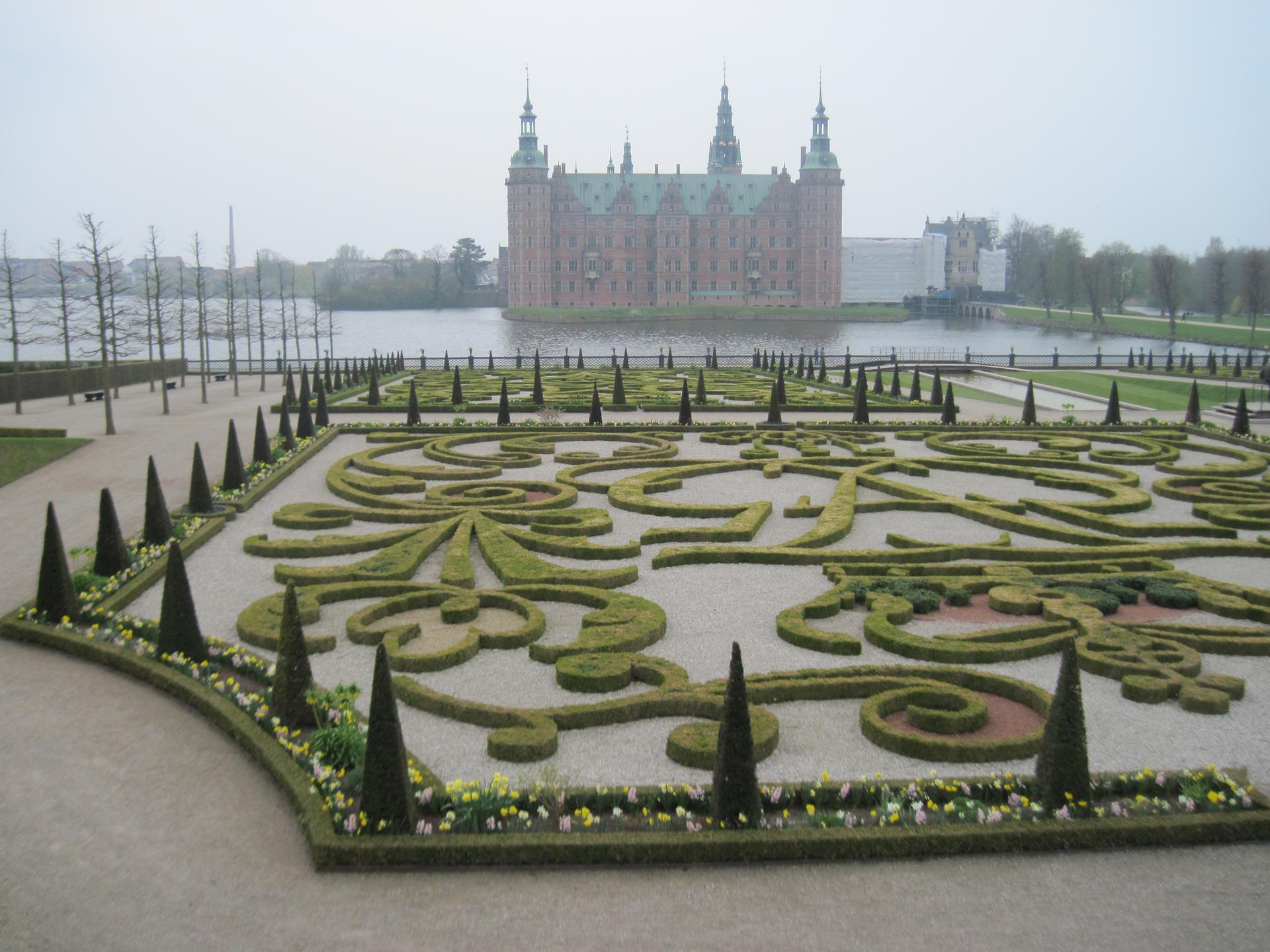
Looking beyond Kulsvierstenen? Discover Hillerod for broader travel guides, local hot-spots, and regional highlights.
Explore Hillerod
Once a busy Danish Navy barracks, today a quiet, semi‑abandoned camp on Arrenæs where stark military architecture meets lakeside nature and recent history.
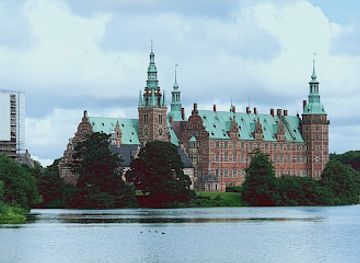
Denmark's Peace Palace: A Baroque masterpiece on Lake Esrum where royal history, architectural grandeur, and magnificent gardens converge.
