Fredensborg Palace
Denmark's Peace Palace: A Baroque masterpiece on Lake Esrum where royal history, architectural grandeur, and magnificent gardens converge.
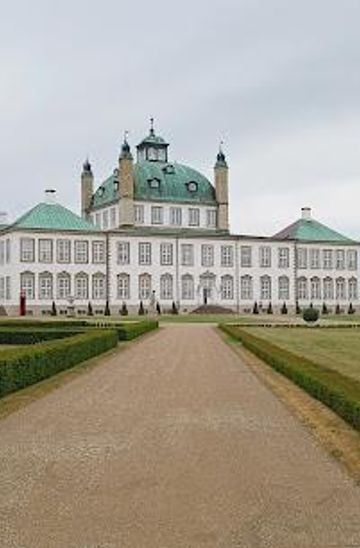
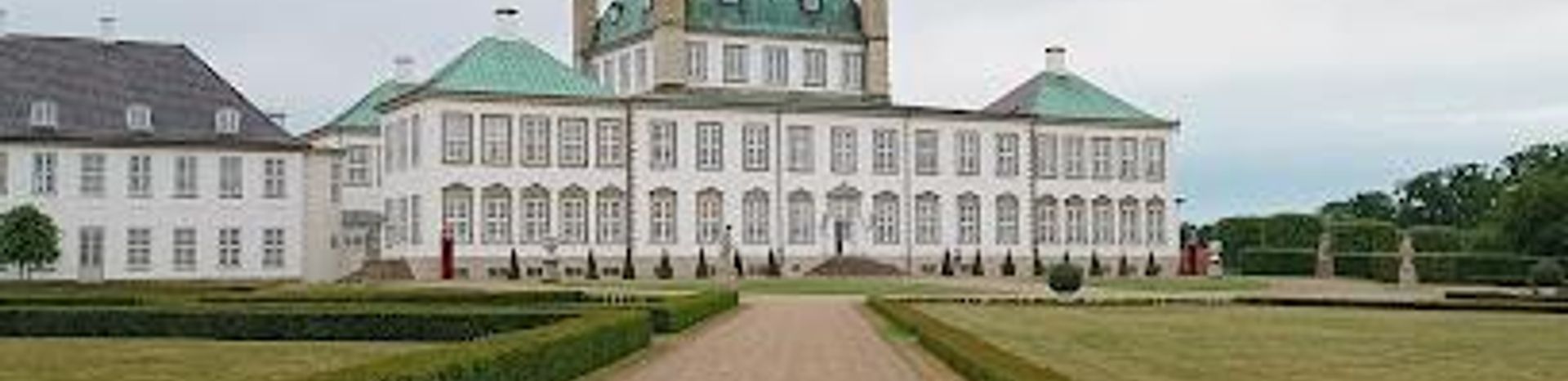
Fredensborg Palace is a magnificent Baroque royal residence on the shores of Lake Esrum, built in 1722 by King Frederik IV as a symbol of peace following the Great Northern War. Today it serves as the spring and autumn residence of the Danish Royal Family. The palace features exquisite interiors including the iconic Dome Hall and is surrounded by one of Denmark's most impressive Baroque gardens, with seven radiating avenues, sculptures, and the famous Valley of the Norsemen. While the palace interior is normally private, the extensive palace gardens are open year-round, and exclusive guided tours of the royal chambers and private gardens are available during July.
A brief summary to Fredensborg Palace
- Slottet 1B, Fredensborg, 3480, DK
- Click to display
- Click to display
- Duration: 2 to 3.5 hours
- Budget
-
 Mixed
Mixed
- Mobile reception: 4 out of 5

Know before you go
Hi, I'm Eve. Here are a few practical things to know before exploring Fredensborg Palace.
- Book guided tours online in advance during July; tickets cannot be purchased at the palace. Tours last 95 minutes and include access to the private Reserved Garden and royal chambers normally closed to the public.
- Visit the public palace gardens year-round to explore the seven radiating avenues, the Valley of the Norsemen with 68 sandstone sculptures, and the restored Brede Allé without needing a tour ticket.
- Allow 2–3 hours for a full visit if exploring the gardens thoroughly. The palace gardens are particularly beautiful in spring and autumn when the Royal Family is in residence.
- Parking is available at the palace; if full, use the parking area at Jernbanegade. The town of Fredensborg offers cafes and the historic 300-year-old Fredensborg Store Kro inn nearby.
- Combine your visit with nearby attractions such as The Hermitage in the UNESCO-listed Deer Park or Frederiksborg Castle in Hillerød, both within easy reach by train or car.
Do you manage this location?
Take control to get all the benefits, like improved information, better appearance, and stronger visibility across AI-powered discovery. Learn more
Activate your presenceOther nearby places you may find interesting
Getting There
-
Train from Copenhagen
Take the S-train line A from Copenhagen Central Station to Hillerød Station, approximately 40 minutes. From Hillerød Station, walk through the charming old town streets to Fredensborg Palace, approximately 20–25 minutes on foot through scenic routes, or take local bus 301 or 302 directly to the palace entrance. Total journey time from central Copenhagen is approximately 50–60 minutes. Trains run regularly throughout the day; check the Journey Planner for current schedules. Single ticket approximately DKK 80–100.
-
Car from Copenhagen
Drive north from Copenhagen via the E47 motorway toward Hillerød, approximately 30 kilometers, taking 35–45 minutes depending on traffic. Follow signs to Fredensborg and the palace. Parking is available at the palace entrance; if full, use the overflow parking area at Jernbanegade nearby. Fuel costs and tolls minimal; no motorway tolls in Denmark.
-
Guided tour bus from Copenhagen
Several tour operators offer half-day excursions from Copenhagen to Fredensborg Palace, typically departing in the morning and returning by early afternoon. Tours usually include transportation, palace garden access, and sometimes a guided introduction. Journey time approximately 45 minutes each way. Prices typically range from DKK 300–500 per person depending on inclusions; book in advance through tour operators.
-
Bicycle from Hillerød
From Hillerød Station, experienced cyclists can reach Fredensborg Palace via regional cycling routes, approximately 8–10 kilometers, taking 25–35 minutes depending on route and fitness level. The route passes through North Zealand countryside. Bike rental available in Hillerød. Suitable for moderate fitness levels; some gentle hills present.
For the on-the-go comforts that matter to you
-
 Restrooms
-
 Drink Options
-
 Food Options
-
 Seating Areas
-
 Picnic Areas
-
 Trash Bins
-
 Information Boards
-
 Visitor Center
Discover more about Fredensborg Palace
A Palace Born from Peace and Royal Vision
Fredensborg Palace stands as a testament to architectural ambition and royal vision, constructed between 1719 and 1722 on the eastern shore of Lake Esrum in North Zealand. King Frederik IV commissioned architect Johan Cornelius Krieger to transform a modest farmyard into a French-inspired Baroque pleasure palace. The palace's name—Fredensborg, meaning "Peace Castle"—commemorates the Treaty of Fredensborg, signed on the site in July 1720, which ended Denmark's eleven-year participation in the Great Northern War and determined the fate of the Skåne region. The king himself took an active part in planning the building and grounds, overseeing construction closely. The palace was officially inaugurated on October 11, 1722, on the occasion of Frederik IV's 51st birthday, marking the completion of the main structure that would define royal life for centuries to come.Architectural Evolution Across Two Centuries
The original palace comprised a square main building with an octagonal courtyard formed by single-story wings serving as servants' quarters. The chapel, with its exaggerated copper spire and heavily carved gable featuring a bust of Frederik IV, stood at the center of the complex. In 1724–1726, the Courtiers Wing was added, introducing elements of Dutch Baroque and Rococo styles to accommodate court clerks and members of the royal household. The Chancellery House, completed in 1731, served as offices and residences for ministers and government officials attending the sovereign. Major alterations followed under King Christian VI and Frederik V: in 1741–1744, architect Lauritz de Thurah elevated the roof of the main building, replacing the slanted roof with a flat one and adding a characteristic sandstone balustrade. In 1751, he transformed the Orangery into a residential building for ladies-in-waiting. Nicolai Eigtved's 1753 additions of four symmetrically positioned corner pavilions with copper pyramid-shaped roofs completed the palace's distinctive silhouette. These successive renovations created a cohesive example of 18th-century Baroque architecture, with the main structure remaining fundamentally unchanged since its inauguration.The Palace as a Living Center of Royal Life
Fredensborg Palace has served as more than a residence; it is a stage for the Danish monarchy's most significant moments. The palace hosted the wedding banquets of Queen Margrethe and Prince Henrik in 1967 and Crown Prince Frederik and Crown Princess Mary in 2004. The palace chapel has been the site of royal weddings, christenings, and confirmations since 1761, when Princess Sophia Magdalena was confirmed there. A distinctive tradition allows visiting heads of state to engrave their signatures on the palace windowpanes, creating a unique historical record of international diplomacy. Queen Margrethe II spent nearly half the year in residence—three months in spring and three months in autumn—continuing the tradition of gathering the extended royal family annually. The palace fell into disrepair in the 19th century after Christian VII and Frederik VI preferred Frederiksberg Palace, but it regained prominence under King Christian IX in 1863 and remains one of the Royal Family's most frequently used residences outside Copenhagen.Denmark's Versailles: The Baroque Garden Masterpiece
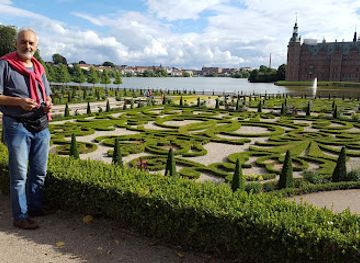
The Fredensborg Palace Garden ranks among Denmark's largest and most exquisite Baroque gardens, covering extensive grounds with a design inspired by the grand gardens of Versailles. The garden's defining feature is the Brede Allé, a magnificent main axis radiating from the palace's garden hall, complemented by six additional avenues that fan out in a semicircle. These long, straight avenues embody the precision of French Baroque design. The garden underwent significant rearrangement in the 1760s under Frederik V, and a major restoration of the Brede Allé was completed in 2013, for which the Agency for Culture and Palaces received the European Heritage Award from Europa Nostra in 2021. Within the formal avenues lie large forested areas with winding paths, reflecting the garden's evolution from strict Baroque geometry to Romantic naturalism. The Valley of the Norsemen, a distinctive cultural feature, displays 68 sandstone figures representing Norwegian and Faroese farmers and fishermen, originally carved by sculptor J.G. Grund and recast at the end of the 19th century. The Reserved Garden, normally closed to the public, showcases the royal family's private horticultural spaces, including herb gardens and a modern orangery that supplies fresh flowers and vegetables to the court. The public palace gardens remain accessible year-round, offering visitors a rare glimpse into royal landscape design and centuries of Danish cultural heritage.Seasonal Access and the Summer Experience
While the palace interior remains private for most of the year, exclusive guided tours open the royal chambers and private gardens to visitors during July. These 95-minute tours, conducted in Danish and English, provide access to the Reserved Garden and kitchen garden, normally closed to the public, along with the impressive Dome Hall and other royal interiors. Visitors can explore the royal playhouse and the Orangery while hearing stories about the palace's role in the Danish monarchy. The public palace gardens, however, remain open year-round, allowing visitors to experience the Baroque landscape design, sculptures, and the Valley of the Norsemen in all seasons. The palace's location on Lake Esrum, one of Denmark's largest lakes with its own history as a royal pleasure park in the 18th century, adds natural beauty to the cultural and architectural significance of the site.Explore the best of what Fredensborg Palace has to offer













More about Copenhagen Region
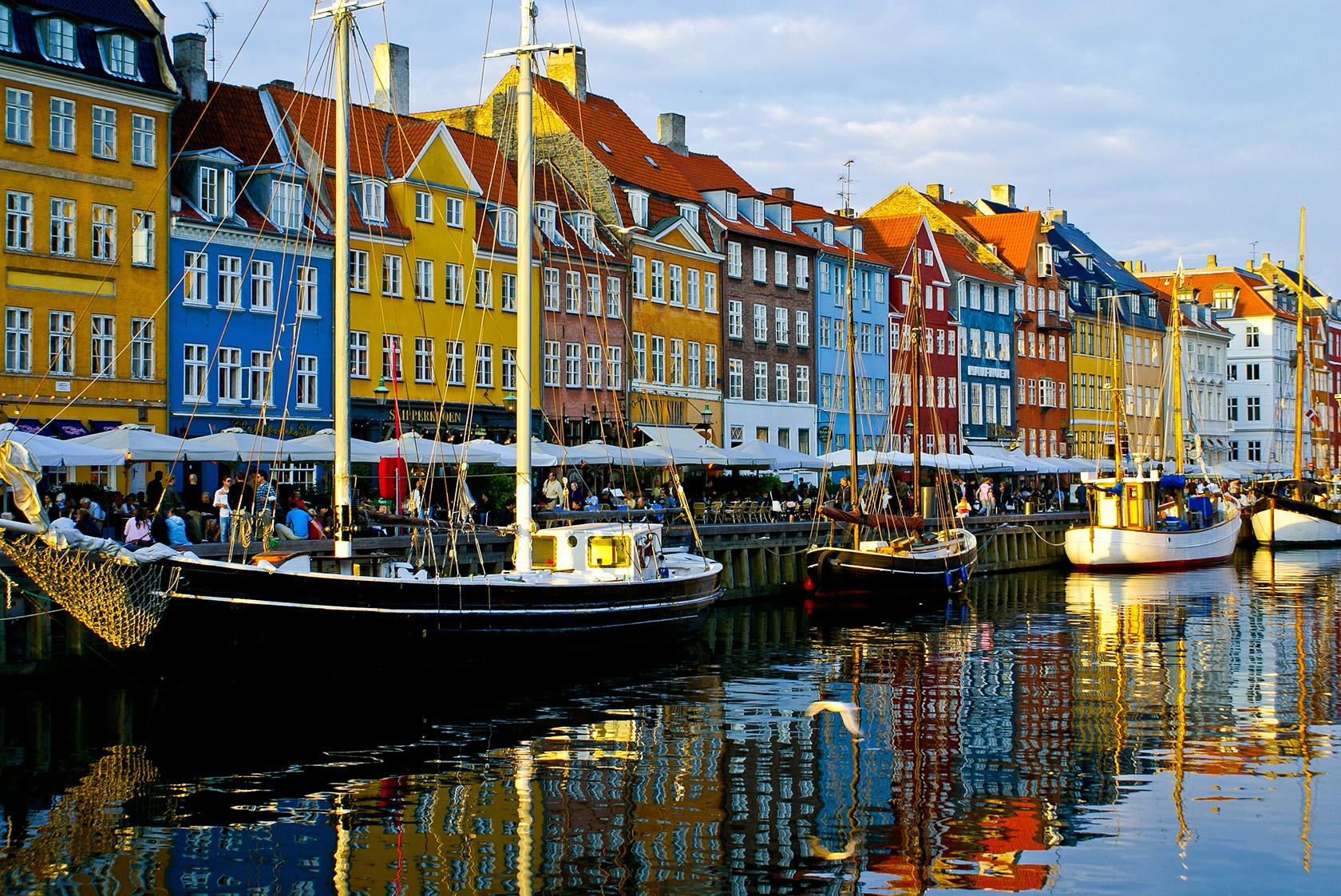
Discover the Copenhagen Region: A perfect mix of historic charm and modern vibrancy, offering scenic beauty, cultural landmarks, and a high quality of life.
Tell me more about Copenhagen Region
Once a busy Danish Navy barracks, today a quiet, semi‑abandoned camp on Arrenæs where stark military architecture meets lakeside nature and recent history.

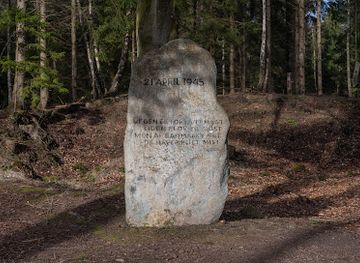
A modest forest boulder in Gribskov that marks a dramatic World War II resistance firefight, blending North Zealand’s tranquil woodland with powerful memory.