Frederiksborg Castle Chapel, Hillerod Travel Guide
Denmark's most exquisite royal chapel—a 400-year-old sanctuary of Baroque splendor and unbroken spiritual tradition.
A masterpiece of Baroque art and Renaissance craftsmanship, Frederiksborg Castle Chapel stands as one of Denmark's most significant religious and historical spaces. Built between 1606 and 1617 by King Christian IV, this ornate chapel miraculously survived the devastating castle fire of 1859 with its original interior largely intact. Today it serves as both a museum space and active parish church, housing priceless artifacts including the 400-year-old Compenius organ and an exquisite gold and silver altarpiece, while functioning as the ceremonial chapel for Denmark's highest orders of chivalry.
A brief summary to Frederiksborg Castle Chapel
- Frederiksborg Slot, Hillerød, 3400, DK
- Click to display
- Click to display
- Duration: 1 to 2 hours
- Budget
-
 Indoor
- Mobile reception: 4 out of 5

Know before you go
Hi, I'm Eve. Here are a few practical things to know before exploring Frederiksborg Castle Chapel.
- Visit on Thursday at 13:30 for a free 30-minute recital on the historic Compenius organ, the oldest organ in continuous use in Denmark. This intimate musical experience brings the chapel's 400-year history to life.
- Arrive early in the morning (around 10:00 when the museum opens) to experience the chapel in quieter conditions and appreciate its architectural details without crowds.
- Take time to view the chapel from the upper gallery to fully appreciate the six-vaulted stucco ceiling and the spatial grandeur that Christian IV intended.
- Explore the King's Oratory adjacent to the chapel to see Carl Bloch's 23 paintings depicting the life of Christ and understand the chapel's role as the royal family's private devotional space.
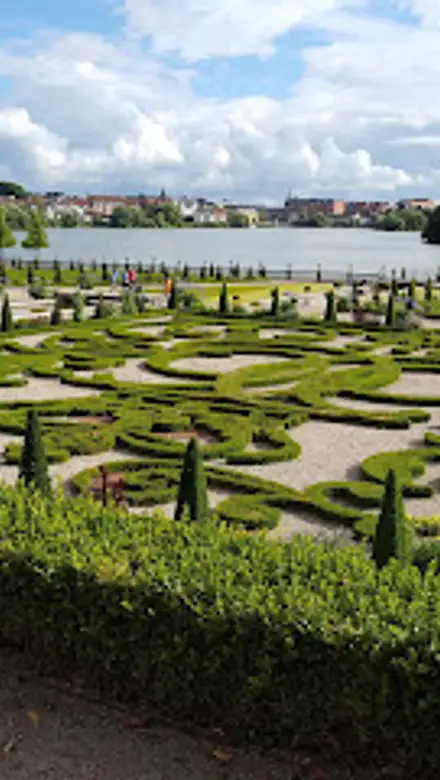
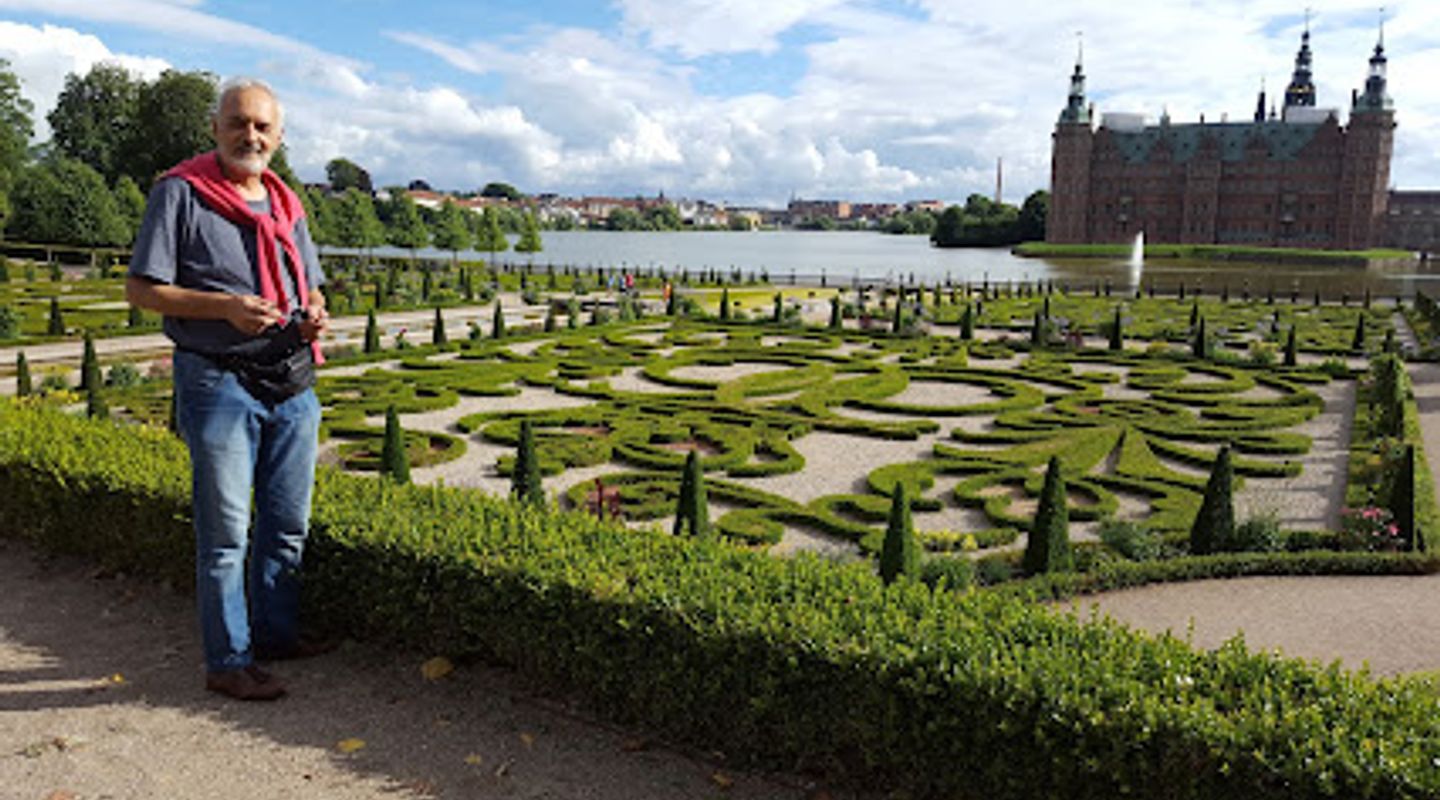
- After visiting the chapel, walk through Frederiksborg Castle's Baroque gardens and around the castle lake for stunning exterior views and a complete understanding of the complex's architectural magnificence.
Do you manage this location?
Take control to get all the benefits, like improved information, better appearance, and stronger visibility across AI-powered discovery. Learn more about listing your business on Evendo
Activate your presenceOther nearby places you may find interesting
The closest places of the same kind, if this one is not quite what you had in mind.

Explore Frederiksborg Castle Chapel on the Map
A handpicked selection of must-see spots near Frederiksborg Castle Chapel, mapped for you.
Unlock the Best of Frederiksborg Castle Chapel
Buy tickets
-
No tickets available
Book tours with entry
-
No tours available
Book tours without entry

Getting There
-
S-train from Copenhagen
Take the S-train line A from Copenhagen Central Station (København H) to Hillerød Station. Journey time approximately 35-40 minutes. From Hillerød Station, walk 15-20 minutes through the charming historic streets of Hillerød toward the castle, or take local bus 301 or 302 directly to Frederiksborg Slot stop. Train tickets cost approximately 80-100 DKK for adults; Copenhagen Card holders travel free.
-
Car from Copenhagen
Drive north from central Copenhagen via Route 16 toward Hillerød. Journey time approximately 40 minutes depending on traffic. The castle offers both paid and free parking options near the main entrance. Free parking is available in designated areas; paid parking typically costs 40-60 DKK for a full day. From parking, walk approximately 10 minutes through the gardens to reach the chapel entrance.
-
Guided tour from Copenhagen
Book a half-day or full-day guided coach tour departing from central Copenhagen. Most tours include round-trip transportation, museum admission, and guided commentary about the chapel and castle. Tours typically depart at 09:00-10:00 and return by 15:00-16:00. Prices range from 400-600 DKK per person including admission.
-
Bicycle from Hillerød town center
Rent a bicycle in Hillerød town center and cycle to Frederiksborg Castle via scenic routes around the castle lake. Journey time approximately 15-20 minutes depending on route chosen. Bicycle rental costs approximately 100-150 DKK per day. This option offers flexibility and allows you to explore the surrounding landscape at leisure.
For the on-the-go comforts that matter to you
-
 Restrooms
-
 Drink Options
-
 Food Options
-
 Seating Areas
-
 Information Boards
-
 Visitor Center
Discover more about Frederiksborg Castle Chapel
A Royal Vision in Stone and Gilt
When King Christian IV commissioned the construction of Frederiksborg Castle Chapel in 1606, he envisioned nothing less than the grandest royal chapel in Europe. No expense was spared in realizing this ambition. Skilled craftsmen were summoned from across the continent—from Hamburg, Italy, and beyond—to create an interior of unparalleled splendor. The chapel's construction took eleven years, finally completed in 1617, and represents the pinnacle of Renaissance and early Baroque design in Scandinavia. Its location within the western wing of Frederiksborg Castle, itself the largest Renaissance residence in Scandinavia, underscores the chapel's significance as the spiritual heart of Danish royal power.Treasures That Survived the Flames
On a fateful night in 1859, a catastrophic fire swept through Frederiksborg Castle, consuming vast portions of the structure and destroying much of its interior. Yet the chapel proved remarkably resilient. While the castle required extensive reconstruction, the chapel emerged virtually unscathed, preserving its original decoration and furnishings in their authentic 17th-century state. This survival makes it an invaluable historical document, allowing visitors to experience the chapel exactly as Christian IV knew it. The chapel's escape from destruction was nothing short of miraculous, and today it stands as the most authentic representation of the king's original vision.Among the treasures that survived are the magnificent altarpiece crafted by Hamburg goldsmith Jacob Mores in 1606, fashioned from gold, silver, and ebony with intricate detailing. The chapel's richly decorated interior features gilded and painted stucco vaults, apostle figures positioned in recesses, and symbolic representations of royal authority and divine purpose woven throughout the architectural scheme. Unique intarsia work adorns the wooden pews, while stained-glass windows cast colored light across the sacred space.The Compenius Organ: A Living Legacy
Perhaps the chapel's most celebrated artifact is the Compenius organ, built in 1610 by master craftsman Esajas Compenius and installed by the builder himself shortly before his death in Hillerød in 1617. This instrument, with its 1,001 wooden pipes and hand-powered bellows, ranks among the oldest organs in continuous use anywhere in the world. Its case is richly decorated with ebony, ivory, and silver, reflecting the craftsmanship of its era. Every Thursday at 13:30, the chapel resonates with the organ's distinctive voice during a free 30-minute recital, a tradition that connects modern visitors directly to centuries of musical heritage.Coronations, Anointments, and Royal Ceremony
From the establishment of absolute monarchy in 1660 until 1840, Frederiksborg Castle Chapel served as the anointment chapel for Danish kings, a role of profound ceremonial and spiritual significance. Here, Denmark's monarchs were anointed in elaborate rituals that affirmed their divine right to rule. The chapel witnessed the coronations and sacred ceremonies that marked the succession of Danish royal power, making it one of Europe's most historically significant religious spaces. Since 1693, it has also functioned as the ceremonial chapel for Denmark's two highest orders of chivalry: the Order of the Elephant and the Order of the Dannebrog. The walls of the chapel's gallery display the coats of arms of Knights of the Order of the Elephant and Grand Commanders of the Order of the Dannebrog, including honors bestowed upon international figures such as Nelson Mandela and distinguished Danes including Mærsk McKinney Møller and physicist Niels Bohr.Architecture and Artistic Splendor
The chapel's architectural design reflects the finest principles of Renaissance and Baroque aesthetics. Its long nave extends the full length of the western wing, with a two-storey gallery that provides elevated viewing and ceremonial space. The six-vaulted stucco ceiling, richly decorated and borne by pillars rising from the galleries, creates an impression of weightless elegance. Grisaille frescoes of Biblical figures, painted in the 1690s, adorn the pillars, while the galleries themselves were enhanced during the reign of Frederick III with heraldic decorations bearing his royal arms. The chapel's proportions and decoration create an atmosphere of solemn grandeur appropriate to its role as a space of royal and divine authority.A Living Parish Church and Museum Space
Since the time of Christian IV, Frederiksborg Castle Chapel has served as a parish church, a function it continues today. The chapel remains an active place of worship, hosting services, baptisms, confirmations, and weddings, maintaining an unbroken spiritual tradition spanning four centuries. Simultaneously, it functions as part of the Frederiksborg National History Museum, allowing visitors to experience its architectural and artistic significance while respecting its ongoing ecclesiastical role. The King's Oratory, accessible from the chapel, was severely damaged in the 1859 fire but has been carefully recreated to its original appearance, decorated with 23 paintings by artist Carl Bloch depicting scenes from the life of Christ, created between 1865 and 1879.More to explore near Frederiksborg Castle Chapel













Your all‑in‑one travel companion app
Explore expert travel guides, compare and book tours, experiences, hotels, and more—all from the palm of your hand. Download now for seamless trip planning wherever your wanderlust takes you.


Explore More of Hillerod
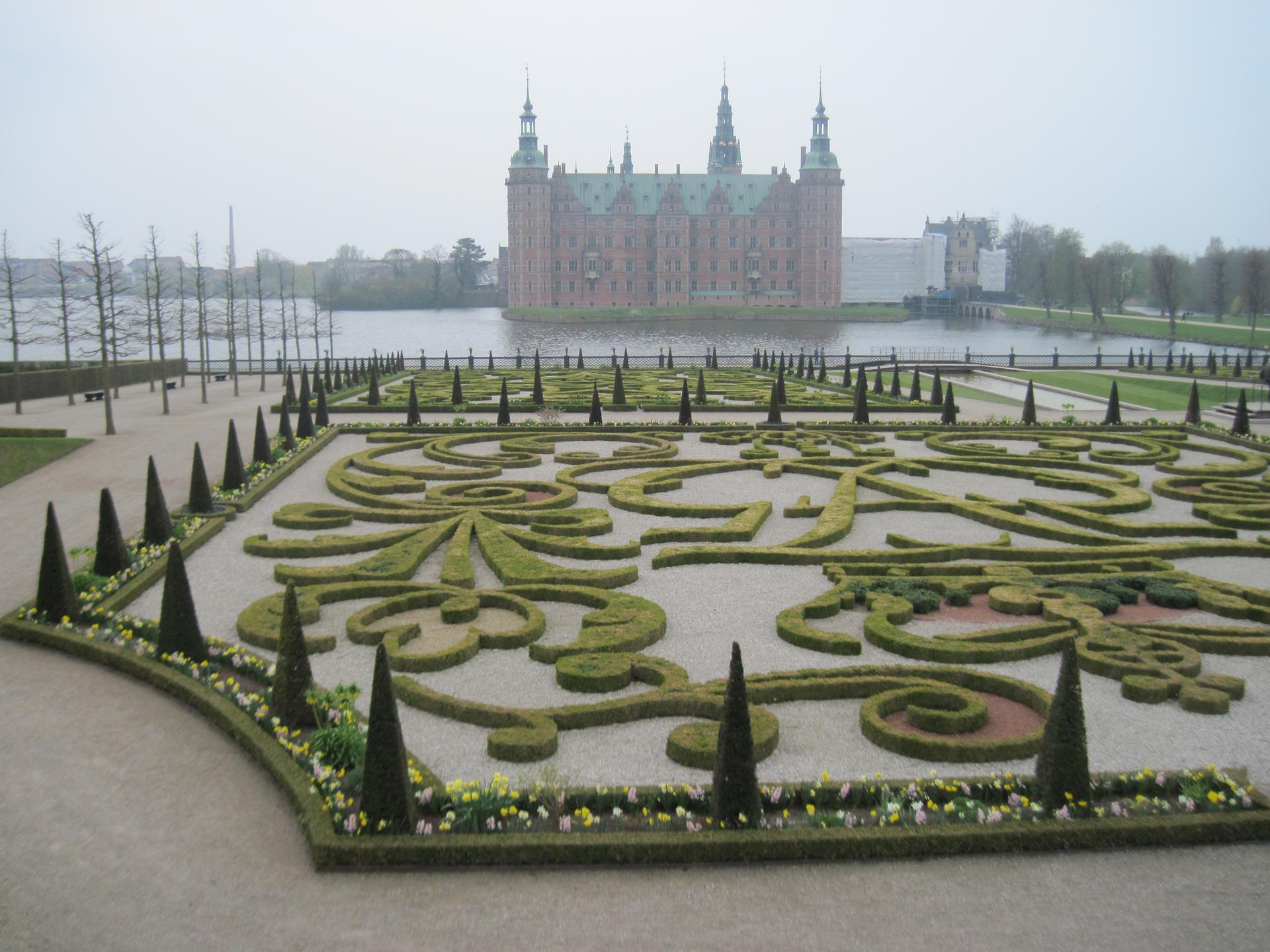
Looking beyond Frederiksborg Castle Chapel? Discover Hillerod for broader travel guides, local hot-spots, and regional highlights.
Explore Hillerod
Historic red-brick cathedral with a serene white interior, maritime touches and a charming “baby tree”, telling Helsingør’s story in brick, wood and light.
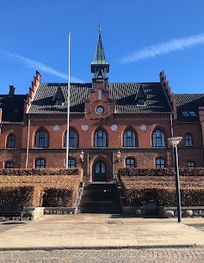
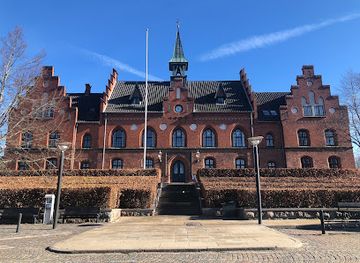
A dignified brick landmark on Hillerød’s main square, the Old Town Hall anchors the town’s civic heart between cobbled streets, cafés and castle views.