

Kunsthal Charlottenborg, Køge Travel Guide
Free Guide: Historic Charlottenborg Palace turned contemporary art powerhouse, where baroque architecture, bold exhibitions and Nyhavn views collide in central Copenhagen.


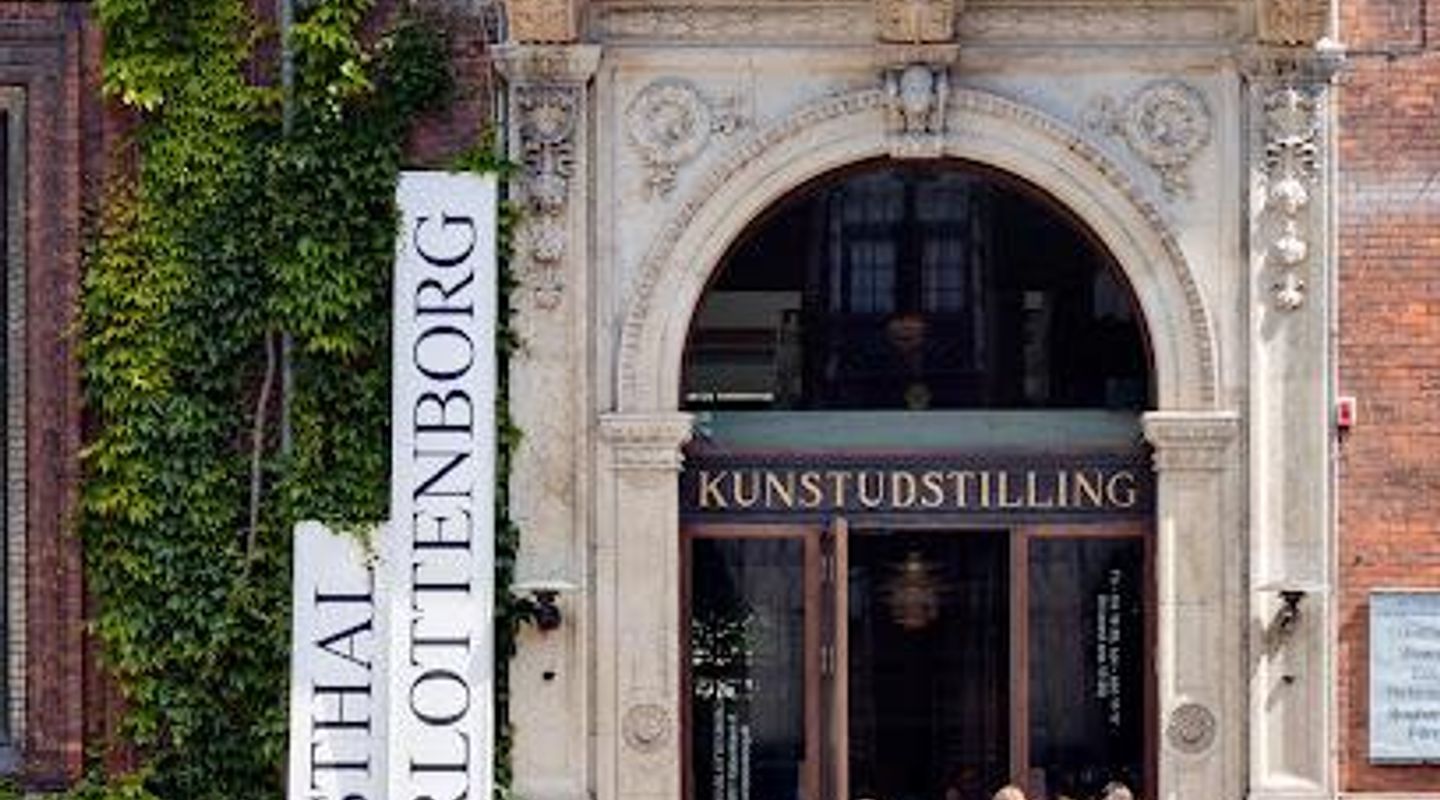
A brief summary of Kunsthal Charlottenborg
Historic Charlottenborg Palace turned contemporary art powerhouse, where baroque architecture, bold exhibitions and Nyhavn views collide in central Copenhagen.
Housed in the baroque Charlottenborg Palace on the edge of Nyhavn, Kunsthal Charlottenborg is one of Northern Europe’s largest and most atmospheric venues for contemporary art. Here, grand 17th‑century halls and lofty white galleries host an ambitious, ever‑changing program of exhibitions, performances, film screenings and talks that link Copenhagen’s royal past with cutting‑edge international art.
On-site amenities
 Restrooms
 Drink options
 Food options
 Seating areas
 Trash bins
 Information boards
 Visitor centre
Opening hours
- MonClosed
- Tue12 pm–8 pm
- Wed12 pm–8 pm
- Thu12 pm–8 pm
- Fri12 pm–8 pm
- Sat11 am–5 pm
- Sun11 am–5 pm
Opening hours as listed on the venue’s Google Business Profile. Hours can change for services and special events, so check with the venue before you go.
- Address
- Nyhavn 2, 1051 København
- Phone
- Website
Getting there
Metro from central Copenhagen
City bus to Kongens Nytorv area
Bicycle within Copenhagen
On foot from nearby central areas
Discover more about Kunsthal Charlottenborg
Baroque palace with an artistic soul
Kunsthal Charlottenborg occupies the historic Charlottenborg Palace, a grand 17th‑century residence set on Kongens Nytorv at the mouth of Nyhavn. Behind the brick façades and classical proportions lies a long royal lineage: the palace was originally built for Ulrik Frederik Gyldenløve, half‑brother of King Christian V, before passing to dowager queen Charlotte Amalie, whose name the building still carries. Over time the palace became closely tied to the Royal Danish Academy of Fine Arts, embedding art and education into its identity.Walking up to the Kunsthal, you see how the Dutch‑influenced baroque exterior frames a large inner courtyard and wings that wrap around it. The architecture still exudes aristocratic dignity, but the banners, posters and glimpses of installations through high windows signal the building’s modern purpose as a home for contemporary creation rather than courtly life.
From royal residence to contemporary powerhouse
In the 18th century the palace was formally taken over by the Academy of Fine Arts, and Charlottenborg’s rooms began to host exhibitions, teaching and artistic debate. Purpose‑built exhibition halls were added in the 19th century, turning the complex into a dedicated venue for visual art. That evolution laid the groundwork for what is today known as Kunsthal Charlottenborg: an institution without a permanent collection, focused instead on temporary shows that constantly reimagine the spaces.Throughout its history, the Kunsthal has hosted major group exhibitions, including the juried spring show that has long introduced new artists to the Danish art scene, as well as academy degree exhibitions that present the next generation of graduates. This blend of institutional tradition and experimental programming gives the venue a rhythm tied to both the academic calendar and the broader international art world.
Immersive spaces for changing exhibitions
Inside, the Kunsthal’s galleries unfold as a series of large, flexible rooms with high ceilings, polished floors and generous natural light. The historic structure has been adapted to allow installations, video works, sculpture and large‑scale projects to take over entire wings. Some spaces feel almost cathedral‑like in their height, while others are more intimate, encouraging close viewing and quieter reflection.Because there is no permanent collection, each visit can feel entirely different. One season might fill the halls with textile‑based installations and sound works, another with photo series, digital media and sculptural interventions exploring technology, identity or environmental change. The white walls and classical bones act as a neutral yet characterful backdrop, letting contemporary works create sharp contrasts with the building’s age and ornamentation.
A living hub of talks, screenings and performances
Kunsthal Charlottenborg operates as much as a cultural meeting place as an exhibition venue. Alongside its shows it regularly stages artist talks, panel discussions, performances and film screenings that dig deeper into the themes on display. These events often activate the courtyard, staircases or foyer as informal gathering spaces, making the building feel like a living campus of ideas rather than a static museum.A small but carefully curated art bookshop expands on this atmosphere, offering catalogues, critical theory, design publications and experimental magazines that mirror the Kunsthal’s interests. The on‑site café and nearby city square provide places to pause between galleries, continue conversations and watch the world go by in the heart of Copenhagen’s historic center.
Nyhavn views and city‑center atmosphere
One of the quiet pleasures of visiting Kunsthal Charlottenborg is being so close to Nyhavn’s waterfront while inhabiting a calmer, more contemplative space. From certain upper‑floor windows you can catch framed views of the famous colorful canal houses and masts outside, a reminder of Copenhagen’s maritime history beyond the palace walls. The contrast between busy harbor life and hushed exhibition rooms is part of the site’s charm.With its central location on Kongens Nytorv, the Kunsthal is surrounded by theatres, historic buildings and pedestrian streets, making it easy to combine with other cultural stops. Yet once inside, the noise of the city fades, replaced by the subdued soundscape of footsteps on wooden floors and the occasional murmur from a video installation, underscoring the sense of retreat.
A bridge between heritage and experimentation
Today, Kunsthal Charlottenborg stands as a vivid example of how an aristocratic city palace can be repurposed for contemporary use without losing its historic character. The Dutch baroque details, courtyard layout and connections to the Royal Danish Academy of Fine Arts coexist with installations that challenge, provoke or delight. This interplay between centuries creates a layered experience: you are never only looking at the art or only at the architecture, but at the conversation between them.For travelers interested in both history and the cutting edge of visual culture, the Kunsthal offers a compact yet rich encounter with Copenhagen’s artistic life. Whether you stay briefly to catch a single exhibition or linger through several wings and events, the building’s mixture of royal past and present‑day experimentation leaves a lasting impression.
Evendo Review Centre
 Google
Guest reviews
Best time to go
Quietest: Jan, Feb & Mar · before 9am or at 9pm
Busy times are Evendo estimates for a typical year, to help you plan. Actual crowds vary with events, school holidays and the weather.
Explore Kunsthal Charlottenborg on the map
A handpicked selection of must-see spots near Kunsthal Charlottenborg, mapped for you.
Get your free copy of our complete guide to Kunsthal Charlottenborg, delivered straight to you.
Everything on this page, from opening hours and how to get there to Eve’s tips and the best time to go, in one PDF you can read offline, print or share.
Already have an account? Sign in
Your Kunsthal Charlottenborg guide is ready.
We'll send it to · Not you? Sign out

Getting your guide ready…
We are putting together a fresh copy of the Kunsthal Charlottenborg guide. This can take up to a minute.
This can take a few moments. If your browser asks, choose Allow so the download can start. You'll find the guide in your Downloads folder.
Nothing happened? Download it again
Sorry, the guide is taking longer than usual. Please try again in a minute, or get it by email instead.
Unlock the best of Kunsthal Charlottenborg
Skip-the-line tickets, guided tours with entry, and walking tours of the area, booked in a few clicks.


Other nearby places you may find interesting
The closest places of the same kind, if this one is not quite what you had in mind.
-
-
-
-
-


Swipe for more places
More to explore near Kunsthal Charlottenborg
-
 Best experiences near Kunsthal Charlottenborg
-
 Best hotels near Kunsthal Charlottenborg
-
 Best landmarks near Kunsthal Charlottenborg
-
 Best attractions near Kunsthal Charlottenborg
-
 Best shops near Kunsthal Charlottenborg
-
 Best restaurants near Kunsthal Charlottenborg
-
 Best bars near Kunsthal Charlottenborg


Do you manage this location?
Take control to get all the benefits, like improved information, better appearance, and stronger visibility across AI-powered discovery.
Explore more
Explore more of Køge
Explore Køge, Denmark's coastal gem, with its medieval charm, beautiful marina, and close proximity to the stunning Stevns Klint UNESCO World Heritage site.
Explore Køge
Explore more of Denmark
Discover Denmark: A perfect blend of history, modern design, and the cozy concept of hygge. Explore vibrant cities, serene landscapes, and world-class cuisine.
Explore Denmark
