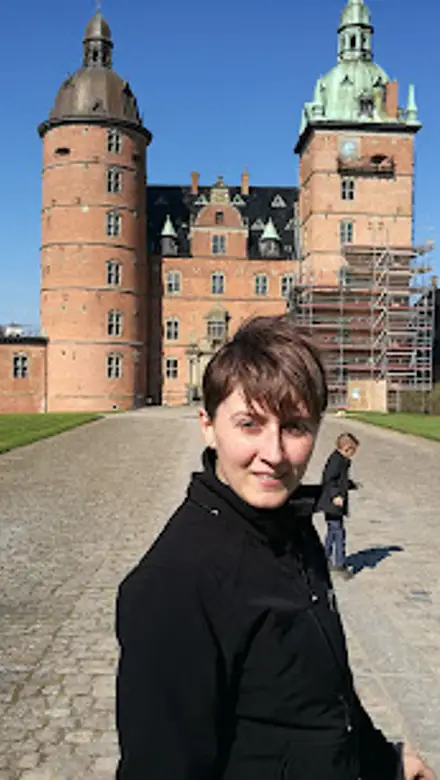
Vallø Castle Travel Guide
Free Guide: A lived-in Danish Renaissance castle in a tranquil parkland of moats, towers and lime avenues, where aristocratic history meets quiet countryside calm.


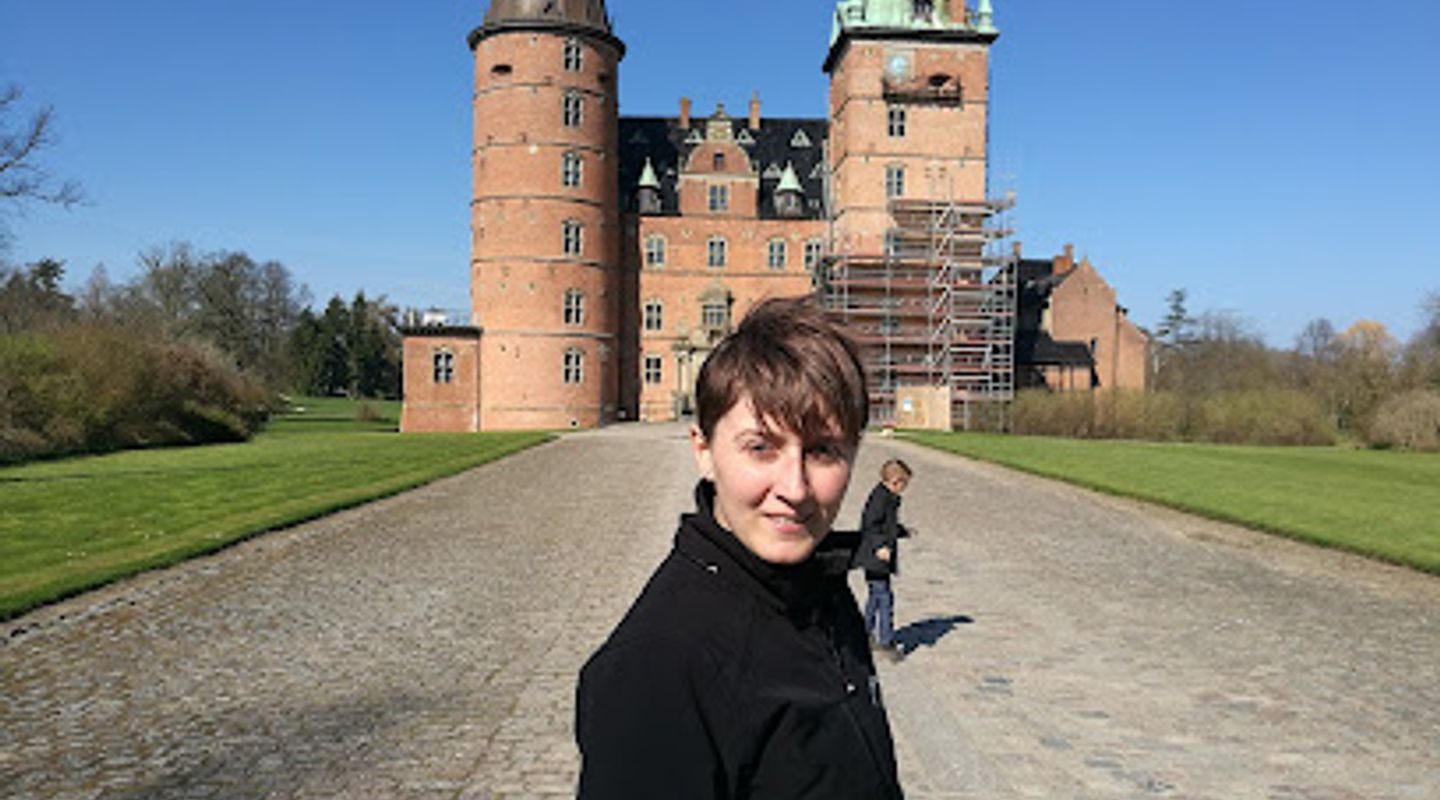
A brief summary of Vallø Castle
A lived-in Danish Renaissance castle in a tranquil parkland of moats, towers and lime avenues, where aristocratic history meets quiet countryside calm.
Rising above the flat countryside south of Køge, Vallø Castle is a striking red-brick Renaissance fortress wrapped in water-filled moats and an expansive landscape park. Built in the late 1500s and later transformed into a foundation for unmarried noblewomen, it blends aristocratic grandeur with an unusually tranquil, lived-in atmosphere. Visitors cannot tour the private interiors, but can wander the historic avenues, admire the twin towers from the bridges, and explore the romantic, English-style castle park.
On-site amenities
 Restrooms
 Food options
 Seating areas
 Trash bins
 Information boards
Opening hours
- Every dayOpen 24 hours
Opening hours as listed on the venue’s Google Business Profile. Hours can change for services and special events, so check with the venue before you go.
- Address
- Slotsgade 4, 4600 Køge
- Phone
- Website
Getting there
Train and bus from central Copenhagen
Regional train and bicycle from Køge
Car from Køge and Copenhagen region
Discover more about Vallø Castle
A red-brick stronghold in the Køge countryside
Vallø Castle stands on a low rise encircled by wide moats, its deep-red brick walls and twin towers dominating the surrounding farmland. First completed in the 1580s for noblewoman Mette Rosenkrantz, the castle began as a classic Danish Renaissance manor, built on the site of a much older fortified estate. Over the following centuries new wings were added, giving the complex its current four-winged, almost square plan around an inner courtyard.From a distance the silhouette is unmistakable: one heavy square tower on the east, a round tower on the west, steep copper-green roofs and crow-stepped gables punctuating the skyline. Up close, you notice the warm colour of the brickwork, pale sandstone portals reused after a devastating fire in 1893, and the sense of solidity in the thick outer walls that survived the blaze.
From royal residence to noblewomen’s foundation
In 1708, King Frederik IV acquired Vallø and gave it to his morganatic wife, Anna Sophie Reventlow. A generation later, in 1737, Queen Sophie Magdalene transformed the estate into a special foundation for unmarried daughters of the Danish nobility. This "stift" still defines the castle’s purpose today: Vallø remains a residence, not a museum, and its upper floors are divided into apartments rather than grand state rooms.The fire of 1893 gutted the interior, but careful rebuilding over the next decade recreated the exterior outline while modernising life inside. Architects Hans Jørgen Holm and Søren Lemche preserved surviving walls and decorative stonework, then reimagined the rooms to fit nine spacious flats for the resident noble ladies. This unusual continuity of use gives Vallø a quiet, dignified character; it feels inhabited rather than staged.
Castle park of avenues, lawns and water
Encircling the castle is a broad landscape of lawns, canals, ponds and old trees that form the Vallø castle park. Originally laid out in the 1700s as a formal baroque garden, with clipped hedges and precise flower parterres, it was reshaped in the nineteenth century into a more natural, English-inspired park. Today winding paths lead through open meadows, woodland-like groves and along the water’s edge.Long avenues of lime trees draw your eye toward the castle’s towers, while smaller clearings reveal ornamental columns, old garden pavilions and broad views across the moats. The park is extensive enough to feel like a small estate in its own right, offering ample space for quiet walks, casual picnics or contemplative pauses on a bench facing the water.
Experiencing Vallø today
Visitors typically experience Vallø from the outside: walking across the bridges, pausing in the forecourt, and circling the lakes and lawns. Information boards in Danish outline key episodes in the estate’s story, from medieval fortification to royal gift and modern foundation. The small settlement clustered around the castle, with its inn and former service buildings, adds to the sense of stepping into a self-contained historic world.Because the main building is private, time here is less about ticking off interior highlights and more about atmosphere: watching clouds move over the rooftops, noticing the reflection of the towers in the moat, or following the changing light along the brick façades. Photographers linger on the bridges and avenues, while others simply enjoy the calm, semi-rural feel so close to Køge and greater Copenhagen.
A protected cultural landscape
Much of the surrounding estate is legally protected, recognised for its cultural history, scenic value and recreational importance. Fields, woodland and wetlands around the castle form a broad buffer that preserves views of Vallø rising above the landscape. This protection helps maintain a rare combination: an active aristocratic foundation, an intact historic castle and a freely accessible parkland where the public can wander.As you explore, it is worth remembering that this is both heritage site and home. Paths, lawns and viewpoints invite you to linger, but the quiet orderliness and lack of commercialisation reflect the ongoing life of the foundation. Vallø Castle feels less like a staged attraction and more like a living fragment of Danish history, open to the horizon and shaped by centuries of noble, royal and philanthropic stories.
Evendo Review Centre
 Google
Guest reviews
Best time to go
Quietest: Jan, Feb & Mar · before 7am or from 9pm
Busy times are Evendo estimates for a typical year, to help you plan. Actual crowds vary with events, school holidays and the weather.
Explore Vallø Castle on the map
A handpicked selection of must-see spots near Vallø Castle, mapped for you.
Get your free copy of our complete guide to Vallø Castle, delivered straight to you.
Everything on this page, from opening hours and how to get there to Eve’s tips and the best time to go, in one PDF you can read offline, print or share.
Already have an account? Sign in
Your Vallø Castle guide is ready.
We'll send it to · Not you? Sign out

Getting your guide ready…
We are putting together a fresh copy of the Vallø Castle guide. This can take up to a minute.
This can take a few moments. If your browser asks, choose Allow so the download can start. You'll find the guide in your Downloads folder.
Nothing happened? Download it again
Sorry, the guide is taking longer than usual. Please try again in a minute, or get it by email instead.
Other nearby places you may find interesting
The closest places of the same kind, if this one is not quite what you had in mind.
-
-
-
-
-


Swipe for more places
More to explore near Vallø Castle

 Best experiences near Vallø Castle
 Best hotels near Vallø Castle
 Best landmarks near Vallø Castle
 Best attractions near Vallø Castle
 Best shops near Vallø Castle
 Best restaurants near Vallø Castle
 Best bars near Vallø Castle
Do you manage this location?
Take control to get all the benefits, like improved information, better appearance, and stronger visibility across AI-powered discovery.
Explore more

Explore more of Lolland-Falster
Discover Lolland-Falster: Denmark's serene southern islands with stunning beaches, historic castles, and charming coastal towns offering a perfect blend of nature and culture.
Explore Lolland-Falster
Explore more of Denmark
Discover Denmark: A perfect blend of history, modern design, and the cozy concept of hygge. Explore vibrant cities, serene landscapes, and world-class cuisine.
Explore Denmark