

Dyrehaven, Køge Travel Guide
Free Guide: Ancient forest sanctuary where Danish kings hunted and 2,000 wild deer still roam beneath centuries-old oaks.


A brief summary of Dyrehaven
Ancient forest sanctuary where Danish kings hunted and 2,000 wild deer still roam beneath centuries-old oaks.
Jægersborg Dyrehaven, or the Deer Park, is an 11-square-kilometre forest sanctuary north of Copenhagen that once served as a hunting ground for Danish royalty. Home to over 2,000 free-roaming deer across three species, the park features ancient oak and beech trees, pristine woodland trails, and the Hermitage hunting lodge at its centre. Designated a UNESCO World Heritage Site in 2015 as part of the par force hunting landscape, it offers visitors an immersive escape into Denmark's natural and cultural heritage.
On-site amenities
 Food options
 Drink options
 Restrooms
 Seating areas
 Information boards
 Picnic areas
- Address
- 4600 Køge
Getting there
Train from Copenhagen
Bicycle from Copenhagen
Car to Klampenborg
Guided Walking Tour
Discover more about Dyrehaven
A Royal Hunting Ground Frozen in Time
Jægersborg Dyrehaven, officially known as the Deer Park, originated in 1669 when King Frederik III fenced in approximately three square kilometres of beech forest north of Copenhagen to establish a hunting ground for the Danish crown. His son, King Christian V, expanded the park significantly, incorporating the lands of the village of Stokkerup and creating Eremitagesletten, a vast open plain designed specifically for par force hunting—a sport where mounted hunters pursued stags across kilometres of open terrain while spectators watched from strategic vantage points. The distinctive star-shaped road system, still visible today, was engineered to allow hunters to track their hounds and spectators to follow the action from central viewing points. By the 18th century, the park had grown to its current size of 11 square kilometres, establishing itself as one of Europe's most significant royal hunting landscapes.
The Forest's Ancient Character and Natural Management
What distinguishes Dyrehaven from conventional parks is its commitment to natural forest development rather than commercial forestry. The woodland has been left largely untouched for centuries, allowing massive oak and beech trees to reach extraordinary ages and sizes—some specimens date back over 800 years, with the Skovfogedegen oak near Klampenborg gate still standing as a living monument since approximately 1200 BCE. Fallen trees are removed only when they pose a danger to visitors, creating a landscape that evolves according to natural processes. This philosophy has preserved the forest's ecological integrity and created an atmosphere of primordial wilderness that feels remarkably removed from the nearby city. The glacial landscape itself, shaped 10,000 years ago by ice and melt water, provides dramatic topography with subglacial stream trenches such as Ulvedalene and Mølleåen, wide plains, and small lakes that add visual variety to the woodland experience.
The Deer: Living Inhabitants of a Living Landscape
Approximately 2,100 deer inhabit the park across three distinct species: Red Deer (around 300 individuals), Fallow Deer (approximately 1,700), and Sika Deer (roughly 100). These animals were originally introduced during the 17th century from across Northern Zealand and beyond, with white red deer descended from specimens gifted to King Christian VI by the Elector of Saxony in 1737. The deer move in large herds throughout the park, grazing in open areas and sheltering in the forest. While some individuals tolerate close approach, they remain wild animals and should not be fed or touched. Observing these herds in their natural habitat—particularly during dawn or dusk when they are most active—provides one of the park's most memorable experiences, connecting visitors directly to the landscape's historical purpose as a hunting ground.
The Hermitage: Palace at the Park's Heart
At the geographical and symbolic centre of Dyrehaven stands Eremitageslot, the Hermitage hunting lodge, built during the reign of King Christian VI. Far grander than its modest name suggests, this palace served as the headquarters for royal hunting expeditions and hosted elaborate banquets celebrating successful hunts. The building's central location within the star-shaped road system allowed the king and his court to observe the hunt from a commanding position. Today, the Hermitage remains a focal point for visitors, though access to the interior is limited and seasonal. The structure stands as a tangible reminder of the absolute power wielded by Danish monarchs and their transformation of the landscape into a monument to royal authority and leisure.
UNESCO Recognition and Cultural Significance
In July 2015, Dyrehaven was inscribed as a UNESCO World Heritage Site as part of the par force hunting landscape in North Zealand, a designation that recognises it alongside Store Dyrehave and Gribskov as an outstanding example of a designed cultural landscape. The par force hunting tradition, which flourished between the 17th and late 18th centuries, represented a distinctive form of absolute monarchy expressed through landscape design and sporting spectacle. The UNESCO recognition acknowledges that Dyrehaven is not merely a natural forest but a carefully engineered environment that embodies the political, social, and aesthetic values of Denmark's royal courts. This status underscores the park's importance as a window into European cultural history and the relationship between power, nature, and human design.
Practical Exploration: Walking, Cycling, and Seasonal Activities
Visitors can explore Dyrehaven on foot, by bicycle, or via horse-drawn carriage. The park's extensive trail network accommodates all activity levels, from leisurely strolls around Bøllemosen marsh to ambitious hikes covering ten kilometres or more. Bicycles can be rented near Klampenborg station, offering greater freedom to cover the park's expansive terrain. The park hosts several notable events throughout the year, including the Eremitageløbet (Eremitage Road Race), a ten-mile running event, and the Hubertusjagten, a steeplechase race that echoes the park's hunting heritage and typically attracts members of the Danish royal family and Copenhagen's elite. All 19 red gates marking the park's entrances feature identical gate houses that now serve as residences for forest wardens, maintaining a continuity of stewardship that stretches back centuries.
Evendo Review Centre
 Google
Guest reviews
Best time to go
Quietest: Jan, Feb & Dec · before 6am or at 9pm
Busy times are Evendo estimates for a typical year, to help you plan. Actual crowds vary with events, school holidays and the weather.
Explore Dyrehaven on the map
A handpicked selection of must-see spots near Dyrehaven, mapped for you.
Get your free copy of our complete guide to Dyrehaven, delivered straight to you.
Everything on this page, from opening hours and how to get there to Eve’s tips and the best time to go, in one PDF you can read offline, print or share.
Already have an account? Sign in
Your Dyrehaven guide is ready.
We'll send it to · Not you? Sign out

Getting your guide ready…
We are putting together a fresh copy of the Dyrehaven guide. This can take up to a minute.
This can take a few moments. If your browser asks, choose Allow so the download can start. You'll find the guide in your Downloads folder.
Nothing happened? Download it again
Sorry, the guide is taking longer than usual. Please try again in a minute, or get it by email instead.
Other nearby places you may find interesting
The closest places of the same kind, if this one is not quite what you had in mind.
-
-
-
-
-


Swipe for more places
More to explore near Dyrehaven

 Best experiences near Dyrehaven
 Best hotels near Dyrehaven
 Best landmarks near Dyrehaven
 Best attractions near Dyrehaven
 Best shops near Dyrehaven
 Best restaurants near Dyrehaven
 Best bars near Dyrehaven
Do you manage this location?
Take control to get all the benefits, like improved information, better appearance, and stronger visibility across AI-powered discovery.
Explore more
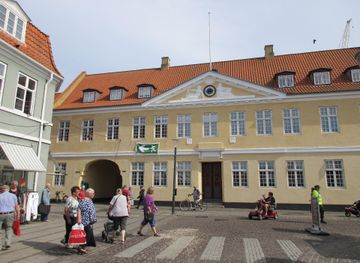
Explore more of Køge
Explore Køge, Denmark's coastal gem, with its medieval charm, beautiful marina, and close proximity to the stunning Stevns Klint UNESCO World Heritage site.
Explore Køge
Explore more of Denmark
Discover Denmark: A perfect blend of history, modern design, and the cozy concept of hygge. Explore vibrant cities, serene landscapes, and world-class cuisine.
Explore Denmark
