Ravnsby Bakker Travel Guide
Free Guide: Rolling hills and ancient monuments where glacial history meets contemporary art on Denmark's flattest island.


A brief summary of Ravnsby Bakker
Rolling hills and ancient monuments where glacial history meets contemporary art on Denmark's flattest island.
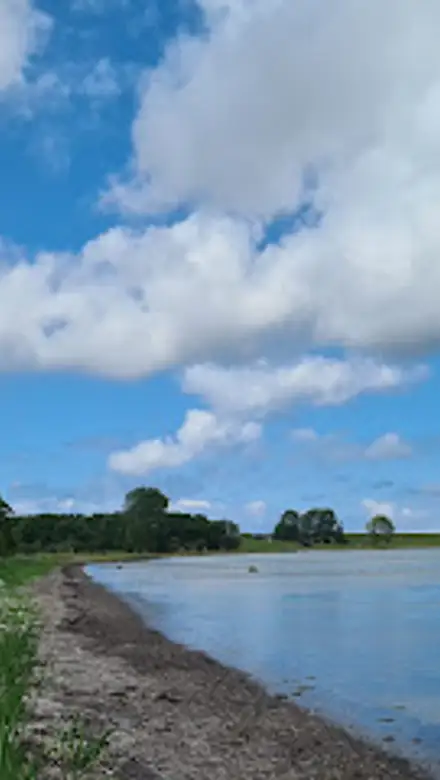
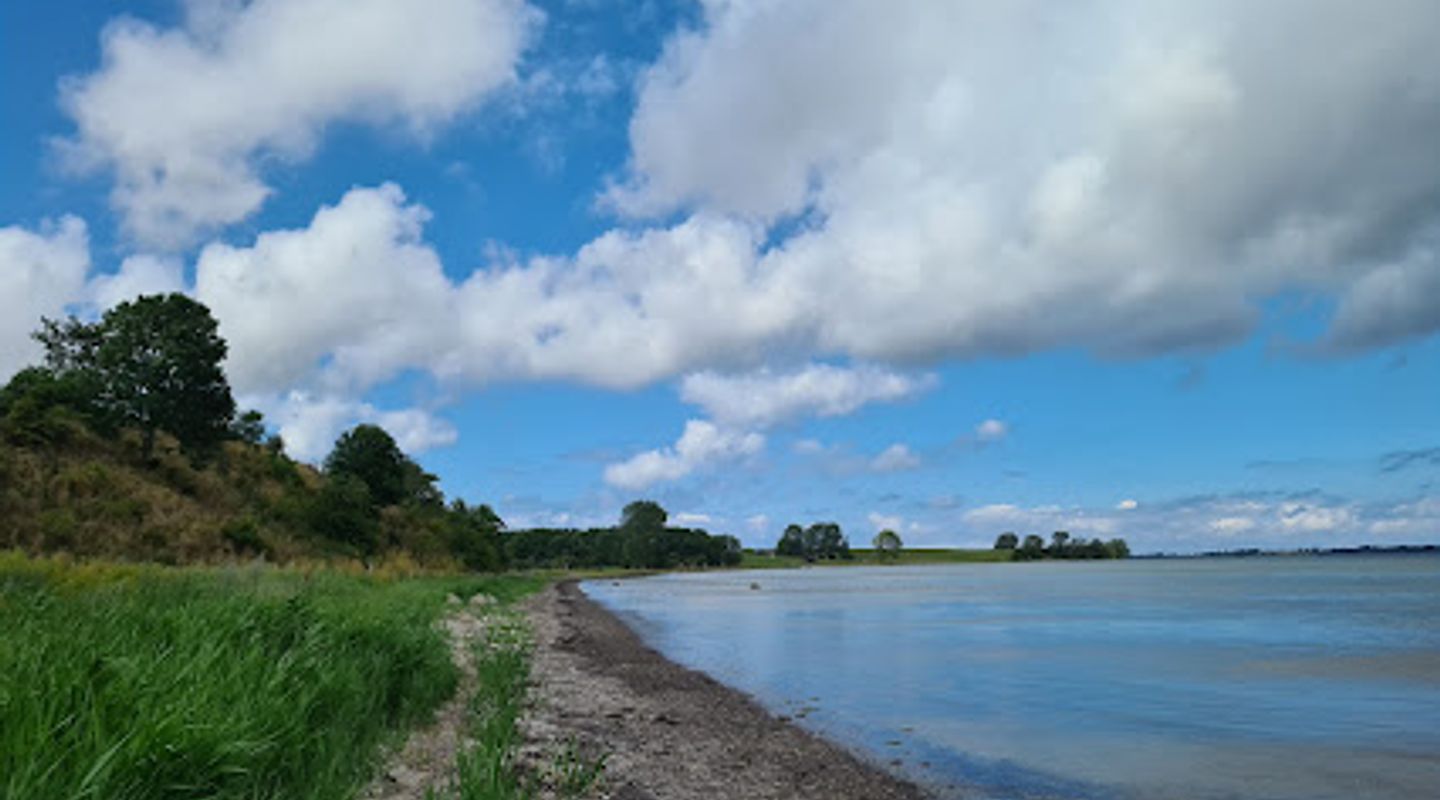
Ravnsby Bakker is a striking rolling landscape on Lolland's northwestern coast, offering a dramatic contrast to the island's characteristically flat terrain. This glacially-formed terrain features pronounced hills, deep valleys, and scenic vistas across Smålandsfarvandet toward nearby islands. The area is home to Dodekalitten, a monumental 12-year art installation featuring granite columns and electroacoustic music, alongside abundant archaeological heritage including over 70 preserved Bronze Age burial mounds.
On-site amenities
 Picnic areas
 Information boards
- Address
- Fyrværkervej, 4943 Torrig
- Website
Getting there
Car from Nakskov
Bicycle from Nysted
Walking from Torrig village
Bus from Nakskov
Discover more about Ravnsby Bakker
A Glacial Landscape Unlike Any Other on Lolland
Ravnsby Bakker occupies a unique position on Denmark's map as the only significantly undulating terrain on an otherwise famously flat island. Located on Lolland's northwestern coast facing Smålandsfarvandet, this rolling landscape was sculpted approximately 20,000 years ago during the last ice age, when massive ice sheets advanced and retreated across the region. The resulting topography—marked by pronounced hills, deep valleys, and tunnel valleys—stands in stark contrast to the engineered flatness of southern Lolland, which was artificially drained and diked following the catastrophic storm surge of 1872. Locals affectionately refer to Ravnsby Bakker as "the Lolland Alps," a tongue-in-cheek acknowledgment of both its relative elevation and its exceptional rarity on an island known for its pancake-flat horizons.
Ancient Settlements and Archaeological Richness
The Ravnsby Bakker region carries profound historical significance stretching back millennia. Archaeological evidence reveals that the area was inhabited during the Ertebølle culture, a Mesolithic period marked by sophisticated coastal settlement patterns. Most notably, the coastal stretch from Ravnsholt to Ravnsby preserves more than 70 Bronze Age burial mounds, several of which contain megalithic chamber tombs known as jættestuer. These monuments testify to the region's importance as a center of prehistoric settlement and ritual practice, offering tangible connections to Denmark's distant past and the cultures that flourished along these ancient shorelines.
Dodekalitten: Contemporary Art in a Historic Landscape
In 2013, following the successful completion of a preservation case, the land was acquired to establish Dodekalitten, an extraordinary contemporary art installation conceived as a 12-year creative project. The work consists of twelve granite columns arranged in a circle on a meadow within Ravnsby Bakker, with the final stones to be completed over the coming years. The installation is accompanied by Solkreds, a permanent, computer-controlled electroacoustic music composition that plays during daylight hours, creating an immersive sensory experience that merges art, landscape, and sound. The work draws conceptual inspiration from the region's rich archaeological heritage and its Bronze Age monuments, creating a dialogue between ancient and contemporary expressions of human creativity.
Natural Beauty and Recreational Opportunity
Beyond its cultural and historical dimensions, Ravnsby Bakker offers visitors genuine outdoor recreation and natural beauty. The undulating terrain provides genuine elevation changes—a rarity on Lolland—allowing visitors to ascend to viewpoints that offer panoramic vistas across the landscape and toward the islands of Smålandshavet. The area's combination of hills, valleys, and idyllic lakes creates diverse habitats and scenic compositions that reward exploration on foot or by bicycle. The landscape's complexity and visual variety make it an ideal destination for nature walks, photography, and cycling excursions, particularly for those seeking to experience Lolland beyond its characteristically flat agricultural plains.
Evendo Review Centre
 Google
Guest reviews
Best time to go
Quietest: Jan, Feb & Dec · before 6am or at 9pm
Busy times are Evendo estimates for a typical year, to help you plan. Actual crowds vary with events, school holidays and the weather.
Explore Ravnsby Bakker on the map
A handpicked selection of must-see spots near Ravnsby Bakker, mapped for you.
Get your free copy of our complete guide to Ravnsby Bakker, delivered straight to you.
Everything on this page, from opening hours and how to get there to Eve’s tips and the best time to go, in one PDF you can read offline, print or share.
Already have an account? Sign in
Your Ravnsby Bakker guide is ready.
We'll send it to · Not you? Sign out

Getting your guide ready…
We are putting together a fresh copy of the Ravnsby Bakker guide. This can take up to a minute.
This can take a few moments. If your browser asks, choose Allow so the download can start. You'll find the guide in your Downloads folder.
Nothing happened? Download it again
Sorry, the guide is taking longer than usual. Please try again in a minute, or get it by email instead.
Other nearby places you may find interesting
The closest places of the same kind, if this one is not quite what you had in mind.
-
Ejegod Windmill Denmark's most complete windmill ensemble—a 1816 octagonal landmark with original barn and miller's house.
-
Dodekalitten Twelve granite sentinels and electronic music create a meditative monument where ancient legend meets contemporary art.
-
Fuglsang Herregaard - Hotel + Events + Conference Historic manor‑house hideaway on Lolland, where art, gardens and shoreline landscapes meet for slow, quietly romantic escapes.
-
Glentehøj A 5,000-year-old passage grave offering an immersive journey into Neolithic Scandinavia and ancient burial practices.
-
Vindeholme Experience the elegance of Vindeholme Castle, a historic mansion offering exclusive stays and events amidst Lolland's natural beauty.
Swipe for more places
More to explore near Ravnsby Bakker

 Best experiences near Ravnsby Bakker
 Best hotels near Ravnsby Bakker
 Best landmarks near Ravnsby Bakker
 Best attractions near Ravnsby Bakker
 Best shops near Ravnsby Bakker
 Best restaurants near Ravnsby Bakker
 Best bars near Ravnsby Bakker
Do you manage this location?
Take control to get all the benefits, like improved information, better appearance, and stronger visibility across AI-powered discovery.
Explore more

Explore more of Lolland-Falster
Discover Lolland-Falster: Denmark's serene southern islands with stunning beaches, historic castles, and charming coastal towns offering a perfect blend of nature and culture.
Explore Lolland-Falster
Explore more of Denmark
Discover Denmark: A perfect blend of history, modern design, and the cozy concept of hygge. Explore vibrant cities, serene landscapes, and world-class cuisine.
Explore Denmark