
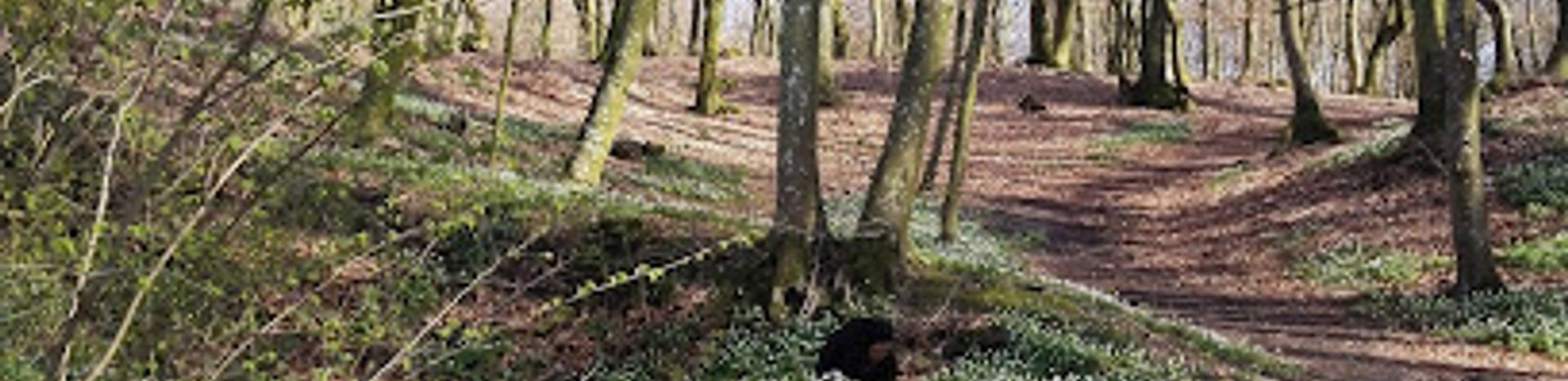
Sødisbakkes Museum
An intimate local history museum revealing the everyday lives, work and creativity of residents at Sødisbakke, a long‑standing care institution near Mariager.
Sødisbakkes Museum, just outside Mariager, is a small yet thought‑provoking local history museum attached to the Sødisbakke residential institution for people with physical and intellectual disabilities. Exhibitions focus on everyday life, creativity and community at the institution, with personal objects, artworks, photos and crafts that reveal how residents have lived, worked and expressed themselves over the decades. Open limited afternoons, it offers a quiet, reflective cultural stop in the Himmerland countryside.
A brief summary to Sødisbakkes Museum
- Havndalvej 7c, Mariager, 9550, DK
- +4597645816
- Duration: 0.5 to 1.5 hours
- Budget
-
 Indoor
- Mobile reception: 4 out of 5
- Tuesday 2 pm-5 pm
- Thursday 2 pm-5 pm
Local tips
- Check current opening hours in advance; the museum is usually only open limited afternoons during the week, often a few hours on Tuesdays and Thursdays.
- Plan at least one unhurried hour so you can read the exhibition texts and look closely at the personal objects, photos and artworks on display.
- Pair your visit with time in Mariager town or at nearby cultural sites to make a fuller day out in the Himmerland area.

For the on-the-go comforts that matter to you
- Restrooms
- Seating Areas
- Trash Bins
- Information Boards
Getting There
-
Car from Mariager town
From central Mariager, driving to Sødisbakkes Museum typically takes around 5–10 minutes, depending on traffic through the small local roads. Expect a distance of roughly 5–7 km through the countryside. There is usually free on-site or nearby parking connected to the Sødisbakke institution, but spaces can be limited on busy weekdays when staff are present. Fuel is your main cost; there is no separate road fee for this short journey.
-
Taxi within Mariager area
If you do not have a car, a local taxi from Mariager to Sødisbakkes Museum generally takes about 5–10 minutes. For such a short ride in a small Danish town, fares are commonly in the range of 120–200 DKK one way, depending on time of day and waiting time. Taxis should be pre-booked by phone, especially outside normal working hours, as rank availability can be limited.
-
Cycling from Mariager
Cycling from Mariager to Sødisbakkes Museum is a pleasant option in good weather, taking roughly 20–30 minutes each way at a moderate pace. The route follows local rural roads with gentle hills and standard tarmac surfaces, suitable for most regular bicycles. There is no dedicated cycle lane for the full distance, so basic road awareness is needed. Cycling is free, but bring water and a windproof layer, as conditions can change quickly near the fjord.
Sødisbakkes Museum location weather suitability
-
 Any Weather
-
 Rain / Wet Weather
-
 Cold Weather
-
 Mild Temperatures
Discover more about Sødisbakkes Museum
A museum born from a living community
Sødisbakkes Museum sits within the grounds of the Sødisbakke residential institution, a long‑standing home for people with physical and intellectual disabilities in the countryside near Mariager. Rather than presenting distant history, the museum grows directly out of this place. It documents how residents and staff have lived together over the decades, turning everyday life into an archive of local social history. The institution’s story mirrors broader changes in Danish welfare and care. Where earlier generations experienced more rigid, hospital‑like conditions, later years brought a stronger focus on autonomy, creativity and participation. The museum brings these shifts into focus through simple but telling objects: furniture from former wards, tools from workshops and photographs of activities that filled the days.Objects that tell personal stories
Inside the compact exhibition rooms, display cases hold items that once belonged to specific residents: hand‑knitted garments, decorated boxes, favourite toys and small collections of keepsakes. Each object hints at personal preferences, habits and relationships, making the history feel close and human. Short texts and curated arrangements help visitors understand how these things fitted into daily routines. Alongside personal belongings, the museum shows tools, uniforms and documents from the institution’s changing workspaces – from early craft rooms and laundries to later creative studios. This mix of items offers insight into how residents contributed to the running of the place and how work, leisure and therapy were woven together.Art, crafts and creative expression
One of the most striking elements is the wealth of artworks and crafts made by residents over many years. Walls carry colourful paintings and drawings, often bold in line and expressive in motif. Shelves present ceramics, woven pieces and small sculptural figures whose forms may be simple but are rich in character. These works show how creativity has been encouraged as both pastime and form of communication. Some pieces illustrate everyday scenes at Sødisbakke, others reach outward into fantasy landscapes and abstract patterns. Together they offer an alternative lens on local culture, shaped by perspectives that are often underrepresented in mainstream museums.A quiet glimpse behind institutional walls
Sødisbakkes Museum has an intimate atmosphere. Its scale is modest, and the setting within an ongoing institution creates a sense of stepping gently into someone else’s home territory. The pace is unhurried: this is a place to read small labels, look closely at photographs and notice the details in handmade objects. The rural surroundings add to that calm feeling. From the museum you are never far from gardens, simple paths and low, functional buildings that reflect the everyday reality of life here. It is a setting that encourages reflection on dignity, belonging and what it means to create a community for people with differing abilities.Planning a focused, short visit
The museum is typically open only on selected afternoons during the week, most often a few hours on Tuesdays and Thursdays, so checking current opening times before setting out is important. Because the collection is compact, many visitors find that an hour is enough to see the exhibits at a comfortable pace, though those who like to read every panel may stay longer. A visit combines well with time in Mariager itself or with exploring the wider Himmerland cultural landscape, but Sødisbakkes Museum offers something distinct: a focused, respectful look at the everyday lives, work and creativity of a community that usually remains out of sight in conventional heritage narratives.Iconic landmarks you can’t miss

Hotel Postgaarden Mariager
0.7 km
Experience historic Danish charm and modern comfort at Hotel Postgaarden Mariager, nestled in the heart of the 'City of Roses' with easy access to Mariager Fjord's natural beauty.

Mariager Kirke
0.7 km
A lofty Bridgettine abbey church turned parish landmark, where Gothic stone, noble tombs and organ music tell Mariager’s story above the fjord.
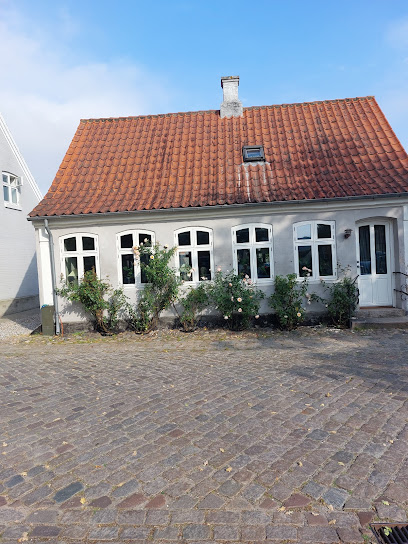
Mariager Church
0.8 km
A towering former abbey church above Mariager Fjord, where Gothic brickwork, noble tombs and a distinctive Aubertin organ keep centuries of faith and history alive.
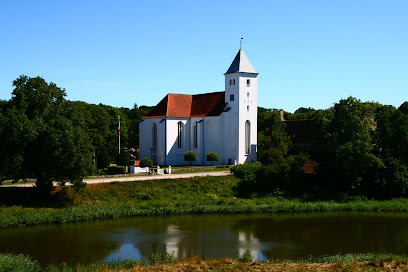
Mariager Lystbådehavn
0.8 km
Denmark's most beautiful fjord meets a thriving sailing community in this welcoming maritime harbor.
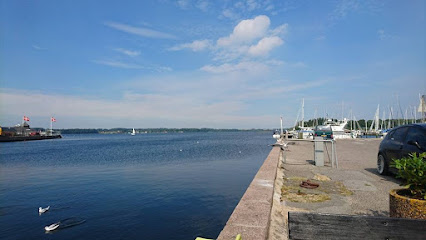
Mariager Fjord
2.8 km
Denmark's longest fjord winds through pristine Jutland landscapes, offering unspoilt nature, charming villages, and exceptional outdoor adventures.
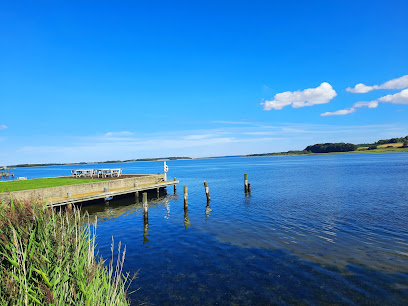
Restaurant BramslevGaard
8.1 km
Experience Danish history and gastronomy at BramslevGaard, a charming manor house nestled in the scenic Bramslev Bakker near Hobro, offering stunning views and French-inspired cuisine.
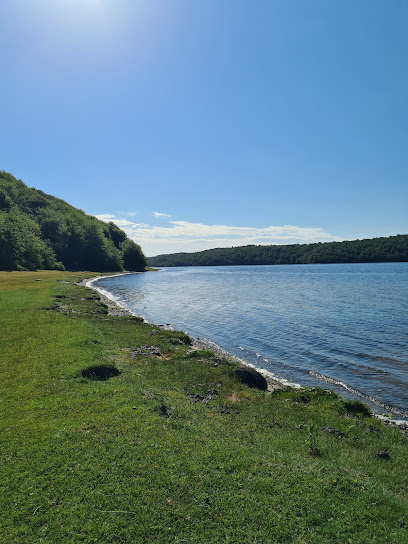
Hotel BramslevGaard
8.1 km
Experience tranquility and history at Hotel BramslevGaard, nestled in the scenic Bramslev Bakker by Mariager Fjord, offering gourmet dining, spa retreats, and easy access to Northern Jutland's natural wonders.
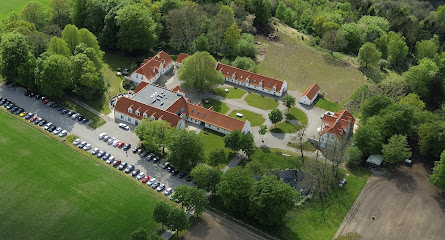
Hobro Lystbådehavn
11.0 km
Denmark's premier fjord marina with historic charm and modern comfort.
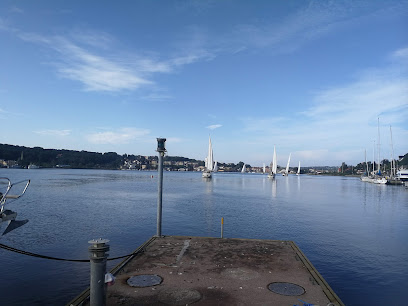
Sven Dalsgaards Plads
20.5 km
Randers' cultural epicentre honouring a Dadaist pioneer, where art, performance, and community converge.
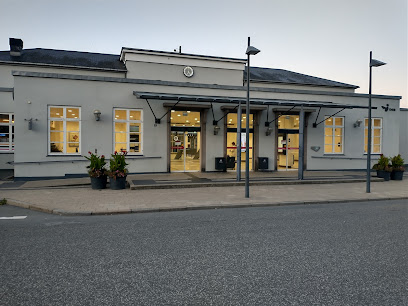
Randers St.
20.7 km
Historic East Jutland railway hub connecting Denmark's east coast with modern InterCity services and comprehensive traveler amenities.
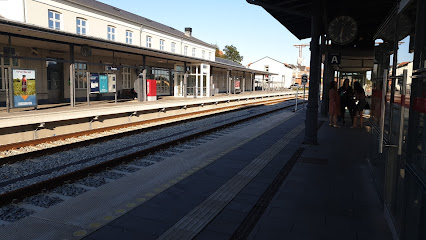
Randers Railwaystation
20.7 km
Historic rail gateway of Randers, linking East Jutland’s river town with Aarhus, Aalborg and Copenhagen from a compact, practical 19th‑century station hub.
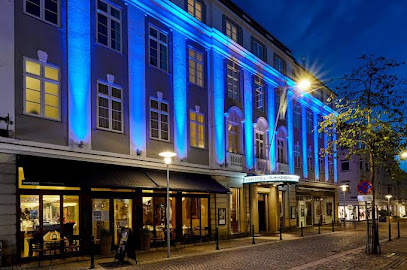
Hotel Randers
21.0 km
Explore the rich tapestry of Danish and international design at Copenhagen's Designmuseum Danmark.
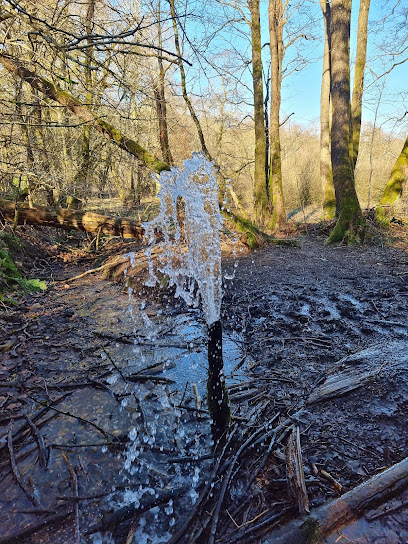
Springkilden
22.2 km
Discover the mesmerizing Springkilden in Rold Forest: an artesian spring offering a tranquil escape into nature's beauty near Skørping, Denmark.
Rold Forest
22.2 km
Discover Denmark's largest forest: Hike through ancient woodlands, explore unique geological formations, and uncover the legends of Rold Forest near Skørping.
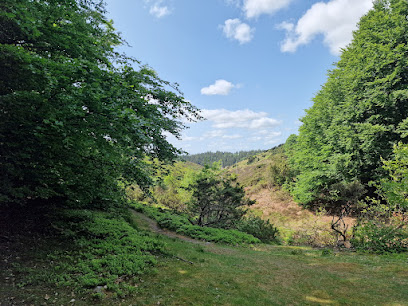
Troldeskoven
22.2 km
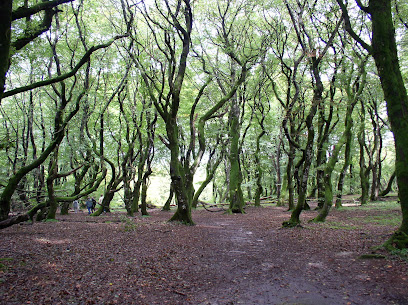
Discover the mystical allure of Troldeskoven near Skørping, where ancient, gnarled beech trees create a magical landscape steeped in Danish folklore and natural beauty within Rold Skov.
Unmissable attractions to see

Alstrup krat
0.5 km
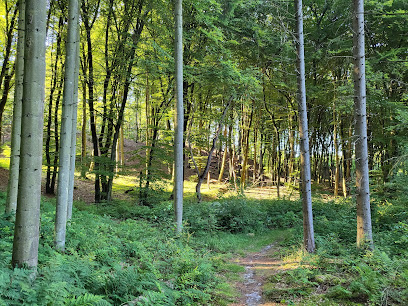
Ancient burial mounds, forest trails, and fjord panoramas in Denmark's timeless landscape.
Mariager Museum
0.7 km
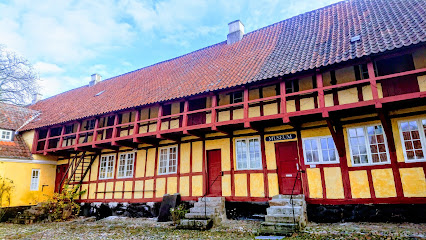
Centuries of regional heritage in a charming 17th-century merchant's house.
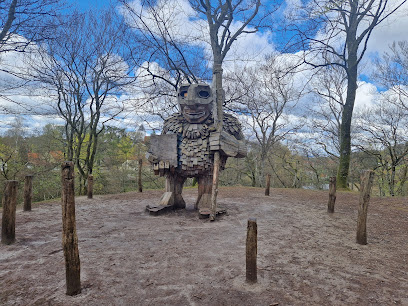
Ivan Evigvår trold
0.7 km
Hunt for a gentle giant hidden deep in Denmark's enchanted forest—a whimsical woodland sculpture born from community votes and recycled dreams.
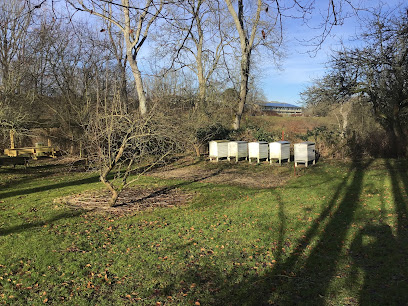
Mariager Klosterhave
0.8 km
A small, story-filled abbey garden beside Mariager’s church, where herbs, beehives and quiet corners keep the town’s monastic past gently alive.
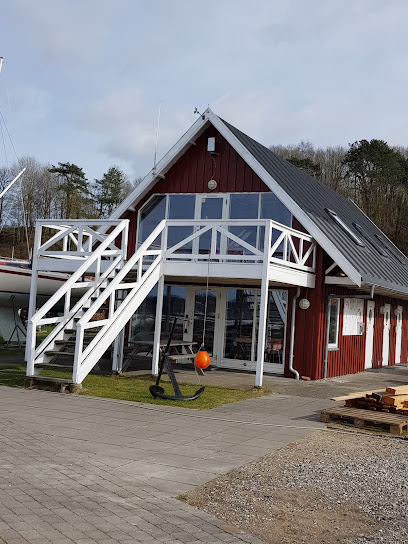
Mariager Sejlklub
0.8 km
Friendly marina and sailing club on the shores of Mariager Fjord, blending sheltered berths, local sailing culture and easy access to a charming historic town.
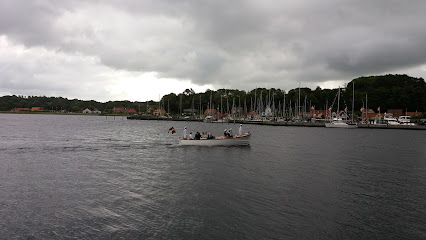
Rosenhaven
0.9 km
An intimate rose garden in the heart of Mariager, where hundreds of varieties, church spires and cobbled streets meet in a quietly fragrant city retreat.
Munkholmanlægget
0.9 km
A peaceful woodland escape featuring forest trails, a whimsical troll sculpture, and a rose garden in charming Mariager.
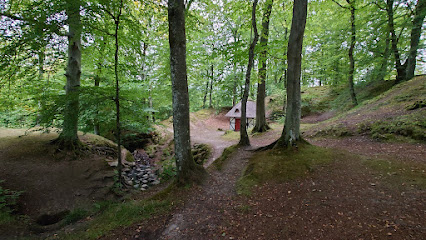
Mariager Strandpark
0.9 km
Small, calm and right on Mariager Fjord, this modest strandpark blends a man-made beach with green lawns and fjord views for relaxed, low-key time by the water.
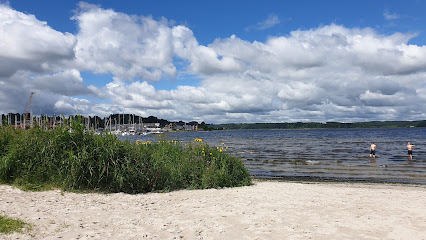
Veteranjernbanen Mariager-Handest
1.0 km
Denmark’s longest heritage railway, where vintage trains, fjordside scenery and a preserved rural station bring a century of Danish railway history to life.
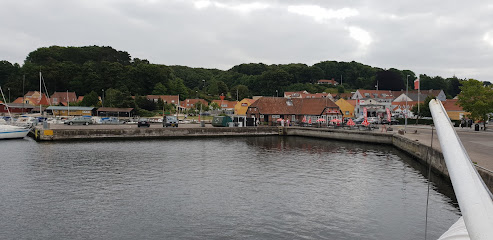
Saltcentret
1.0 km
Denmark's salt heritage comes alive through interactive exhibits, therapeutic pools, and family adventures on the Mariager Fjord.
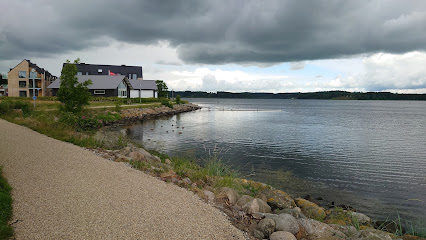
Mariager Idræts Klub
1.2 km
Multi-sport heart of Mariager, where everyday Danish life, local matches and community spirit fill simple halls and pitches beside the fjord town.
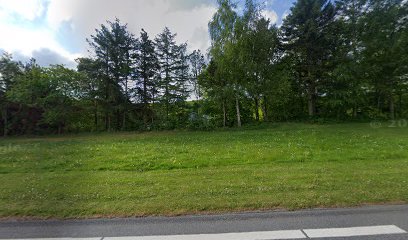
Mariager Camping
1.3 km
Award-winning fjord-side camping where Nordic nature meets charming heritage town life.
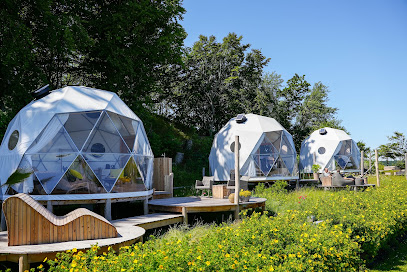
Mariagerfjord Frikirke
1.8 km
Modern free church and cultural house on the edge of Mariager, blending contemporary worship, community life and flexible event spaces in a bright, welcoming complex.
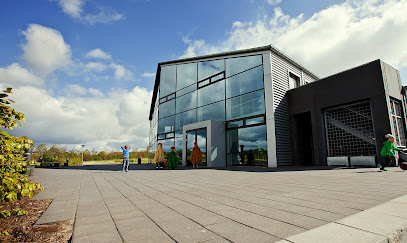
Kings Hill | Megalithic tomb
4.4 km
Discover Denmark’s most whimsical museum: a creative coastal house spectacularly covered in shells, folk art, and maritime antiques in scenic Thyborøn.
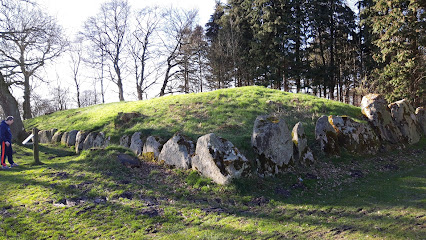
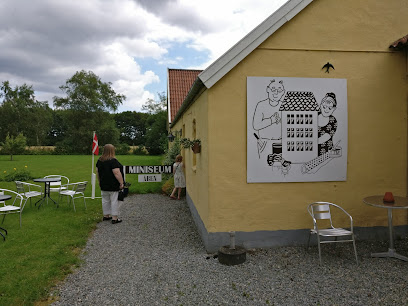
Miniseum
4.5 km
Enchanting 1:12 scale miniatures and dioramas celebrating artistry in Denmark's countryside.
Essential places to dine

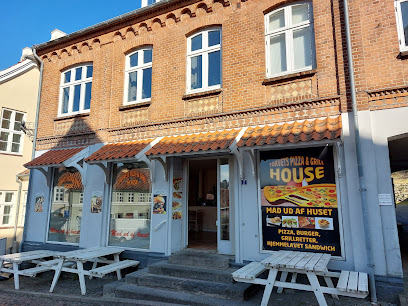
Torve Pizza Mariager v/Kenan Atas
0.6 km
Casual, central pizzeria and grillhouse on Mariager’s main square, serving generous, affordable comfort food to locals and visitors from afternoon through evening.
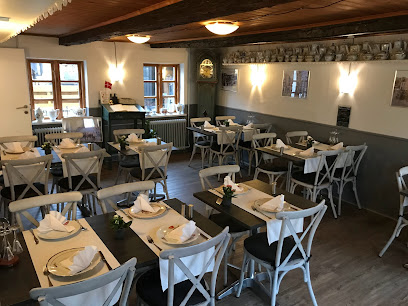
A'porta
0.7 km
Unpretentious Danish cooking, a lively bodega-style bar and simple rooms under one roof in the old fjord town of Mariager.
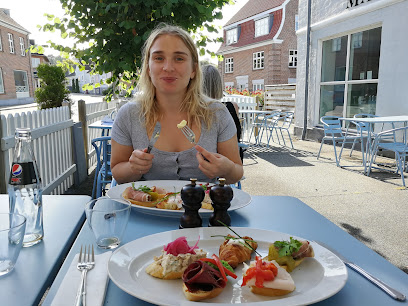
Mariager Bistro & Konditori
0.8 km
Casual harborfront bistro and konditori in Mariager, serving unfussy Danish café dishes and cakes just steps from the town’s quiet fjord marina.
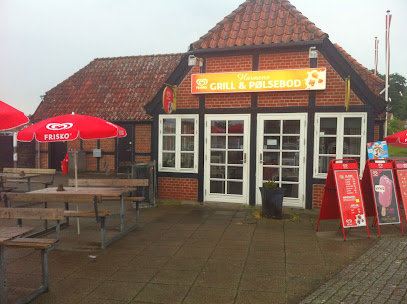
Havnens Grill & Pølsebod
0.9 km
Casual waterfront grill serving Danish classics with fjord views and motorcycle tradition.
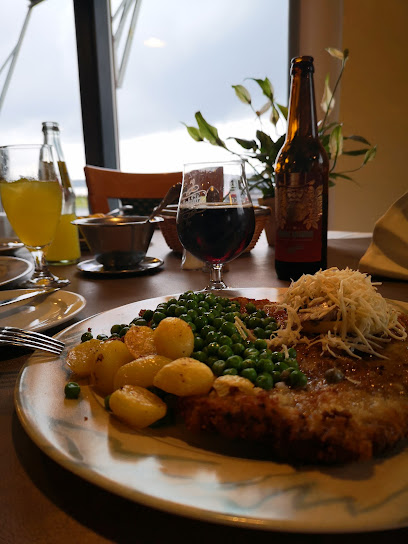
Landgangen
1.0 km
Homely Danish comfort food and generous plates served with wide-open views over Mariager Fjord on the quiet edge of this charming North Jutland town.
Star Pizza & Grill
5.5 km
Straightforward pizzas and grill favorites in the heart of Mariager, offering easy takeaway and no-frills dining after a day by the Danish fjord.
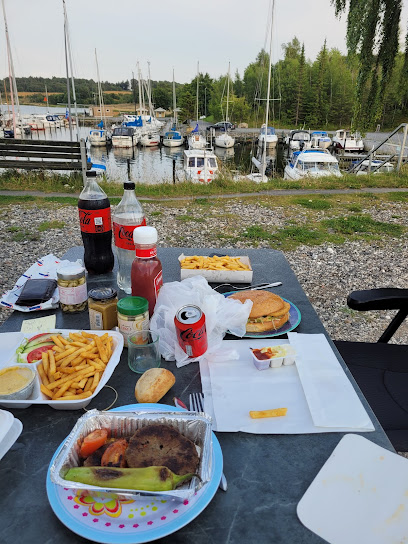
Restauration Orkidee Dania - Mad som man kender
5.9 km
Relaxed fjordside restaurant and event venue at Dania, serving classic Danish dishes, buffets and catering in cozy banquet rooms with wide views over Mariager Fjord.
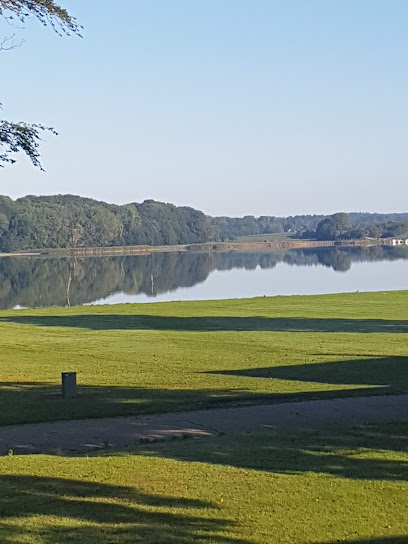
Cafe Fyret Kongsdal
6.3 km
Unpretentious harbour café on the quay at Kongsdal Havn, serving simple, good‑value meals and ice creams with wide‑open views over Mariager Fjord.
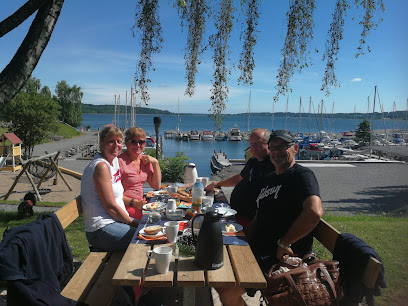
Restaurant Bramslev Bakker
7.5 km
Countryside Danish cooking with sweeping fjord views, where Bramslev Bakker’s rolling hills meet a relaxed, modern restaurant above Mariager Fjord.
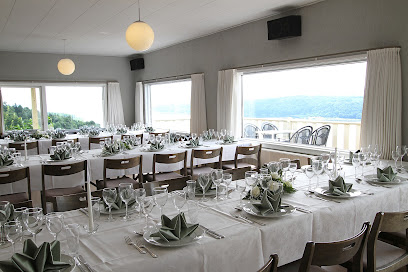
Restaurant Uafhængig
9.6 km
Ambitious Nordic cooking in a calm, forest‑edge dining room at Hotel Amerika, blending seasonal Danish flavors with a relaxed, modern atmosphere near Hobro.
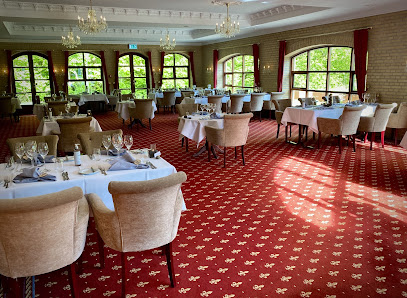
Færgekroen Hadsund
10.4 km
Classic Danish inn and restaurant by the Mariager Fjord, blending hearty kromad, Nordic flavors and simple rooms with wide-reaching views over the water.
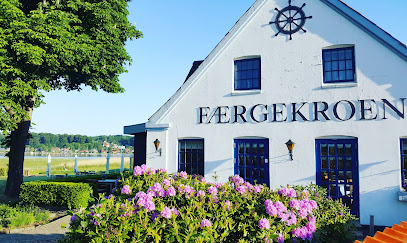
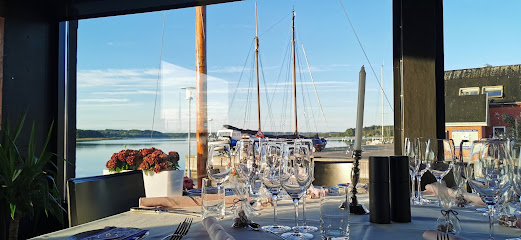
davinci RISTORANTE
10.6 km
Waterfront Italian dining on Mariager Fjord, blending classic pasta, pizza and seafood buffets with bright fjordview rooms and a lively, welcoming atmosphere.
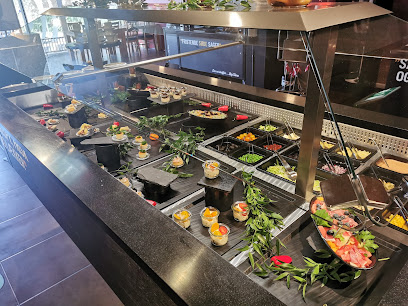
Restaurant The Grill Hobro
10.8 km
All-you-can-eat grill buffet and brunch inside Hobro’s Bowl’n’Fun, bringing hearty classics, soft-ice desserts and family-friendly dining under one lively roof.
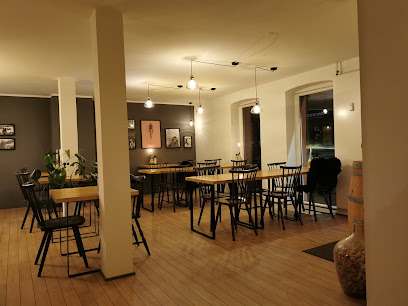
Matios Det Italienske Spisehus
12.1 km
Cosy Italian trattoria-style dining on Hobro’s central square, serving generous pizzas, pasta and classic desserts in a warm, candlelit atmosphere.
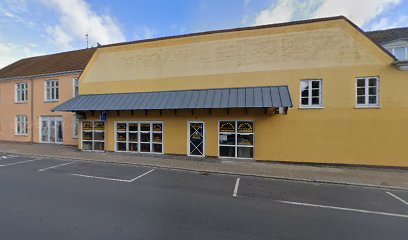
Nida's food
12.1 km
Casual harborfront fast-food joint in Hobro serving pizzas, burgers and grill favorites just steps from the marina on Havnegade.
Markets, malls and hidden boutiques

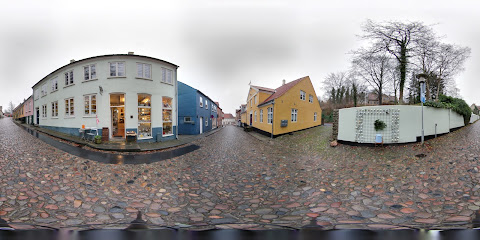
Klosterkaelderen.dk Antiques & Porcelain
0.6 km
Denmark's premier destination for authentic Danish and European antique ceramics and porcelain.
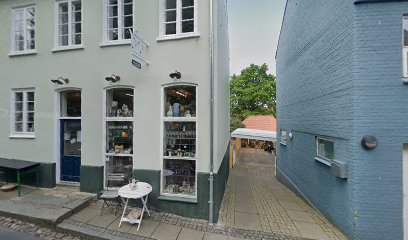
JamerAntik.dk
0.6 km
Intimate Mariager antiques shop specializing in Danish porcelain, ceramics and decorative treasures, where each shelf reveals another chapter of Scandinavian design history.
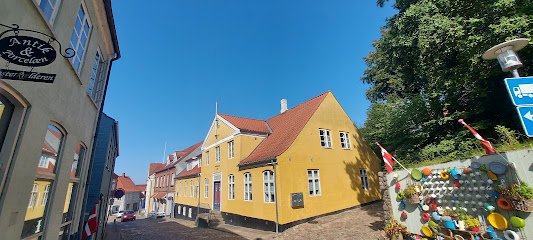
Vaffelbageren i Mariager
0.7 km
Experience handmade Danish ice cream and fresh-baked waffles on Mariager’s historic square—Vaffelbageren captures the taste and spirit of hygge along the fjord.
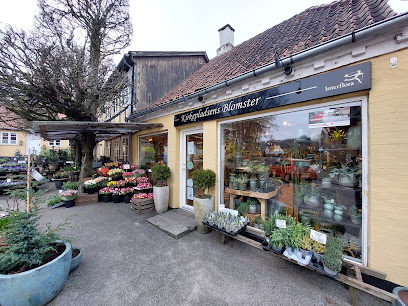
Kirkepladsens Blomster Mariager ApS
0.7 km
Century-old florist crafting premium arrangements for weddings, celebrations, and heartfelt moments.
Helga Winther Smykkedesigner
0.7 km
Handcrafted jewelry artistry in the heart of Mariager, where bespoke designs meet timeless elegance.
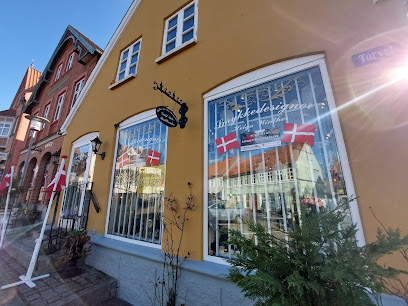
Strikkehjørnet Mariager
0.7 km
A cosy yarn haven in Mariager’s old town, where shelves of colourful wool, friendly advice and Nordic knitting inspiration create a perfect hygge-filled pause.
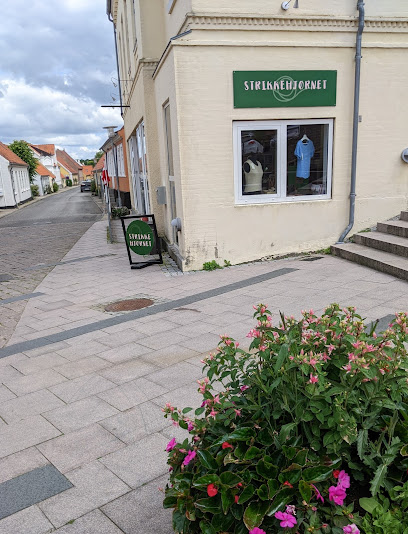
Klæd Dig - Mariager
0.7 km
Cosy, owner-run fashion boutique on Østergade in Mariager, offering curated Scandinavian-style womenswear in a relaxed, personal and distinctly local setting.
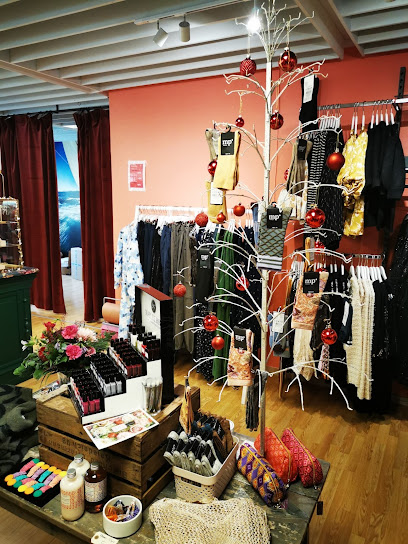
Diva
0.7 km
Curated women's fashion in the heart of historic Mariager's charming town center.
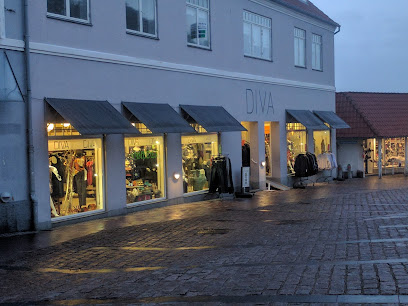
Jørgensen Sko
0.7 km
A long-standing local shoe shop and cobbler in Mariager, offering practical footwear, repairs and traditional service on cosy Østergade near the historic town centre.
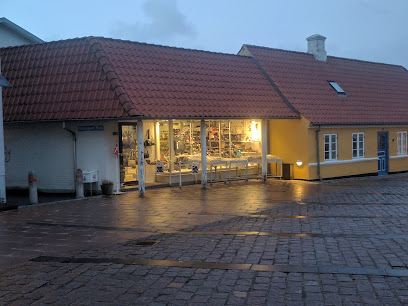
Vinspecialisten Mariager
0.7 km
Intimate specialist wine shop in the heart of Mariager, pairing personal advice with carefully chosen bottles, fine spirits and gift-ready treats for any occasion.
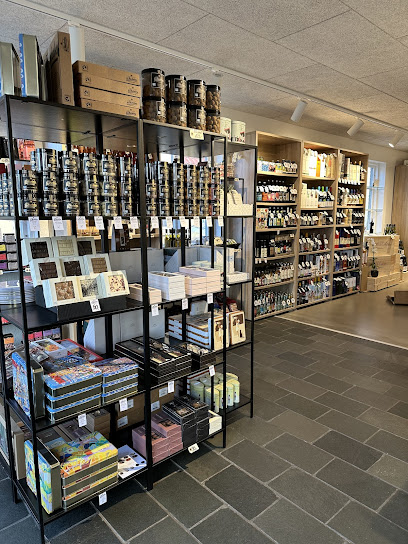
Mariager Boghandel
0.8 km
Cosy village bookshop and service hub in the heart of Mariager, combining books, gifts, toys and practical everyday services in one welcoming stop.
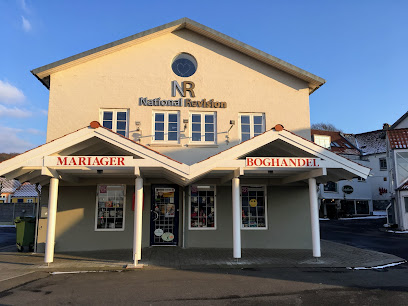
SuperBrugsen
0.8 km
Modern cooperative supermarket and deli hub in small‑town Mariager, ideal for stocking up on Danish groceries, picnic supplies and prepared local dishes every day.
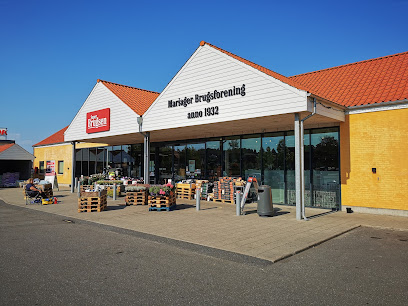
Mariager Slagterforretning
0.8 km
Classic Danish butcher shop by Mariager’s harbour, offering house-made specialties, fresh cuts and deli favourites ideal for picnics, grilling and cosy self-catered meals.
Folkekirkens Nødhjælp Genbrug
0.8 km
Cosy waterfront charity shop in Mariager, where curated second-hand finds, local community and global relief work meet under ét genbrugstag.
REMA 1000
1.0 km
Mariager’s handy REMA 1000 on Gl. Hobrovej is a no‑frills discount supermarket, perfect for stocking up on groceries, snacks and picnic supplies near the historic town.
Essential bars & hidden hideouts

Olivia
5.5 km
Casual Danish beer hall where locals gather for drinks, conversation, and authentic small-town hospitality.
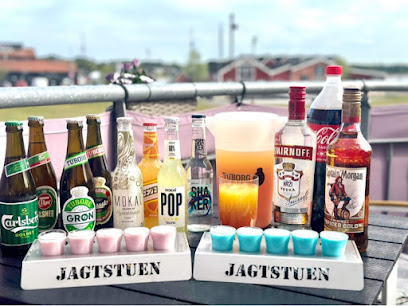
Jagtstuen
10.6 km
Traditional Danish bodega-style bar in central Hadsund, known for its cozy atmosphere and pioneering dementia-friendly approach to everyday social life.
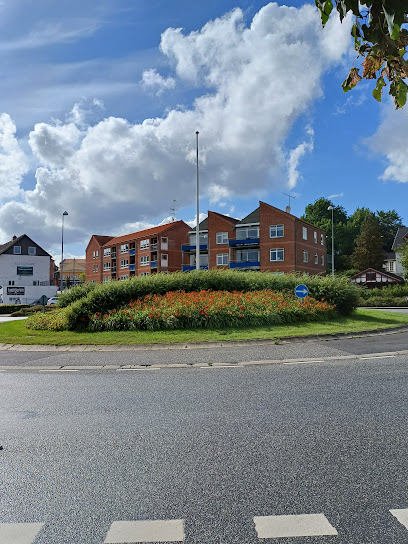
Kælderen
10.8 km
Intimate basement bar at the heart of Hadsund's town square, open for evening gatherings Thursday through Sunday.
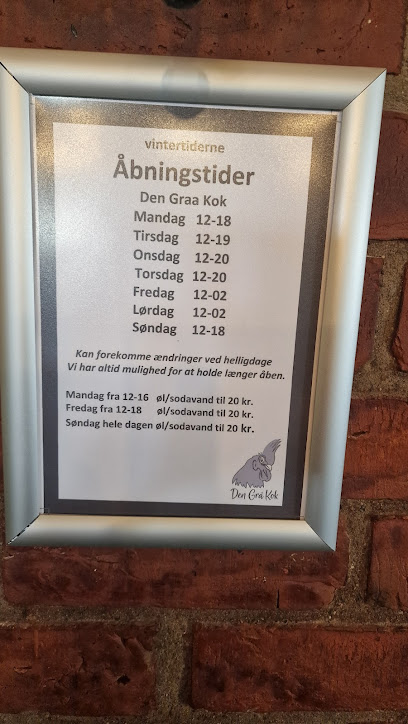
Den Graa Kok Vinkælderen
10.9 km
Refined wine bar and cellar in North Jutland offering curated selections and elegant dining.
ar
11.5 km
Unpretentious waterfront bar on Ved Stranden in Hadsund, where simple drinks, fjord views and small-town atmosphere create an easygoing evening stop.
Jazz Hobro
11.7 km
Northern Denmark's premier jazz venue, celebrating tradition and innovation through live performances.
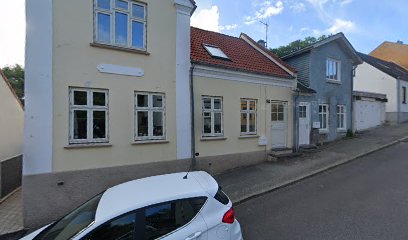
Bræddehytten Bar & Pub
12.0 km
Unpretentious local bar on Hobro’s main street, pouring cold beer and warm hygge in a classic Danish pub setting with friendly, small-town atmosphere.
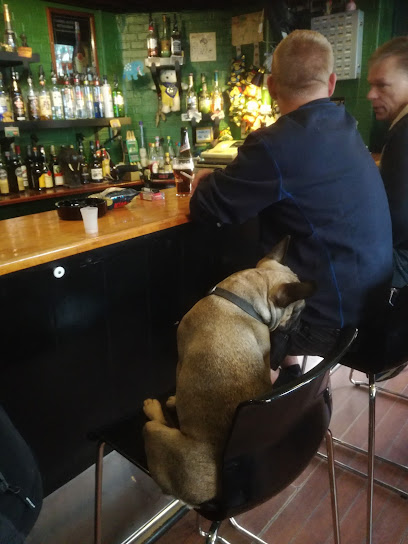
Torvebaren
12.1 km
Classic Danish bodega in central Hobro, serving traditional beers, darts and down‑to‑earth local atmosphere from morning coffee to late‑night rounds.
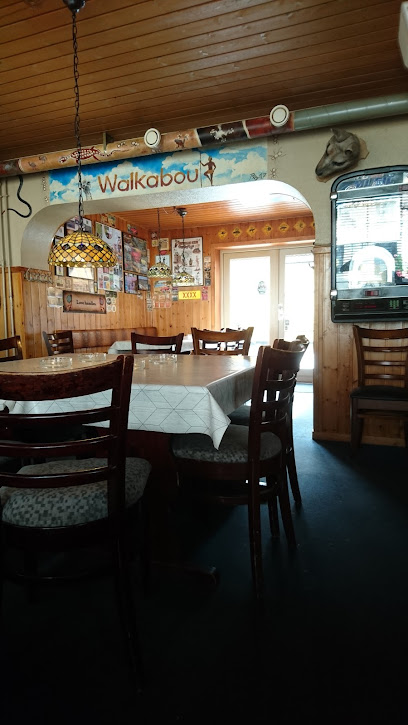
Vognhjulet Pub
12.1 km
Hobro's legendary rock pub where authentic Danish hospitality meets decades of local tradition.
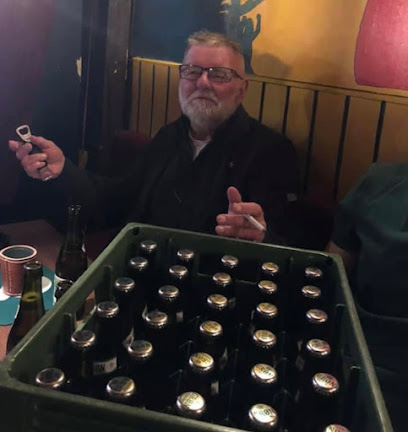
Madam Blå's Vandhul
12.2 km
A cozy, day‑time neighborhood bar-café in Hobro where locals linger over coffee, beer and small talk in an easygoing, homely atmosphere.
Rottehullet / Bodega
13.4 km
Laid‑back Danish bodega in quiet Arden, where cold beer, worn wood and easy conversation create a timeless neighborhood hangout.
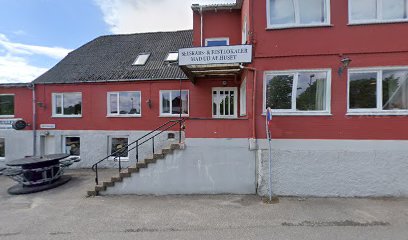
Center Pubben ApS
18.8 km
Cozy neighborhood pub in Terndrup Center, pouring cold beer, simple drinks and warm small-town atmosphere in a no-nonsense Danish bar setting.
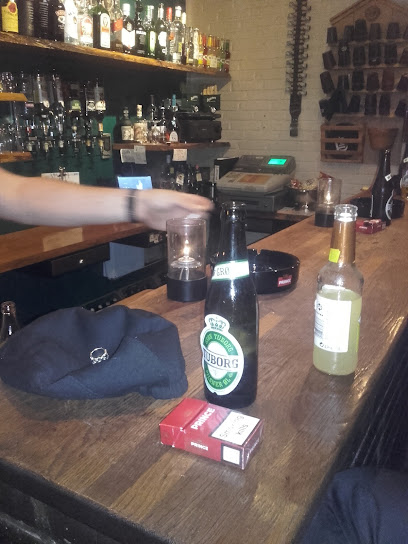
Sunes Bodega
20.0 km
A classic Randers neighbourhood bodega serving cold beers, local stories and uncomplicated hygge from morning until late evening.
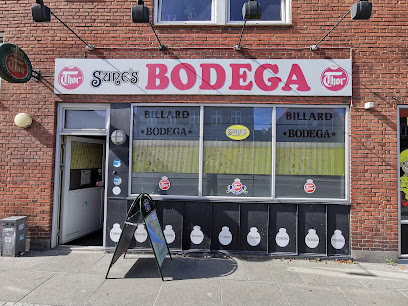
Bykroen
20.8 km
Traditional Randers bodega with cold beer, simple smørrebrød and everyday hygge in the heart of Vestergade’s city-centre streets.
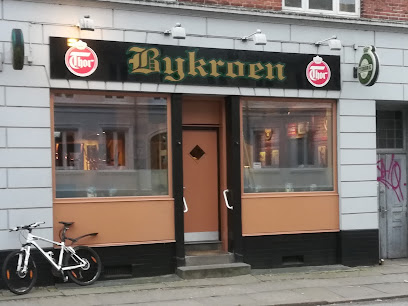
Cocktail Klubben
20.8 km
Experience Randers' vibrant nightlife at Cocktail Klubben, where expertly crafted cocktails and a lively atmosphere await.
Nightclubs & after hour spots

Buddy Holly
12.1 km
Late-night disco hub in central Hobro, where locals and visitors pack the dance floor to chart hits, lights and drinks until the early hours.

Randers Rave
18.4 km
Compact, bass-heavy nightclub in Randers NØ, where an unassuming façade hides a late-night dance floor fueled by rave-inspired lights, DJs and high energy.
Terminalen I/S v/Carl Erik Agnskov M.Fl.
42.1 km
Lively, affordable bar at Viborg’s historic center—Terminalen offers all-day drinks, local vibes, and Danish hygge for city explorers and socializers.
Vesterbro Pub
42.4 km
Vesterbro Pub offers an authentic slice of Danish bodega culture in central Viborg, where locals gather for affordable drinks, lively chats, and classic pub games.
Mjølner
43.2 km
Small-town Nibe’s late-night heartbeat, where a compact dance floor, loud party tunes and local crowds turn a quiet fjord town into a lively night out.
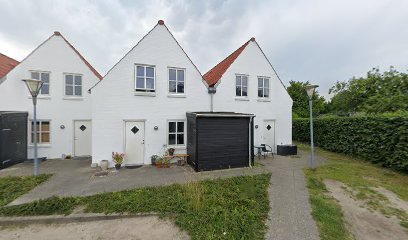
ANDERS LAUSTSEN A/S
44.0 km
Compact, casual late-night bar and dance spot in Viborg, offering simple drinks, music, and a local Danish nightlife vibe just beyond the historic center.
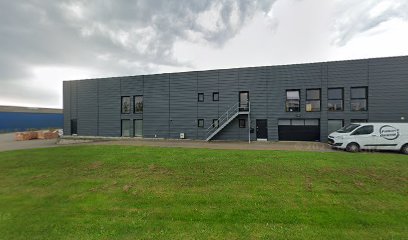
Night Cirque
44.6 km
Compact, high-energy nightclub in central Aalborg, where pulsing beats, bold lighting and a stylish crowd keep the dance floor alive late into the night.
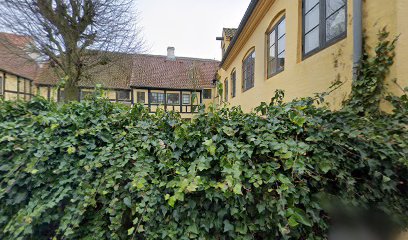
LouLou Aalborg
45.0 km
Polished cocktails and high-energy club vibes collide at this compact, late-night hotspot on Aalborg’s legendary Jomfru Ane Gade.
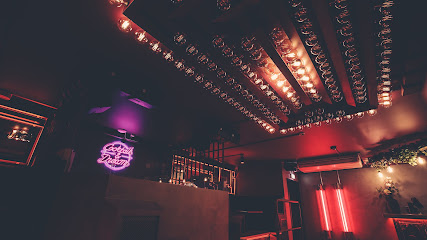
Under Buret
45.0 km
Aalborg's vibrant party hub with disco energy, DJ beats, and neon-lit celebration on every level.
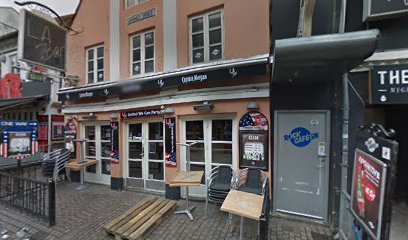
ESCAPE CLUB & Shisha Lounge
45.0 km
Intimate nightclub and shisha lounge in the heart of Aalborg’s Jomfru Ane Gade, mixing DJ-driven dancing, drinks and hookah corners late into the night.
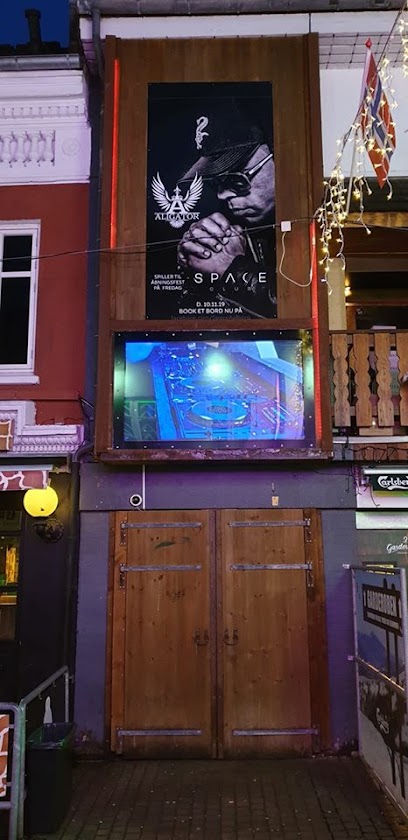
Club Stygge
45.0 km
Compact, late-night Aalborg nightclub with loud party hits, simple cocktails and a tightly packed dance floor on bustling Vesterå.
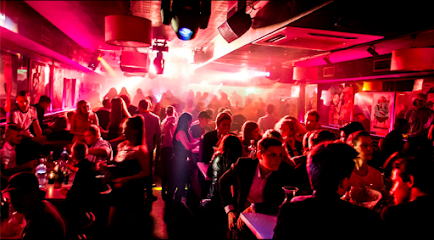
Club Wolf
45.0 km
Compact, late-night nightclub on Aalborg’s Jomfru Ane Gade, blending chart hits, strong weekend energy and a tightly packed dance floor in the city’s bar street hub.
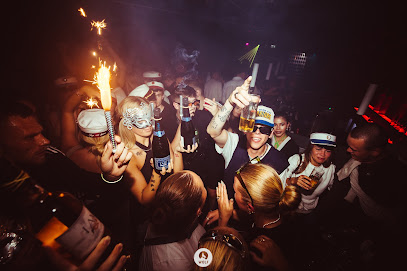
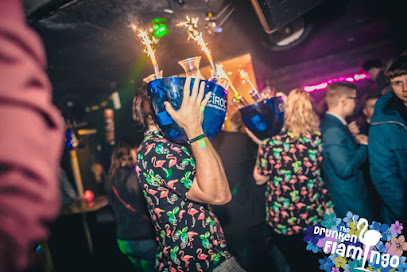
The Drunken Flamingo
45.0 km
Colorful cocktails, neon vibes, and electrifying nights—The Drunken Flamingo is Aalborg’s playful party hotspot in the heart of Denmark’s most famous bar street.
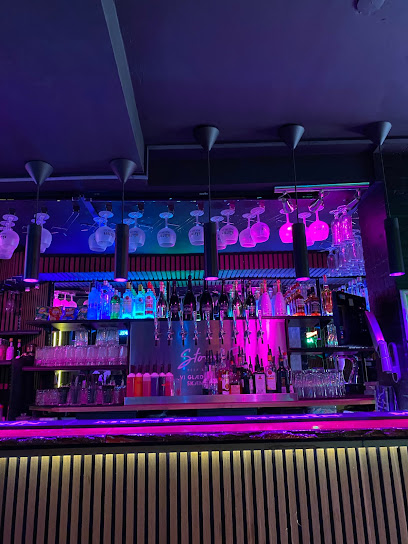
Storm P Beer & Cocktails
45.0 km
Experience Aalborg's legendary Jomfru Ane Gade at Storm P Beer & Cocktails—a vibrant night club, beer haven, and cocktail lounge with playful Danish flair.
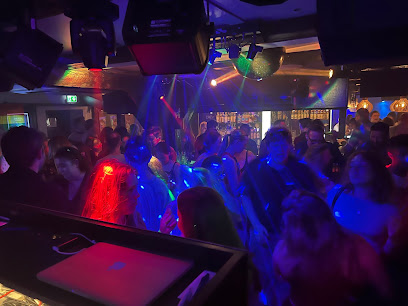
CLUB MOONLIGHT Aalborgs dansested for voksne
45.0 km
Adult‑only dance bar in central Aalborg, mixing 80s, 90s, 00s and current hits with cocktails and late‑night energy in an intimate courtyard setting.
For the vibe & atmosphere seeker
- Tranquil
- Scenic
- Unique
- Casual
For the architecture buff
- Historic
- Art & Design
For the social media creator & influencer
- Photo Spots
- Architectural Shots
For the eco-conscious traveler
- Low Impact
- Public-Transport Accessible
- Locally Managed
For the kind of experience you’re after
- Cultural Heritage
- Photowalk
- Day Trip
For how adventurous you want the journey to be
- Easy Access
Location Audience
- Family Friendly
- Senior Friendly
- Child Friendly
- Teen Friendly
- Solo Friendly
- Couple Friendly
- Solo Female Friendly


