
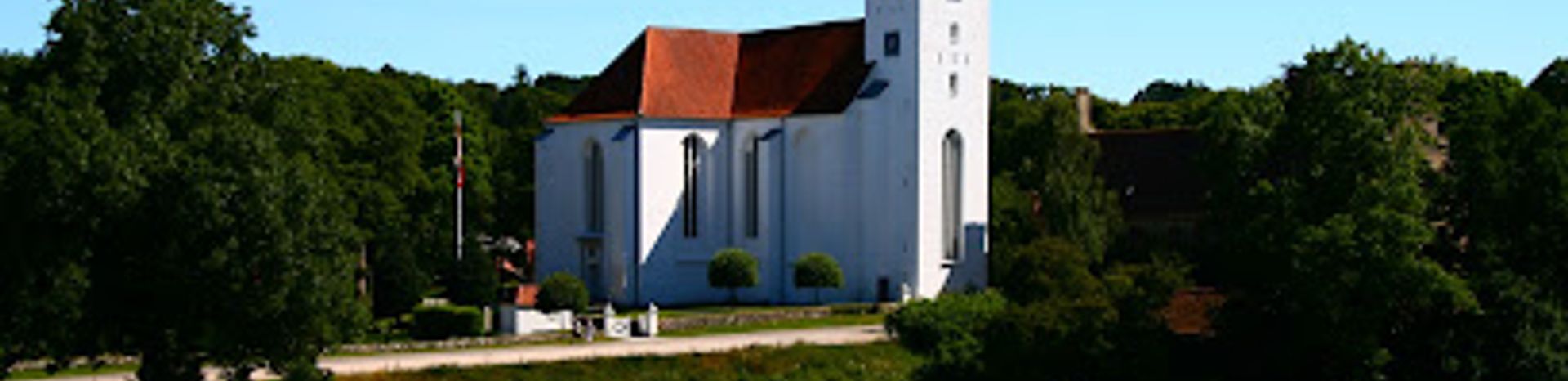
Mariager Church (Mariager Klosterkirke)
A towering former abbey church above Mariager Fjord, where Gothic brickwork, noble tombs and a distinctive Aubertin organ keep centuries of faith and history alive.
Mariager Church, also known as Mariager Abbey Church, rises above the red-roofed town of Mariager as the last great reminder of a once-mighty Bridgettine monastery. Founded in the 15th century alongside Mariager Abbey, the church was originally one of Denmark’s largest, serving pilgrims drawn to “Maria’s Field”. After the Reformation it became the parish church, later reshaped into a cruciform building yet still rich with Gothic traces, noble tombstones, a small tower museum and a renowned French Aubertin organ.
A brief summary to Mariager Church
- Klosterstien 9, Mariager, 9550, DK
- +4598541153
- Visit website
- Duration: 0.5 to 2 hours
- Free
-
 Indoor
- Mobile reception: 4 out of 5
Local tips
- Step just inside the main entrance and look left for the painted escutcheon and inscription commemorating an early benefactor of the abbey.
- Walk slowly along the nave to spot tombstones of Otto Krumpen, his family and Stygge Krumpen, now set into the floor rather than mounted on the walls.
- Allow time to visit the small museum space in the tower, where late Gothic wooden sculptures of Christ and the grave of Christ are displayed up close.
- Combine your visit with a stroll through the surrounding streets to sense how oversized the church is compared with the rest of Mariager.
- If possible, time your visit to coincide with an organ recital or service to experience the French Aubertin organ filling the brick vaults with sound.

For the on-the-go comforts that matter to you
- Restrooms
- Seating Areas
- Trash Bins
- Information Boards
Getting There
-
Regional bus
From Randers, take a regional bus towards Mariager; services typically run at least once per hour on weekdays and less frequently on weekends, with a journey time of about 45–60 minutes. Expect a ticket to cost roughly 40–70 DKK depending on the specific route and any discounts. The bus stops in central Mariager, from where the church can be reached on foot in around 10–15 minutes along gently sloping streets; pavements are generally good but can be uneven in places.
-
Car from Randers or Aalborg
Driving from Randers or Aalborg, allow about 30–40 minutes from Randers and 60–75 minutes from Aalborg, depending on traffic and route. There is usually free or low-cost public parking available within walking distance of the church in central Mariager, although spaces can be busier on Sundays and during events. Fuel and potential toll costs will vary, but you should budget at least 40–80 DKK in fuel for a return trip from Randers and more from Aalborg.
-
Train plus bus combination
If you are arriving by intercity or regional train to Hobro, you can transfer to a local bus towards Mariager. The combined travel time is typically 45–70 minutes, depending on connection times. A through ticket or separate tickets usually total around 60–120 DKK in standard class. Services run throughout the day but may be less frequent in the evening, so check the latest timetable in advance, especially if you plan a same-day return.
Mariager Church location weather suitability
-
 Any Weather
-
 Cold Weather
-
 Mild Temperatures
-
 Rain / Wet Weather
-
 Clear Skies
Discover more about Mariager Church
A hilltop church born from a medieval abbey
Mariager Church began life in the late 15th century as the grand abbey church of a Bridgettine monastery overlooking Mariager Fjord. Built of brick in the Gothic style, it formed the spiritual heart of Mariager Abbey, a double convent that housed both nuns and monks in separate wings while sharing this great house of worship. From the fjord, the vast church towered over the modest town, signalling that this was not just a local parish building but a major religious centre. The name Mariager – often translated as “Maria’s Field” – reflects the devotional focus on the Virgin Mary that the Bridgettine Order carried across northern Europe. Pilgrims followed the tracks and waterways of Jutland to reach this hill, seeking absolution and the comfort of ritual within the soaring, vaulted interior. Even today, approaching along the narrow streets, you can sense how disproportionately large the church is compared to the surrounding houses, a visible echo of medieval ambition.Reformation upheavals and a reshaped silhouette
The Lutheran Reformation in the 16th century transformed the abbey’s role. The monastic community was dissolved, its lands taken over by the crown, and the church was gradually reassigned as Mariager’s parish church. For several decades it also served as a charitable home for unmarried noblewomen, a reminder that former monasteries often slid into new social roles rather than disappearing overnight. Maintaining such a colossal building proved far beyond the means of a small town. Over the following centuries parts of the abbey complex fell into decay. By the 1780s the eastern sections of the church were demolished, reducing the length of the nave and giving the present building its cruciform ground plan. The abbey’s domestic ranges were largely lost or converted; what survives today is the church itself and fragments of the monastic setting woven into later structures around Klosterstien.Noble tombs, memorials and quiet stories in stone
Inside the church, history is written into walls and floor. Just to the left of the entrance a painted escutcheon recalls a noble benefactor whose gifts once helped sustain the abbey. Throughout the building you will notice coats of arms and Latin inscriptions that connect Mariager to the landed families of Jutland. Several prominent figures from Denmark’s late medieval nobility are buried here. Among them is Otto Krumpen, Lord High Constable and commander in early 16th-century campaigns against Sweden. His tombstone, like those of his wives and the clergyman Stygge Krumpen – the last Catholic bishop of Børglum – now lies set into the church floor rather than raised on the walls, a subtle sign of shifting attitudes to display and hierarchy.Organ music and a renewed interior
Although Mariager Church preserves a medieval shell, its interior has not been frozen in time. A thorough renovation in the 1990s refreshed the light, whitewashed space and carefully restored details that had dulled with age. The result is an interior that feels both historic and unexpectedly bright, where ribs of Gothic vaulting frame a calm, uncluttered nave. One of the most distinctive features is the French-built Aubertin organ, whose case and sound world differ strikingly from many Danish instruments. Its finely crafted pipes and warm, clear tone make it a focal point for sacred music and concerts. When the organ is played, the notes roll beneath the brick vaults, connecting modern listeners with centuries of liturgy and song that have filled this space.Tower museum and traces of the vanished cloister
In the tower you will find a small museum space with devotional wooden sculptures, including depictions of the suffering Christ and the entombment. These works once formed part of larger ensembles that guided medieval worshippers’ meditation on the Passion. Today they offer a closer, more intimate encounter with late Gothic craftsmanship. Outside, the church is framed by a peaceful churchyard and remnants of the abbey precinct, now absorbed into later buildings and gardens. From certain angles you can still imagine the original enclosure of cloister, refectory and dormitories that once wrapped around the church. Models and reconstructions, on display in the local museum, help complete the mental picture of how immense the abbey complex once was.Experiencing Mariager’s "Maria’s Field" today
Visiting Mariager Church today is as much about atmosphere as architecture. The hilltop setting gives glimpses of tiled roofs and the soft landscape around the fjord, while the interior invites slow exploration, from the memorial tablets to the play of daylight across brick and stone. It remains an active parish church, so periods of silence alternate with services, weddings and music. Whether you come for the layered religious history, the noble burials, the distinctive organ or simply a quiet pause during a walk through town, the church offers a concentrated introduction to Mariager’s past. In a compact space you encounter medieval pilgrimage culture, Reformation change, aristocratic remembrance and modern restoration – all gathered under a single, weathered roof on "Maria’s Field".Iconic landmarks you can’t miss

Mariager Church
0.0 km
A towering former abbey church above Mariager Fjord, where Gothic brickwork, noble tombs and a distinctive Aubertin organ keep centuries of faith and history alive.
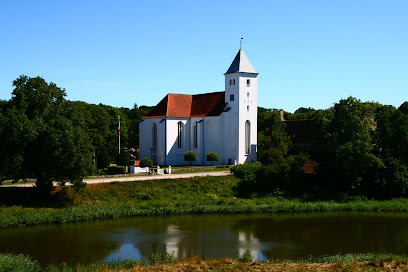
Mariager Kirke
0.1 km
A lofty Bridgettine abbey church turned parish landmark, where Gothic stone, noble tombs and organ music tell Mariager’s story above the fjord.
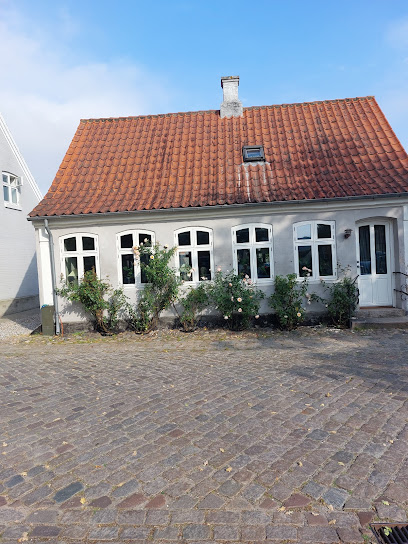
Hotel Postgaarden Mariager
0.3 km
Experience historic Danish charm and modern comfort at Hotel Postgaarden Mariager, nestled in the heart of the 'City of Roses' with easy access to Mariager Fjord's natural beauty.

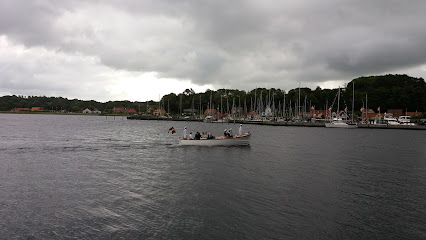
Mariager Lystbådehavn
0.7 km
Denmark's most beautiful fjord meets a thriving sailing community in this welcoming maritime harbor.
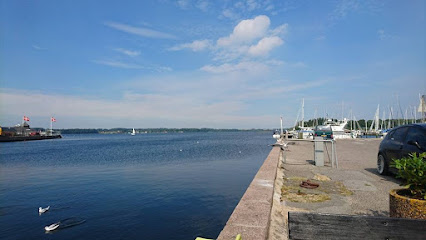
Mariager Fjord
2.8 km
Denmark's longest fjord winds through pristine Jutland landscapes, offering unspoilt nature, charming villages, and exceptional outdoor adventures.
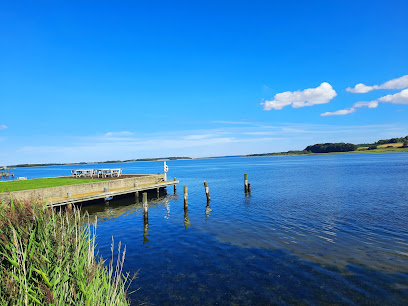
Restaurant BramslevGaard
7.3 km
Experience Danish history and gastronomy at BramslevGaard, a charming manor house nestled in the scenic Bramslev Bakker near Hobro, offering stunning views and French-inspired cuisine.
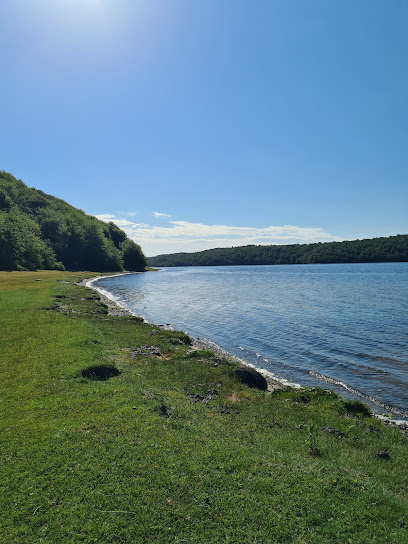
Hotel BramslevGaard
7.4 km
Experience tranquility and history at Hotel BramslevGaard, nestled in the scenic Bramslev Bakker by Mariager Fjord, offering gourmet dining, spa retreats, and easy access to Northern Jutland's natural wonders.
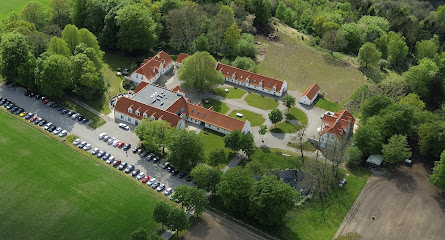
Hobro Lystbådehavn
10.3 km
Denmark's premier fjord marina with historic charm and modern comfort.
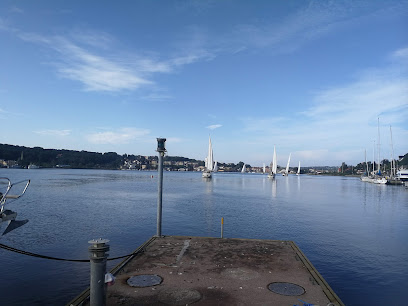
Sven Dalsgaards Plads
20.7 km
Randers' cultural epicentre honouring a Dadaist pioneer, where art, performance, and community converge.
Randers St.
20.9 km
Historic East Jutland railway hub connecting Denmark's east coast with modern InterCity services and comprehensive traveler amenities.
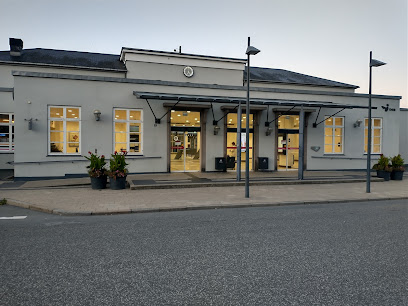
Randers Railwaystation
20.9 km
Historic rail gateway of Randers, linking East Jutland’s river town with Aarhus, Aalborg and Copenhagen from a compact, practical 19th‑century station hub.
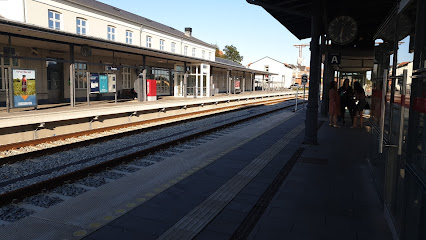
Hotel Randers
21.2 km
Explore the rich tapestry of Danish and international design at Copenhagen's Designmuseum Danmark.
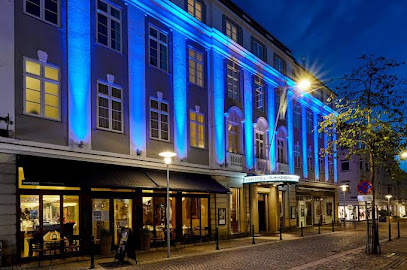
Rold Forest
21.8 km
Discover Denmark's largest forest: Hike through ancient woodlands, explore unique geological formations, and uncover the legends of Rold Forest near Skørping.
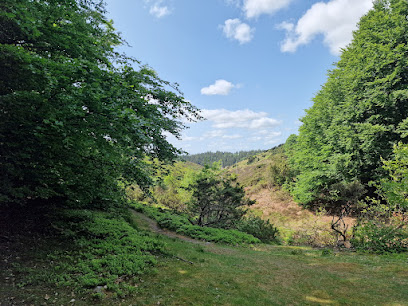
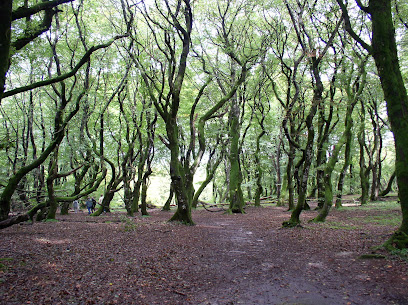
Troldeskoven
21.8 km
Discover the mystical allure of Troldeskoven near Skørping, where ancient, gnarled beech trees create a magical landscape steeped in Danish folklore and natural beauty within Rold Skov.
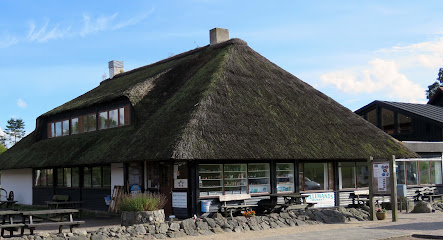
Museum Rebild
22.0 km
Explore Danish-American history and local traditions at Museum Rebild in Skørping, a cultural gateway to Northern Jutland's heritage and the enduring bond between Denmark and the USA.
Unmissable attractions to see

Rosenhaven
0.2 km
An intimate rose garden in the heart of Mariager, where hundreds of varieties, church spires and cobbled streets meet in a quietly fragrant city retreat.
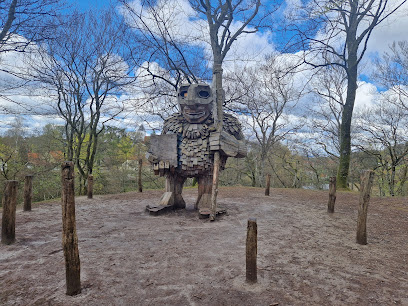
Ivan Evigvår trold
0.3 km
Hunt for a gentle giant hidden deep in Denmark's enchanted forest—a whimsical woodland sculpture born from community votes and recycled dreams.
Munkholmanlægget
0.3 km
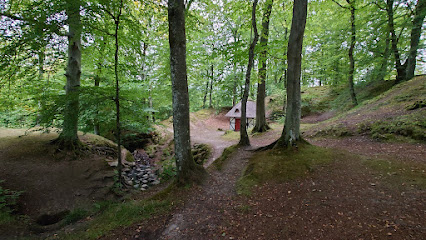
A peaceful woodland escape featuring forest trails, a whimsical troll sculpture, and a rose garden in charming Mariager.
Mariager Museum
0.3 km
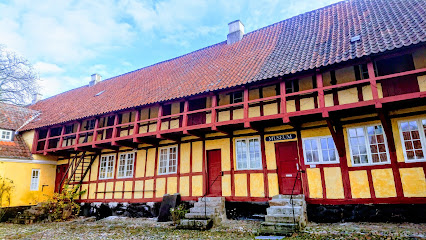
Centuries of regional heritage in a charming 17th-century merchant's house.
Mariager Idræts Klub
0.5 km
Multi-sport heart of Mariager, where everyday Danish life, local matches and community spirit fill simple halls and pitches beside the fjord town.
Veteranjernbanen Mariager-Handest
0.6 km
Denmark’s longest heritage railway, where vintage trains, fjordside scenery and a preserved rural station bring a century of Danish railway history to life.
Mariager Sejlklub
0.7 km
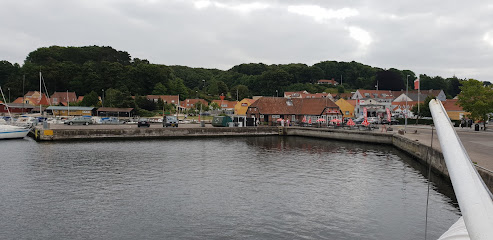
Friendly marina and sailing club on the shores of Mariager Fjord, blending sheltered berths, local sailing culture and easy access to a charming historic town.
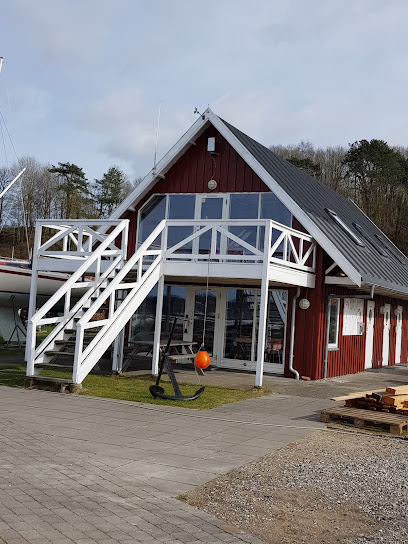
Saltcentret
0.7 km
Denmark's salt heritage comes alive through interactive exhibits, therapeutic pools, and family adventures on the Mariager Fjord.
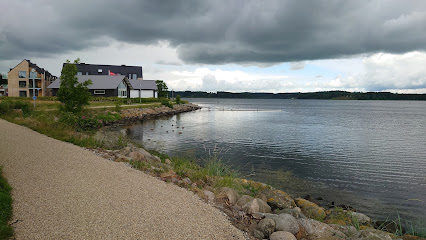
Mariager Camping
0.7 km
Award-winning fjord-side camping where Nordic nature meets charming heritage town life.
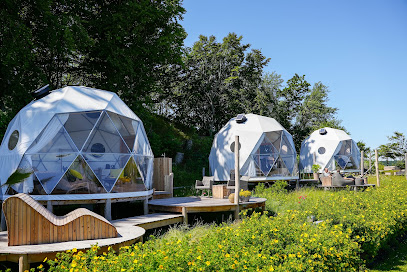
Sødisbakkes Museum
0.8 km
An intimate local history museum revealing the everyday lives, work and creativity of residents at Sødisbakke, a long‑standing care institution near Mariager.
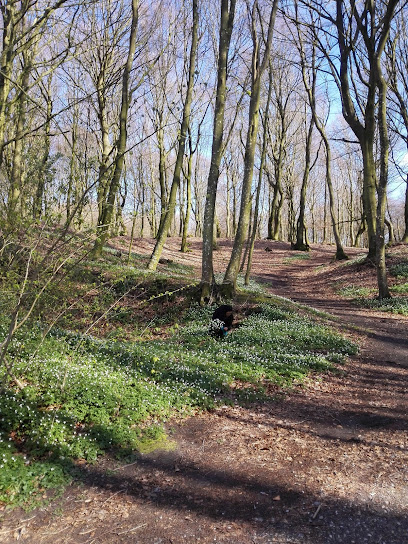
Mariager Strandpark
0.9 km
Small, calm and right on Mariager Fjord, this modest strandpark blends a man-made beach with green lawns and fjord views for relaxed, low-key time by the water.
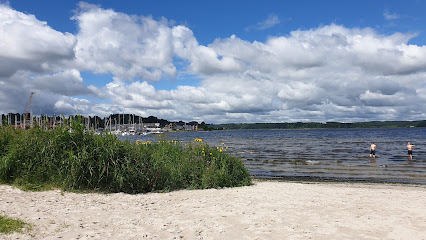
Alstrup krat
1.1 km
Ancient burial mounds, forest trails, and fjord panoramas in Denmark's timeless landscape.
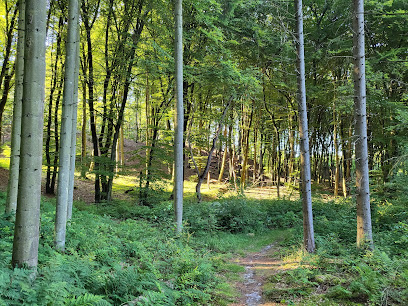
Mariagerfjord Frikirke
1.1 km
Modern free church and cultural house on the edge of Mariager, blending contemporary worship, community life and flexible event spaces in a bright, welcoming complex.
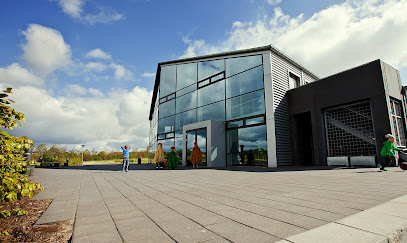
Kings Hill | Megalithic tomb
3.7 km
Discover Denmark’s most whimsical museum: a creative coastal house spectacularly covered in shells, folk art, and maritime antiques in scenic Thyborøn.
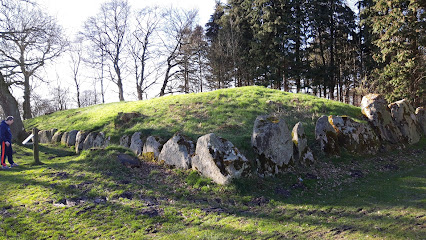
Miniseum
3.8 km
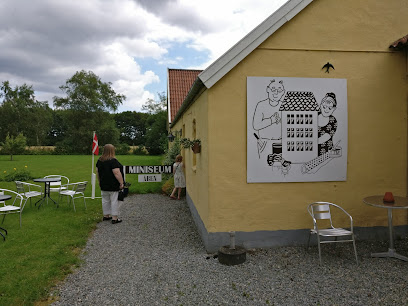
Enchanting 1:12 scale miniatures and dioramas celebrating artistry in Denmark's countryside.
Essential places to dine

A'porta
0.3 km
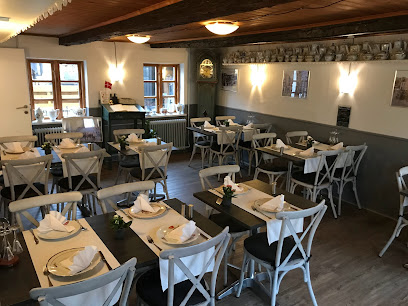
Unpretentious Danish cooking, a lively bodega-style bar and simple rooms under one roof in the old fjord town of Mariager.
Torve Pizza Mariager v/Kenan Atas
0.4 km
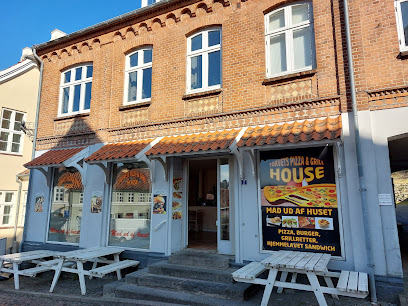
Casual, central pizzeria and grillhouse on Mariager’s main square, serving generous, affordable comfort food to locals and visitors from afternoon through evening.
Mariager Bistro & Konditori
0.4 km
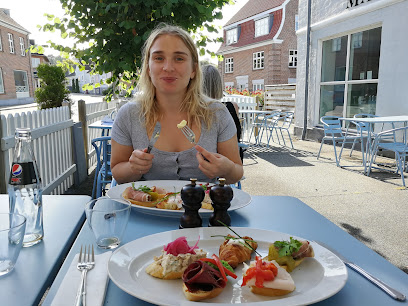
Casual harborfront bistro and konditori in Mariager, serving unfussy Danish café dishes and cakes just steps from the town’s quiet fjord marina.
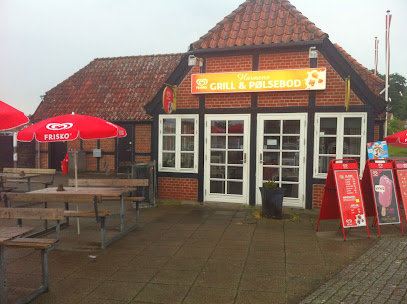
Havnens Grill & Pølsebod
0.6 km
Casual waterfront grill serving Danish classics with fjord views and motorcycle tradition.
Landgangen
1.0 km
Homely Danish comfort food and generous plates served with wide-open views over Mariager Fjord on the quiet edge of this charming North Jutland town.
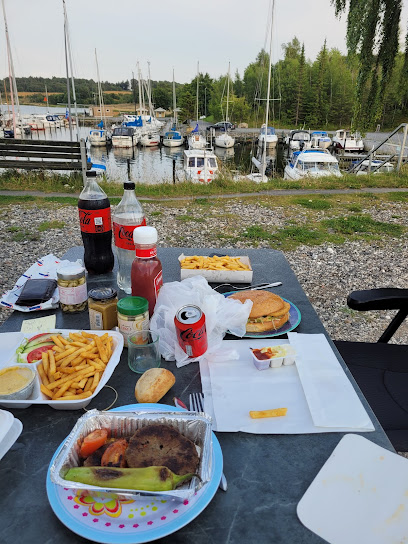
Star Pizza & Grill
6.1 km
Straightforward pizzas and grill favorites in the heart of Mariager, offering easy takeaway and no-frills dining after a day by the Danish fjord.
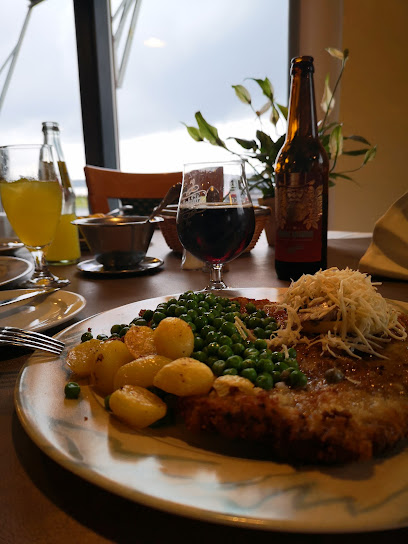
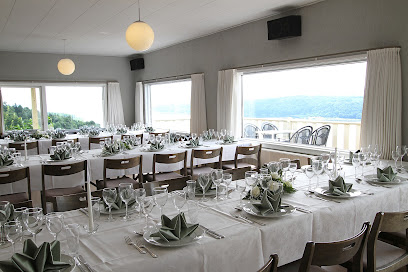
Restauration Orkidee Dania - Mad som man kender
6.4 km
Relaxed fjordside restaurant and event venue at Dania, serving classic Danish dishes, buffets and catering in cozy banquet rooms with wide views over Mariager Fjord.
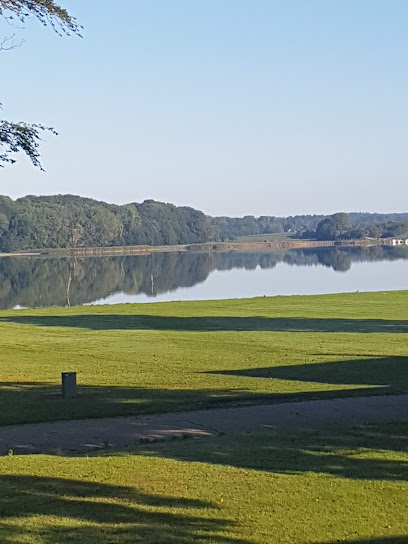
Restaurant Bramslev Bakker
6.8 km
Countryside Danish cooking with sweeping fjord views, where Bramslev Bakker’s rolling hills meet a relaxed, modern restaurant above Mariager Fjord.
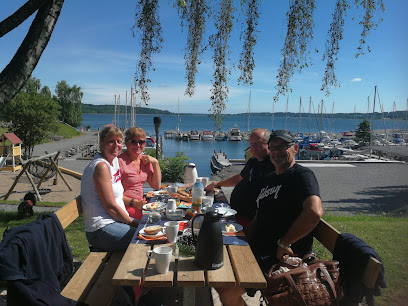
Cafe Fyret Kongsdal
6.8 km
Unpretentious harbour café on the quay at Kongsdal Havn, serving simple, good‑value meals and ice creams with wide‑open views over Mariager Fjord.
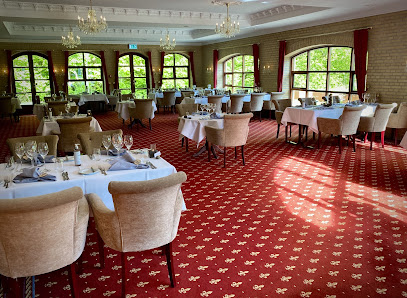
Restaurant Uafhængig
8.9 km
Ambitious Nordic cooking in a calm, forest‑edge dining room at Hotel Amerika, blending seasonal Danish flavors with a relaxed, modern atmosphere near Hobro.
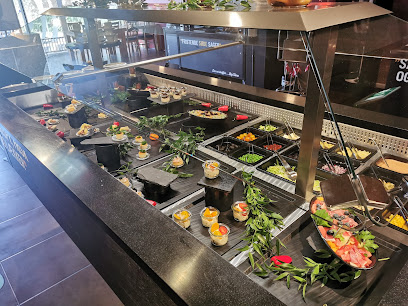
Restaurant The Grill Hobro
10.0 km
All-you-can-eat grill buffet and brunch inside Hobro’s Bowl’n’Fun, bringing hearty classics, soft-ice desserts and family-friendly dining under one lively roof.
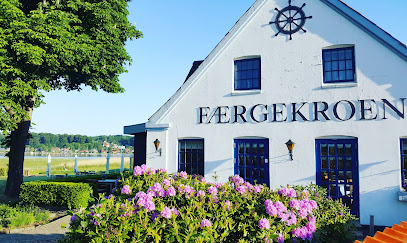
Færgekroen Hadsund
11.0 km
Classic Danish inn and restaurant by the Mariager Fjord, blending hearty kromad, Nordic flavors and simple rooms with wide-reaching views over the water.
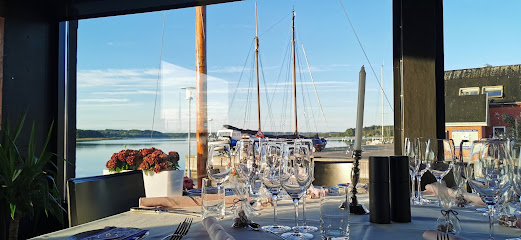
davinci RISTORANTE
11.1 km
Waterfront Italian dining on Mariager Fjord, blending classic pasta, pizza and seafood buffets with bright fjordview rooms and a lively, welcoming atmosphere.
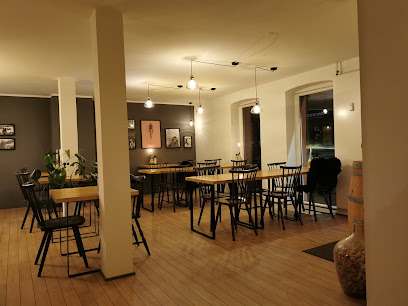
Matios Det Italienske Spisehus
11.3 km
Cosy Italian trattoria-style dining on Hobro’s central square, serving generous pizzas, pasta and classic desserts in a warm, candlelit atmosphere.
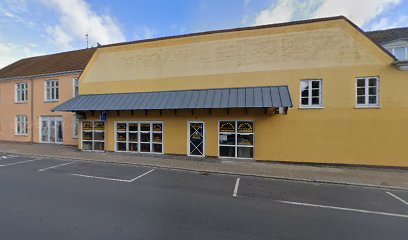
Nida's food
11.3 km
Casual harborfront fast-food joint in Hobro serving pizzas, burgers and grill favorites just steps from the marina on Havnegade.
Markets, malls and hidden boutiques

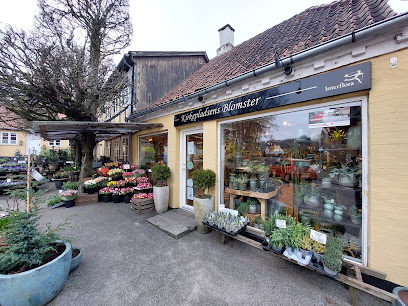
Kirkepladsens Blomster Mariager ApS
0.2 km
Century-old florist crafting premium arrangements for weddings, celebrations, and heartfelt moments.
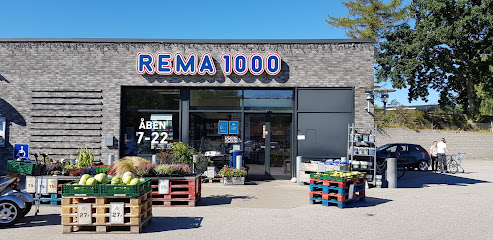
REMA 1000
0.3 km
Mariager’s handy REMA 1000 on Gl. Hobrovej is a no‑frills discount supermarket, perfect for stocking up on groceries, snacks and picnic supplies near the historic town.
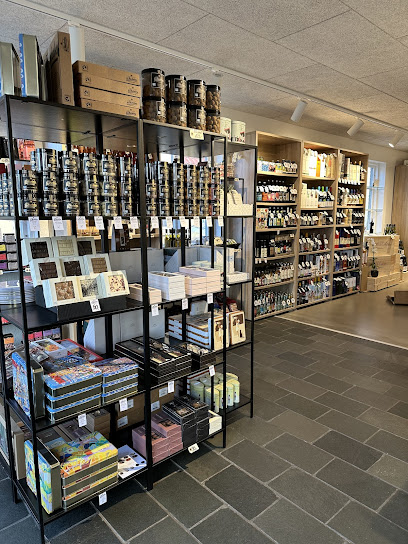
Vinspecialisten Mariager
0.3 km
Intimate specialist wine shop in the heart of Mariager, pairing personal advice with carefully chosen bottles, fine spirits and gift-ready treats for any occasion.
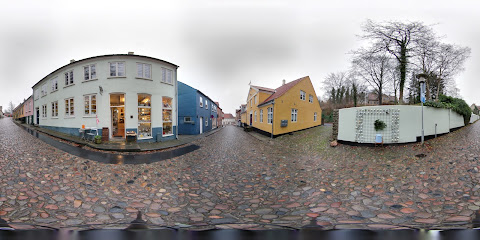
Klosterkaelderen.dk Antiques & Porcelain
0.3 km
Denmark's premier destination for authentic Danish and European antique ceramics and porcelain.
Helga Winther Smykkedesigner
0.3 km
Handcrafted jewelry artistry in the heart of Mariager, where bespoke designs meet timeless elegance.
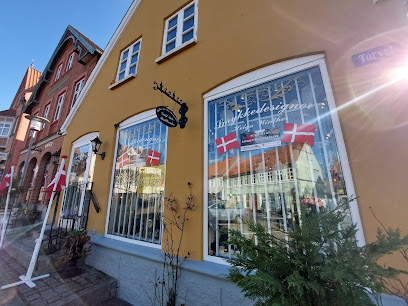
JamerAntik.dk
0.3 km
Intimate Mariager antiques shop specializing in Danish porcelain, ceramics and decorative treasures, where each shelf reveals another chapter of Scandinavian design history.
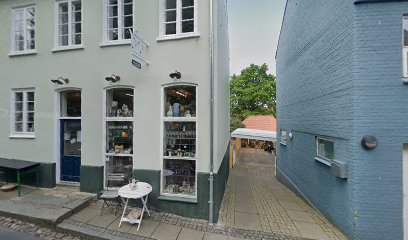
Vaffelbageren i Mariager
0.3 km
Experience handmade Danish ice cream and fresh-baked waffles on Mariager’s historic square—Vaffelbageren captures the taste and spirit of hygge along the fjord.
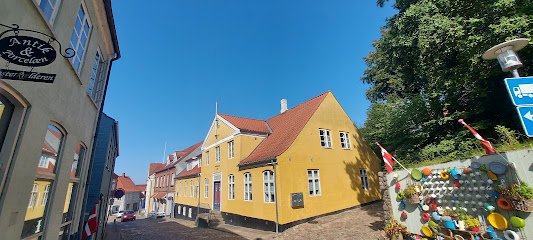
Folkekirkens Nødhjælp Genbrug
0.4 km
Cosy waterfront charity shop in Mariager, where curated second-hand finds, local community and global relief work meet under ét genbrugstag.
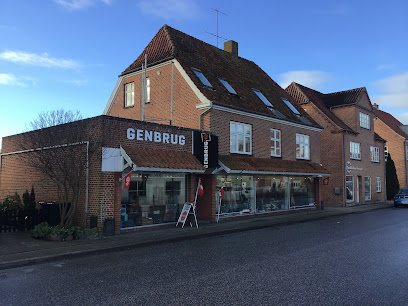
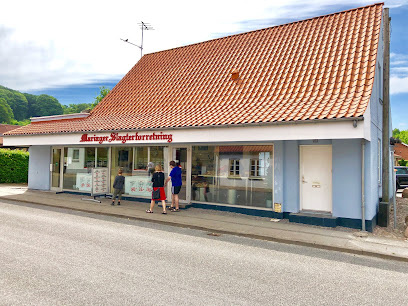
Mariager Slagterforretning
0.4 km
Classic Danish butcher shop by Mariager’s harbour, offering house-made specialties, fresh cuts and deli favourites ideal for picnics, grilling and cosy self-catered meals.
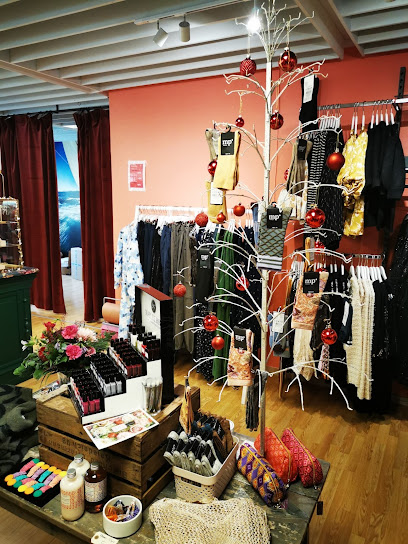
Klæd Dig - Mariager
0.5 km
Cosy, owner-run fashion boutique on Østergade in Mariager, offering curated Scandinavian-style womenswear in a relaxed, personal and distinctly local setting.
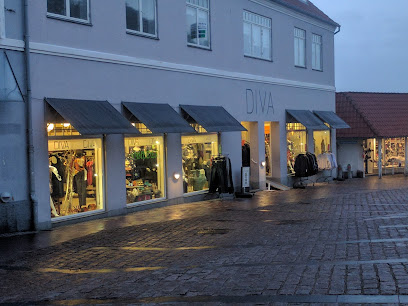
Diva
0.5 km
Curated women's fashion in the heart of historic Mariager's charming town center.
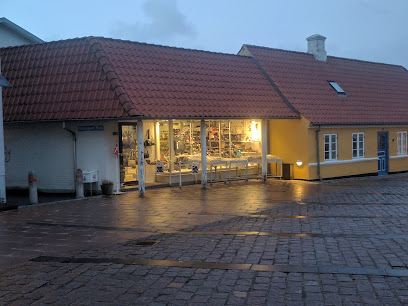
Jørgensen Sko
0.5 km
A long-standing local shoe shop and cobbler in Mariager, offering practical footwear, repairs and traditional service on cosy Østergade near the historic town centre.
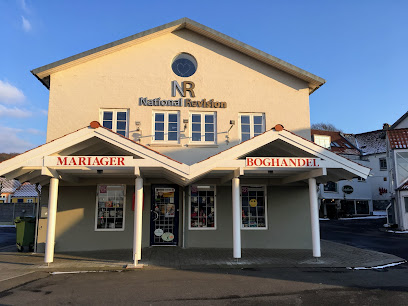
Mariager Boghandel
0.5 km
Cosy village bookshop and service hub in the heart of Mariager, combining books, gifts, toys and practical everyday services in one welcoming stop.
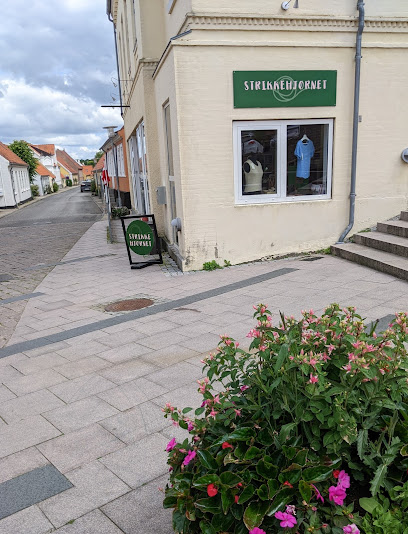
Strikkehjørnet Mariager
0.5 km
A cosy yarn haven in Mariager’s old town, where shelves of colourful wool, friendly advice and Nordic knitting inspiration create a perfect hygge-filled pause.
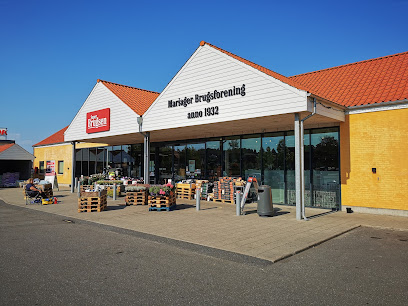
SuperBrugsen
0.5 km
Modern cooperative supermarket and deli hub in small‑town Mariager, ideal for stocking up on Danish groceries, picnic supplies and prepared local dishes every day.
Essential bars & hidden hideouts

Olivia
6.1 km
Casual Danish beer hall where locals gather for drinks, conversation, and authentic small-town hospitality.
Jazz Hobro
11.0 km
Northern Denmark's premier jazz venue, celebrating tradition and innovation through live performances.
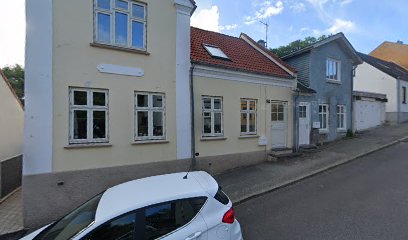
Jagtstuen
11.1 km
Traditional Danish bodega-style bar in central Hadsund, known for its cozy atmosphere and pioneering dementia-friendly approach to everyday social life.
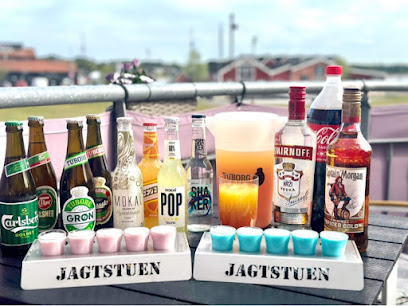
Bræddehytten Bar & Pub
11.2 km
Unpretentious local bar on Hobro’s main street, pouring cold beer and warm hygge in a classic Danish pub setting with friendly, small-town atmosphere.
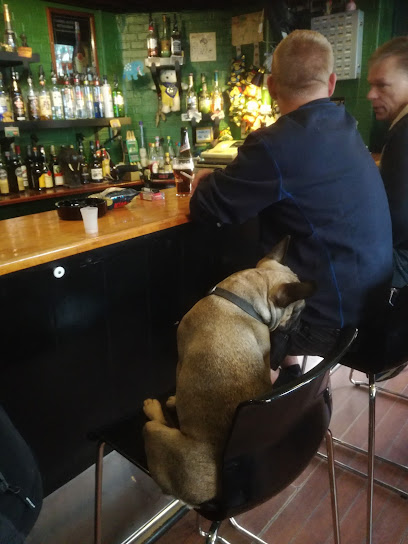
Kælderen
11.3 km
Intimate basement bar at the heart of Hadsund's town square, open for evening gatherings Thursday through Sunday.
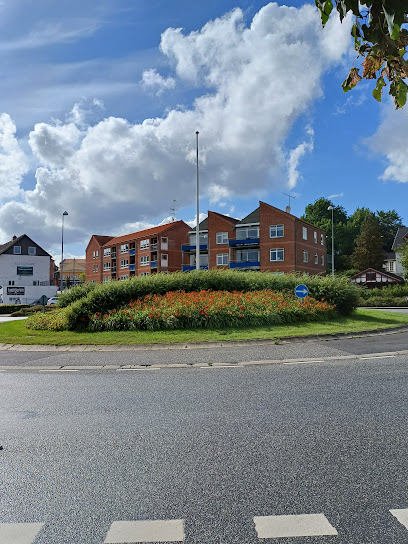
Torvebaren
11.3 km
Classic Danish bodega in central Hobro, serving traditional beers, darts and down‑to‑earth local atmosphere from morning coffee to late‑night rounds.
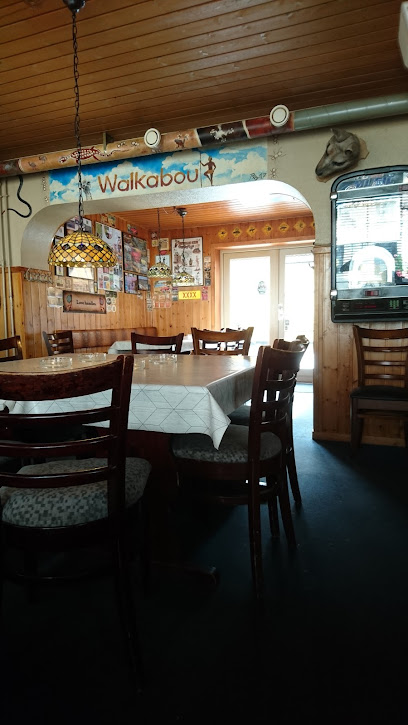
Vognhjulet Pub
11.4 km
Hobro's legendary rock pub where authentic Danish hospitality meets decades of local tradition.
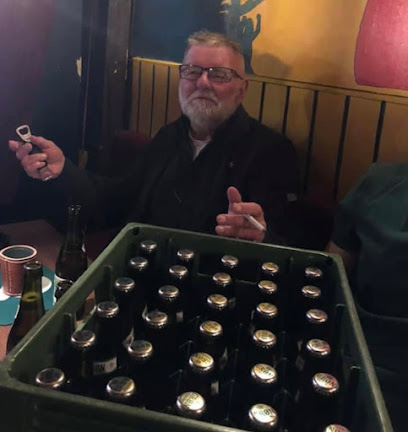
Den Graa Kok Vinkælderen
11.4 km
Refined wine bar and cellar in North Jutland offering curated selections and elegant dining.
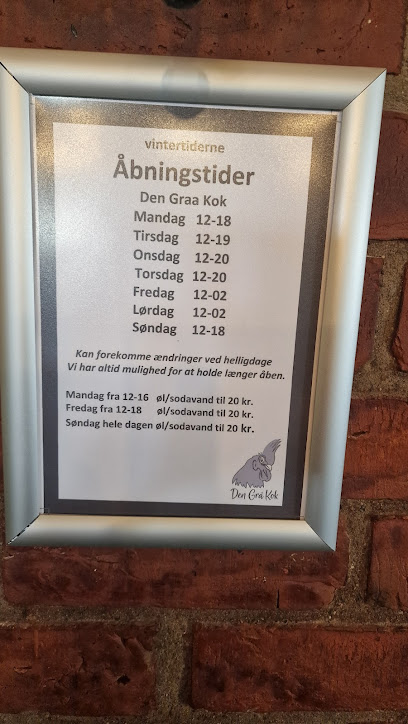
Madam Blå's Vandhul
11.5 km
A cozy, day‑time neighborhood bar-café in Hobro where locals linger over coffee, beer and small talk in an easygoing, homely atmosphere.
ar
12.0 km
Unpretentious waterfront bar on Ved Stranden in Hadsund, where simple drinks, fjord views and small-town atmosphere create an easygoing evening stop.
Rottehullet / Bodega
13.3 km
Laid‑back Danish bodega in quiet Arden, where cold beer, worn wood and easy conversation create a timeless neighborhood hangout.
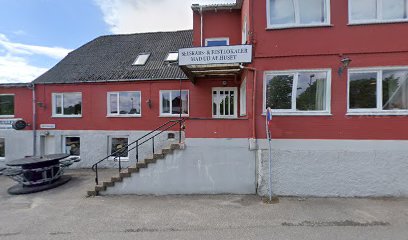
Center Pubben ApS
18.9 km
Cozy neighborhood pub in Terndrup Center, pouring cold beer, simple drinks and warm small-town atmosphere in a no-nonsense Danish bar setting.
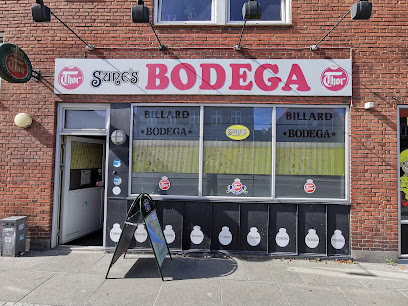
Sunes Bodega
20.2 km
A classic Randers neighbourhood bodega serving cold beers, local stories and uncomplicated hygge from morning until late evening.
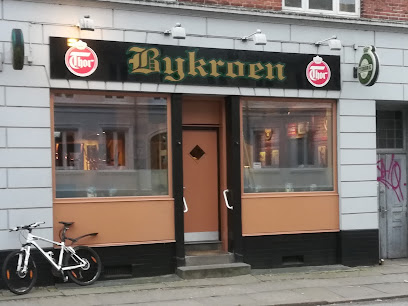
Bykroen
20.9 km
Traditional Randers bodega with cold beer, simple smørrebrød and everyday hygge in the heart of Vestergade’s city-centre streets.
Cocktail Klubben
21.0 km
Experience Randers' vibrant nightlife at Cocktail Klubben, where expertly crafted cocktails and a lively atmosphere await.
Nightclubs & after hour spots

Buddy Holly
11.4 km
Late-night disco hub in central Hobro, where locals and visitors pack the dance floor to chart hits, lights and drinks until the early hours.

Randers Rave
18.6 km
Compact, bass-heavy nightclub in Randers NØ, where an unassuming façade hides a late-night dance floor fueled by rave-inspired lights, DJs and high energy.
Rold Skov Orienteringsklub
21.8 km
Embark on an orienteering adventure with Rold Skov Orienteringsklub in Denmark's captivating Rold Skov forest.
Terminalen I/S v/Carl Erik Agnskov M.Fl.
41.5 km
Lively, affordable bar at Viborg’s historic center—Terminalen offers all-day drinks, local vibes, and Danish hygge for city explorers and socializers.
Vesterbro Pub
41.8 km
Vesterbro Pub offers an authentic slice of Danish bodega culture in central Viborg, where locals gather for affordable drinks, lively chats, and classic pub games.
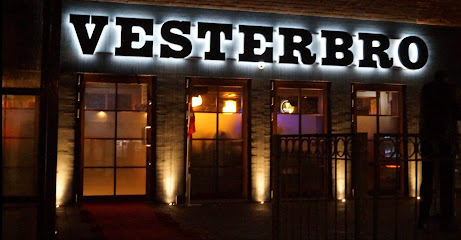
Mjølner
42.7 km
Small-town Nibe’s late-night heartbeat, where a compact dance floor, loud party tunes and local crowds turn a quiet fjord town into a lively night out.
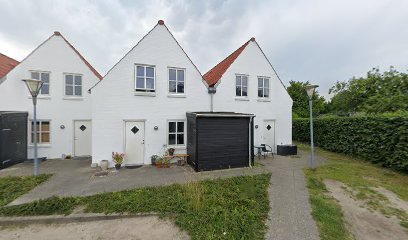
ANDERS LAUSTSEN A/S
43.4 km
Compact, casual late-night bar and dance spot in Viborg, offering simple drinks, music, and a local Danish nightlife vibe just beyond the historic center.
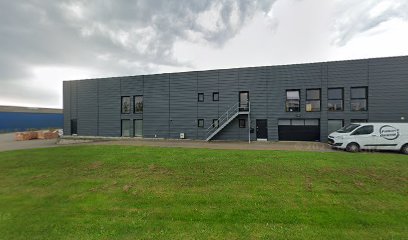
Night Cirque
44.5 km
Compact, high-energy nightclub in central Aalborg, where pulsing beats, bold lighting and a stylish crowd keep the dance floor alive late into the night.
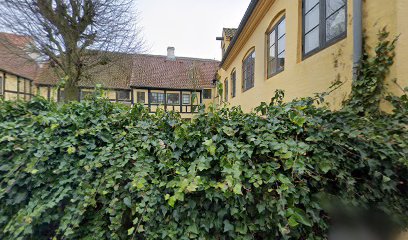
LouLou Aalborg
44.8 km
Polished cocktails and high-energy club vibes collide at this compact, late-night hotspot on Aalborg’s legendary Jomfru Ane Gade.
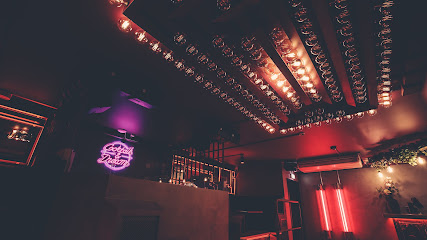
Under Buret
44.8 km
Aalborg's vibrant party hub with disco energy, DJ beats, and neon-lit celebration on every level.
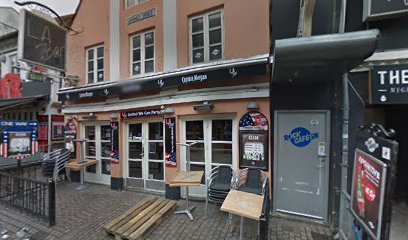
ESCAPE CLUB & Shisha Lounge
44.8 km
Intimate nightclub and shisha lounge in the heart of Aalborg’s Jomfru Ane Gade, mixing DJ-driven dancing, drinks and hookah corners late into the night.
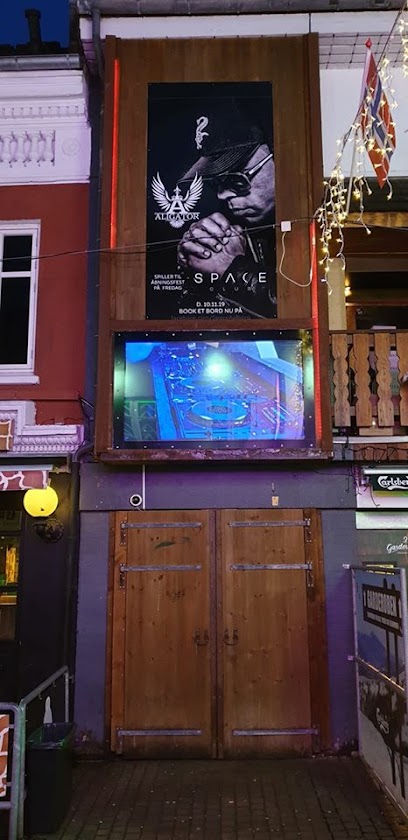
Club Stygge
44.8 km
Compact, late-night Aalborg nightclub with loud party hits, simple cocktails and a tightly packed dance floor on bustling Vesterå.
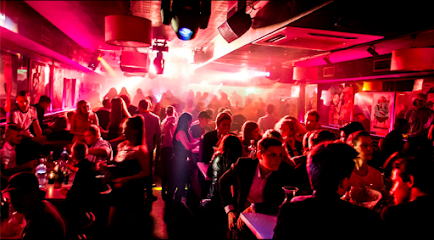
Club Wolf
44.9 km
Compact, late-night nightclub on Aalborg’s Jomfru Ane Gade, blending chart hits, strong weekend energy and a tightly packed dance floor in the city’s bar street hub.
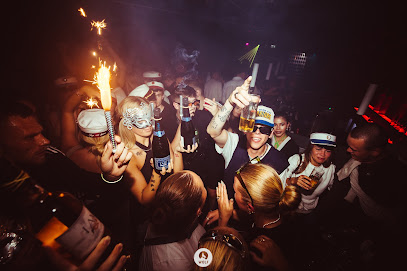
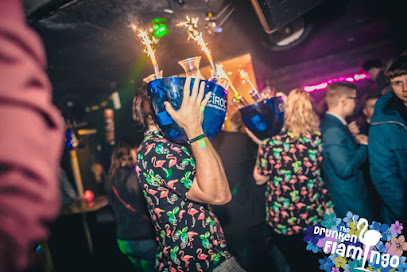
The Drunken Flamingo
44.9 km
Colorful cocktails, neon vibes, and electrifying nights—The Drunken Flamingo is Aalborg’s playful party hotspot in the heart of Denmark’s most famous bar street.
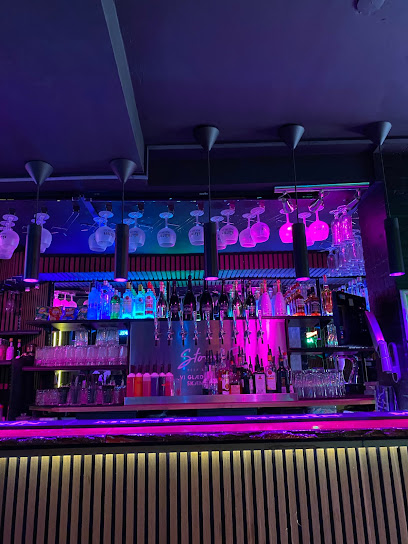
Storm P Beer & Cocktails
44.9 km
Experience Aalborg's legendary Jomfru Ane Gade at Storm P Beer & Cocktails—a vibrant night club, beer haven, and cocktail lounge with playful Danish flair.
For the vibe & atmosphere seeker
- Tranquil
- Zen
- Scenic
- Unique
- Casual
For the design and aesthetic lover
- Minimalist Designs
- Vintage Styles
For the architecture buff
- Historic
- Landmarks
- Sacred Sites
For the view chaser and sunset hunter
- Iconic Views
- Panoramas
For the social media creator & influencer
- Photo Spots
- Architectural Shots
- Instagrammable
For the eco-conscious traveler
- Low Impact
- Public-Transport Accessible
- Locally Managed
For the kind of experience you’re after
- Mindfulness
- Meditation Spot
- Spiritual / Energy Spot
- Cultural Heritage
- Photowalk
- Day Trip
- Roadtrip Stop
For how adventurous you want the journey to be
- Easy Access
Location Audience
- Family Friendly
- Senior Friendly
- Child Friendly
- Teen Friendly
- Solo Friendly
- Couple Friendly
- Solo Female Friendly
- Vegetarian Friendly
- Vegan Friendly


