
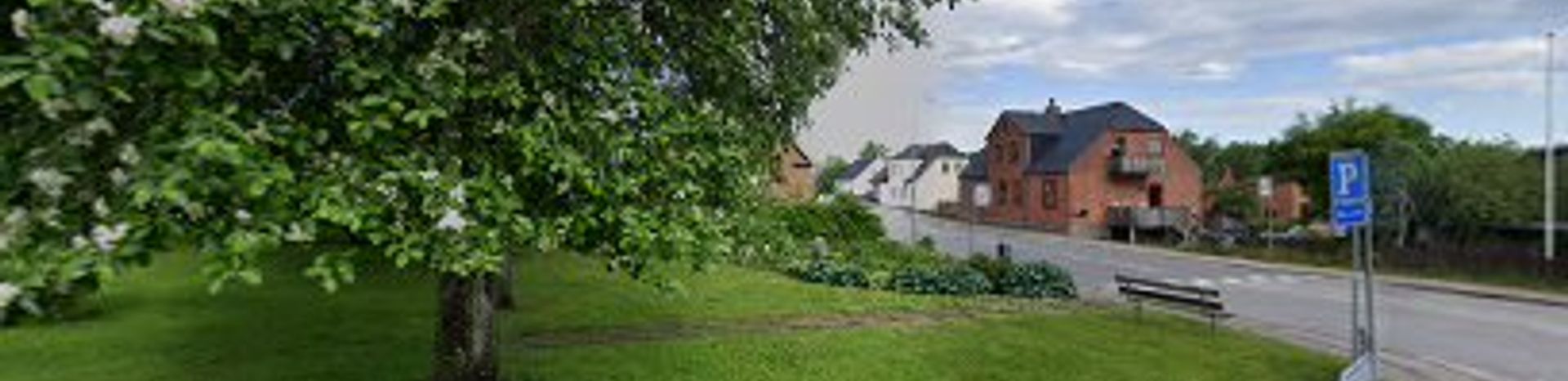
Befrielsesstenen i Assens, Mariager
A modest liberation stone in historic Mariager, offering a quiet green corner to reflect on Denmark’s World War II occupation and the joy of 1945.
Tucked beside Søndergade in the small market town of Mariager, the Befrielsessten i Assens is a modest liberation stone commemorating Denmark’s freedom at the end of World War II. This simple memorial in a small green setting offers a quiet pause amid historic streets, half-timbered houses and rose-clad facades. It is a brief but meaningful stop if you are exploring Mariager’s local history and wish to reflect on the occupation years and the liberation of 1945.
A brief summary to Befrielsessten i Assens
- Søndergade 1, Mariager, 9550, DK
- Duration: 0.25 to 0.5 hours
- Free
-
 Outdoor
- Mobile reception: 4 out of 5
Local tips
- Combine a short visit to the liberation stone with a stroll through Mariager’s cobblestone streets and rose-covered houses for wider historical context.
- Bring a short explanation or map for children; the stone is small, and a story about the 1945 liberation helps make the stop meaningful.
- Visit in daylight to easily read the inscription and appreciate the small memorial green and surrounding townscape.

For the on-the-go comforts that matter to you
- Restrooms
- Drink Options
- Food Options
- Seating Areas
- Trash Bins
- Information Boards
Getting There
-
Car from central Mariager
From central Mariager, reaching the liberation stone by Søndergade typically takes 5–10 minutes by car, depending on traffic within the small town. Street parking in the area is usually free but can be limited near the historic centre, so allow extra time to find a space and walk a short distance. There are no separate entrance or parking fees associated with visiting the memorial.
-
Regional bus from Hobro to Mariager
If you are coming from Hobro, regional buses connect Hobro and Mariager in about 30–45 minutes, with services running several times per day on most weekdays and reduced frequency on weekends. A one-way adult ticket usually falls in the range of 35–55 DKK, depending on the ticket type and any discounts. From the bus stop in Mariager, you can walk through the compact town centre to Søndergade and the liberation stone in roughly 10–20 minutes along mostly paved, gently sloping streets.
-
Cycling within Mariagerfjord area
The Mariagerfjord area is well suited to cycling, and reaching the liberation stone by bike from nearby villages or the fjord’s edge typically takes 15–40 minutes, depending on your starting point. Roads are generally paved and moderately hilly, though you may encounter narrow sections in the countryside. There is no charge to bring your bicycle to the memorial, but always check local rules if combining cycling with bus or train travel, as some services apply a small bicycle fee.
Befrielsessten i Assens location weather suitability
-
 Any Weather
-
 Mild Temperatures
-
 Cold Weather
-
 Hot Weather
Discover more about Befrielsessten i Assens
A small stone with a large story
The Befrielsessten i Assens in Mariager is a classic Danish liberation stone: a sizeable boulder set upright, inscribed in memory of Denmark’s liberation in May 1945. Erected in the years after the Second World War, stones like this became a way for towns and parishes to mark the end of occupation and honour those who contributed to resistance and rebuilding. While this particular stone is modest in scale, it stands as a tangible link between the quiet streets of today and a much more turbulent chapter of the 20th century. Placed in a small memorial green by Søndergade, it feels almost tucked into the everyday life of the town. People pass on their way to shops, homes or the nearby square, while the stone remains a steadfast reminder of how dramatic global events once touched even the smallest corners of Denmark.Mariager’s historic backdrop
The setting gives the stone much of its character. Mariager is one of Denmark’s smallest market towns, with roots back to a medieval fishing village that grew around a Bridgettine monastery in the 15th century. Cobblestone streets, half-timbered houses and climbing roses have earned it the nickname "the City of Roses", and the town centre has retained an intimate, small-scale feel. Within walking distance of the stone you encounter traces of many different eras: the monastery church, remnants of the old market town and later industrial buildings. The liberation stone fits into this layered townscape as a marker of the 1940s, adding a twentieth‑century voice to a story that otherwise often focuses on the Middle Ages and early modern period. It is a reminder that even storybook towns experienced occupation, rationing and anxiety during the war years.The memorial space and its details
The stone itself is typically unadorned apart from its inscription, which focuses on the date of liberation and a short dedication. Danish liberation stones were intentionally simple, usually using local fieldstone and plain lettering. This understatement was part of their message: commemoration rooted in everyday landscape, not in grand monuments. Around the stone, you can expect a small lawn or planted area, perhaps framed by low hedges, benches or a path that makes it easy to step close and read the text. The surrounding green functions almost like a pocket park. It softens the street, offers a spot to sit, and creates a buffer that visually separates the memorial from passing traffic. In spring and summer, flowers and leaves make the space feel gentle and contemplative; in autumn and winter the barer setting gives the inscription a starker presence.Moments of reflection on an ordinary day
For most visitors, time spent here is brief. It is a place to pause for a few minutes, read the inscription and perhaps talk about what the occupation and liberation meant for Danes in small communities like this. If you are exploring Mariager’s historic centre, the stone offers a natural stop between more prominent sights such as the monastery church and the main square. The atmosphere is usually quiet. You hear everyday sounds: distant conversation, the rumble of a car on cobblestones, the wind in nearby trees. That ordinariness is part of the experience. The stone does not demand attention; it invites a voluntary, personal moment of reflection. Children can learn that history is not only in museums but also in simple markers embedded in the places where people live their lives.Connecting to the wider Danish tradition
Liberation stones exist across Denmark, often in village greens, churchyards or small parks. Together they form a national landscape of memory, each one local but all pointing to the same turning point in 1945. The Befrielsessten i Assens is one such marker in the Mariagerfjord area, connecting this small town to a broader story of resistance, relief and rebuilding. Standing here, you might imagine the ceremonies held when the stone was unveiled, flags flying and speeches recalling both hardship and hope. Today the crowds are gone, but the stone remains a durable focal point for commemorations, school visits and individual remembrance, quietly keeping the memory of liberation alive in the heart of everyday Mariager.Iconic landmarks you can’t miss

Mariager Fjord
4.2 km
Denmark's longest fjord winds through pristine Jutland landscapes, offering unspoilt nature, charming villages, and exceptional outdoor adventures.
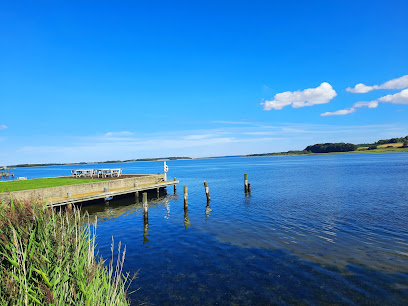
Mariager Lystbådehavn
5.4 km
Denmark's most beautiful fjord meets a thriving sailing community in this welcoming maritime harbor.
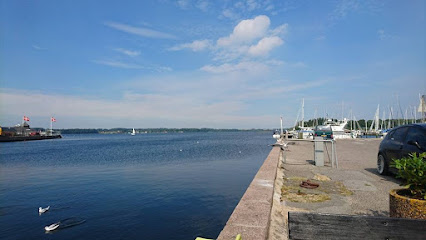
Hotel Postgaarden Mariager
5.7 km
Experience historic Danish charm and modern comfort at Hotel Postgaarden Mariager, nestled in the heart of the 'City of Roses' with easy access to Mariager Fjord's natural beauty.

Mariager Kirke
5.9 km
A lofty Bridgettine abbey church turned parish landmark, where Gothic stone, noble tombs and organ music tell Mariager’s story above the fjord.
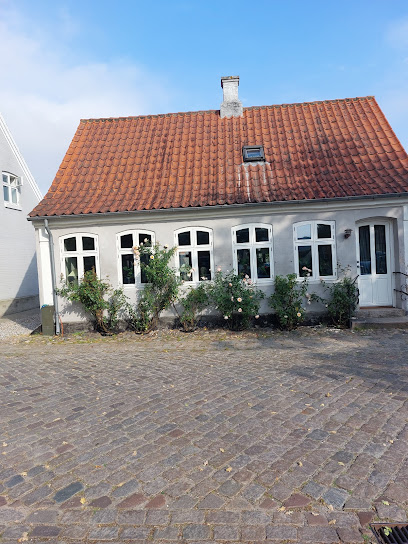
Mariager Church
6.0 km
A towering former abbey church above Mariager Fjord, where Gothic brickwork, noble tombs and a distinctive Aubertin organ keep centuries of faith and history alive.
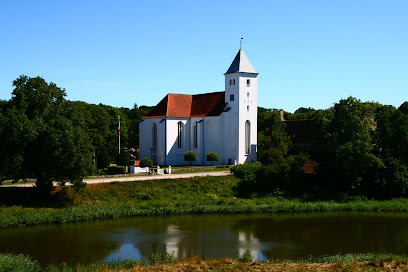
Restaurant BramslevGaard
12.4 km
Experience Danish history and gastronomy at BramslevGaard, a charming manor house nestled in the scenic Bramslev Bakker near Hobro, offering stunning views and French-inspired cuisine.
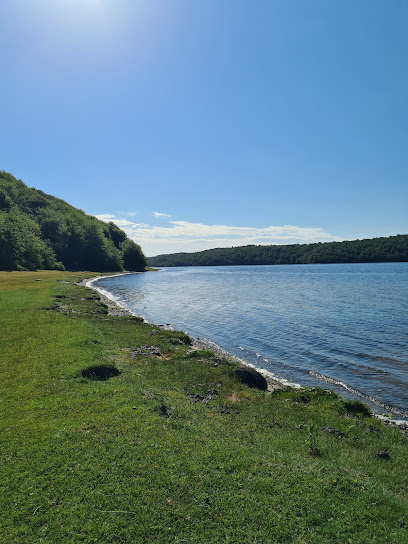
Hotel BramslevGaard
12.4 km
Experience tranquility and history at Hotel BramslevGaard, nestled in the scenic Bramslev Bakker by Mariager Fjord, offering gourmet dining, spa retreats, and easy access to Northern Jutland's natural wonders.
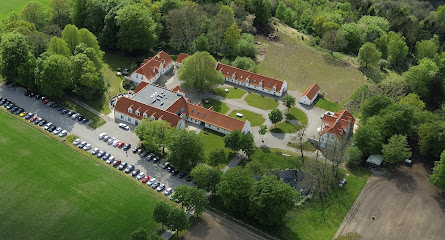
Hobro Lystbådehavn
15.7 km
Denmark's premier fjord marina with historic charm and modern comfort.
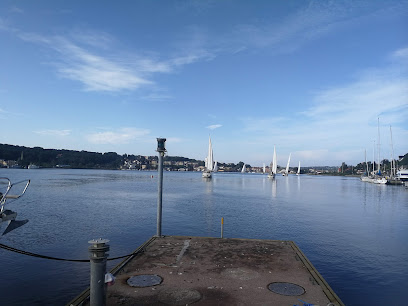
Koldkrigsmuseet REGAN Vest
22.8 km
Explore Denmark's best-preserved Cold War bunker at Koldkrigsmuseet REGAN Vest: an immersive journey into a secret world hidden beneath the forest, revealing a pivotal era in history.
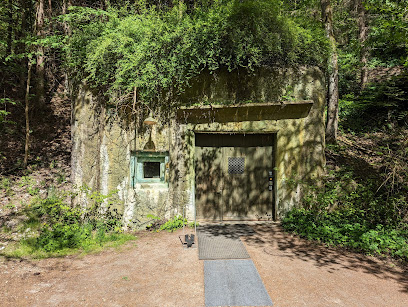
Ravnkilde
22.9 km
Discover the serene beauty of Ravnkilde, a hidden spring in Skørping's Rebild National Park, offering tranquil landscapes, diverse wildlife, and a peaceful escape into nature.
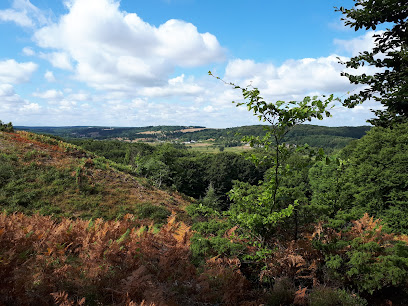
Thingbæk Chalk Mines / Rebild Center
23.0 km
Explore art within the depths of former limestone mines, discover natural springs, and delve into Cold War history at the Rebild Center, a unique cultural experience in Northern Jutland.
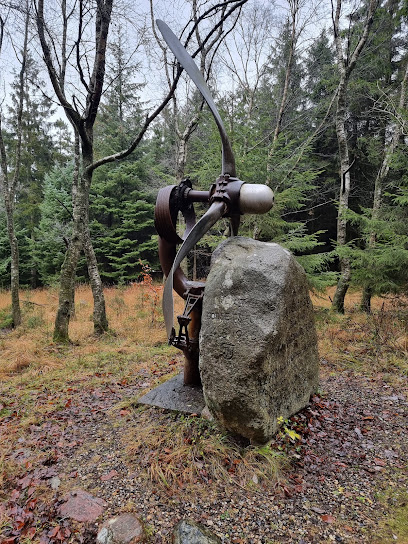
Flyverstenen i Torstedlund
23.1 km
A solemn forest memorial to eleven RAF airmen lost in 1945, carved by local hands.
Lille Blåkilde
23.3 km
Discover the serene beauty of Lille Blåkilde, a natural spring in Rold Forest, Denmark, offering hiking, history, and a unique ecosystem to explore.
Sven Dalsgaards Plads
23.7 km
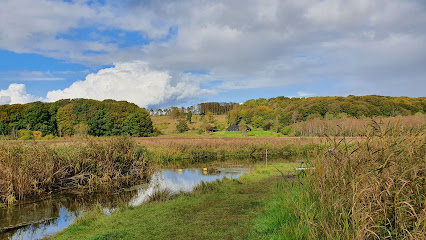
Randers' cultural epicentre honouring a Dadaist pioneer, where art, performance, and community converge.
Gravlev Kilde
24.0 km
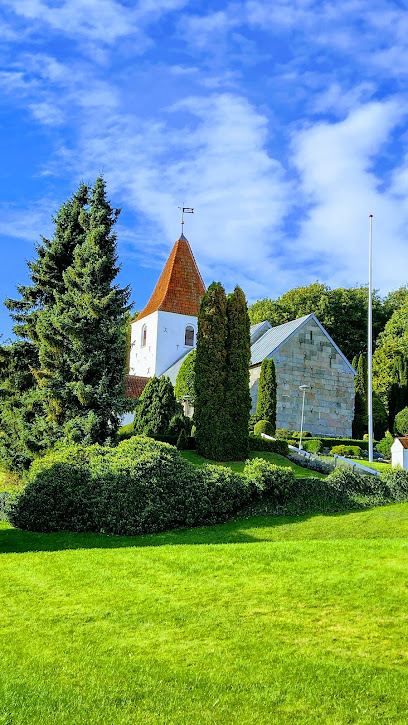
Discover the tranquility of Gravlev Kilde in Skørping, Denmark, a natural spring offering serene beauty, rich history, and diverse wildlife within Rold Skov and Rebild National Park.
Unmissable attractions to see

Dania Kridtgrav
0.9 km
Mariager Strandpark: Picturesque green haven along the fjord’s edge offering sandy swimming, scenic paths, and local charm in Denmark’s historic town of Mariager.
Kongsdal Havn
1.0 km
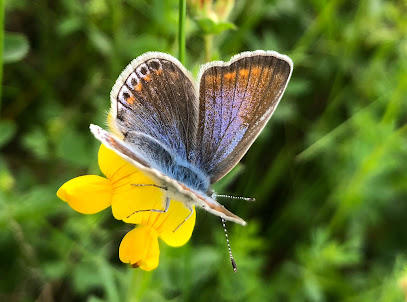
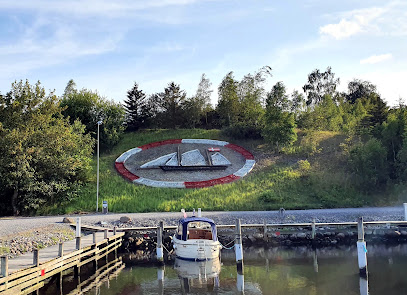
A picturesque waterfront park in Mariager, offering sweeping fjord views, open green spaces, and a tranquil atmosphere ideal for relaxation or gentle adventure.
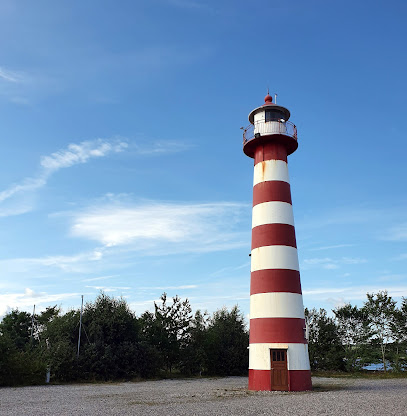
Kongsdal Fyrtårn
1.0 km
Discover Mariager Strandpark, where tranquil lawns, sandy beach, and sweeping fjord views offer a perfect blend of relaxation and natural beauty on Mariager Fjord.
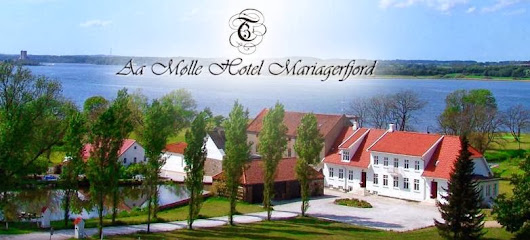
Aa Mølle
2.4 km
Historic fjordside guesthouse near Hadsund, where centuries-old buildings, leafy gardens and wide Mariager Fjord views create a tranquil North Jutland escape.
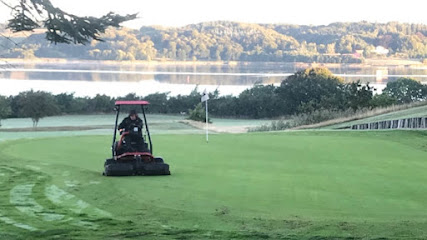
Mariager Fjord Golf
3.2 km
Challenging forest fairways and sweeping fjord views meet at this modern North Jutland golf course above Mariager Fjord, blending technical play with tranquil scenery.
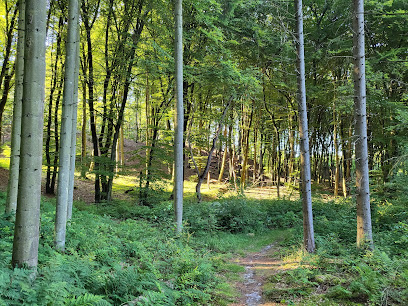
Alstrup krat
4.9 km
Ancient burial mounds, forest trails, and fjord panoramas in Denmark's timeless landscape.
Mariager Strandpark
5.2 km
Small, calm and right on Mariager Fjord, this modest strandpark blends a man-made beach with green lawns and fjord views for relaxed, low-key time by the water.
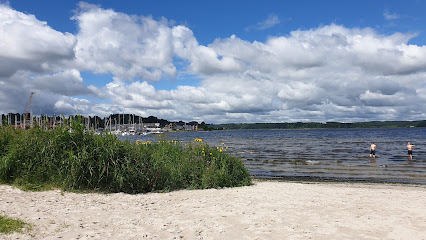
Sødisbakkes Museum
5.4 km
An intimate local history museum revealing the everyday lives, work and creativity of residents at Sødisbakke, a long‑standing care institution near Mariager.
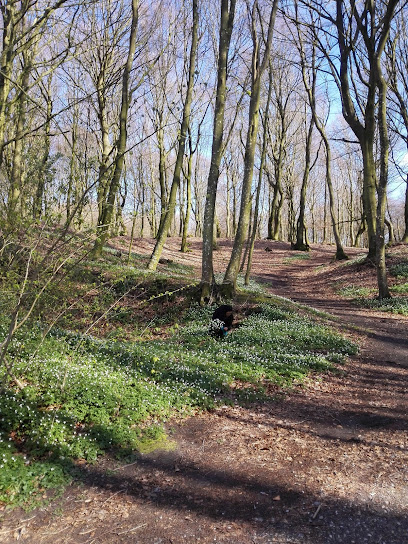
Mariager Sejlklub
5.4 km
Friendly marina and sailing club on the shores of Mariager Fjord, blending sheltered berths, local sailing culture and easy access to a charming historic town.
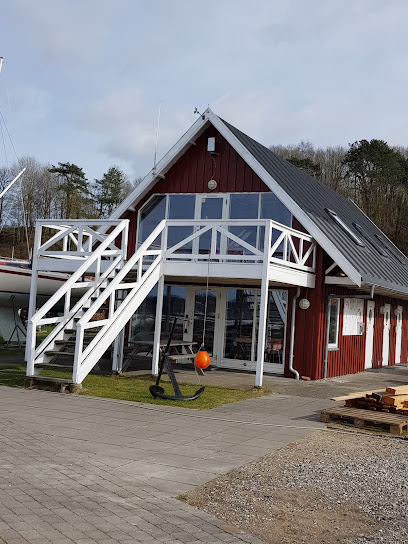
Saltcentret
5.6 km
Denmark's salt heritage comes alive through interactive exhibits, therapeutic pools, and family adventures on the Mariager Fjord.
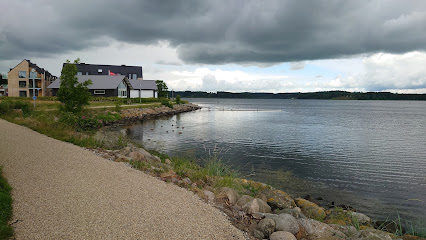
Veteranjernbanen Mariager-Handest
5.6 km
Denmark’s longest heritage railway, where vintage trains, fjordside scenery and a preserved rural station bring a century of Danish railway history to life.
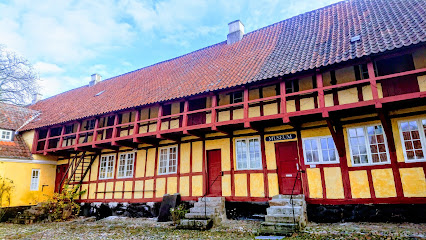
Mariager Museum
5.7 km
Centuries of regional heritage in a charming 17th-century merchant's house.
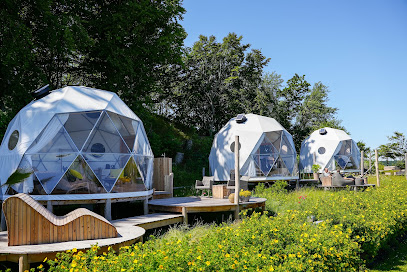
Mariager Camping
5.8 km
Award-winning fjord-side camping where Nordic nature meets charming heritage town life.
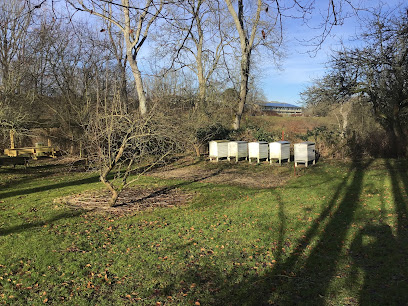
Mariager Klosterhave
6.0 km
A small, story-filled abbey garden beside Mariager’s church, where herbs, beehives and quiet corners keep the town’s monastic past gently alive.
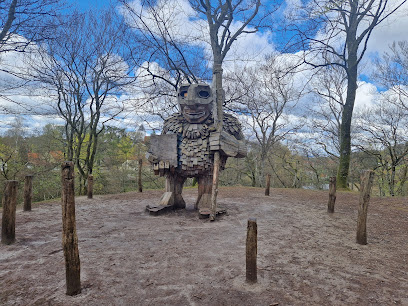
Ivan Evigvår trold
6.0 km
Hunt for a gentle giant hidden deep in Denmark's enchanted forest—a whimsical woodland sculpture born from community votes and recycled dreams.
Essential places to dine

Star Pizza & Grill
0.2 km
Straightforward pizzas and grill favorites in the heart of Mariager, offering easy takeaway and no-frills dining after a day by the Danish fjord.
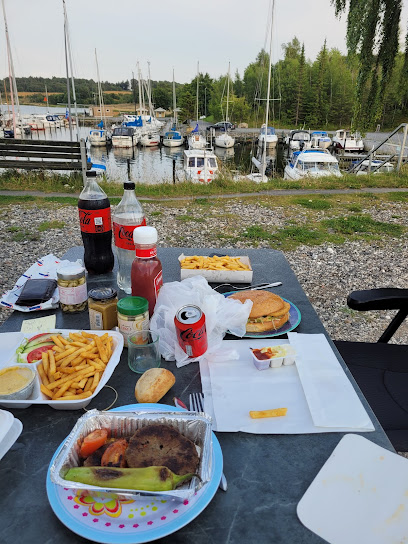
Cafe Fyret Kongsdal
0.9 km
Unpretentious harbour café on the quay at Kongsdal Havn, serving simple, good‑value meals and ice creams with wide‑open views over Mariager Fjord.
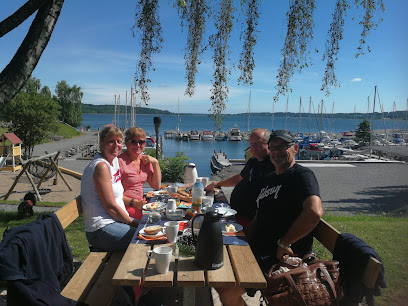
Restauration Orkidee Dania - Mad som man kender
1.5 km
Relaxed fjordside restaurant and event venue at Dania, serving classic Danish dishes, buffets and catering in cozy banquet rooms with wide views over Mariager Fjord.
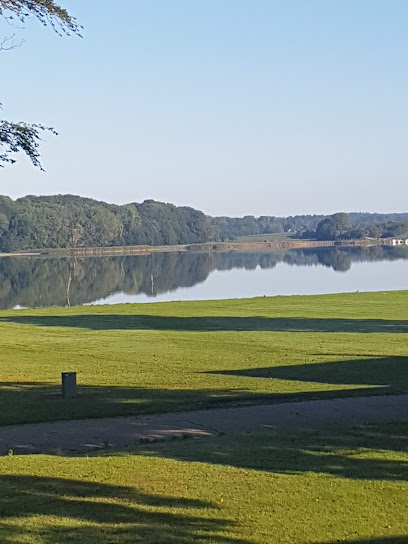
Landgangen
5.0 km
Homely Danish comfort food and generous plates served with wide-open views over Mariager Fjord on the quiet edge of this charming North Jutland town.
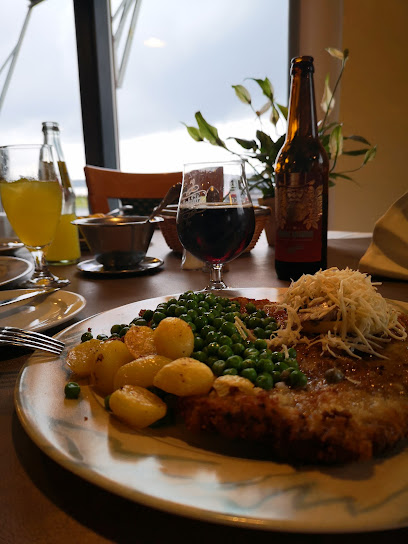
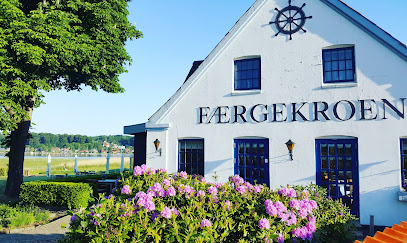
Færgekroen Hadsund
5.1 km
Classic Danish inn and restaurant by the Mariager Fjord, blending hearty kromad, Nordic flavors and simple rooms with wide-reaching views over the water.
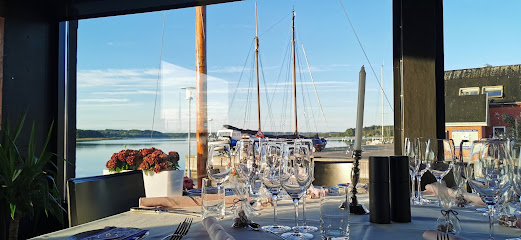
davinci RISTORANTE
5.3 km
Waterfront Italian dining on Mariager Fjord, blending classic pasta, pizza and seafood buffets with bright fjordview rooms and a lively, welcoming atmosphere.
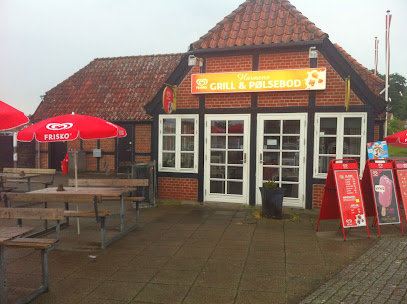
Havnens Grill & Pølsebod
5.5 km
Casual waterfront grill serving Danish classics with fjord views and motorcycle tradition.
Torve Pizza Mariager v/Kenan Atas
5.6 km
Casual, central pizzeria and grillhouse on Mariager’s main square, serving generous, affordable comfort food to locals and visitors from afternoon through evening.
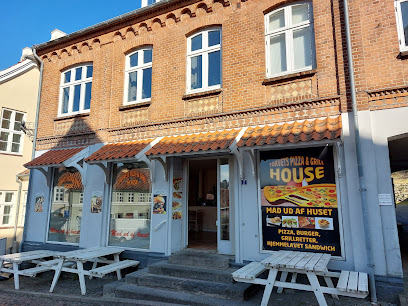
Mariager Bistro & Konditori
5.7 km
Casual harborfront bistro and konditori in Mariager, serving unfussy Danish café dishes and cakes just steps from the town’s quiet fjord marina.
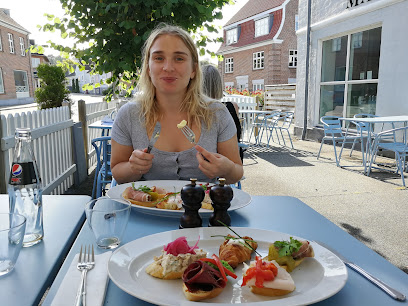
A'porta
5.7 km
Unpretentious Danish cooking, a lively bodega-style bar and simple rooms under one roof in the old fjord town of Mariager.
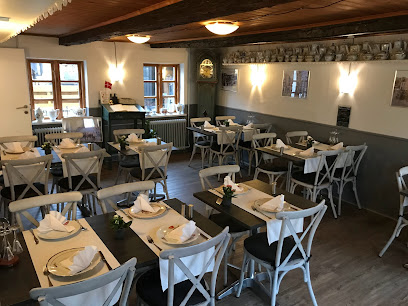
Restaurant Bramslev Bakker
12.1 km
Countryside Danish cooking with sweeping fjord views, where Bramslev Bakker’s rolling hills meet a relaxed, modern restaurant above Mariager Fjord.
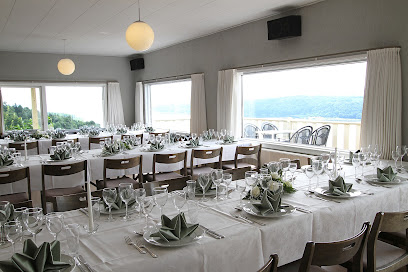
Restaurant Uafhængig
14.5 km
Ambitious Nordic cooking in a calm, forest‑edge dining room at Hotel Amerika, blending seasonal Danish flavors with a relaxed, modern atmosphere near Hobro.
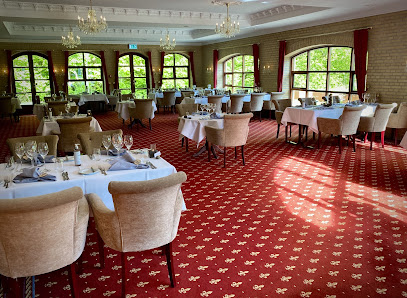
Terndrup Kro
15.4 km
Traditional Danish inn and restaurant in the heart of Terndrup, serving hearty local dishes with simple rooms and welcoming village atmosphere near Rold Skov.
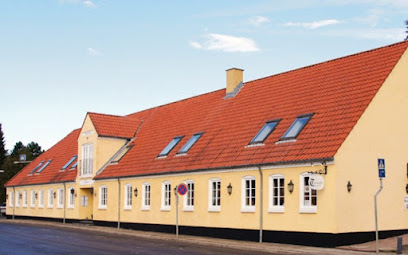
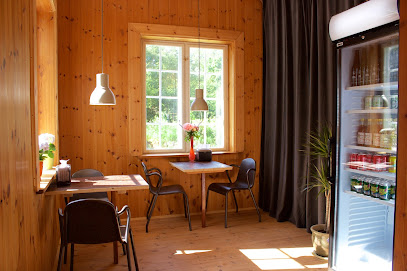
MADUMSØHUS ISBAR
15.5 km
Homely countryside ice cream stop by Madum Lake, where classic Danish soft ice meets quiet Jutland landscapes and relaxed summer-evening vibes.
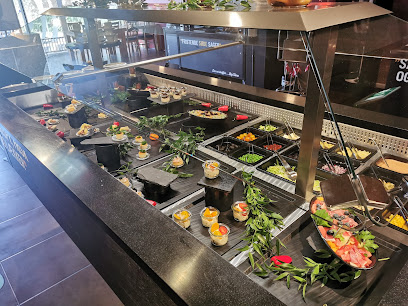
Restaurant The Grill Hobro
15.7 km
All-you-can-eat grill buffet and brunch inside Hobro’s Bowl’n’Fun, bringing hearty classics, soft-ice desserts and family-friendly dining under one lively roof.
Markets, malls and hidden boutiques

Din Lokale Outlet - Mariager
0.4 km
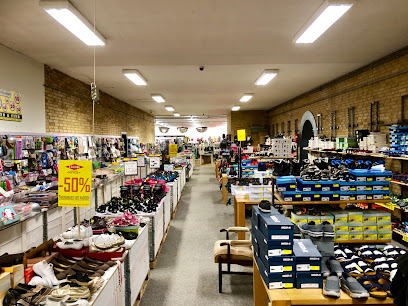
No-frills outlet on the edge of Mariager, gathering discounted fashion, basics and beauty for the whole family into a single, value-focused shopping stop.
SKAGEN MO
2.1 km
Contemporary fashion boutique in the heart of charming Mariager, East Jutland's cultural gem.
Original Nordmann
2.3 km
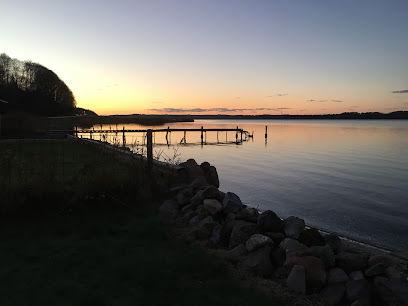
Rural Danish Christmas tree country, where certified Nordmann firs are grown, selected, and shipped from quiet fields outside Mariager.
Strikkehjørnet Mariager
5.5 km
A cosy yarn haven in Mariager’s old town, where shelves of colourful wool, friendly advice and Nordic knitting inspiration create a perfect hygge-filled pause.
Jørgensen Sko
5.5 km
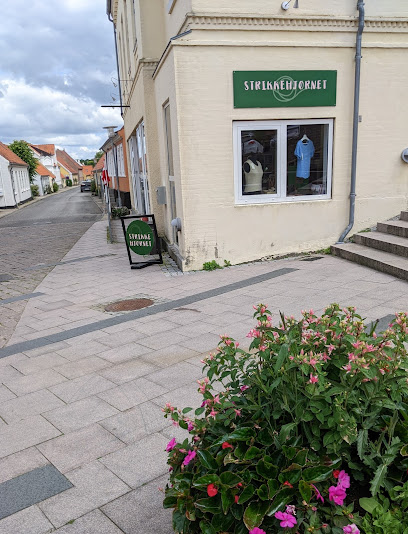
A long-standing local shoe shop and cobbler in Mariager, offering practical footwear, repairs and traditional service on cosy Østergade near the historic town centre.
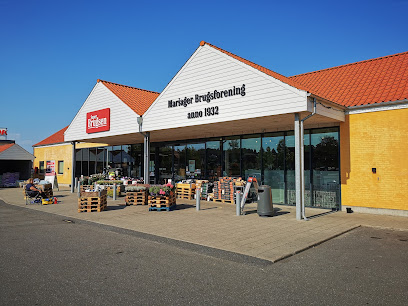
SuperBrugsen
5.5 km
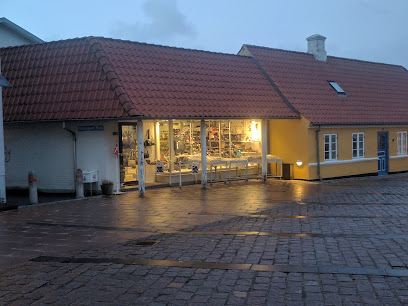
Modern cooperative supermarket and deli hub in small‑town Mariager, ideal for stocking up on Danish groceries, picnic supplies and prepared local dishes every day.
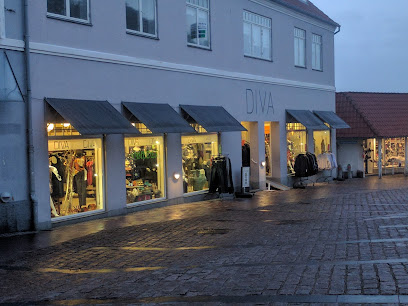
Diva
5.5 km
Curated women's fashion in the heart of historic Mariager's charming town center.
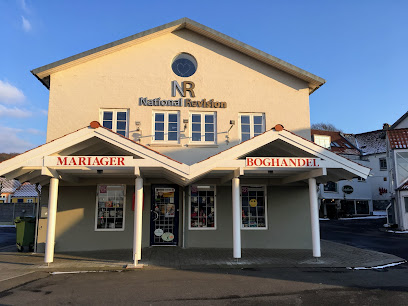
Mariager Boghandel
5.5 km
Cosy village bookshop and service hub in the heart of Mariager, combining books, gifts, toys and practical everyday services in one welcoming stop.
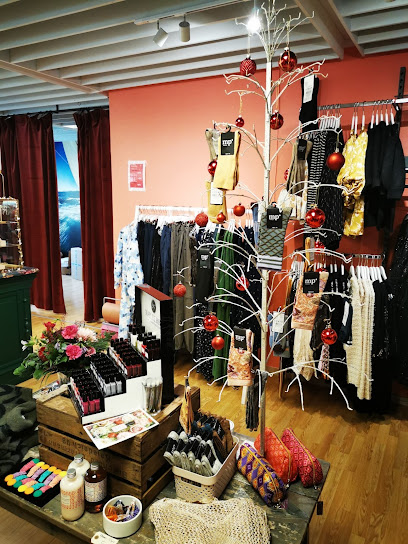
Klæd Dig - Mariager
5.5 km
Cosy, owner-run fashion boutique on Østergade in Mariager, offering curated Scandinavian-style womenswear in a relaxed, personal and distinctly local setting.
Klosterkaelderen.dk Antiques & Porcelain
5.6 km
Denmark's premier destination for authentic Danish and European antique ceramics and porcelain.
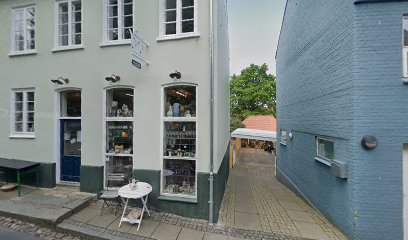
JamerAntik.dk
5.6 km
Intimate Mariager antiques shop specializing in Danish porcelain, ceramics and decorative treasures, where each shelf reveals another chapter of Scandinavian design history.
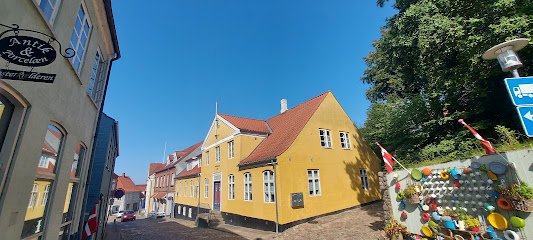
Vaffelbageren i Mariager
5.6 km
Experience handmade Danish ice cream and fresh-baked waffles on Mariager’s historic square—Vaffelbageren captures the taste and spirit of hygge along the fjord.
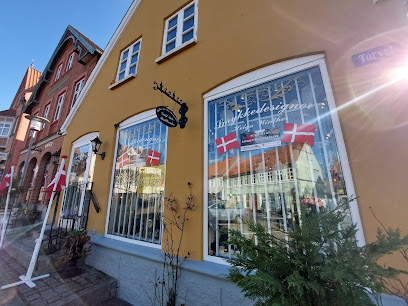
Helga Winther Smykkedesigner
5.6 km
Handcrafted jewelry artistry in the heart of Mariager, where bespoke designs meet timeless elegance.
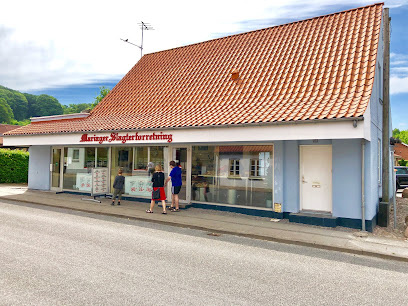
Mariager Slagterforretning
5.6 km
Classic Danish butcher shop by Mariager’s harbour, offering house-made specialties, fresh cuts and deli favourites ideal for picnics, grilling and cosy self-catered meals.
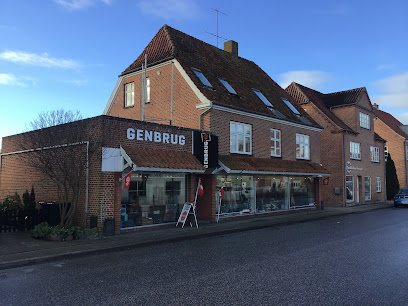
Folkekirkens Nødhjælp Genbrug
5.7 km
Cosy waterfront charity shop in Mariager, where curated second-hand finds, local community and global relief work meet under ét genbrugstag.
Essential bars & hidden hideouts

Olivia
0.2 km
Casual Danish beer hall where locals gather for drinks, conversation, and authentic small-town hospitality.
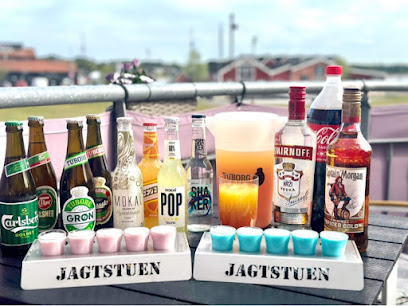
Jagtstuen
5.3 km
Traditional Danish bodega-style bar in central Hadsund, known for its cozy atmosphere and pioneering dementia-friendly approach to everyday social life.
Kælderen
5.5 km
Intimate basement bar at the heart of Hadsund's town square, open for evening gatherings Thursday through Sunday.
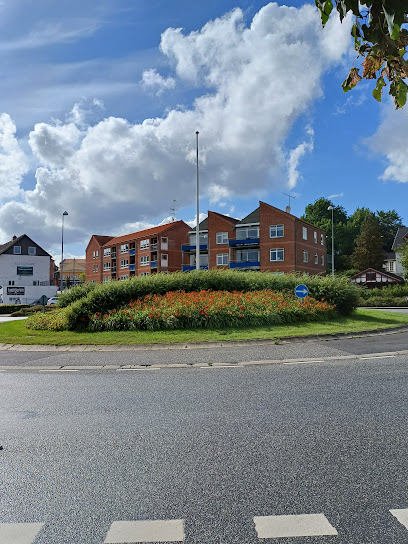
Den Graa Kok Vinkælderen
5.7 km
Refined wine bar and cellar in North Jutland offering curated selections and elegant dining.
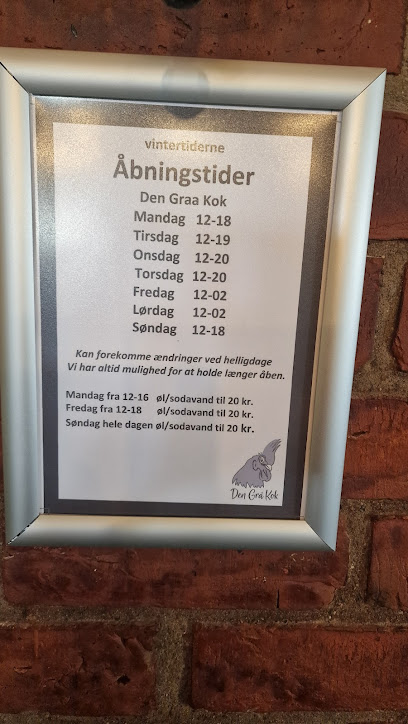
ar
6.2 km
Unpretentious waterfront bar on Ved Stranden in Hadsund, where simple drinks, fjord views and small-town atmosphere create an easygoing evening stop.
Rottehullet / Bodega
11.2 km
Laid‑back Danish bodega in quiet Arden, where cold beer, worn wood and easy conversation create a timeless neighborhood hangout.
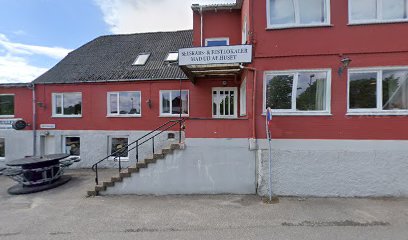
Center Pubben ApS
15.1 km
Cozy neighborhood pub in Terndrup Center, pouring cold beer, simple drinks and warm small-town atmosphere in a no-nonsense Danish bar setting.
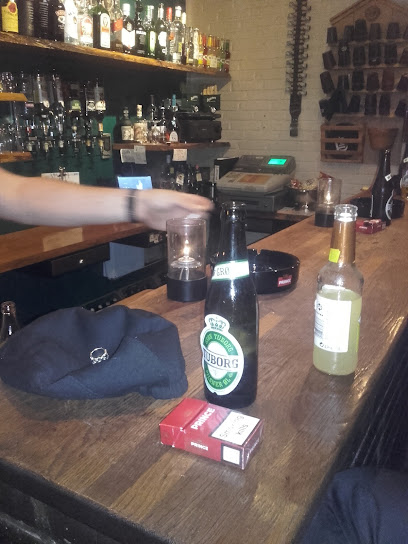
Jazz Hobro
16.5 km
Northern Denmark's premier jazz venue, celebrating tradition and innovation through live performances.
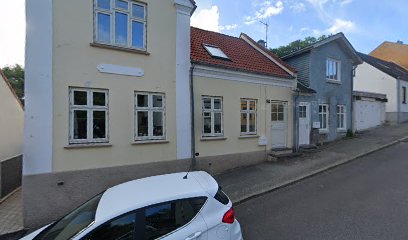
Bræddehytten Bar & Pub
16.8 km
Unpretentious local bar on Hobro’s main street, pouring cold beer and warm hygge in a classic Danish pub setting with friendly, small-town atmosphere.
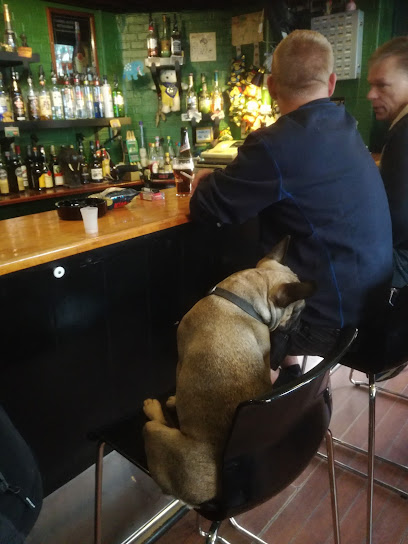
Vognhjulet Pub
16.8 km
Hobro's legendary rock pub where authentic Danish hospitality meets decades of local tradition.
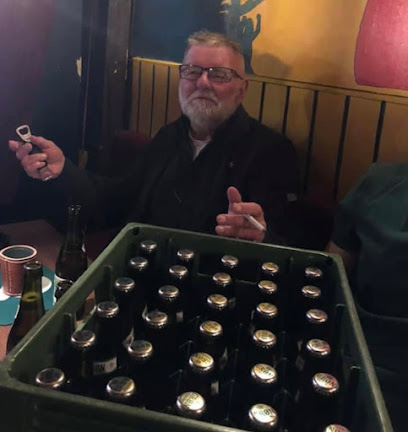
Torvebaren
16.8 km
Classic Danish bodega in central Hobro, serving traditional beers, darts and down‑to‑earth local atmosphere from morning coffee to late‑night rounds.
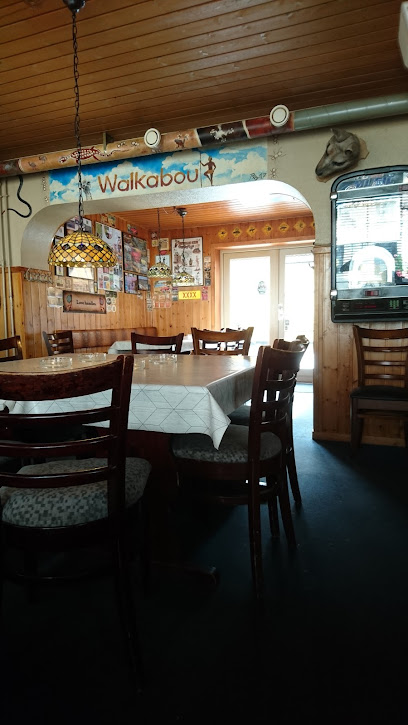
Madam Blå's Vandhul
17.0 km
A cozy, day‑time neighborhood bar-café in Hobro where locals linger over coffee, beer and small talk in an easygoing, homely atmosphere.
Carsten fenger
19.2 km
A low-key rural bar near Skørping where locals gather, travelers are welcomed, and simple drinks fuel long conversations in a relaxed countryside setting.
Skørping Bodega
20.5 km
Down-to-earth local bodega in central Skørping, serving cold beers, simple drinks and small-town atmosphere from midday until late on weekends.
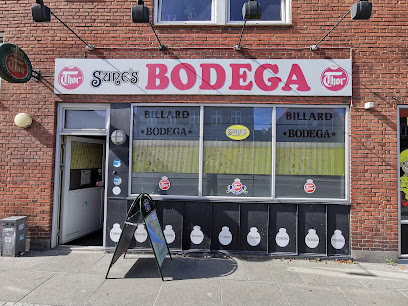
Sunes Bodega
23.2 km
A classic Randers neighbourhood bodega serving cold beers, local stories and uncomplicated hygge from morning until late evening.
Nightclubs & after hour spots

Buddy Holly
16.9 km
Late-night disco hub in central Hobro, where locals and visitors pack the dance floor to chart hits, lights and drinks until the early hours.

Randers Rave
21.3 km
Compact, bass-heavy nightclub in Randers NØ, where an unassuming façade hides a late-night dance floor fueled by rave-inspired lights, DJs and high energy.
Night Cirque
42.0 km
Compact, high-energy nightclub in central Aalborg, where pulsing beats, bold lighting and a stylish crowd keep the dance floor alive late into the night.
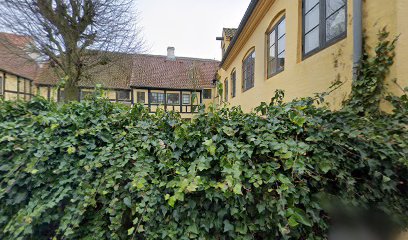
LouLou Aalborg
42.4 km
Polished cocktails and high-energy club vibes collide at this compact, late-night hotspot on Aalborg’s legendary Jomfru Ane Gade.
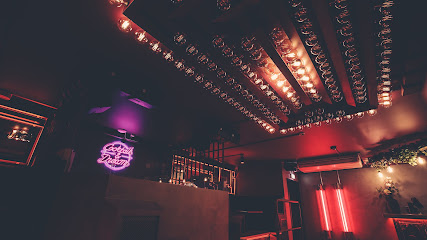
Under Buret
42.4 km
Aalborg's vibrant party hub with disco energy, DJ beats, and neon-lit celebration on every level.
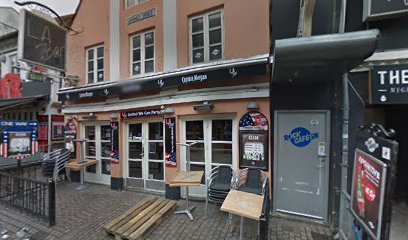
ESCAPE CLUB & Shisha Lounge
42.4 km
Intimate nightclub and shisha lounge in the heart of Aalborg’s Jomfru Ane Gade, mixing DJ-driven dancing, drinks and hookah corners late into the night.
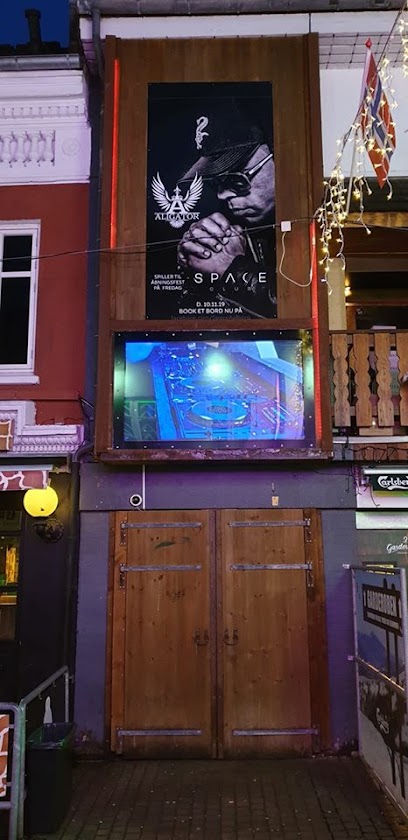
Club Stygge
42.4 km
Compact, late-night Aalborg nightclub with loud party hits, simple cocktails and a tightly packed dance floor on bustling Vesterå.
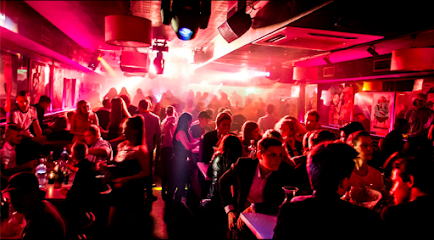
Club Wolf
42.4 km
Compact, late-night nightclub on Aalborg’s Jomfru Ane Gade, blending chart hits, strong weekend energy and a tightly packed dance floor in the city’s bar street hub.
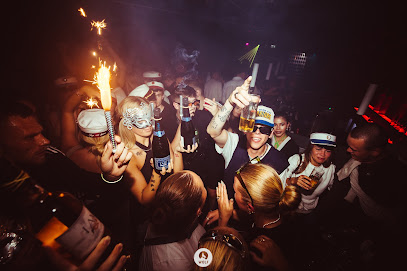
The Drunken Flamingo
42.4 km
Colorful cocktails, neon vibes, and electrifying nights—The Drunken Flamingo is Aalborg’s playful party hotspot in the heart of Denmark’s most famous bar street.
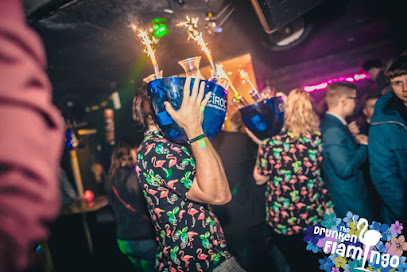
CLUB MOONLIGHT Aalborgs dansested for voksne
42.4 km
Adult‑only dance bar in central Aalborg, mixing 80s, 90s, 00s and current hits with cocktails and late‑night energy in an intimate courtyard setting.
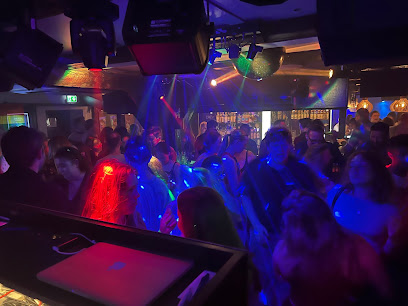
Storm P Beer & Cocktails
42.4 km
Experience Aalborg's legendary Jomfru Ane Gade at Storm P Beer & Cocktails—a vibrant night club, beer haven, and cocktail lounge with playful Danish flair.
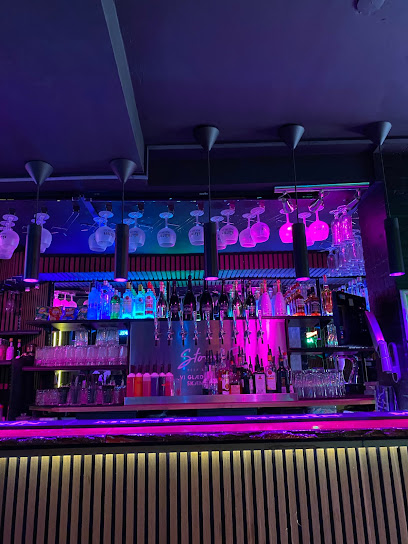
Rocken
42.4 km
Aalborg's premier basement rock and metal nightclub, hosting live bands and DJ sets Friday through Sunday.
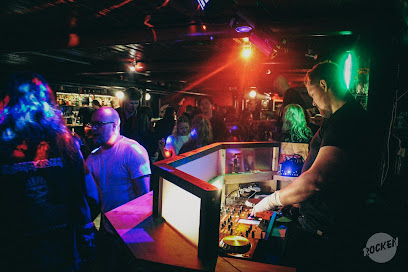
C Night Club
42.4 km
Craft cocktails meet dance floor energy on Aalborg's premier nightlife street.
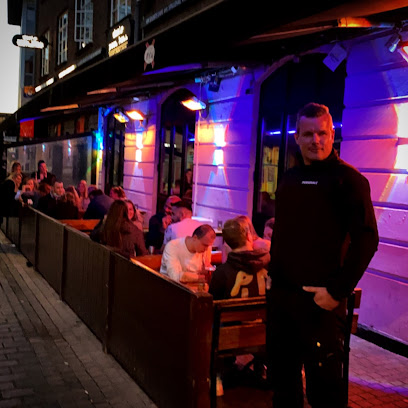
Hugos Garage
42.4 km
Experience Aalborg's iconic party vibe at Hugos Garage, a lively bodega-style bar and dance club on Jomfru Ane Gade featuring live music and classic Danish hospitality.
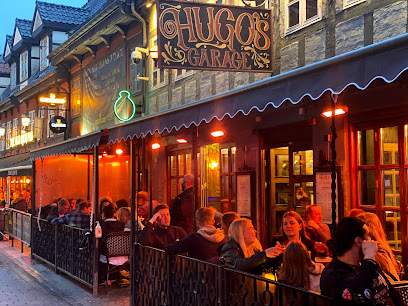
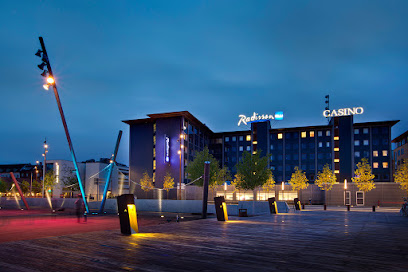
Casino Aalborg
42.5 km
Compact, adult-only casino in the heart of Aalborg, pairing classic table games and slots with a relaxed Nordic nightlife atmosphere inside a city-center hotel.
For the vibe & atmosphere seeker
- Tranquil
- Scenic
- Unique
- Casual
For the architecture buff
- Landmarks
- Sacred Sites
For the social media creator & influencer
- Photo Spots
- Selfie Spots
- Architectural Shots
For the eco-conscious traveler
- Low Impact
- Public-Transport Accessible
For the kind of experience you’re after
- Cultural Heritage
- Photowalk
- Day Trip
- Roadtrip Stop
- Mindfulness
For how adventurous you want the journey to be
- Easy Access
Location Audience
- Family Friendly
- Senior Friendly
- Child Friendly
- Teen Friendly
- Solo Friendly
- Couple Friendly
- Solo Female Friendly


