Background

Møllehøj: Reaching for the Sky in Denmark

Discover Denmark's highest natural point: Møllehøj, a serene landscape offering gentle walks, historical insights, and panoramic views of the rolling Jutland countryside.

4.2

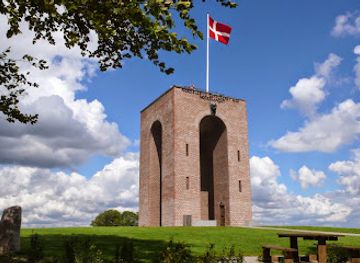
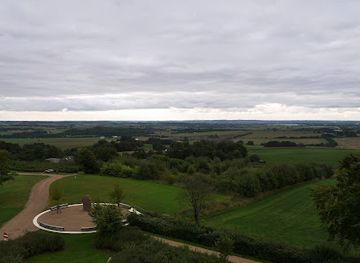
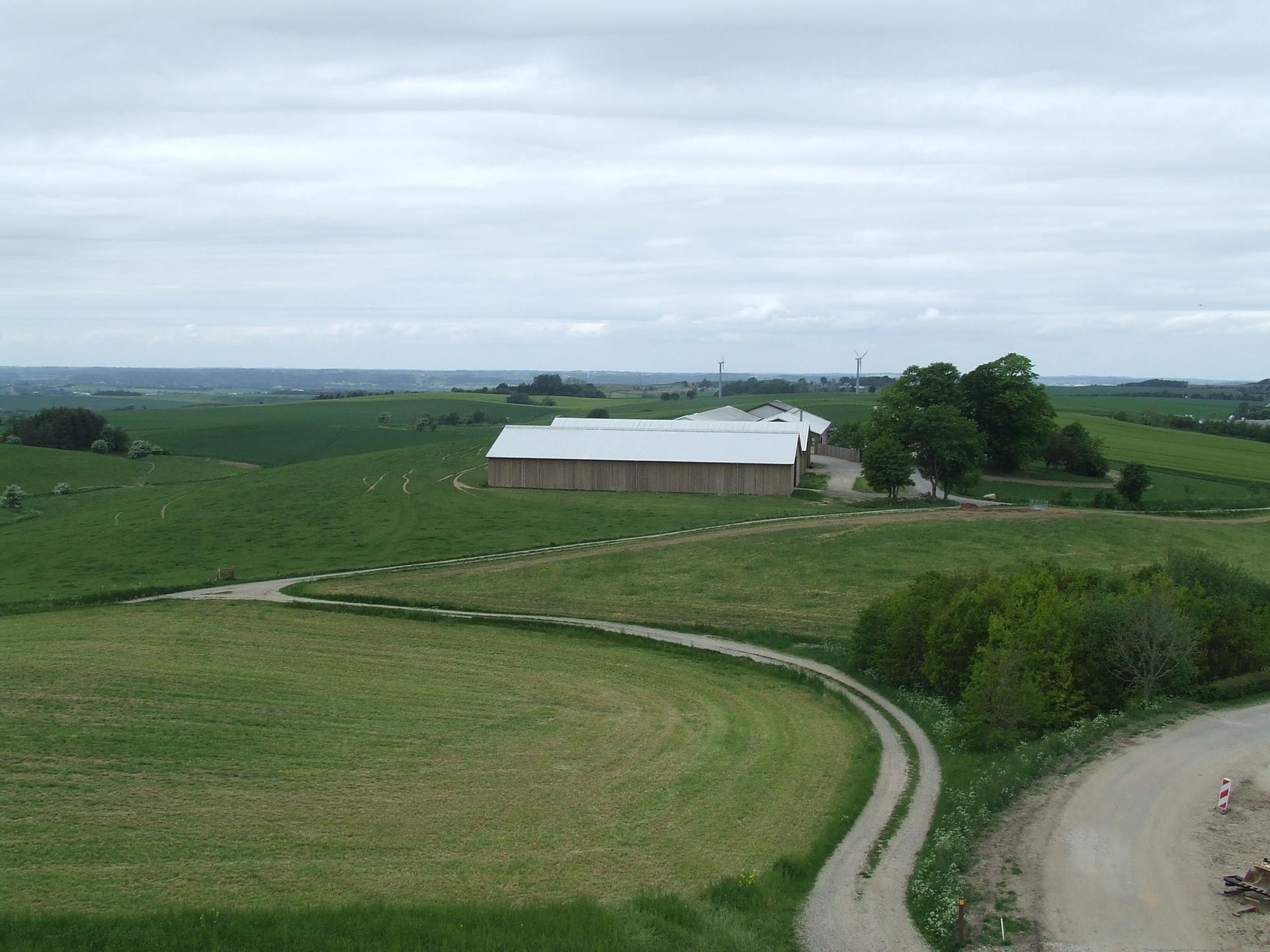
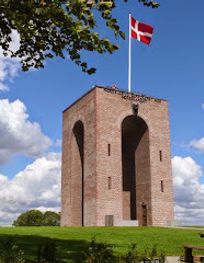
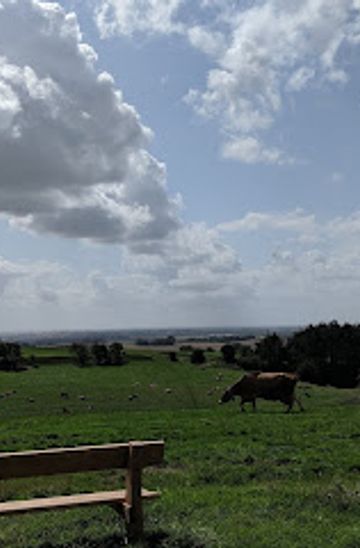
Møllehøj, Denmark's highest natural point at 170.86 meters, offers a unique and understated experience. Located in the rolling Ejerbjerge hills of Skanderborg, it's a place of quiet reflection rather than dramatic vistas. The summit, marked by a millstone from a bygone era, provides a connection to the area's agricultural past. While not a challenging climb, the gentle walk to the top offers panoramic views of the surrounding countryside. Combine your visit with a trip to nearby Ejer Bavnehøj, home to a historic reunification tower, or explore the charming villages dotting the landscape. Møllehøj is a testament to Denmark's subtle beauty and a reminder that even the highest point can be found in the most unassuming of places. It's a perfect spot for a peaceful escape and a chance to appreciate the serene Danish countryside. The surrounding area offers hiking trails and historical landmarks, making it a worthwhile destination for those seeking a blend of nature and culture.

A brief summary to Møllehøj, DK's highest hill

Local tips

  • Wear comfortable shoes, as the path to the summit can be uneven in places.
  • Bring a picnic to enjoy at the top while taking in the views.
  • Combine your visit with a trip to nearby Ejer Bavnehøj and its reunification tower.
  • Check the weather forecast before you go, as the views are best on a clear day.
  • Be aware that dogs and prams are not allowed on the path due to the presence of farm animals.
widget icon

Getting There

  • Driving

    The most straightforward way to reach Møllehøj is by car. Navigate to Bjødstrupvej 16, 8660 Skanderborg. From Skanderborg, follow signs towards Ejer Bavnehøj. Parking is available at Ejer Bavnehøj, approximately 350 meters from Møllehøj. From the parking area, walk along the dirt road to the right of the kiosk (open May-September weekends). After crossing a gravel road, continue on the path next to the farmhouse. The path is open to the public. Parking at Ejer Bavnehøj is free.

  • Public Transport

    If using public transport from Skanderborg, take bus line 413 towards Ejer. Get off at the 'Ejer, Risvej/Lille Tåningvej' bus stop. From there, it's approximately a 25-minute walk (2 km) to Møllehøj. Follow Risvej, then turn onto Bjødstrupvej. Continue until you reach Ejer Bavnehøj, where you can park and walk the remaining distance to Møllehøj as described in the 'Driving' directions. A single bus fare within Skanderborg municipality costs approximately 24 DKK.

  • Walking

    If you are already at Ejer Bavnehøj, reaching Møllehøj involves a short, easy walk. From the Ejer Bavnehøj parking area, walk down the dirt track to the right of the kiosk. Pass through the gate (remember to close it behind you). Follow the grassy path for about 200 meters until you reach the millstone marking the top of Møllehøj. The path runs on the farm's private land but is open to the public.

Unlock the Best of Møllehøj, DK's highest hill

Buy tickets

    No tickets available

Book tours with entry

    No tours available

Book tours without entry

    No tours available

Discover more about Møllehøj, DK's highest hill

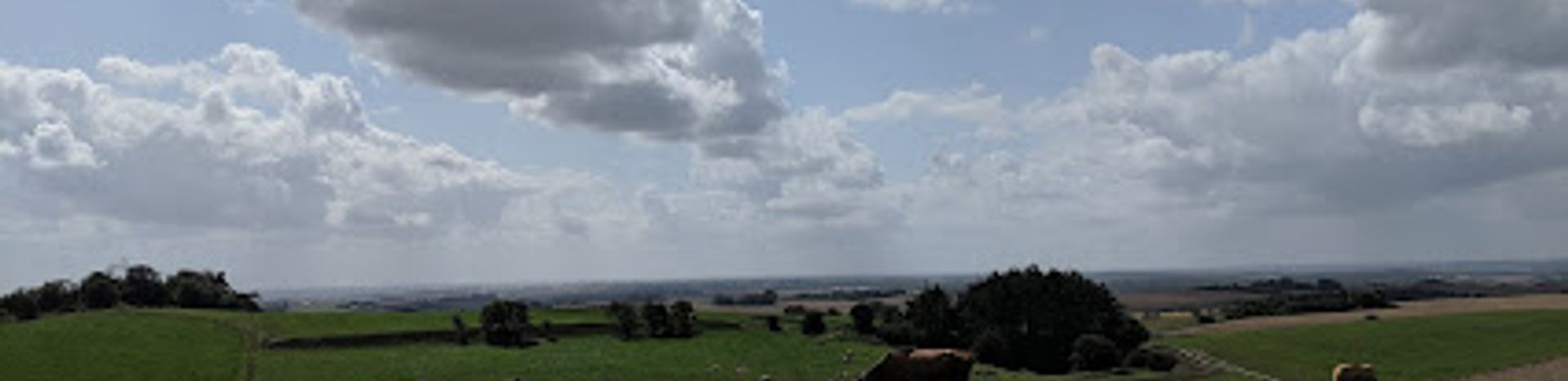
Møllehøj, officially recognized as Denmark's highest natural point in 2005, stands at a modest 170.86 meters (560.6 feet) above sea level. Situated in the undulating Ejerbjerge hills within the Skanderborg municipality, in the Central Jutland region, Møllehøj presents a unique, if somewhat understated, attraction. Unlike soaring mountain peaks, Møllehøj offers a gentle, contemplative experience, inviting visitors to appreciate the subtle beauty of the Danish landscape. For many years, the nearby Ejer Bavnehøj was believed to be the highest point in Denmark. However, precise measurements revealed that Møllehøj surpassed it by a mere 51 centimeters. This discovery sparked a renewed interest in the area, drawing both locals and tourists to experience the highest natural point in the country. The summit of Møllehøj is marked by a millstone, a remnant of the Ejer Mill that once stood on the hill from 1838 to 1917. This mill, a Dutch windmill characterized by its eight sides and onion-shaped roof, was a prominent feature of the landscape until it was destroyed by fire. The millstone serves as a tangible link to the area's agricultural heritage, reminding visitors of the generations who worked the land. The journey to the top of Møllehøj is a leisurely walk rather than a strenuous hike. The path meanders through farmland, offering panoramic views of the surrounding countryside. From the summit, one can observe the gently rolling hills, patchwork fields, and quaint villages that characterize the East Jutland landscape. While the views may not be as dramatic as those from higher peaks, they possess a serene charm that is uniquely Danish. Despite its relatively low elevation, Møllehøj holds a significant place in the hearts of the Danish people. It symbolizes the country's connection to nature and its appreciation for the simple things in life. The site is well-maintained and easily accessible, making it a popular destination for families, hikers, and those seeking a peaceful escape from the hustle and bustle of city life. In addition to its natural beauty, the area surrounding Møllehøj is rich in history and culture. Nearby Ejer Bavnehøj features a 13-meter-high reunification tower, built in 1924 to commemorate the reunification of Southern Jutland with Denmark after World War I. Visitors can climb the tower for panoramic views of the surrounding landscape. The Ejerbjerge hills are also home to several charming villages, each with its own unique character and history. These villages offer a glimpse into traditional Danish life, with their half-timbered houses, cobblestone streets, and friendly locals. For those interested in hiking, the area offers a variety of well-marked trails that wind through forests, fields, and along the shores of lakes. These trails provide opportunities to explore the natural beauty of the region and discover hidden gems along the way. Møllehøj's significance extends beyond its geographical status. It represents a cultural touchstone, a place where Danes connect with their history and landscape. The understated nature of the site encourages reflection and appreciation for the subtle beauty of the Danish countryside. The story of Møllehøj is also intertwined with the stories of other high points in Denmark, particularly Yding Skovhøj. Yding Skovhøj is technically higher than Møllehøj, reaching 172.66 meters, but this includes a Bronze Age burial mound on its summit. Since man-made structures are not considered in determining the highest natural point, Møllehøj retains its title. The debate over Denmark's highest point reflects the country's deep connection to its history and landscape. It highlights the importance of preserving natural and cultural heritage for future generations. Visiting Møllehøj is an opportunity to experience the essence of Denmark. It's a chance to slow down, breathe in the fresh air, and appreciate the simple beauty of the natural world. Whether you're a seasoned hiker or simply seeking a peaceful escape, Møllehøj offers a unique and rewarding experience. The area around Møllehøj also boasts a rich agricultural landscape. The fields surrounding the hill are actively farmed, providing a glimpse into the region's agricultural traditions. Depending on the time of year, visitors may see farmers tending to their crops or livestock grazing in the pastures. The changing seasons bring different perspectives to Møllehøj. In the spring, the landscape bursts into life with vibrant wildflowers and budding trees. Summer brings warm sunshine and long days, perfect for hiking and exploring the countryside. Autumn transforms the landscape into a tapestry of colors, with golden fields and fiery foliage. Winter blankets the hills in snow, creating a serene and magical atmosphere. Møllehøj is more than just a geographical landmark; it's a place where history, culture, and nature converge. It's a destination that invites visitors to connect with the Danish landscape and appreciate the subtle beauty of the natural world. A visit to Møllehøj is a reminder that even in the flattest of countries, there are still peaks to be reached and views to be savored. While in the area, consider exploring other nearby attractions, such as the Skanderborg Lake, one of Denmark's largest lakes, offering opportunities for boating, fishing, and swimming. The lake is surrounded by forests and hills, providing a scenic backdrop for outdoor activities. Another notable attraction is the Skanderborg Castle Park, a historic park featuring the ruins of a medieval castle. The park offers walking paths, gardens, and scenic views of the lake. Møllehøj is a destination that appeals to a wide range of interests. Whether you're a nature lover, history buff, or simply seeking a peaceful escape, you'll find something to appreciate in this charming corner of Denmark. It's a place where you can connect with the landscape, learn about the local culture, and create lasting memories. So, pack your bags, lace up your hiking boots, and embark on a journey to Møllehøj, Denmark's highest natural point. Discover the subtle beauty of the Danish countryside and experience the unique charm of this unassuming yet significant landmark.

Popular Experiences near Møllehøj, DK's highest hill

Popular Hotels near Møllehøj, DK's highest hill

Select Currency