

Dodekalitten Travel Guide
Free Guide: A hilltop circle of towering granite figures, shifting electroacoustic music and far‑reaching sea views, where contemporary art meets Lolland’s ancient landscape.


A brief summary of Dodekalitten
A hilltop circle of towering granite figures, shifting electroacoustic music and far‑reaching sea views, where contemporary art meets Lolland’s ancient landscape.
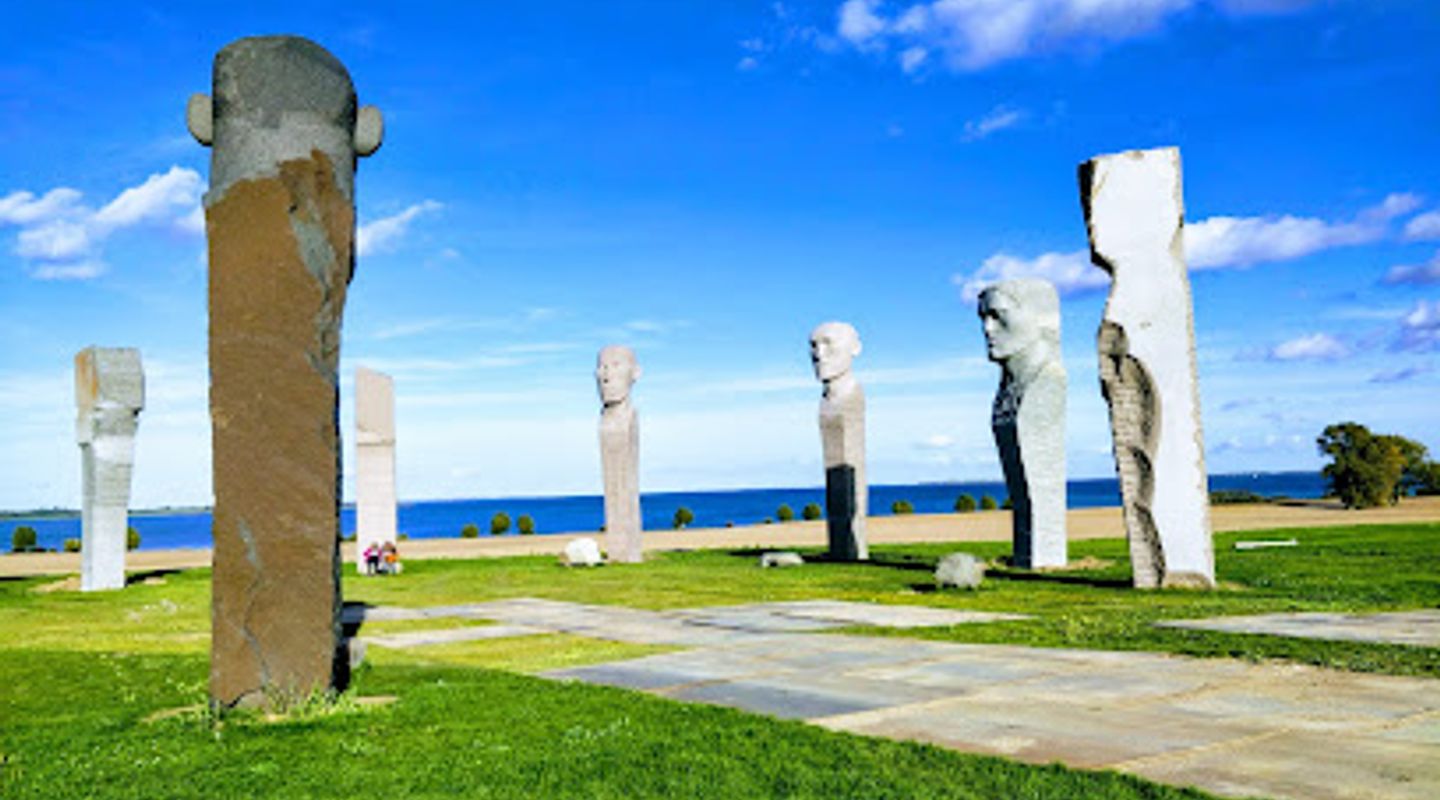
Set high in the so‑called “Lolland Alps” above the Smålandsfarvandet, Dodekalitten is a monumental open‑air artwork near Kragenæs on Lolland. Twelve towering granite figures, each 7–9m tall and weighing up to 45 tons, stand in a 40m circle, their carved heads turned toward the centre. From low boulders inside the ring, specially composed electroacoustic music plays from sunrise to sunset, subtly shifting with light, weather and season. Surrounded by Bronze Age barrows and sea views, this immersive fusion of sculpture, landscape and sound feels both ancient and strikingly contemporary.
On-site amenities
 Restrooms
 Drink options
 Drinking water
 Food options
 Seating areas
 Picnic areas
 Trash bins
 Information boards
 Visitor centre
Opening hours
- Every dayOpen 24 hours
Opening hours as listed on the venue’s Google Business Profile. Hours can change for services and special events, so check with the venue before you go.
- Address
- Kragenæsvej 62, 4943 Lolland
- Phone
- Website
Getting there
Car from Maribo (regional hub)
Regional bus to Kragenæs surroundings
Cycling from nearby towns
Discover more about Dodekalitten
Granite guardians on a windswept hill
On a grassy rise above the north coast of Lolland, Dodekalitten forms a ring of monumental granite figures surveying sea, sky and fields. The name comes from Greek for “twelve stones”, and the finished work is conceived as a circle of 12 columns, each 7–9 metres high and weighing 25–45 tons, set in a 40‑metre‑wide circle. The upper two metres of every column are carved into stylised heads, all turned inwards toward the centre, giving the impression of a silent council in perpetual conversation.Stand close and the scale becomes visceral: tool marks run across the stone surfaces, faces emerge from rough rock, and each figure has a slightly different expression and posture. Some appear calm, others stern or questioning, inviting you to move from statue to statue and see how the forms shift with your perspective. Because the project has been created over many years, you can also read the evolution of the sculptor’s style in the details.
A continuous composition in the open air
The stone circle is only one element of Dodekalitten. Discreetly placed among low seating stones inside the ring, speakers play an ever‑changing electroacoustic composition during daylight hours. The music has been programmed to respond to external conditions such as season and light, so what you hear on a bright summer afternoon will differ from a winter visit under low clouds.Rather than a single melody, the soundscape is a slow, layered weave of tones and textures. It rises and falls almost imperceptibly, at times barely above the rustle of the wind, at others filling the space between the stones with an enveloping hum. As you walk around, the sound shifts subtly, creating pockets of resonance and quieter corners. Many visitors find themselves pausing on the inner stones, letting the music, the ring of figures and the surrounding landscape merge into one experience of time stretching beyond the present.
Legends, timelines and imagined ancestors
Dodekalitten is grounded in an invented legend about a prehistoric people who supposedly settled on Lolland thousands of years ago. This fictive narrative, developed by the original composer, imagines a culture shaped by migration and rising seas, echoing real archaeological tales from around the Baltic. The stone figures can be read as an assembly of these imagined ancestors, preserving memory across millennia.Although the legend is modern, the setting roots the work in genuine deep history. Just beyond the circle lies the passage grave of Glentehøj and several Bronze Age burial mounds, reminders that this hilltop has drawn ritual attention for thousands of years. The juxtaposition of new granite columns and ancient earthworks encourages you to think about how each era leaves its mark on the same piece of land, and how contemporary art can converse with prehistoric monuments without imitating them.
Landscape framed by stone and sea
The site’s position is central to its character. From within the circle you look out over gently rolling farmland toward the Smålandsfarvandet, with small islands dotting the water only a few hundred metres away. On clear days, the horizon opens wide, making the statues feel like intermediaries between the cultivated fields behind you and the shifting sea in front.Light is constantly in play here. Low morning sun carves deep shadows into the carved faces, while at midday the figures can appear almost flat and graphic against a bright sky. Toward evening, long silhouettes stretch across the grass, and on days with fast‑moving clouds the atmosphere can swing from serene to dramatic in minutes. There is little shelter on the exposed hill, so you feel every shift in wind and weather alongside the music’s slow modulation.
A living work still taking shape
Dodekalitten is conceived as a long‑term project rather than a finished object. The first stone was carved in 2010, and for years visitors could watch new figures join the circle as the sculptor continued his work. Even as the main ring nears completion, details are refined, and the sound installation can be updated, keeping the piece alive and responsive rather than fixed in time.Because the artwork sits in open countryside, it also functions as an informal gathering space. People spread blankets on the grass, sit on the inner stones to listen, or wander between the figures in quiet reflection. Occasional cultural events make use of the natural amphitheatre, but for much of the year the hill remains a place of stillness, where you can simply be present among stone, sound and sky.
Practical atmosphere and pace of a visit
A visit to Dodekalitten is usually unhurried. Many travellers allow at least an hour to explore the sculptures from all sides, sit within the circle and take in the changing soundscape. Families often combine the stop with simple play on the surrounding grass, while those interested in prehistory may also walk on to nearby burial mounds for a broader sense of the area’s long human story.There are no barriers or ticket booths around the stones, and access is free year‑round. Facilities are limited directly at the hill, so it is wise to bring water, an extra layer for wind, and perhaps a picnic to enjoy with the sweeping view. Whether you arrive under blazing summer light, autumn clouds or pale winter sun, the combination of massive sculpture and subtle music ensures that the experience feels slightly different every time.
Evendo Review Centre
 Google
Guest reviews
Best time to go
Quietest: Jan, Feb & Dec · before 6am or from 9pm
Busy times are Evendo estimates for a typical year, to help you plan. Actual crowds vary with events, school holidays and the weather.
Explore Dodekalitten on the map
A handpicked selection of must-see spots near Dodekalitten, mapped for you.
Get your free copy of our complete guide to Dodekalitten, delivered straight to you.
Everything on this page, from opening hours and how to get there to Eve’s tips and the best time to go, in one PDF you can read offline, print or share.
Already have an account? Sign in
Your Dodekalitten guide is ready.
We'll send it to · Not you? Sign out

Getting your guide ready…
We are putting together a fresh copy of the Dodekalitten guide. This can take up to a minute.
This can take a few moments. If your browser asks, choose Allow so the download can start. You'll find the guide in your Downloads folder.
Nothing happened? Download it again
Sorry, the guide is taking longer than usual. Please try again in a minute, or get it by email instead.
Other nearby places you may find interesting
The closest places of the same kind, if this one is not quite what you had in mind.
-
-
-
-
-


Swipe for more places
More to explore near Dodekalitten

 Best experiences near Dodekalitten
 Best hotels near Dodekalitten
 Best landmarks near Dodekalitten
 Best attractions near Dodekalitten
 Best shops near Dodekalitten
 Best restaurants near Dodekalitten
 Best bars near Dodekalitten
Do you manage this location?
Take control to get all the benefits, like improved information, better appearance, and stronger visibility across AI-powered discovery.
Explore more
Explore more of Møn
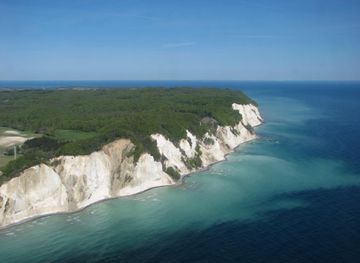
Discover the breathtaking cliffs, rich history, and serene beauty of Møn, Denmark's hidden gem in the Baltic Sea, perfect for nature lovers and history enthusiasts alike.
Explore Møn
Explore more of Denmark
Discover Denmark: A perfect blend of history, modern design, and the cozy concept of hygge. Explore vibrant cities, serene landscapes, and world-class cuisine.
Explore Denmark
