

Kronborg Castle Travel Guide
Free Guide: UNESCO-listed Kronborg Castle towers over the Øresund, blending Renaissance splendour, military might and the enduring drama of Shakespeare’s Hamlet.


A brief summary of Kronborg Castle
UNESCO-listed Kronborg Castle towers over the Øresund, blending Renaissance splendour, military might and the enduring drama of Shakespeare’s Hamlet.
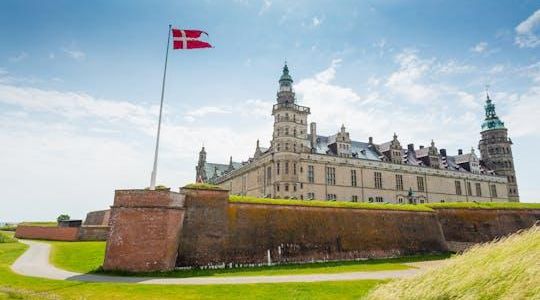
Commanding the narrow Øresund Strait at Helsingør, UNESCO‑listed Kronborg Castle is one of Northern Europe’s great Renaissance strongholds and the legendary setting of Shakespeare’s Hamlet. Within its copper roofs and sandstone walls you’ll find grand ballrooms, royal chambers, a beautifully preserved chapel and brooding underground casemates where the mythical Holger Danske sleeps. Outside, ramparts, cannons and sweeping sea views to Sweden underline the castle’s former role as a toll fortress guarding the gateway to the Baltic.
On-site amenities
 Restrooms
 Drink options
 Drinking water
 Food options
 Seating areas
 Sheltered areas
 Trash bins
 Information boards
 Visitor centre
Opening hours
- Every day10 am–6 pm
Opening hours as listed on the venue’s Google Business Profile. Hours can change for services and special events, so check with the venue before you go.
- Address
- Kronborg, 3000 Helsingør
- Phone
- Website
Getting there
Regional train from Copenhagen
Car from Copenhagen and North Zealand
Train and ferry from southern Sweden
Discover more about Kronborg Castle
Renaissance Powerhouse at the Gateway to the Baltic
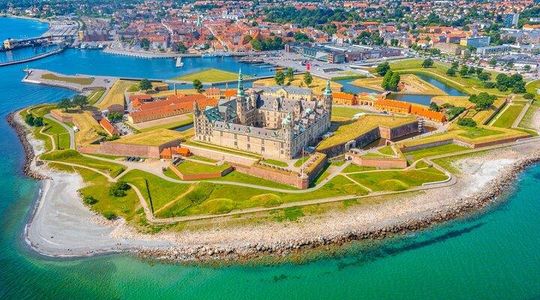
Kronborg Castle rises at the northeastern tip of Zealand, where the Øresund narrows to a strait barely a few kilometres wide. From here, Danish kings once controlled access to the Baltic Sea, levying the lucrative Sound Dues on passing ships and turning Helsingør into one of Europe’s wealthiest port towns. The site’s story begins in the 1420s with the fortress Krogen, before King Frederik II transformed it between 1574 and 1585 into an opulent Renaissance residence that showcased royal ambition as much as military strength.Today, the castle’s four wings frame a broad cobbled courtyard, dominated by towers, gables and green copper spires. Pale sandstone facades are banded and richly ornamented, giving the stronghold a stately, almost theatrical presence. It is this fusion of fortress and palace that earned Kronborg a place on the UNESCO World Heritage List and makes it a defining monument of Northern European Renaissance architecture.
Great Halls, Royal Apartments and a Surviving Chapel
Inside, a sequence of high-ceilinged rooms reveals the castle’s former courtly life. The Great Hall, once the setting for lavish banquets and diplomatic receptions, stretches the length of a city street and remains one of the largest Renaissance halls in Northern Europe. Tapestries, carved woodwork and painted ceilings evoke the splendour of Frederik II and Christian IV, whose initials you can still see woven and carved throughout the interiors.A devastating fire in 1629 destroyed much of the original decoration, but the castle was refitted in the 1630s, leaving the mix of late Renaissance and early Baroque details visible today. One remarkable survivor is the castle chapel. Protected from the flames, it preserves richly carved pews, a finely worked altar and intricate organ decoration that lend the space a warm, intimate glow in contrast to the austere stone outside.
Casemates, Cannons and the Legend of Holger Danske
Beneath the refined chambers lies a very different world. The underground casemates form a warren of low, vaulted passages designed to shelter hundreds of soldiers during siege. Their thick, damp walls, minimal light and echoing silence create a powerful sense of the hardships of early modern warfare. The casemates were equipped to sustain a garrison for weeks, with storage for provisions, armaments and even stabling.Hidden in this twilight realm sits the statue of Holger Danske, the mythical champion of Denmark. According to legend, he will sleep in Kronborg until the kingdom is in mortal danger, when he will rise to defend it. Encountering this massive, contemplative figure in the half-light connects the strategic reality of the fortress with centuries of folklore and national identity.
Hamlet’s Elsinore and Living Cultural Stage
For many visitors, Kronborg is inseparable from Shakespeare’s tragedy Hamlet. The playwright used the castle, under its anglicised name Elsinore, as the setting for intrigue, ghosts and royal downfall. Whether Shakespeare ever stood in these courtyards is unknown, but his choice fixed Kronborg in the literary imagination and continues to shape its cultural life.In the summer, the castle’s ramparts and courtyards become a dramatic stage for open-air performances, especially during the annual Shakespeare-themed festival. Actors declaim soliloquies against a backdrop of towers, battlements and the shimmering Øresund, blurring the line between history and theatre. Even outside performance season, it is easy to picture the ghost of Hamlet’s father on the ramparts or the prince himself pacing the corridors in doubt.
Sea Views, Wind-swept Ramparts and a Day in Helsingør
Kronborg’s outdoor spaces are as evocative as its interiors. From the ramparts and cannon batteries, you can watch ferries shuttling between Denmark and Sweden, a reminder that the strait remains a vital thoroughfare. On clear days, the coastline of Scania feels almost within reach, framing the castle in an ever-changing play of light and weather.The surrounding fortress earthworks, moats and bastions open onto lawns and walkways ideal for slow exploration. Just beyond the walls, Helsingør’s historic centre, maritime museum and harbourfront extend the experience, but the castle itself comfortably rewards several hours. Between the views, the layered history and the interplay of legend and literature, Kronborg offers a richly textured encounter with Denmark’s seafaring past.
Evendo Review Centre
 Google
Guest reviews
Best time to go
Quietest: Jan, Feb & Mar · before 8am or at 9pm
Busy times are Evendo estimates for a typical year, to help you plan. Actual crowds vary with events, school holidays and the weather.
Explore Kronborg Castle on the map
A handpicked selection of must-see spots near Kronborg Castle, mapped for you.
Get your free copy of our complete guide to Kronborg Castle, delivered straight to you.
Everything on this page, from opening hours and how to get there to Eve’s tips and the best time to go, in one PDF you can read offline, print or share.
Already have an account? Sign in
Your Kronborg Castle guide is ready.
We'll send it to · Not you? Sign out

Getting your guide ready…
We are putting together a fresh copy of the Kronborg Castle guide. This can take up to a minute.
This can take a few moments. If your browser asks, choose Allow so the download can start. You'll find the guide in your Downloads folder.
Nothing happened? Download it again
Sorry, the guide is taking longer than usual. Please try again in a minute, or get it by email instead.
Unlock the best of Kronborg Castle
Skip-the-line tickets, guided tours with entry, and walking tours of the area, booked in a few clicks.




Other nearby places you may find interesting
The closest places of the same kind, if this one is not quite what you had in mind.
-
GeoCenter Møns Klint Immersive cliff-top museum and nature hub revealing 70 million years of geology beside Denmark’s highest white chalk cliffs at Møns Klint.
-
Moen lighthouse A quiet 19th‑century beacon perched above Denmark’s most dramatic chalk cliffs, where sea, sky and starlight meet on the far edge of the island of Møn.
-
Trappe Møns Klint A steep wooden stairway plunging from beech forest to turquoise Baltic shore, Trappe Møns Klint is the most direct way into Denmark’s iconic white chalk cliffs.
-
Stranden Møns Klint A raw shingle shore pressed between turquoise Baltic waves and 100‑metre chalk cliffs, Stranden Møns Klint is Denmark’s most dramatic meeting of land and sea.
-
Thorsvang, Danmarks Samlermuseum Et stemningsfuldt samlermuseum på Møn, indrettet som en hel lille by fra de gode gamle dage – fyldt med butikker, værksteder, kolonihaver og hverdagsminder.
Swipe for more places
More to explore near Kronborg Castle

 Best experiences near Kronborg Castle
 Best hotels near Kronborg Castle
 Best landmarks near Kronborg Castle
 Best attractions near Kronborg Castle
 Best shops near Kronborg Castle
 Best restaurants near Kronborg Castle
 Best bars near Kronborg Castle
Do you manage this location?
Take control to get all the benefits, like improved information, better appearance, and stronger visibility across AI-powered discovery.
Explore more
Explore more of Møn
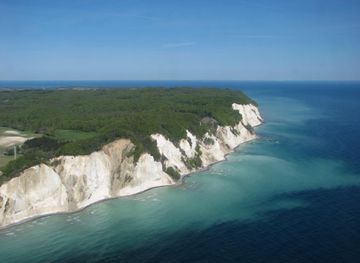
Discover the breathtaking cliffs, rich history, and serene beauty of Møn, Denmark's hidden gem in the Baltic Sea, perfect for nature lovers and history enthusiasts alike.
Explore Møn
Explore more of Denmark
Discover Denmark: A perfect blend of history, modern design, and the cozy concept of hygge. Explore vibrant cities, serene landscapes, and world-class cuisine.
Explore Denmark
