
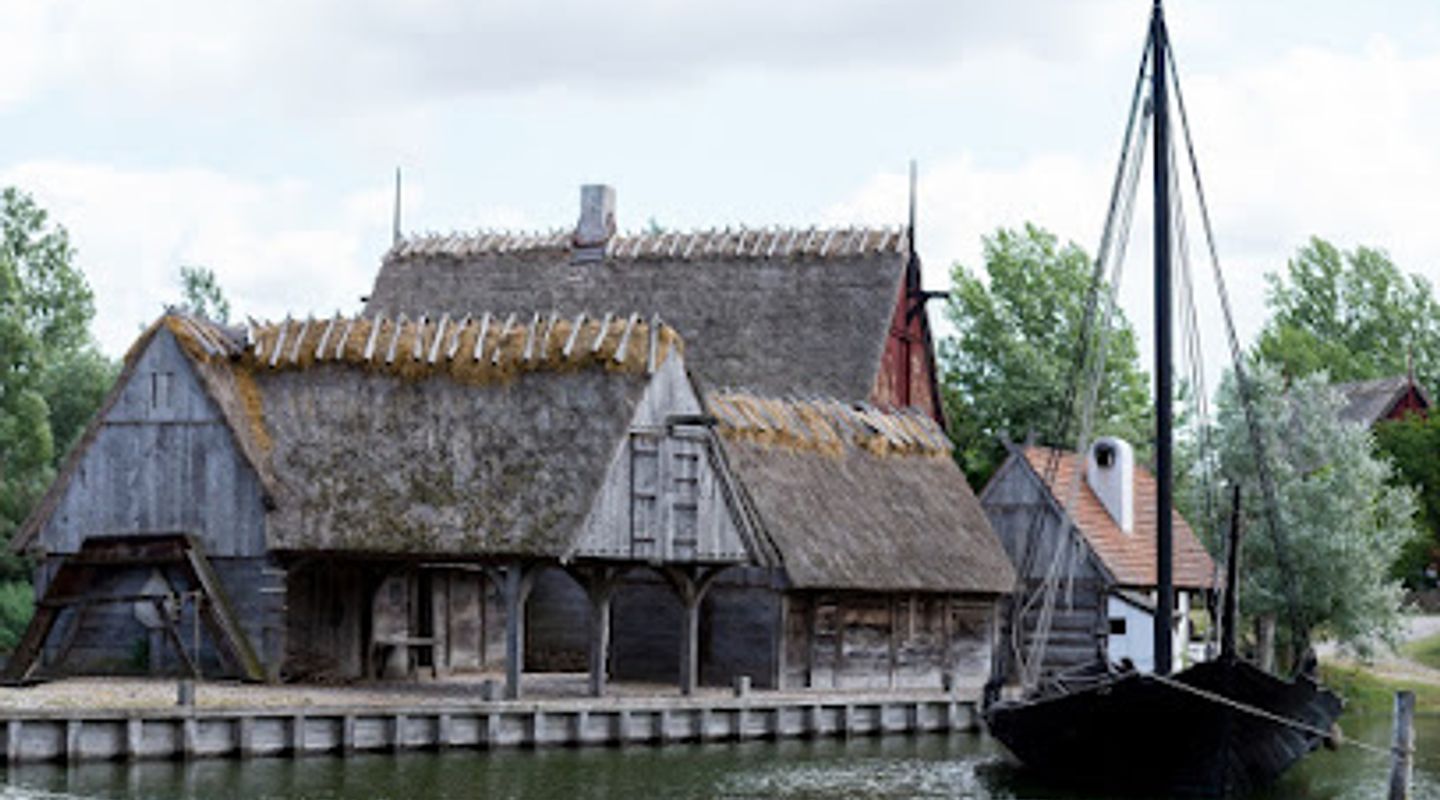
The Medieval Center, Mon Travel Guide
Travel back to 1400s Denmark where craftspeople, knights, and merchants bring medieval life to vivid, interactive reality.
Step into 15th-century Denmark at this immersive open-air archaeological museum in Nykøbing Falster. Explore the reconstructed medieval town of Sundkøbing, where costumed craftspeople, merchants, and knights bring history to life through daily demonstrations, interactive activities, and spectacular shows featuring the world's largest trebuchet and medieval weaponry. A hands-on journey through Danish medieval culture.
A brief summary to The Medieval Center
- Indgang, Ved Hamborgskoven 2, 4, Nykøbing Falster, 4800, DK
- Click to display
- Click to display
- Duration: 2 to 6 hours
- Budget
-
 Outdoor
- Mobile reception: 4 out of 5
- Monday 10 am-4 pm
- Tuesday 10 am-4 pm
- Wednesday 10 am-5:30 pm
- Thursday 10 am-4 pm
- Friday 10 am-4 pm
- Saturday 10 am-4 pm
- Sunday 10 am-4 pm

Know before you go
Hi, I'm Eve. Here are a few practical things to know before exploring The Medieval Center.
- Arrive by 11:30 AM to secure good viewing positions for the noon trebuchet firing and 1:30 PM tournament—these are the most popular demonstrations and draw crowds quickly.
- Your ticket is valid for seven days, so consider visiting on multiple occasions to experience different demonstrations and seasonal activities without repurchasing admission.
- Bring comfortable walking shoes and weather-appropriate clothing; the site is entirely outdoors with limited shelter, and terrain includes grass, gravel, and uneven ground.
- Interact directly with costumed staff members—they are knowledgeable about medieval life and enjoy sharing stories and answering questions about their crafts and daily routines.
- Check the daily program schedule on arrival; demonstrations vary by day and season, and special events like the Christmas Market or autumn school holiday activities may offer unique experiences.
Do you manage this location?
Take control to get all the benefits, like improved information, better appearance, and stronger visibility across AI-powered discovery. Learn more about listing your business on Evendo
Activate your presenceOther nearby places you may find interesting
The closest places of the same kind, if this one is not quite what you had in mind.
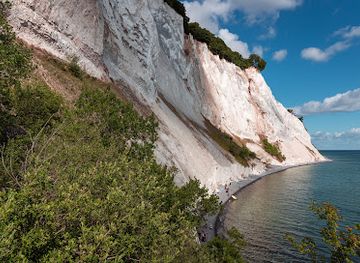
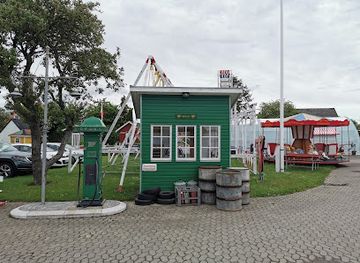
Explore The Medieval Center on the Map
A handpicked selection of must-see spots near The Medieval Center, mapped for you.
Getting There
-
Car via E47 Highway
From central Nykøbing Falster, take the E47 motorway southbound and exit at junction 45 toward Guldborg. Follow Majbøllevej and Guldborgvej toward Sundby. The museum entrance is clearly signposted. Travel time approximately 10–15 minutes depending on starting point. Free parking available in a large lot adjacent to the entrance; bus parking in designated spaces nearby.
-
Local Bus Service
Regional buses serve Nykøbing Falster and connect to surrounding towns. Journey times vary by route and origin; typical travel from Nykøbing Falster town center is 15–25 minutes. Check local transit schedules (Movia operates services in the region) for current timetables and fares, typically 30–60 DKK per journey. Buses stop near the museum entrance or within walking distance.
-
Bicycle from Nykøbing Falster
A scenic cycling route of approximately 5–6 kilometers connects Nykøbing Falster to the museum, following local roads through Sundby. Journey time approximately 20–30 minutes depending on fitness and route. The route is relatively flat and suitable for standard bicycles. Bike parking available at the museum entrance.
-
Taxi or Ride-Share
Taxis and ride-share services operate in Nykøbing Falster. Journey from town center to museum approximately 10–15 minutes. Estimated fare 150–250 DKK depending on exact pickup location and service provider. Convenient for groups or those without personal transport.
For the on-the-go comforts that matter to you
-
 Restrooms
-
 Food Options
-
 Drink Options
-
 Seating Areas
-
 Picnic Areas
-
 Trash Bins
-
 Information Boards
-
 Visitor Center
Discover more about The Medieval Center
A Living Portal to 15th-Century Scandinavia
Middelaldercentret is an experimental archaeological open-air museum dedicated to recreating authentic life in Denmark around the year 1400. Rather than displaying artifacts behind glass, the museum constructs a functional medieval town called Sundkøbing, where visitors encounter craftspeople, merchants, and soldiers engaged in genuine period activities. The site was established in 1989 to commemorate Nykøbing Falster's 700th anniversary, beginning with the reconstruction of a medieval siege engine called a blide (trebuchet). What started as a single experimental project has evolved into one of Denmark's most significant cultural attractions, drawing thousands of visitors annually and generating substantial economic benefit to the region.The Reconstructed Medieval Town of Sundkøbing
The heart of the experience is Sundkøbing, a meticulously researched recreation of a 15th-century Danish market town. The layout and architecture are based on written historical sources and archaeological findings, ensuring authenticity at every level. The town features merchant stalls, artisan workshops, residential buildings, a functioning harbor with replica sailing vessels, and fortifications. Staff members inhabit these structures year-round, dressed in period-appropriate clothing and performing authentic medieval occupations: blacksmiths forge metal, weavers work looms, bakers prepare bread, and merchants conduct trade. Visitors are encouraged to interact directly with these craftspeople, ask questions, and handle objects—a stark contrast to traditional museum experiences where artifacts remain untouchable behind barriers.Daily Demonstrations and Interactive Experiences
The museum operates a structured daily program of demonstrations and activities. The trebuchet, the world's largest functional replica of its kind, fires at noon with thunderous impact, launching stones across the landscape in a dramatic display of medieval siege engineering. A knightly tournament typically occurs at 1:30 PM, featuring mounted combat, period-accurate weaponry, and theatrical storytelling. Archery demonstrations allow visitors to attempt medieval marksmanship under guidance. Additional activities rotate seasonally, including weapon training, medieval games, and interactive challenges such as the autumn program "Handel og Held" (Trade and Luck), where visitors assume the roles of medieval merchants navigating commerce, debt, and fortune.Historical Authenticity and Cultural Impact
The museum's commitment to experimental archaeology and living history has earned it recognition as one of Europe's most authentic representations of the medieval period. This authenticity has made it a preferred filming location for documentaries, television series, and historical films, further amplifying its cultural significance. The museum's economic impact extends beyond tourism; it has been documented that the public sector recovers approximately 60% of the museum's revenue through taxes and fees, making it a valuable investment in regional development. The site also functions as an educational resource, hosting school groups and researchers interested in medieval life, technology, and social structures.Setting and Landscape
The museum occupies a waterfront location on the northern edge of Sundby on Lolland, overlooking Guldborg Sund (the strait separating Lolland from Falster). The site was deliberately chosen for its natural harbor setting and open landscape, which allowed the trebuchet to operate safely while providing authentic medieval ambiance. The waterfront position, with views across the sound toward Nykøbing Falster, enhances the immersive quality of the experience. The surrounding grounds include managed fields and natural areas that complement the reconstructed town, creating a cohesive historical landscape rather than an isolated museum compound.Visitor Engagement and Accessibility
The museum operates seasonally from May through September, with extended hours during peak summer months and special programming during autumn school holidays and the Christmas season. Tickets are valid for seven consecutive days, allowing visitors to return multiple times without additional cost. The site welcomes families, school groups, and individual travelers, with activities designed to engage both children and adults. A food hut provides light refreshments, and visitors are welcome to bring picnic meals to designated areas. Free parking is available for cars and motorcycles, with designated spaces for buses, making access straightforward for groups and independent travelers alike.












Your all‑in‑one travel companion app
Explore expert travel guides, compare and book tours, experiences, hotels, and more—all from the palm of your hand. Download now for seamless trip planning wherever your wanderlust takes you.


Explore More of Mon
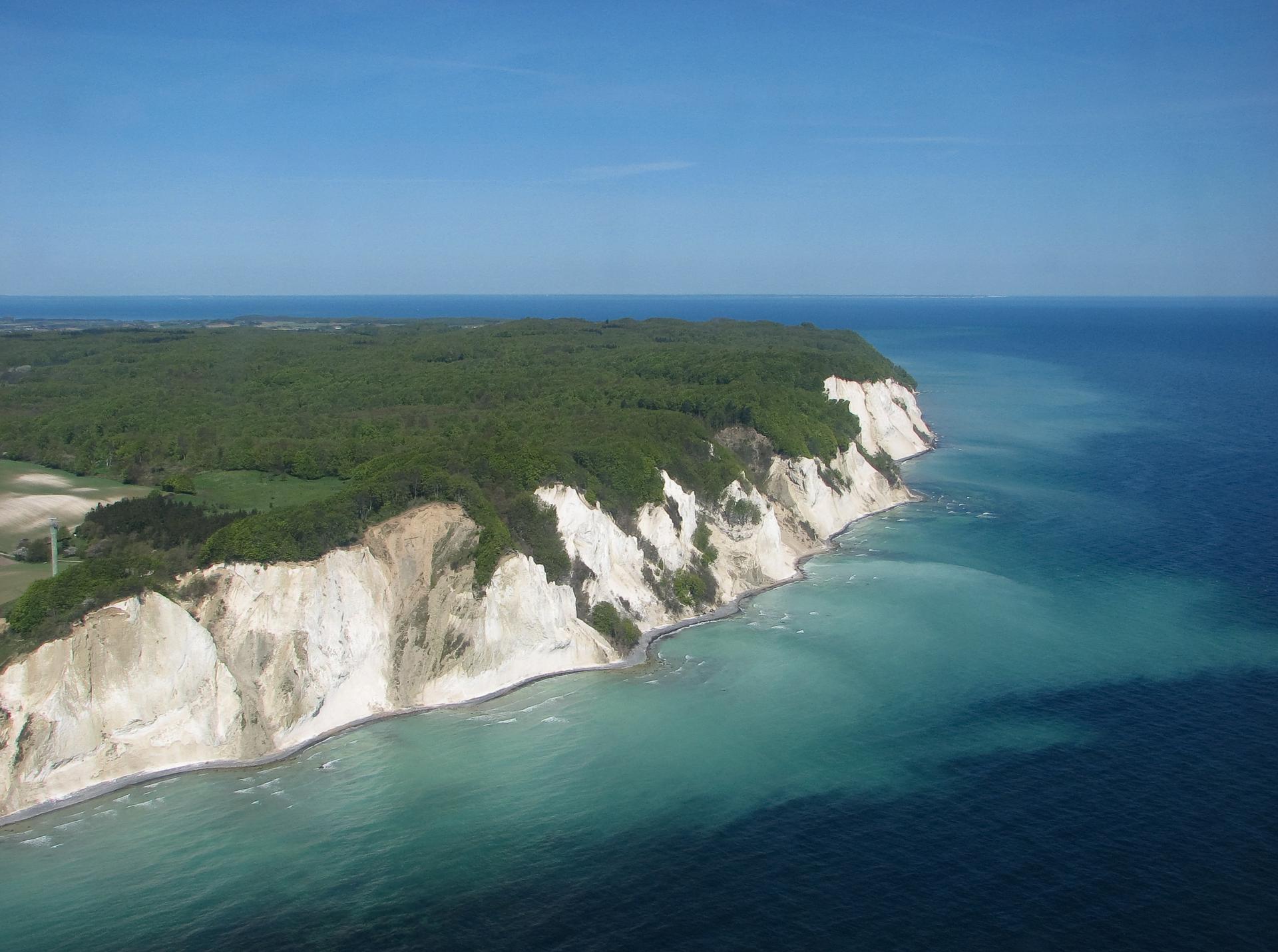
Looking beyond The Medieval Center? Discover Mon for broader travel guides, local hot-spots, and regional highlights.
Explore Mon
Leafy, old-school camping on the edge of Nykøbing Falster, with cabins, family facilities and easy access to town, coast, forest and nearby tropical water fun.

Volunteer-driven chamber concerts in a historic manor landscape, where intimate performances, thoughtful programs and rural calm shape a refined classical music escape.
