Sankt Mogens Kilde, Naestved Travel Guide
Free Guide: A sacred spring rooted in Viking heritage, where centuries of spiritual tradition flow through Denmark's countryside.


A brief summary of Sankt Mogens Kilde
A sacred spring rooted in Viking heritage, where centuries of spiritual tradition flow through Denmark's countryside.
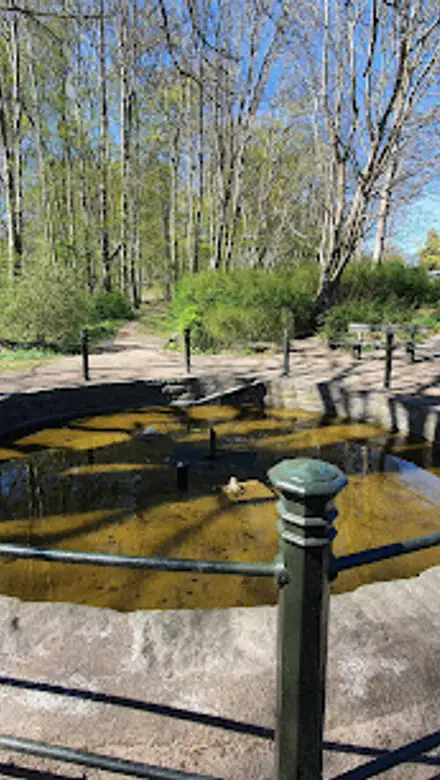
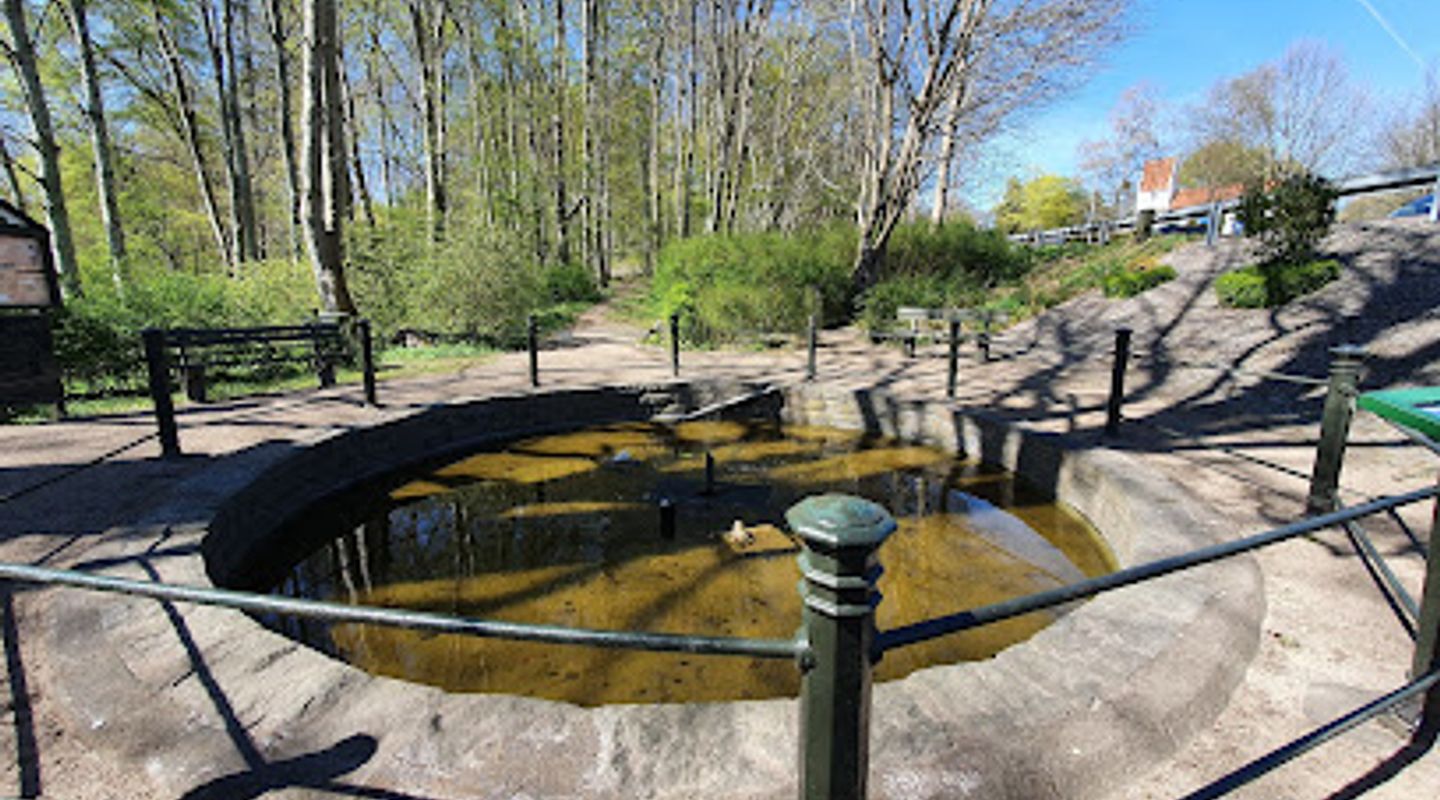
Sankt Mogens Kilde is a sacred spring and cultural landmark in Mogenstrup, near Næstved in South Zealand, Denmark. This historically significant site has served as a gathering place since Viking times, rooted in local legend and spiritual tradition. The spring is nestled within a picturesque rural setting, offering visitors a connection to Denmark's medieval heritage and natural landscape. The location combines archaeological importance with peaceful surroundings, making it a meaningful destination for those interested in Danish cultural history and traditional pilgrimage sites.
On-site amenities
 Information boards
Opening hours
- Every dayOpen 24 hours
Opening hours as listed on the venue’s Google Business Profile. Hours can change for services and special events, so check with the venue before you go.
- Address
- Åvænget 28, 4700 Næstved
- Phone
- Website
Getting there
Car from Næstved Town Centre
Bicycle from Næstved
Walking from Mogenstrup Village
Public Transport and Walking
Discover more about Sankt Mogens Kilde
A Sacred Spring with Viking Roots
Sankt Mogens Kilde represents one of Denmark's most enduring cultural landmarks, with origins tracing back to Viking times. The spring has functioned as a gathering place for over a thousand years, embodying the spiritual and communal significance that characterized Mogenstrup as a cultural hub throughout medieval Denmark. The site's longevity reflects the deep connection between Danish communities and natural sacred spaces, where water sources held both practical and spiritual importance in pre-Christian and Christian traditions alike.The name itself—Sankt Mogens Kilde, or Saint Mogens' Spring—reflects the Christianization of earlier pagan traditions, a common pattern across Scandinavian sacred sites. The spring became associated with Saint Mogens, whose veneration in the region reinforced the site's role as a pilgrimage destination. This layering of spiritual traditions demonstrates how Danish cultural landscapes evolved through centuries of religious and social change.
The Cultural Landscape of Mogenstrup
Mogenstrup itself constitutes a significant cultural environment within South Zealand's heritage landscape. The village and its surroundings preserve tangible connections to Denmark's past, with Sankt Mogens Kilde serving as an anchor point for understanding local identity and historical continuity. The spring's presence has shaped settlement patterns, community gatherings, and cultural memory across generations, making it integral to Mogenstrup's sense of place and historical narrative.The broader cultural environment encompasses not only the spring itself but also the surrounding rural landscape, which retains much of its traditional character. Walking through Mogenstrup and approaching the spring offers visitors an immersion in a landscape that has remained relatively unchanged in its essential character, allowing for a tangible connection to historical ways of life.
Natural Setting and Visitor Experience
The spring is located at Åvænget 28 in Næstved, positioned within a peaceful rural setting that emphasizes the natural and spiritual qualities of the site. The immediate environment features the quiet beauty typical of South Zealand's countryside, with mature trees and natural water features creating an atmosphere conducive to reflection and contemplation. The accessibility of the location—situated near the village yet maintaining its sense of separation from modern urban development—allows visitors to experience both connection to community heritage and peaceful solitude.Visitors to Sankt Mogens Kilde typically engage with the site as a walking destination, often combining their visit with exploration of the surrounding Mogenstrup area. The spring's modest scale and natural presentation encourage a meditative approach to visiting, where the experience centers on the historical significance and spiritual character of the place rather than elaborate facilities or attractions.
Spiritual and Historical Significance
For many visitors and local residents, Sankt Mogens Kilde represents more than a historical curiosity—it embodies Denmark's spiritual heritage and the continuity of cultural traditions across centuries. The site serves as a focal point for understanding how Danish communities maintained connections to sacred natural spaces through periods of significant historical change. The spring's persistent role as a gathering place demonstrates the enduring human need for spaces that connect us to history, nature, and spiritual meaning.The site's significance extends beyond individual pilgrimage or tourism; it functions as a repository of collective memory and cultural identity for the Næstved region. Local engagement with the spring reflects ongoing appreciation for preserving and interpreting Denmark's cultural landscape, ensuring that future generations can access and understand these connections to their heritage.
Evendo Review Centre
 Google
Guest reviews
Best time to go
Quietest: Jan, Feb & Dec · before 6am or at 8pm
Busy times are Evendo estimates for a typical year, to help you plan. Actual crowds vary with events, school holidays and the weather.
Explore Sankt Mogens Kilde on the map
A handpicked selection of must-see spots near Sankt Mogens Kilde, mapped for you.
Get your free copy of our complete guide to Sankt Mogens Kilde, delivered straight to you.
Everything on this page, from opening hours and how to get there to Eve’s tips and the best time to go, in one PDF you can read offline, print or share.
Already have an account? Sign in
Your Sankt Mogens Kilde guide is ready.
We'll send it to · Not you? Sign out

Getting your guide ready…
We are putting together a fresh copy of the Sankt Mogens Kilde guide. This can take up to a minute.
This can take a few moments. If your browser asks, choose Allow so the download can start. You'll find the guide in your Downloads folder.
Nothing happened? Download it again
Sorry, the guide is taking longer than usual. Please try again in a minute, or get it by email instead.
Other nearby places you may find interesting
The closest places of the same kind, if this one is not quite what you had in mind.
-
-
-
-
-


Swipe for more places
More to explore near Sankt Mogens Kilde

 Best experiences near Sankt Mogens Kilde
 Best hotels near Sankt Mogens Kilde
 Best landmarks near Sankt Mogens Kilde
 Best attractions near Sankt Mogens Kilde
 Best shops near Sankt Mogens Kilde
 Best restaurants near Sankt Mogens Kilde
 Best bars near Sankt Mogens Kilde
Do you manage this location?
Take control to get all the benefits, like improved information, better appearance, and stronger visibility across AI-powered discovery.
Explore more
Explore more of Naestved
Discover Næstved: A charming Danish city with rich history, vibrant arts, stunning nature, and delectable cuisine, perfect for a memorable and diverse vacation.
Explore Naestved
Explore more of Denmark
Discover Denmark: A perfect blend of history, modern design, and the cozy concept of hygge. Explore vibrant cities, serene landscapes, and world-class cuisine.
Explore Denmark