

Næstved Museum, Naestved Travel Guide
Free Guide: Compact town museum in historic Næstved, tracing South Zealand’s journey from archaeological finds and medieval streets to Holmegaard glass and modern everyday life.


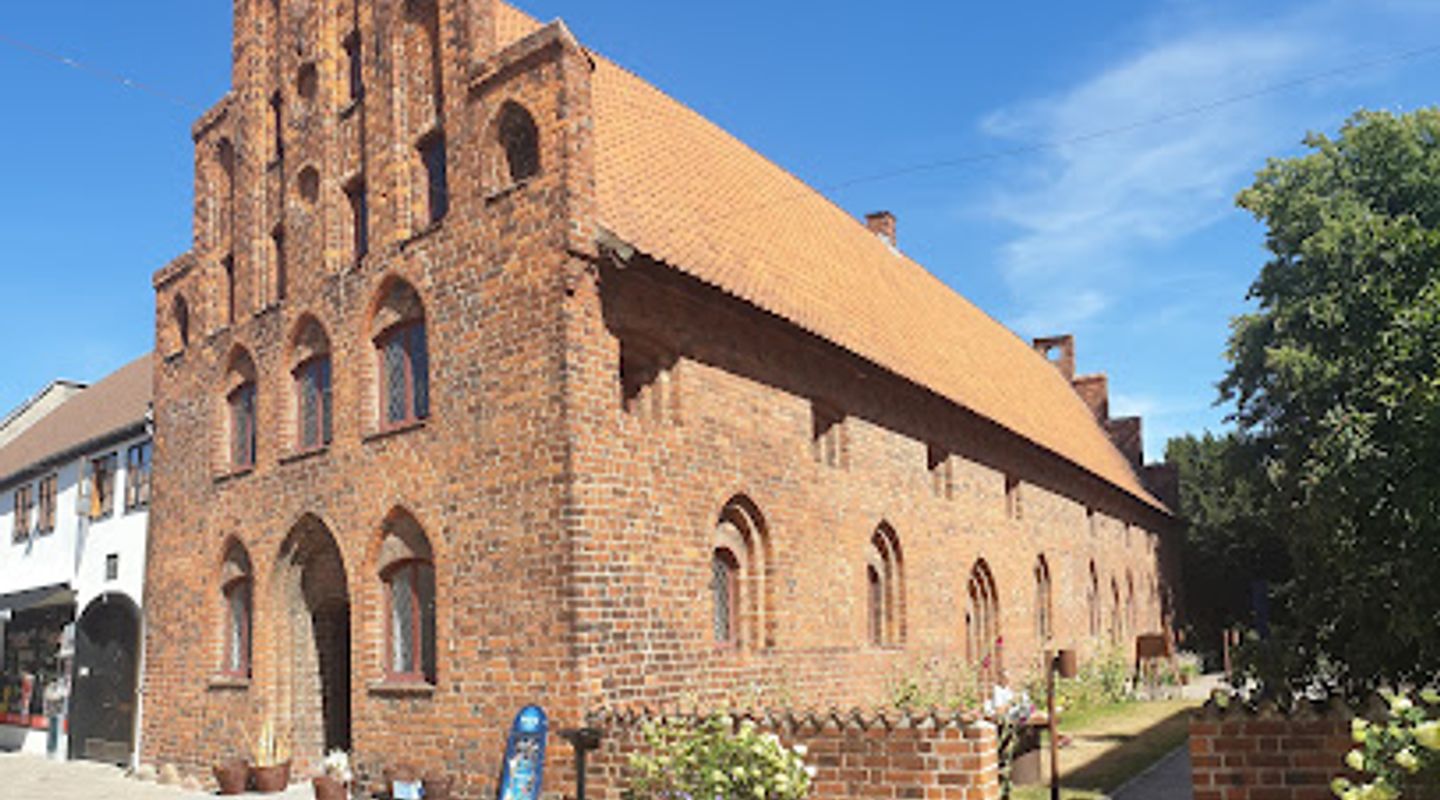
A brief summary of Næstved Museum
Compact town museum in historic Næstved, tracing South Zealand’s journey from archaeological finds and medieval streets to Holmegaard glass and modern everyday life.
Housed in a historic building in central Næstved, Næstved Museum presents the story of South Zealand from prehistory to the present through carefully curated exhibitions. Here you move from Viking-era finds and medieval town life to pottery from Holmegaard and everyday objects that trace the region’s transformation. Compact and atmospheric, it is an easy museum to explore in an hour or two, with clear displays that make local history tangible for all ages.
On-site amenities
 Restrooms
 Seating areas
 Trash bins
 Information boards
Opening hours
- Mon11 am–4 pm
- Tue11 am–4 pm
- Wed11 am–4 pm
- Thu11 am–4 pm
- Fri11 am–4 pm
- Sat10 am–3 pm
- SunClosed
Opening hours as listed on the venue’s Google Business Profile. Hours can change for services and special events, so check with the venue before you go.
- Address
- Ringstedgade 4, 4700 Næstved
- Phone
- Website
Getting there
Train and short walk from Næstved Station
Local bus within Næstved
Car or rental car from elsewhere on Zealand
Bicycle from within Næstved
Discover more about Næstved Museum
South Zealand’s Story Under One Roof
Næstved Museum is the main historical museum for Næstved and the surrounding South Zealand region, bringing together objects, documents and stories from the town and nearby areas such as Suså, Holmegaard and Fladså. Inside the old town setting on Ringstedgade, the museum acts as a time capsule where local archaeology, urban history and regional crafts meet.Rather than offering a broad sweep of Danish history, the focus here is pleasingly specific. Exhibitions highlight how life in and around Næstved has changed: from early settlements and the growth of the medieval market town to industrialisation and modern daily life. The result is a clear, grounded picture of how a provincial Danish town developed over centuries.
Archaeology, Vikings and Buried Treasures
One of the most engaging strands of the museum is its archaeological material. Finds from excavations in the Næstved area – from prehistoric tools and pottery to Viking-era objects – are displayed with context about where they were discovered and what they reveal about trade, beliefs and social structures.You encounter everything from simple implements that speak of everyday survival to more refined items that hint at long-distance contacts across the Baltic. Clear labels and maps help you place these objects in the landscape around the town, making it easier to imagine farmsteads, burial grounds and early harbours that once dotted South Zealand.
Medieval Market Town and Monastic Heritage
Næstved grew as an important medieval town, and the museum delves into this formative era. Displays explore its role as a trading centre and the influence of nearby monasteries and churches, using coins, ceramics, tools and fragments of sculpture to recreate the bustle of narrow streets and busy marketplaces.Models and illustrations help you visualise the townscape as it might have looked when guilds, craftsmen and merchants shaped local life. Everyday objects tell quieter stories: dining ware, clothing accessories and domestic utensils map out how people ate, dressed and furnished their homes in a thriving but compact urban world.
Holmegaard Glass and Regional Craft Traditions
South Zealand is closely linked with Holmegaard, one of Denmark’s best-known glassworks, and the museum reflects this industrial heritage. Selected pieces of glass and related material trace the evolution from functional bottles and jars to refined Scandinavian design objects of the 20th century.These artefacts are set alongside other regional crafts and manufactured goods, underlining how local skills and resources shaped both work and identity. Together they reveal the shift from handcraft to factory production, and how design-conscious objects from a rural area ended up on tables across Denmark and beyond.
Everyday Life, Festivals and Local Memory
Beyond grand narratives of trade and industry, Næstved Museum pays attention to the texture of ordinary life. Photographs, posters, school materials and household items capture changing fashions, leisure activities and domestic routines from the 19th and 20th centuries.Seasonal traditions, local associations and civic events crop up in the displays, offering glimpses of parades, sports clubs and community celebrations. Walking through these rooms feels a little like leafing through a family album on a town-wide scale: familiar themes of work, childhood and celebration, but anchored firmly in Næstved’s own streets and squares.
A Compact Museum in the Heart of Town
The museum occupies a historic property in central Næstved, and part of the charm lies in the building itself. Staircases, timber details and slightly uneven floors remind you that you are inside an old town house, not a purpose-built gallery. Rooms are modest in size, which keeps the experience manageable and makes it easy to focus on each section.Because the museum is relatively small, you can comfortably explore it in an hour or two. The central location means it combines well with a stroll through Næstved’s old streets or a visit to nearby churches and historic buildings, rounding out a deeper understanding of how the town you see today has evolved over time.
Evendo Review Centre
 Google
Guest reviews
Best time to go
Quietest: Jan, Feb & Mar · before 9am or from 6pm
Busy times are Evendo estimates for a typical year, to help you plan. Actual crowds vary with events, school holidays and the weather.
Explore Næstved Museum on the map
A handpicked selection of must-see spots near Næstved Museum, mapped for you.
Get your free copy of our complete guide to Næstved Museum, delivered straight to you.
Everything on this page, from opening hours and how to get there to Eve’s tips and the best time to go, in one PDF you can read offline, print or share.
Already have an account? Sign in
Your Næstved Museum guide is ready.
We'll send it to · Not you? Sign out

Getting your guide ready…
We are putting together a fresh copy of the Næstved Museum guide. This can take up to a minute.
This can take a few moments. If your browser asks, choose Allow so the download can start. You'll find the guide in your Downloads folder.
Nothing happened? Download it again
Sorry, the guide is taking longer than usual. Please try again in a minute, or get it by email instead.
Other nearby places you may find interesting
The closest places of the same kind, if this one is not quite what you had in mind.
-
-
-
-
-


Swipe for more places
More to explore near Næstved Museum

 Best experiences near Næstved Museum
 Best hotels near Næstved Museum
 Best landmarks near Næstved Museum
 Best attractions near Næstved Museum
 Best shops near Næstved Museum
 Best restaurants near Næstved Museum
 Best bars near Næstved Museum
Do you manage this location?
Take control to get all the benefits, like improved information, better appearance, and stronger visibility across AI-powered discovery.
Explore more
Explore more of Naestved
Discover Næstved: A charming Danish city with rich history, vibrant arts, stunning nature, and delectable cuisine, perfect for a memorable and diverse vacation.
Explore Naestved
Explore more of Denmark
Discover Denmark: A perfect blend of history, modern design, and the cozy concept of hygge. Explore vibrant cities, serene landscapes, and world-class cuisine.
Explore Denmark
