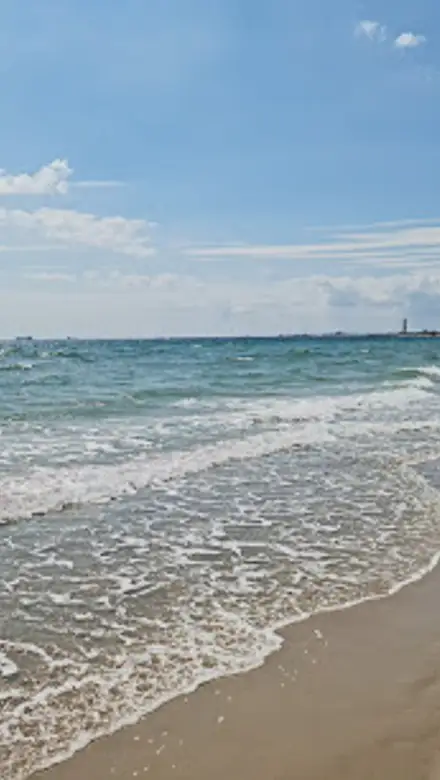
Grenen Travel Guide
Free Guide: Walk to the narrow tip of Denmark’s sandy branch at Skagen, where Skagerrak and Kattegat collide in foaming waves and wild North Sea light.


A brief summary of Grenen
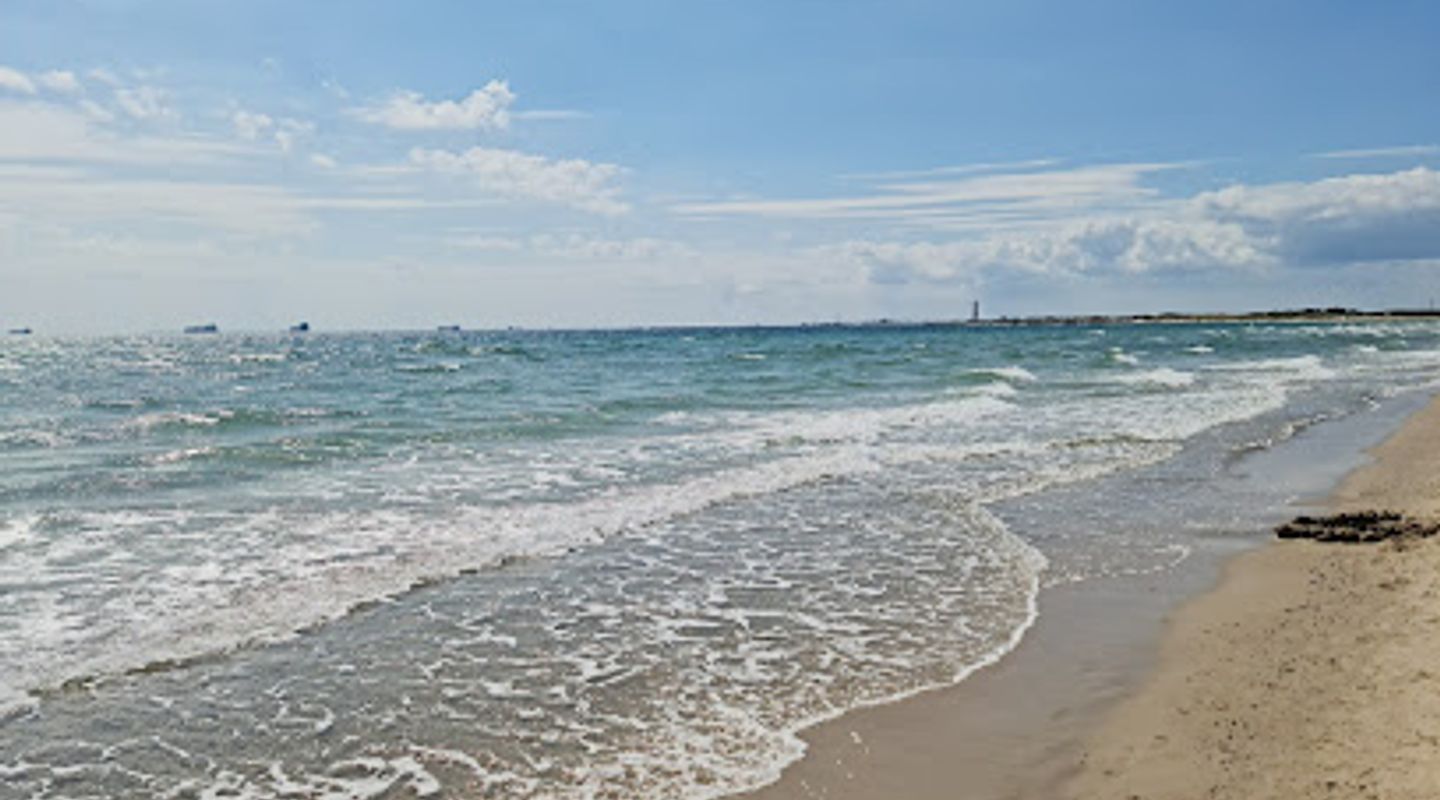
Walk to the narrow tip of Denmark’s sandy branch at Skagen, where Skagerrak and Kattegat collide in foaming waves and wild North Sea light.
Grenen is the long, curving sand spit at the very tip of Jutland, just north of Skagen, famed as the place where the Skagerrak (North Sea) and Kattegat (arm of the Baltic Sea) collide. Here you can stand with one foot in each sea, watch waves crash together in shifting patterns and feel the raw power of wind and water on a broad, pale-gold beach. Protected dunes, seals hauled out on the shore and superb birdlife make Grenen as rich in nature as it is in drama.
On-site amenities
 Restrooms
 Drink options
 Food options
 Seating areas
 Trash bins
 Information boards
 Visitor centre
Opening hours
- Every dayOpen 24 hours
Opening hours as listed on the venue’s Google Business Profile. Hours can change for services and special events, so check with the venue before you go.
- Address
- Skagen
Getting there
Car from Skagen and wider Jutland
Local bus from Skagen
Bicycle from Skagen
On foot from Skagen
Discover more about Grenen
The shifting sandbar at Denmark’s northern edge
Grenen is a long, slender spit of sand projecting from Skagen Odde, the sandy headland that forms the very top of mainland Denmark. Its name means “The Branch”, a nod to the way this pale finger of beach seems to stretch out from Jutland into the sea. Over the past century the currents have pushed so much sand here that the point has grown by roughly a kilometre, and it still creeps slowly northeast, grain by grain, toward Sweden.Walking out along the broad shoreline, you notice how low and open the landscape feels. Behind you lie modest dunes and swells of marram grass; ahead, the sand narrows to a tongue just a few metres wide. There is very little built intrusion here, so your eye is drawn instead to the horizon, to shipping far offshore and to the ceaseless movement of water meeting land.
Where Skagerrak and Kattegat collide
What makes Grenen unforgettable is the moment you reach the tip and see two seas visibly colliding. On one side is Skagerrak, part of the North Sea, and on the other is Kattegat, the strait that leads toward the Baltic. The waves arrive from slightly different angles and rhythms, creating a jagged, foaming seam where they clash and rebound off one another.On calmer days you can often trace a line of rougher, churning water that marks this junction; in windier weather the surface becomes a restless tangle of cross‑seas and spray. Standing here with one foot in the chill North Sea and the other in Kattegat is a simple gesture, yet it fixes you in a very precise spot on the map of Europe – the exposed, sea‑washed tip of Denmark.
Wildlife, birds and a living coastline
Grenen is also prized as a nature reserve. The constantly shifting sands create shallow lagoons and sandbanks that attract wading birds and, in season, flocks of migrating species pausing before they cross toward the Swedish coast. The wider Skagen Odde area is renowned among birdwatchers as one of Northern Europe’s great spring raptor migration corridors.Along the waterline, grey seals often haul out to rest, basking on the damp sand or bobbing just beyond the breakers. Their bulky shapes and dark eyes are a reminder that these exposed beaches belong to marine life as much as to people. Because powerful currents wrap around the point and hidden sandbars sit just offshore, swimming is prohibited here; it is a place to watch the ocean’s energy rather than to enter it.
Stories, shipwrecks and guiding lights
For centuries sailors approached Grenen with caution. The same shallows and currents that build the sand spit also made it a notorious hazard, and many ships have come to grief on the reef. To reduce the danger, early light signals were installed on Skagen’s coast in the 16th and 17th centuries, later replaced by more permanent lighthouses as maritime traffic intensified.Today, the tall Grey Lighthouse south of Grenen and other coastal lights still sweep their beams across the night sea, tying the modern shipping lanes to this long history of navigation. Inland from the beach you may notice traces of wartime bunkers and defensive works, sunken in the dunes and partly claimed by sand, adding another layer to the story of how people have sought to control or at least survive this restless shoreline.
Walking the sand and feeling the elements
Visiting Grenen is as much about the journey on foot as the destination. From the end of the access road a generous stretch of beach invites you onward, a 15–20‑minute stroll along firm sand toward the narrowing tip. In strong winds the walk can feel exhilaratingly raw, with gusts blowing sand around your ankles and salt spray in the air, while on bright days the pale beach and blue water create a crisp, almost minimalist seascape.The atmosphere shifts with the weather and season: in spring and autumn the light can be soft and silvery, birds wheel overhead and the horizon blurs into mist; in high summer the sun beats down, the sea deepens to green‑blue and the dunes glow gold. Whatever the time of year, Grenen leaves a clear impression of being at the very edge – a place where land, sea, sky and wind negotiate their boundaries every hour of every day.
Evendo Review Centre
 Google
Guest reviews
Best time to go
Quietest: Jan, Feb & Dec · before 6am or from 10pm
Busy times are Evendo estimates for a typical year, to help you plan. Actual crowds vary with events, school holidays and the weather.
Explore Grenen on the map
A handpicked selection of must-see spots near Grenen, mapped for you.
Get your free copy of our complete guide to Grenen, delivered straight to you.
Everything on this page, from opening hours and how to get there to Eve’s tips and the best time to go, in one PDF you can read offline, print or share.
Already have an account? Sign in
Your Grenen guide is ready.
We'll send it to · Not you? Sign out

Getting your guide ready…
We are putting together a fresh copy of the Grenen guide. This can take up to a minute.
This can take a few moments. If your browser asks, choose Allow so the download can start. You'll find the guide in your Downloads folder.
Nothing happened? Download it again
Sorry, the guide is taking longer than usual. Please try again in a minute, or get it by email instead.
Unlock the best of Grenen
Skip-the-line tickets, guided tours with entry, and walking tours of the area, booked in a few clicks.


Other nearby places you may find interesting
The closest places of the same kind, if this one is not quite what you had in mind.
-
-
-
-
-


Swipe for more places
More to explore near Grenen

 Best experiences near Grenen
 Best hotels near Grenen
 Best landmarks near Grenen
 Best attractions near Grenen
 Best shops near Grenen
 Best restaurants near Grenen
 Best bars near Grenen
Do you manage this location?
Take control to get all the benefits, like improved information, better appearance, and stronger visibility across AI-powered discovery.
Explore more
Explore more of North Jutland
Discover North Jutland: Denmark's northernmost region, renowned for its stunning coastlines, rich Viking history, vibrant culture, and outdoor adventures.
Explore North Jutland
Explore more of Denmark
Discover Denmark: A perfect blend of history, modern design, and the cozy concept of hygge. Explore vibrant cities, serene landscapes, and world-class cuisine.
Explore Denmark