

Skagen Bunkermuseum Travel Guide
Free Guide: A World War II Atlantic Wall bunker turned intimate war museum, set in Skagen’s dunes where concrete corridors meet big skies and the restless North Sea.


A brief summary of Skagen Bunkermuseum
A World War II Atlantic Wall bunker turned intimate war museum, set in Skagen’s dunes where concrete corridors meet big skies and the restless North Sea.
Set among the dunes just outside Skagen, Skagen Bunkermuseum brings the drama of World War II right down to human scale inside an original German Regelbau 638 bunker. Once a sanitary bunker for wounded soldiers on the Atlantic Wall, it now houses a compact but atmospheric war museum with uniforms, weapons, operations rooms and a small film space. Low corridors, thick concrete and North Sea winds outside make this a vivid, tactile encounter with Denmark’s wartime history that pairs easily with a coastal walk and nearby viewpoints.
On-site amenities
 Restrooms
 Drink options
 Drinking water
 Food options
 Seating areas
 Trash bins
 Information boards
Opening hours
- Every day11 am–4 pm
Opening hours as listed on the venue’s Google Business Profile. Hours can change for services and special events, so check with the venue before you go.
- Address
- Fyrvej 59, 9990 Skagen
- Phone
- Website
Getting there
Local bus
Bicycle
Taxi
Discover more about Skagen Bunkermuseum
A wartime bunker in the dunes
Skagen Bunkermuseum occupies an authentic German Regelbau 638 bunker built as part of the Atlantic Wall defences during World War II. Hidden in the coastal dunes west of Skagen, the squat concrete structure once served as a sanitary bunker for wounded soldiers stationed at the very tip of Denmark. Today, its sand-sheltered entrance and low silhouette still feel resolutely military, a stark contrast to the big skies and pale beaches that surround it.Stepping inside, you immediately sense how much of the original layout has been preserved. Narrow corridors, tiny rooms and massively thick walls convey the claustrophobic atmosphere of a frontline installation designed to withstand bombardment and sea winds alike. The museum leans into this authenticity, allowing the architecture itself to tell much of the story.
Inside the bunker: operations, treatment and daily life
The interior has been refitted as a compact war museum, with spaces interpreted as they might have looked during the 1940s. In the operations room, maps, radios and equipment evoke the surveillance and coordination role that bunkers like this played along the coast. Adjacent rooms show medical facilities and bunks, a reminder that this was also a place where wounded soldiers were treated and recuperated.Display cases hold uniforms, personal gear and weapons typical of German forces stationed in northern Jutland. Mannequins and reconstructed scenes add context but the rooms never feel overcrowded; instead the emphasis is on understanding how soldiers lived and worked in such confined quarters. A small film room screens archival material and explanatory films that place the bunker within the wider story of the Atlantic Wall and the war in Denmark.
Context of the Atlantic Wall at Skagen
Skagen’s location where seas meet made it strategically important for German forces, and the bunker is one of many former military structures scattered along this coastline. The museum helps explain how this single unit connected to a broader network of fortifications, radar stations and artillery positions watching the Skagerrak and Kattegat. Maps and diagrams outline lines of defence, supply routes and communication links that once criss-crossed the region.By situating the bunker within this chain, the exhibition sheds light on why such heavy fortification was deployed in an otherwise remote, sandy landscape. It also touches on the occupation of Denmark more broadly, giving visitors a sense of how local communities lived alongside this military presence and how the coast changed during those years.
A coastal stop between dunes, sea and history
Outside, the museum’s setting is part of its appeal. Emerging from the cool interior, you are back among windswept dunes, beach grasses and the sounds of the North Sea. It is easy to combine a visit with a walk along the shore or onward to Skagen’s lighthouses and viewpoints, spotting other abandoned bunkers that now lie half-buried in sand.Because of its modest size, the museum fits comfortably into a half-day exploration of the area. It offers enough depth for history enthusiasts while remaining approachable for families and casual visitors. The simple, robust architecture and utilitarian interiors photograph well, especially in soft coastal light.
Practical experience and visiting information
Explanatory texts and brochures are available in Danish and English, and signage is clear enough to follow a self-guided route through the rooms. Ceiling heights can be low and some sections feel tight, which adds atmosphere but may be challenging for anyone uncomfortable in confined spaces. Underfoot, floors are generally even, though door thresholds and narrow passages reflect the bunker’s military origins rather than modern design standards.The museum usually operates seasonally, with longer hours in summer and a pause in midwinter outside holiday weeks, so checking current opening times before planning a visit is advisable. Allow around an hour to explore at an unhurried pace, lingering over displays or simply imagining life here when the Atlantic Wall was active and Skagen’s dunes echoed with a very different kind of coastal traffic.
Evendo Review Centre
 Google
Guest reviews
Best time to go
Quietest: Jan, Mar & Nov · before 7am or at 7pm or at 8pm
Busy times are Evendo estimates for a typical year, to help you plan. Actual crowds vary with events, school holidays and the weather.
Explore Skagen Bunkermuseum on the map
A handpicked selection of must-see spots near Skagen Bunkermuseum, mapped for you.
Get your free copy of our complete guide to Skagen Bunkermuseum, delivered straight to you.
Everything on this page, from opening hours and how to get there to Eve’s tips and the best time to go, in one PDF you can read offline, print or share.
Already have an account? Sign in
Your Skagen Bunkermuseum guide is ready.
We'll send it to · Not you? Sign out

Getting your guide ready…
We are putting together a fresh copy of the Skagen Bunkermuseum guide. This can take up to a minute.
This can take a few moments. If your browser asks, choose Allow so the download can start. You'll find the guide in your Downloads folder.
Nothing happened? Download it again
Sorry, the guide is taking longer than usual. Please try again in a minute, or get it by email instead.
Other nearby places you may find interesting
The closest places of the same kind, if this one is not quite what you had in mind.
-
-
-
-
-


Swipe for more places
More to explore near Skagen Bunkermuseum

 Best experiences near Skagen Bunkermuseum
 Best hotels near Skagen Bunkermuseum
 Best landmarks near Skagen Bunkermuseum
 Best attractions near Skagen Bunkermuseum
 Best shops near Skagen Bunkermuseum
 Best restaurants near Skagen Bunkermuseum
 Best bars near Skagen Bunkermuseum
Do you manage this location?
Take control to get all the benefits, like improved information, better appearance, and stronger visibility across AI-powered discovery.
Explore more
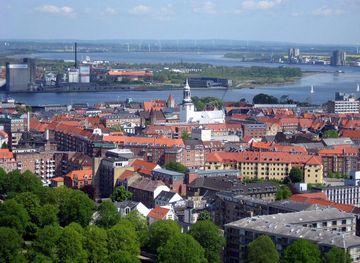
Explore more of North Jutland
Discover North Jutland: Denmark's northernmost region, renowned for its stunning coastlines, rich Viking history, vibrant culture, and outdoor adventures.
Explore North Jutland
Explore more of Denmark
Discover Denmark: A perfect blend of history, modern design, and the cozy concept of hygge. Explore vibrant cities, serene landscapes, and world-class cuisine.
Explore Denmark
