

Free North Jutland Travel Guide & Mobile App
Explore North Jutland with free travel guides. Discover regional history, expert tips, proposed trips, and audio guides on web or mobile app.


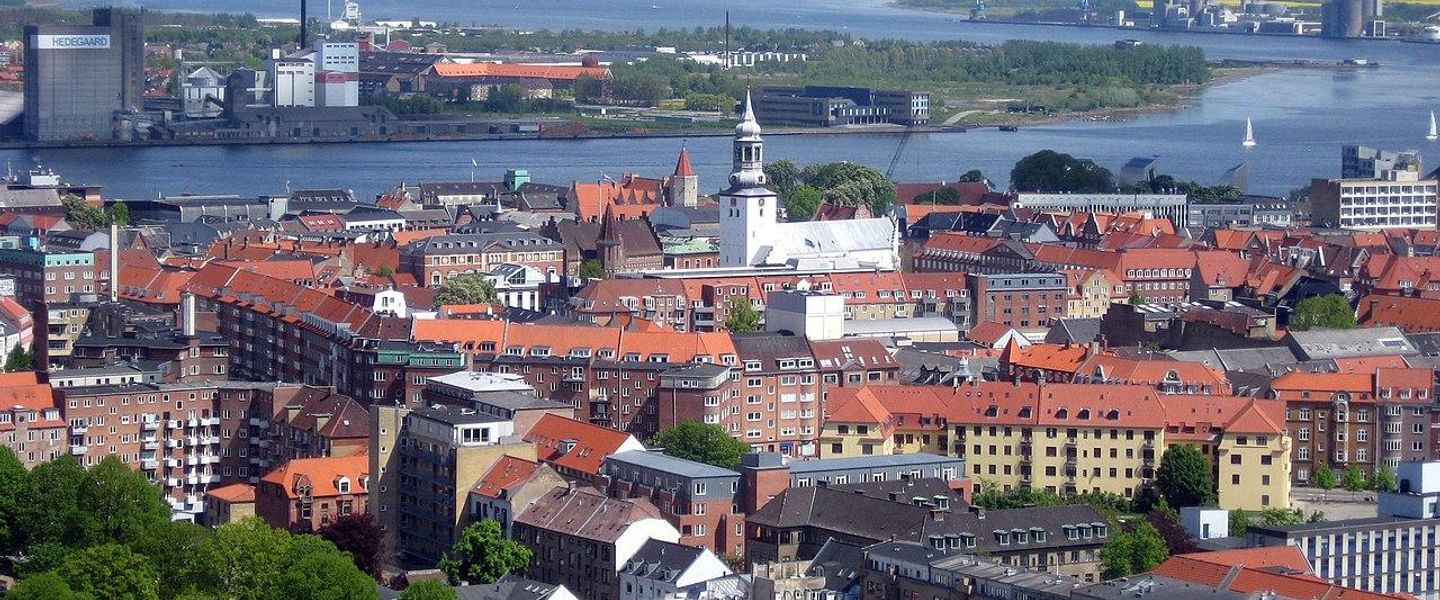


Explore North Jutland for Skagen’s sea meeting, Aalborg’s culture, Limfjord islands, windswept beaches and distinctive Danish coastal heritage.
Read more about North Jutland
When is the best time to visit North Jutland?
Best: June–August · 18–20°C| Month | High (°C) | Rainfall (mm) |
|---|---|---|
| January | 3 | 50 |
| February | 3 | 38 |
| March | 6 | 45 |
| April | 10 | 38 |
| May | 15 | 43 |
| June (best) | 18 | 53 |
| July (best) | 20 | 63 |
| August (best) | 19 | 69 |
| September | 17 | 58 |
| October | 12 | 68 |
| November | 8 | 58 |
| December | 4 | 54 |
Getting to and around North Jutland
How to get there
Transportation
Top city travel guides in North Jutland
The cities of North Jutland, and the easiest places to base yourself.
-
-
-

-

-


Swipe for more cities
Destinations in North Jutland
Resorts, valleys and scenic spots worth a trip of their own.
-

-

-

-

-

-


Swipe for more destinations
Best attractions in North Jutland
North Jutland’s attractions range from archaeological sites and urban museums to open landscapes shaped by wind, water and moving sand. In Aalborg, Lindholm Høje offers an unusually direct encounter with Viking-Age burial customs, while the city’s waterfront and cultural institutions reveal the modern life of the Limfjord. Skagen combines art museums, fishing heritage and the unusual natural setting of Grenen, where visitors can watch two seas meet. Along the west coast, beaches, dunes and holiday towns provide opportunities for walking, swimming in suitable conditions, surfing and cycling. Rubjerg Knude is a powerful example of coastal erosion, while Råbjerg Mile shows a dune in active movement. National Park Thy offers heath, plantation, lakes and North Sea scenery for hiking and wildlife observation. The Limfjord islands and shores add gentler landscapes, birdlife, sailing and geological interest, particularly around Mors. Historic houses, village churches, harbours, aquariums and family-oriented attractions broaden the choice, but many of the region’s most memorable experiences are found outdoors and depend on reading the landscape rather than following a single indoor itinerary.
-
Tourist attraction
Rubjerg Knude
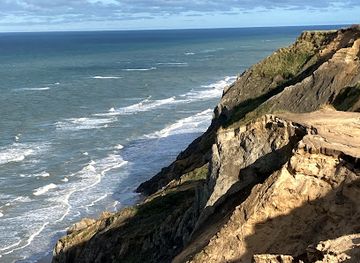
A solitary North Sea lighthouse in a shifting dune sea, rescued from the eroding cliff edge and offering one of Denmark’s most dramatic coastal panoramas.
-
War museum
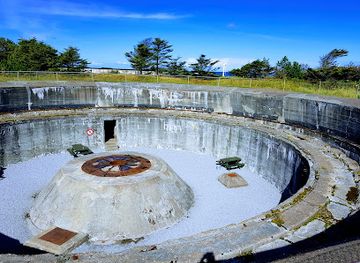
Hanstholm fortress
Northern Europe’s largest WWII coastal fortress, where colossal guns, concrete bunkers and wild North Sea dunes meet on the windswept edge of Denmark.
-
Tourist attraction
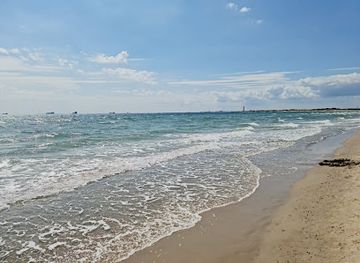
Grenen
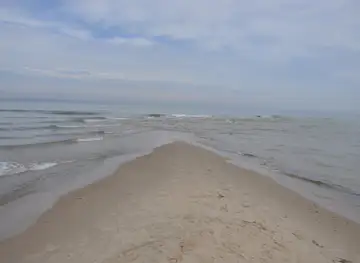
Walk to the narrow tip of Denmark’s sandy branch at Skagen, where Skagerrak and Kattegat collide in foaming waves and wild North Sea light.
-
Nature preserve
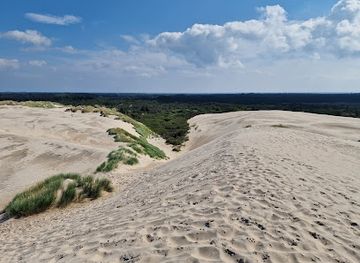
Råbjerg Mile
Northern Europe's largest migrating dune—a living desert where sand reshapes the landscape 15 meters each year.
Best landmarks in North Jutland
Grenen is North Jutland’s most recognisable natural landmark: the narrow, shifting headland north of Skagen marks the meeting of the Skagerrak and Kattegat, although currents make entering the water unsafe. Rubjerg Knude, with its lighthouse and eroding coastal setting, illustrates the force of wind and sea along the west coast. Råbjerg Mile is another defining landform, a vast migrating dune whose position changes gradually over time. In Aalborg, the whitewashed Church of Our Lady and the city’s historic streets represent older urban layers, while the waterfront conveys the city’s commercial transformation. Lindholm Høje is both a landmark and an archaeological landscape, marked by stone-set graves on a hillside overlooking the Limfjord. The limestone cliffs of Møns Klint are not in North Jutland and should not be confused with the region’s own geology; within North Jutland, Mors’s Hanklit and the cliffs around the Limfjord provide distinctive geological scenery. Voergaard Castle adds a major architectural landmark in Vendsyssel, with a history tied to aristocratic estates and its richly furnished interiors.
-
Nature preserve
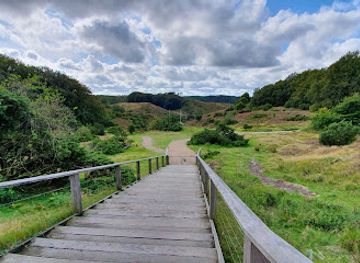
Rebild National Park
Denmark's historic heathland and forest wilderness where Danish-American heritage meets pristine nature.
-
Historical landmark
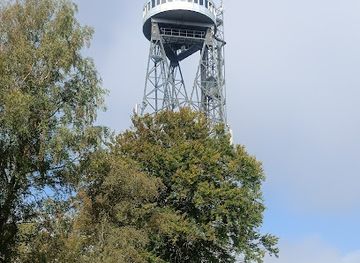
Aalborgtårnet
A slender 1930s steel tower on a wooded hilltop, Aalborgtårnet lifts you by outdoor elevator to Aalborg’s highest point for relaxed 360° city-and-fjord views.
-
Historical landmark
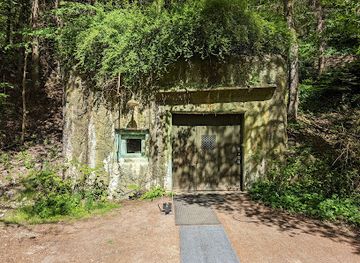
Koldkrigsmuseet REGAN Vest
Denmark's secret nuclear bunker—a perfectly preserved Cold War fortress buried 60 meters underground.
-
Castle
Aalborghus Castle
Renaissance fortress on the Limfjord where Danish history meets atmospheric dungeons and peaceful parkland.

Explore North Jutland on the map
Plan your trip on one map. See where the top cities, national parks and sights are, and book hotels and experiences in a few clicks.
Best hotels in North Jutland
Best restaurants in North Jutland
North Jutland’s food reflects its position between sea, fjord and farmland. Fish and shellfish are central in coastal towns, with herring, plaice, mussels and other seasonal catches appearing in harbour restaurants, cafés and traditional Danish kitchens. The Limfjord is particularly associated with oysters and mussels, although availability and menus vary with season and conditions. Inland and island cooking draws on potatoes, pork, dairy products, rye bread and vegetables from the surrounding farms. Aalborg offers the broadest choice, from contemporary Nordic cooking to bakeries, cafés and international restaurants, while Skagen, Læsø, Hirtshals and west-coast towns have strong seafood traditions. Local beer and the Aalborg-associated akvavit tradition provide regional drinks, though both are part of wider Danish food culture rather than exclusive North Jutland products. Farmers’ markets, farm shops and small food producers are useful places to find cheeses, preserves, smoked goods and seasonal produce.
-
Restaurant
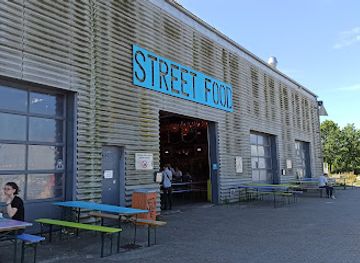
Aalborg Streetfood Køkkenfabrikken
Industrial-chic food hall by Aalborg’s harbor where global street kitchens, local ingredients and a lively, family-friendly vibe come together under one vast roof.
-
Seafood
Det Gamle Røgeri
Hanstholm's iconic smokehouse serving legendary smoked fish and fresh seafood in authentic Danish coastal tradition.
-
Italian
Il Ristorante Fellini
Federico Fellini–inspired Italian dining in central Aalborg, blending classic cucina italiana, a dedicated wine list and a romantic courtyard just off Vesterå.
-
 Restaurant
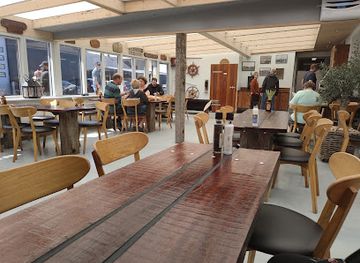
Rold Storkro
Classic Danish forest-side inn with panoramic valley views, indoor pool and mini-golf, set between Rold Skov and the heather-clad hills of Rebild Bakker.
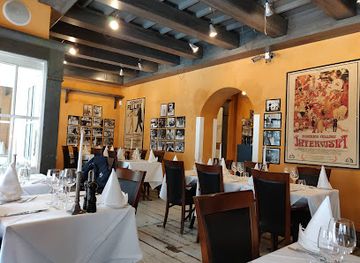
Best bars in North Jutland
Aalborg has North Jutland’s most developed evening scene, with a concentration of pubs, restaurants, bars, live-music venues and student-oriented nightlife around the central streets and waterfront. Its scale is lively without resembling Copenhagen’s much larger entertainment districts. In Skagen, Frederikshavn, Hjørring and the larger coastal resorts, evenings generally centre on restaurants, traditional Danish pubs, hotel bars, seasonal terraces and occasional live music rather than a large club circuit. Harbour towns may have an early evening atmosphere connected to dining and maritime life, while smaller villages and rural areas become quiet outside the summer season. Breweries and bars serve Danish beer, and akvavit may appear with traditional food, but drinking is not necessary to engage with local culture. Check current arrangements locally, particularly in beach resorts where venues and late-night activity can be highly seasonal.
-
Pub
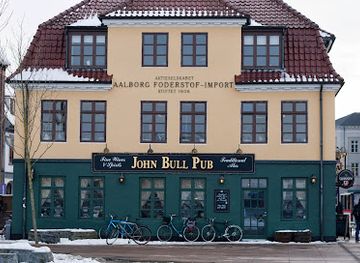
John Bull Pub Aalborg
Classic English-style pub in central Aalborg, pouring a huge range of beers and whiskies with live music, sports and a spacious terrace facing the Limfjord.
-
Irish pub
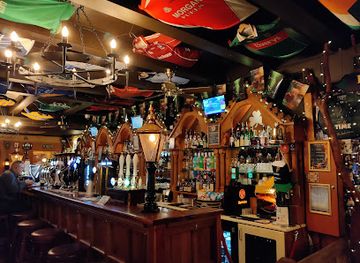
The Irish House
Lively Irish pub in central Aalborg with Guinness on tap, hearty comfort food, live music nights and sports on screen in a warmly lit, wood-paneled setting.
-
Irish pub
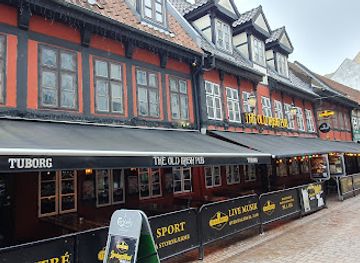
The Old Irish Pub
Aalborg's largest Irish pub and nightlife anchor, blending authentic hospitality with Nordic warmth on Denmark's most legendary party street.
-
Bar
Ølluminati Brewbar
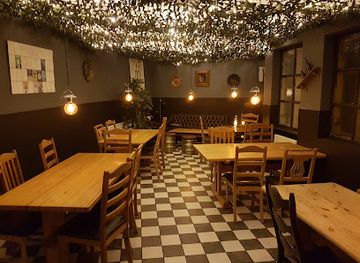
Cosy microbrewery bar in Viborg’s old town, serving inventive small-batch beers brewed just behind the counter in a warm, hygge-filled atmosphere.
Best nightclubs in North Jutland
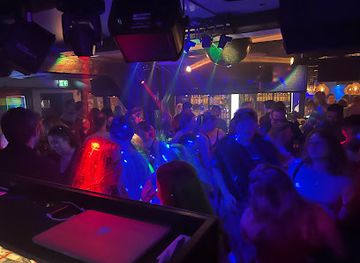
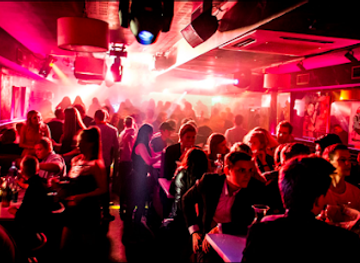
Aalborg has North Jutland’s most developed evening scene, with a concentration of pubs, restaurants, bars, live-music venues and student-oriented nightlife around the central streets and waterfront. Its scale is lively without resembling Copenhagen’s much larger entertainment districts. In Skagen, Frederikshavn, Hjørring and the larger coastal resorts, evenings generally centre on restaurants, traditional Danish pubs, hotel bars, seasonal terraces and occasional live music rather than a large club circuit. Harbour towns may have an early evening atmosphere connected to dining and maritime life, while smaller villages and rural areas become quiet outside the summer season. Breweries and bars serve Danish beer, and akvavit may appear with traditional food, but drinking is not necessary to engage with local culture. Check current arrangements locally, particularly in beach resorts where venues and late-night activity can be highly seasonal.
-
Bar
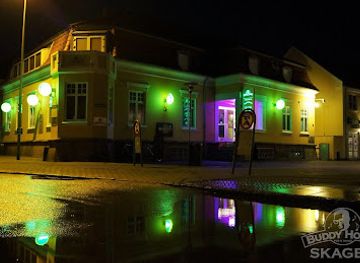
Buddy Holly Skagen
Three floors of rock ’n’ roll energy, harbour views and late-night dancing in the heart of Skagen’s compact seaside nightlife district.
-
Bar
CLUB MOONLIGHT Aalborgs dansested for voksne
Adult‑only dance bar in central Aalborg, mixing 80s, 90s, 00s and current hits with cocktails and late‑night energy in an intimate courtyard setting.
-
Disco club
Club Stygge
Compact, late-night Aalborg nightclub with loud party hits, simple cocktails and a tightly packed dance floor on bustling Vesterå.
-
Night club
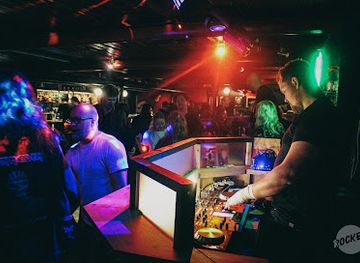
Rocken
Basement rock and metal stronghold on Aalborg’s waterfront, where late-night riffs, live bands and cold beers power the city’s hardest-hitting nightlife.
Best shops in North Jutland
Shopping in North Jutland varies from Aalborg’s established central streets and department-store retail to the independent shops, galleries and craft businesses of smaller towns. Aalborg provides the widest selection of fashion, design, books, food shops and everyday goods, while Skagen has a strong concentration of art galleries, homeware, coastal-themed design and locally made products. Market towns such as Hjørring and Sæby combine conventional high-street shopping with cafés, antiques and independent retailers. In coastal and rural districts, farm shops, fishmongers, bakeries and seasonal stalls are often more useful than large shopping centres for finding regional food. Consider purchasing smoked fish, preserves, local beer, ceramics, textiles or artwork rather than generic souvenirs. Læsø is known for distinctive local craft traditions, including seaweed thatching on historic buildings and island-made products, though availability varies. Farmers’ markets and small producers operate at different times of year, so confirm dates locally before making a special journey.
-
Shopping mall
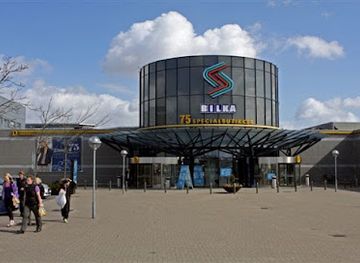
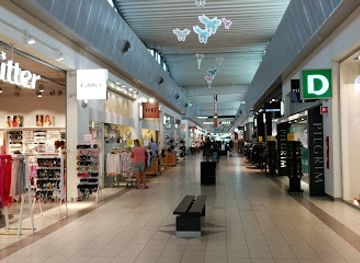
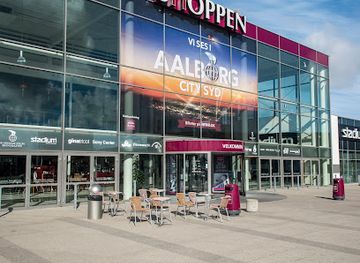
Aalborg Storcenter
North Jutland’s biggest indoor mall, blending Bilka, fashion, design and family-friendly experiences in a bright, all-weather shopping hub in Aalborg’s City Syd.
-
Shopping mall
Randers Storcenter
Large, fully indoor shopping hub in southern Randers with nearly 60 shops, a Bilka hypermarket, casual dining and 1,800 free parking spaces for all-day visits.
-
Store
Shoppen
Compact, family-friendly shopping and cinema under one roof in Aalborg City Syd, with easy parking, relaxed indoor ambience and a practical mix of everyday stores.
-
Shopping mall
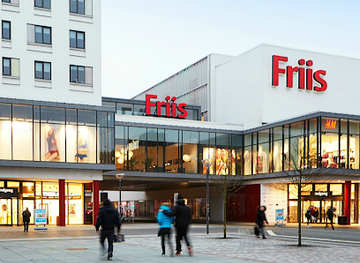
Friis Shopping Center
Contemporary city-centre mall in Aalborg, blending fashion, lifestyle, food spots and an easy car park in a bright, street-connected setting.
Get your free copy of our complete guide to North Jutland, delivered straight to you.
Everything on this page, from attractions and restaurants to essentials and local phrases, in one PDF you can read offline, print or share.
Already have an account? Sign in
Your North Jutland guide is ready.
We'll send it to · Not you? Sign out

Getting your guide ready…
We are putting together a fresh copy of the North Jutland guide. This can take up to a minute.
This can take a few moments. If your browser asks, choose Allow so the download can start. You'll find the guide in your Downloads folder.
Nothing happened? Download it again
Sorry, the guide is taking longer than usual. Please try again in a minute, or get it by email instead.
North Jutland essentials
Currency and Payment
Safety
Emergency Situations
Do's and Don'ts
Local Tips
From Eve
Local phrases worth knowing
You don't need to get them perfect. A few words go a long way, and locals appreciate the effort.
Basics
| English | Local | Say it |
|---|---|---|
| Hello | Hej | [hay] |
| Goodbye | Farvel | [fahr-vel] |
| Yes | Ja | [ya] |
| No | Nej | [nigh] |
| Please/You're welcome | Vær så venlig | [vair so ven-lee] |
| Thank you | Tak | [tahk] |
| Excuse me/Sorry | Undskyld | [oon-skyl] |
| How are you? | Hvordan har du det? | [vor-dan har do deh] |
| Fine. And you? | Fint. Og dig? | [feent. oh die?] |
| Do you speak English? | Taler du engelsk? | [tay-lar do engelsk?] |
| I don't understand | Jeg forstår ikke | [yai for-stor ig-ge] |
Eating & Drinking
| English | Local | Say it |
|---|---|---|
| I'd like to see the menu, please | Jeg vil gerne se menuen, tak | [yai vil gyen-se menu-en, tahk] |
| I don't eat meat | Jeg spiser ikke kød | [yai spi-ser ig-ge kurth] |
| Cheers! | Skål! | [skawl] |
| I would like to pay, please | Jeg vil gerne betale, tak | [yai vil gyen-be-tah-le, tahk] |
Emergencies
| English | Local | Say it |
|---|---|---|
| Help! | Hjælp! | [yelp] |
| Go away! | Gå væk! | [go vek] |
| Call the Police! | Ring til politiet! | [ring til po-li-teet] |
| Call a doctor! | Ring efter en læge! | [ring ef-ter en lay-eh] |
| I'm lost | Jeg er faret vild | [yai air fahr-et vil] |
| I'm ill | Jeg er syg | [yai air suig] |
Shopping
| English | Local | Say it |
|---|---|---|
| I'd like to buy... | Jeg vil gerne købe... | [yai vil gyen-kur-be...] |
| I'm just looking | Jeg kigger bare | [yai kee-ger bar-eh] |
| How much is it? | Hvor meget koster det? | [vor my-lah cost-er deh] |
| That's too expensive | Det er for dyrt | [deh air for dyert] |
| Can you lower the price? | Kan du sænke prisen? | [kan do sen-ke pree-sen?] |
Time & Numbers
| English | Local | Say it |
|---|---|---|
| What time is it? | Hvad tid er det? | [vad tid air deh] |
| It's one o'clock | Det er et klokke | [deh air et klok-ke] |
| Half past (10) | Halv efter (10) | [halv ef-ter (10)] |
| Morning | Morgen | [mor-ren] |
| Afternoon | Eftermiddag | [ef-ter-mi-dahg] |
| Evening | Aften | [af-ten] |
| Yesterday | I går | [ee gor] |
| Today | I dag | [ee day] |
| Tomorrow | I morgen | [ee mor-ren] |
| 1 | 1 | [1] |
| 2 | 2 | [2] |
| 3 | 3 | [3] |
| 4 | 4 | [4] |
| 5 | 5 | [5] |
| 6 | 6 | [6] |
| 7 | 7 | [7] |
| 8 | 8 | [8] |
| 9 | 9 | [9] |
| 10 | 10 | [10] |
Transport & Directions
| English | Local | Say it |
|---|---|---|
| Where's a/the...? | Hvor er en...? | [vor air en...?] |
| What's the address? | Hvad er adressen? | [vad air a-dres-sen?] |
| Can you show me (on the map)? | Kan du vise mig (på kortet)? | [kan do vee-se mai (po kort-et)?] |
| When's the next (bus)? | Hvornår går den næste (bus)? | [vor-nor gor den nes-te (bus)?] |
| A ticket (to ....) | En billet (til....) | [en bill-et (til....)] |
History of North Jutland
Stone Age Coastlines and Limfjord Settlements
North Jutland has been inhabited since the Stone Age, when changing sea levels, rich coastal waters and sheltered fjord shores supported fishing, hunting and later farming communities. Archaeological remains include shell middens, tools, burial monuments and settlements distributed across the Limfjord region and the northern peninsula. The landscape was not fixed: coastlines shifted, wetlands expanded and contracted, and waterways provided practical routes through the peninsula. These early patterns established a long relationship between North Jutland’s communities and its marine environment, a relationship that remains visible in the region’s fishing, farming and island cultures.
Viking-Age Lindholm Høje
The burial site at Lindholm Høje, north of Aalborg, is one of Denmark’s most important Viking-Age archaeological landscapes. Hundreds of stone-marked graves, many arranged in ship-like outlines, were used over several centuries before the site was covered by drifting sand. Its position near the Limfjord reflects the importance of waterways, trade and communication in the Viking period. Excavations have also revealed evidence of a settlement and craft activity. The site and its museum offer a direct view of the communities that occupied the region before Denmark became a consolidated medieval kingdom.
Medieval Markets, Churches and Fortifications
During the Middle Ages, North Jutland developed through market towns, agricultural estates, fishing communities and ecclesiastical institutions. Aalborg became an important trading centre on the Limfjord, linking inland production with routes across the peninsula and towards Norway. Churches in towns and villages, including the distinctive whitewashed rural churches of northern Denmark, record the spread and practical organisation of medieval Christianity. Castles and fortified residences such as Voergaard reflect the power of noble families and the Crown. The medieval economy depended on agriculture, livestock, herring fisheries and movement through the region’s waterways.
Aalborg, Trade and the Limfjord
From the early modern period into the nineteenth century, Aalborg’s position on the Limfjord supported trade in grain, livestock and manufactured goods. The city became especially associated with the production of akvavit, a clear spirit traditionally flavoured with botanicals, while its harbour connected North Jutland with other Danish ports and overseas markets. Towns on the coast and fjord developed their own maritime economies, though storms, silting and difficult navigation could restrict access. The region’s commercial history is still apparent in older warehouses, merchants’ houses, harbour districts and the continuing importance of the Limfjord as a transport and food-producing environment.
The Skagen Painters and Northern Light
In the late nineteenth century, Skagen attracted a group of Danish and Nordic artists drawn by its fishing community, unusual light and dramatic meeting of seas. The Skagen Painters, including P.S. Krøyer and Anna Ancher, portrayed domestic interiors, working people and coastal landscapes with a naturalistic style that differed from academic conventions. Their work helped establish Skagen as a significant artistic centre and shaped how the town is perceived internationally. Museums and preserved artists’ homes continue to connect the modern visitor with the social and artistic world of the colony, while Skagen remains a living fishing and tourism town rather than a museum settlement.
Industrialisation and the Modern Harbour
Railways, improved roads and expanding harbours transformed North Jutland during the nineteenth and twentieth centuries. Aalborg industrialised through shipping, food processing, textiles, cement and other manufacturing, while Frederikshavn and Hirtshals developed major maritime and ferry functions. New transport links connected farming districts and fishing ports with national and international markets. Industrial change brought urban growth and altered the Limfjord waterfront, but it also created working communities whose legacy survives in former factories, harbour structures and museums. In recent decades, parts of the region’s economy have shifted towards education, services, tourism, renewable energy and specialised maritime industries.
North Jutland in Photos
Browse through our photo collection highlighting the charm and character of the destination.
Neighbouring regions of North Jutland
The closest regions to North Jutland, if you have time for more than one.
-

-

-
-
-


Swipe for more regions

