Madum Lake Travel Guide
Free Guide: Crystal-clear forest lake in Rold Skov, combining sandy swimming coves, a scenic woodland loop and rich birdlife in a protected Danish nature sanctuary.


A brief summary of Madum Lake
Crystal-clear forest lake in Rold Skov, combining sandy swimming coves, a scenic woodland loop and rich birdlife in a protected Danish nature sanctuary.
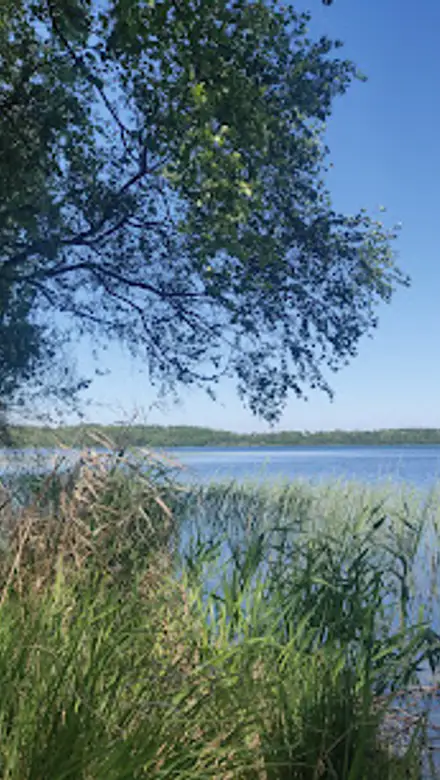
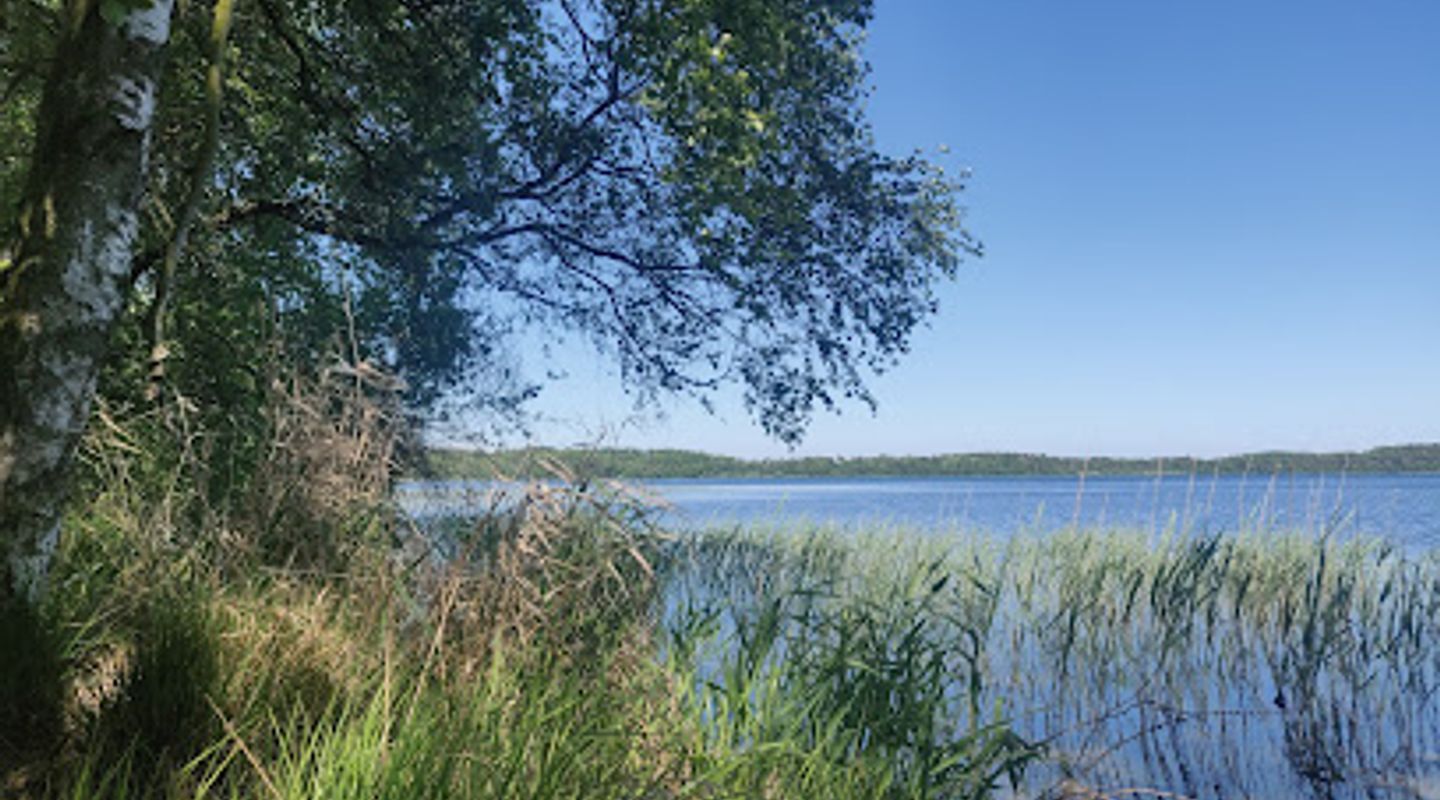
Madum Lake is the largest lake in the Himmerland peninsula of Jutland, tucked into the eastern edge of Rold Skov in Rebild Municipality. With exceptionally clear, acidic water, sandy bathing spots and surrounding pine and birch forest, it is both an important protected bird sanctuary and a beloved swimming and walking destination. A roughly 7 km marked trail loops through woodland and bogs, offering intimate views of reed-fringed shores, heather-clad clearings and the quiet, mirror-like surface of this Natura 2000 site.
On-site amenities
 Restrooms
 Drinking water
 Food options
 Seating areas
 Sheltered areas
 Picnic areas
 Trash bins
 Information boards
- Address
- Madum Lake
- Website
Getting there
Car from Aalborg
Regional train and taxi via Skørping
Bicycle from Skørping area
Discover more about Madum Lake
A clear-water lake in the heart of Himmerland
Madum Lake is the largest lake in the Himmerland peninsula of Jutland, a broad mirror of water set within the dense Rold Skov forest in Rebild Municipality. The lake covers just over two square kilometres, yet feels surprisingly intimate thanks to its gently curving shoreline, reed-fringed coves and low, forested banks. It is shallow by Nordic standards, with a maximum depth around 7.5 metres, which lets light penetrate deep into the water and highlights its famously clear, slightly tea-tinted hue.The lake likely began life as a glacial kettle hole left by retreating ice at the end of the last ice age. Over millennia, meltwater filled the hollow and forest gradually reclaimed the surrounding heathland. Today, birch and pine dominate the northern shore, while patches of heather, bog and mossy clearings hint at the landscape that once stretched across much of Himmerland.
Protected nature and rare aquatic life
Madum Lake forms part of a larger Natura 2000 protected area that links the lake, Rold Skov and the Lindenborg river valley. Its waters are classified as a Lobelia-lake, named after the delicate aquatic plant Lobelia dortmanna that thrives only in very clean, nutrient-poor conditions. This status signals unusually high water quality and a fragile ecosystem that reacts quickly to pollution or disturbance.Beneath the surface live pike and perch, important both to the natural food web and to the many birds that forage here. Public fishing and boating are restricted to safeguard wildlife and preserve the quiet atmosphere. On late summer days, visitors may notice subtle signs of ecological stress, such as localized algal blooms or expanding reed beds, reminders of how sensitive the lake is to nutrients from surrounding farmland and heavy seasonal use.
A vital sanctuary for birds
Madum Lake is internationally recognised as a bird sanctuary and is protected under European nature directives. The open water serves as an important resting site for goldeneye and tufted ducks, with mallards joining in smaller numbers during migration seasons. The combination of clear water, abundant fish and sheltered forested margins makes the lake especially attractive to waterfowl.In spring and autumn, ospreys can sometimes be seen hovering and diving for pike and perch, adding a touch of drama to otherwise tranquil scenes. Along the reed belts and quieter bays, great crested grebes, mute swans and coots find secure nesting sites. The surrounding forest contributes songbirds and woodpeckers, while the bogs and wet clearings to the east support their own communities of insects and amphibians.
Swimming coves and forest-loop walks
Despite its protected status, Madum Lake remains very much a place to be enjoyed. Its sandy, gently shelving shores provide excellent bathing, especially during warm summer months when locals head here to swim in the clear, cool water. The lack of motorboats and the relatively soft wave action make the lake feel safe and calm, with long, shallow stretches that suit cautious swimmers and families.A marked walking route, roughly seven kilometres long, circles the lake. The path undulates through conifer stands, airy birch groves and small open heaths, offering alternating views of open water and forest interior. Sections can be muddy after rain, lending a mildly adventurous feel without requiring technical skills. Benches and informal resting spots allow time to linger over reflections on the water or watch dragonflies patrolling the edge of the reeds.
Forests, bogs and estates around the shore
The land around Madum Lake is a patchwork of state-owned forest and privately held estates such as Lindenborg, Nørlund and Willestrup. This mix has shaped the landscape into a mosaic of production forest, semi-natural woodland and protected bog. To the east lies the Long Marsh, a sizeable, well-preserved bog reached by a signed trail from a parking area near the lake’s eastern shore. Here the scenery shifts from tall trees to open, spongy ground studded with cotton grass and dwarf shrubs.Although management objectives differ between owners, public access is secured along marked paths and the shoreline trail. The result is a feeling of deep immersion in nature, with only the occasional glimpse of forestry tracks hinting at human activity. The relative absence of built structures around the lake preserves long, continuous sightlines over water and woodland, reinforcing the sense of seclusion.
Experiencing Madum Lake with care
Visiting Madum Lake is as much about sound and atmosphere as about views. The soft lap of water on sand, wind moving through pine needles and the distant calls of birds create a naturally meditative backdrop. On still days, the lake can feel almost glassy, reflecting clouds and tree silhouettes with photographic clarity. Even during busier summer afternoons, it is usually possible to find quieter spots by walking a short distance along the shore.Because the lake is both fragile and highly protected, simple choices make a difference: remaining on marked paths, avoiding the disturbance of nesting areas and leaving the waterline and forest free of litter. With this light touch, Madum Lake offers a classic Danish nature experience: understated, serene and closely tied to the rhythms of the surrounding forest and wildlife.
Evendo Review Centre
 Google
Guest reviews
Best time to go
Quietest: Jan, Feb & Dec · before 7am or from 9pm
Busy times are Evendo estimates for a typical year, to help you plan. Actual crowds vary with events, school holidays and the weather.
Explore Madum Lake on the map
A handpicked selection of must-see spots near Madum Lake, mapped for you.
Get your free copy of our complete guide to Madum Lake, delivered straight to you.
Everything on this page, from opening hours and how to get there to Eve’s tips and the best time to go, in one PDF you can read offline, print or share.
Already have an account? Sign in
Your Madum Lake guide is ready.
We'll send it to · Not you? Sign out

Getting your guide ready…
We are putting together a fresh copy of the Madum Lake guide. This can take up to a minute.
This can take a few moments. If your browser asks, choose Allow so the download can start. You'll find the guide in your Downloads folder.
Nothing happened? Download it again
Sorry, the guide is taking longer than usual. Please try again in a minute, or get it by email instead.
Other nearby places you may find interesting
The closest places of the same kind, if this one is not quite what you had in mind.
-
-
-
-
-


Swipe for more places
More to explore near Madum Lake

 Best experiences near Madum Lake
 Best hotels near Madum Lake
 Best landmarks near Madum Lake
 Best attractions near Madum Lake
 Best shops near Madum Lake
 Best restaurants near Madum Lake
 Best bars near Madum Lake
Do you manage this location?
Take control to get all the benefits, like improved information, better appearance, and stronger visibility across AI-powered discovery.
Explore more
Explore more of North Jutland
Discover North Jutland: Denmark's northernmost region, renowned for its stunning coastlines, rich Viking history, vibrant culture, and outdoor adventures.
Explore North Jutland
Explore more of Denmark
Discover Denmark: A perfect blend of history, modern design, and the cozy concept of hygge. Explore vibrant cities, serene landscapes, and world-class cuisine.
Explore Denmark