Tudsehavet Travel Guide
Free Guide: A secluded forest lake tucked between dunes and pines near Ålbæk, Tudsehavet offers quiet trails, simple picnic spots and a tranquil pause in North Jutland’s wild sands.


A brief summary of Tudsehavet
A secluded forest lake tucked between dunes and pines near Ålbæk, Tudsehavet offers quiet trails, simple picnic spots and a tranquil pause in North Jutland’s wild sands.
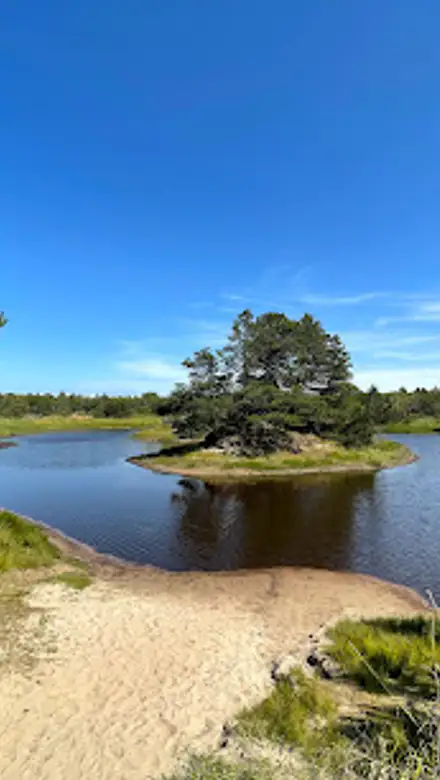
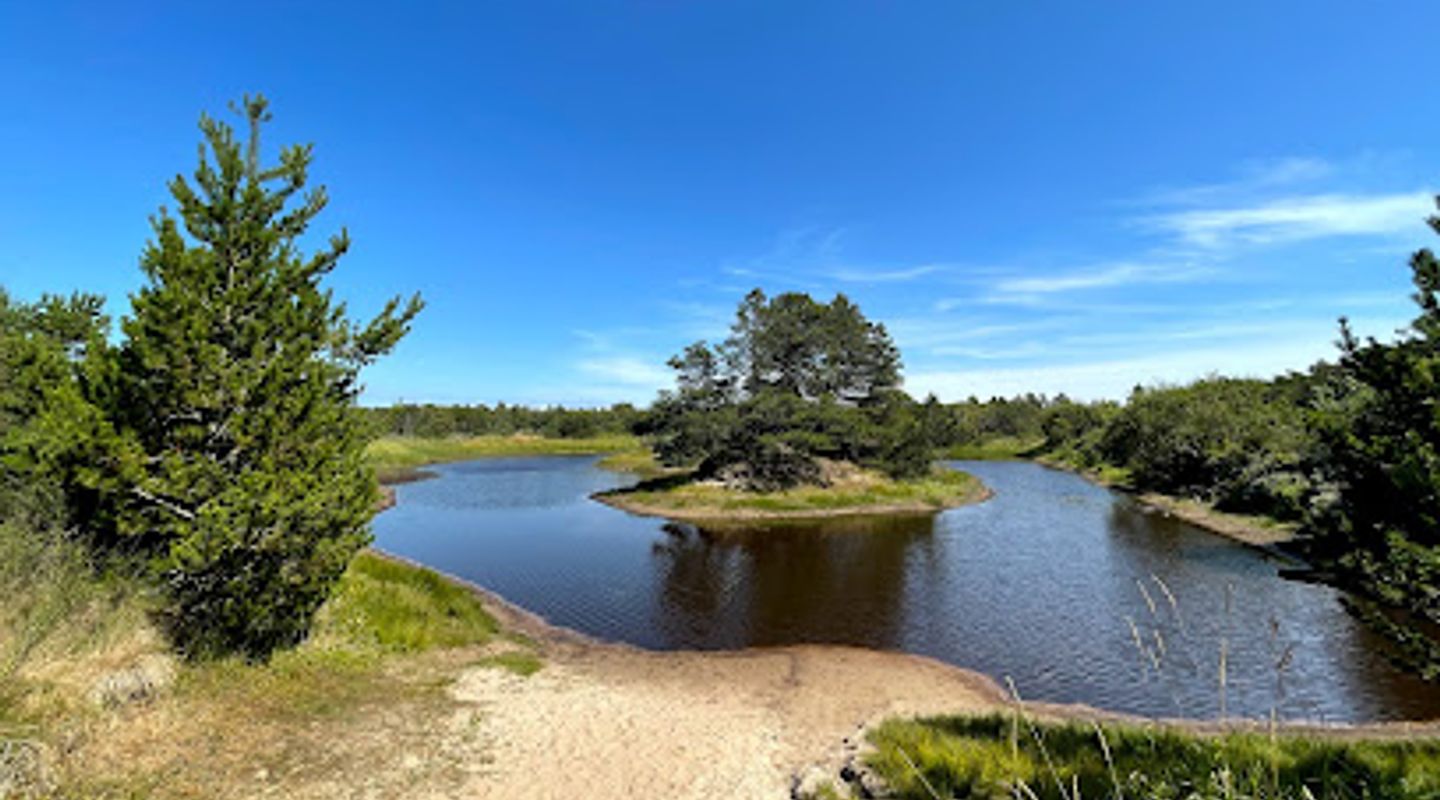
Hidden in the dunes and pine plantations south of Skagen, Tudsehavet is a tranquil forest lake near Ålbæk, carved out in the late 1800s and encircled by damp moss and reeds. Once dug to drain a natural bog, the 13‑hectare lake now lies in a quiet corner of Bunken Klitplantage, where shifting sands, heather, and conifers meet mirror‑still water. Simple paths, rustic picnic spots, and birdsong make this a peaceful pause on hikes linking Råbjerg Mile and the surrounding plantation.
On-site amenities
 Picnic areas
 Trash bins
 Information boards
 Restrooms
- Address
- Unnamed Road, 9982 Ålbæk
Getting there
Car from Ålbæk town
Car from Skagen area
Regional train and walking
Bicycle from nearby coast
Discover more about Tudsehavet
A quiet lake in the shadow of the dunes
Tudsehavet sits in a sheltered hollow of Bunken Klitplantage, a short distance inland from Ålbæk’s coast and the great wandering dune of Råbjerg Mile. Here the wind that scours the nearby sand hills softens into a breeze that barely ruffles the lake’s dark surface. Pines and birches close in around the shore, their reflections rippling with every passing gust.The water feels surprisingly secluded despite lying close to one of North Jutland’s most dramatic landscapes. Unmarked sandy tracks and forest paths lead in, and there is a gentle sense of arrival as the trees suddenly open and the lake reveals itself. On still days, sound carries clearly: the croak of frogs, the call of a jay, the distant murmur of traffic far beyond the plantation.
From drained bog to deep forest pool
Despite its natural appearance, Tudsehavet is the result of late‑19th‑century engineering. The lake was dug out to a considerable depth and shaped with three small islands, its basin intended to drain a wet bog that once stretched westward. That intervention dried much of the original mire, allowing reeds and dense vegetation to gradually take over.The name itself goes back further, evoking an older word for a wet, toad‑filled lowland rather than a formal lake. Today, the islands and steep banks still hint at its artificial origins, yet time and plant growth have blurred the edges. In dry, hot summers the water level can drop dramatically, sometimes leaving sections of the lakebed cracked and exposed, a reminder of the porous sandy ground beneath.
Life between reeds, moss and shallow margins
Walk close to the shore and the ground turns soft underfoot, with sphagnum patches, sedges and tangles of grass absorbing each step. Reedbeds fringe sections of the waterline, providing cover for waterfowl and a hunting ground for dragonflies that skim low over the surface. In spring and early summer, you may hear the resonant croak that inspired the lake’s name.The surrounding plantation mixes pine, birch and willow, with the occasional wind‑pruned spruce leaning out over the bank. In autumn, mushrooms push through the mossy floor and the air smells of resin and damp leaves. This is less a manicured park than a semi‑wild corner of production forest, where natural processes and forestry quietly intersect.
A gentle pause on longer dune hikes
For many visitors Tudsehavet is a welcome pause on a longer route through Bunken Klitplantage and the Råbjerg Mile area. Waymarked and informal trails thread the plantation; some cycling and hiking routes loop past the lake, turning it into a natural rest point. Simple picnic tables offer a place to unpack lunch, refuel, and watch light move across the water.The terrain around the lake is generally easy, with sandy and forest paths rather than steep climbs, though exposed tree roots and occasional muddy patches can require attention. The setting lends itself to slow exploration: skirting the shore, wandering short side paths, or simply sitting quietly to take in the layered greens of reeds, conifers and heather.
North Jutland’s shifting landscape all around
Tudsehavet also offers a subtle introduction to the larger story of North Jutland’s coastline. Just beyond the trees, moving sand dunes still creep inland, shaped by the same winds that once buried farms and fields. Nearby plantation belts were planted to tame that sand, and the lake’s dug‑out basin was part of a wider effort to regulate water and land.Standing here today, it feels far from those practical concerns. The modern plantation, remnants of bog, and manufactured lake have blended into a serene pocket of nature. Whether you arrive as a brief stop on a dune hike or as a destination in itself, Tudsehavet reveals a quieter, more intimate side of this famously windswept region.
Moments of stillness in every season
Each season brings a different character. In bright Scandinavian summer light, the water glows under high skies and the forest hums with insects. On overcast days, muted colours and drifting mist can lend the lake a hushed, almost secretive atmosphere. Even on breezy days when the dune tops roar, the hollow around Tudsehavet often keeps a surprising calm.It is this contrast that defines the experience: a modest forest lake that feels worlds away from nearby tourist bustle, yet remains firmly part of the changing coastal landscape. Spend a little unhurried time here and the details emerge—the rings of a rising fish, the rustle of reeds, and the soft thud of your own footsteps on the sandy path back into the trees.
Evendo Review Centre
 Google
Guest reviews
Best time to go
Quietest: Jan, Feb & Dec · before 8am or at 7pm
Busy times are Evendo estimates for a typical year, to help you plan. Actual crowds vary with events, school holidays and the weather.
Explore Tudsehavet on the map
A handpicked selection of must-see spots near Tudsehavet, mapped for you.
Get your free copy of our complete guide to Tudsehavet, delivered straight to you.
Everything on this page, from opening hours and how to get there to Eve’s tips and the best time to go, in one PDF you can read offline, print or share.
Already have an account? Sign in
Your Tudsehavet guide is ready.
We'll send it to · Not you? Sign out

Getting your guide ready…
We are putting together a fresh copy of the Tudsehavet guide. This can take up to a minute.
This can take a few moments. If your browser asks, choose Allow so the download can start. You'll find the guide in your Downloads folder.
Nothing happened? Download it again
Sorry, the guide is taking longer than usual. Please try again in a minute, or get it by email instead.
Other nearby places you may find interesting
The closest places of the same kind, if this one is not quite what you had in mind.
-
-
-
-
-


Swipe for more places
More to explore near Tudsehavet

 Best experiences near Tudsehavet

 Best hotels near Tudsehavet

 Best landmarks near Tudsehavet

 Best attractions near Tudsehavet

 Best shops near Tudsehavet

 Best restaurants near Tudsehavet

 Best bars near Tudsehavet
Do you manage this location?
Take control to get all the benefits, like improved information, better appearance, and stronger visibility across AI-powered discovery.
Explore more
Explore more of North Jutland
Discover North Jutland: Denmark's northernmost region, renowned for its stunning coastlines, rich Viking history, vibrant culture, and outdoor adventures.
Explore North Jutland
Explore more of Denmark
Discover Denmark: A perfect blend of history, modern design, and the cozy concept of hygge. Explore vibrant cities, serene landscapes, and world-class cuisine.
Explore Denmark