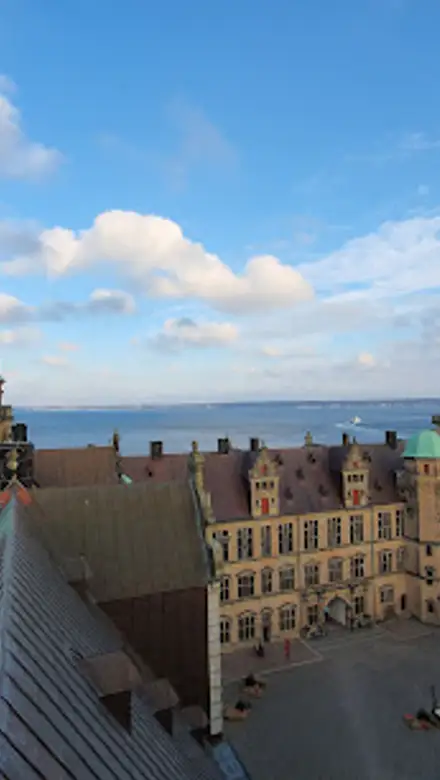
Kronborg Castle Travel Guide
Free Guide: UNESCO‑listed Renaissance fortress, Hamlet’s legendary Elsinore and guardian of the Øresund, Kronborg blends sea views, grand halls and shadowy casemates.


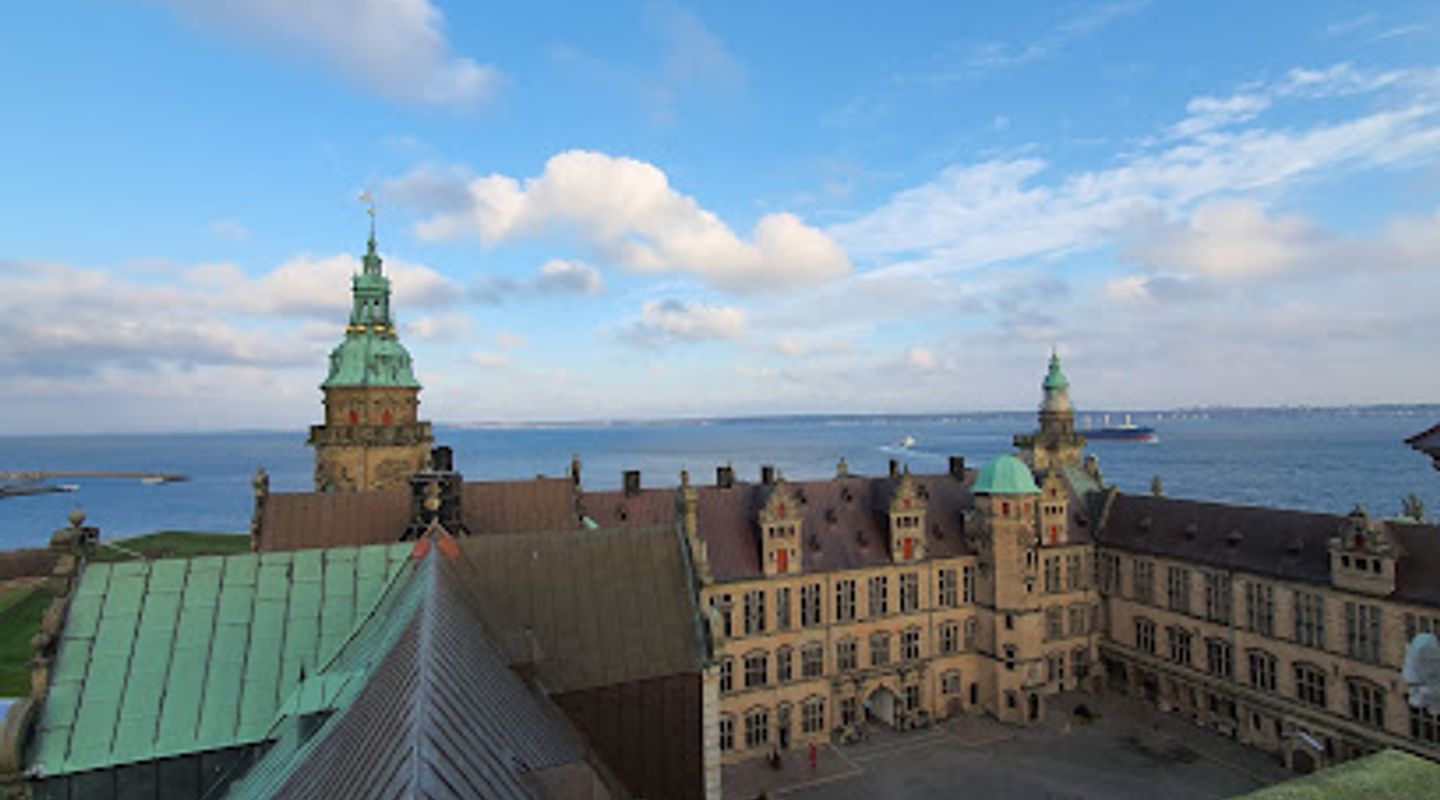
A brief summary of Kronborg Castle
UNESCO‑listed Renaissance fortress, Hamlet’s legendary Elsinore and guardian of the Øresund, Kronborg blends sea views, grand halls and shadowy casemates.
Rising above the narrow Øresund Strait at Helsingør, Kronborg Castle is a masterful Renaissance fortress and a UNESCO World Heritage Site, immortalised as Elsinore in Shakespeare’s Hamlet. Built on a 15th‑century stronghold and reshaped between 1574 and 1585 into a lavish royal residence, it combined strategic firepower with opulent halls, tapestries and copper roofs. Today you can roam its vast courtyard, grand ballroom, casemates and chapel, and look across to Sweden from the ramparts.
On-site amenities
 Restrooms
 Drink options
 Drinking water
 Food options
 Seating areas
 Sheltered areas
 Trash bins
 Information boards
 Visitor centre
Opening hours
- Every day10 am–6 pm
Opening hours as listed on the venue’s Google Business Profile. Hours can change for services and special events, so check with the venue before you go.
- Address
- Kronborg, 3000 Helsingør
- Phone
- Website
Getting there
Regional train from Copenhagen
Car from Greater Copenhagen
Ferry link from Helsingborg (Sweden)
Discover more about Kronborg Castle
Hamlet’s Castle on the Edge of the Øresund
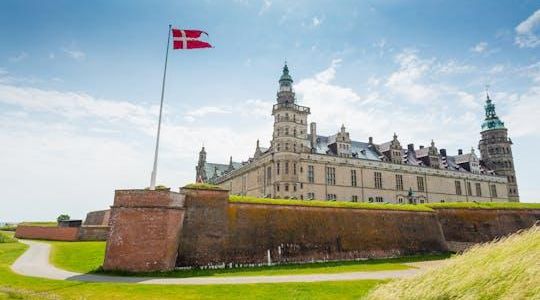
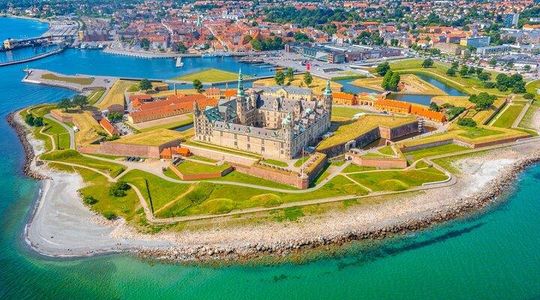
Kronborg Castle commands the very throat of the Øresund Strait, the narrowest point between Denmark and Sweden where ships once squeezed into the Baltic Sea. From this low headland at Helsingør, kings watched the maritime traffic that made the town one of Europe’s busiest ports, while the castle’s cannon batteries reminded captains to pay their tolls. The setting is still dramatic: thick ramparts and bastions encircle a compact island of stone and grass, and in clear weather Sweden feels almost within reach.The castle’s international fame comes from literature as much as from history. Under its English name, Elsinore, Kronborg is the backdrop to Shakespeare’s Hamlet, and theatre has become part of its identity. In summer, open‑air performances animate the courtyard, while references to the prince of Denmark echo through exhibitions and storytelling throughout the year.
From Medieval Stronghold to Renaissance Power Statement
The roots of Kronborg reach back to the 1420s, when King Eric of Pomerania built the fortress of Krogen to control shipping and levy the lucrative Sound Dues. The flow of money from passing vessels turned Helsingør into a cosmopolitan hub, with merchants, sailors and diplomats all passing beneath the guns. In the late 16th century Frederick II transformed this utilitarian stronghold into a gleaming Renaissance showpiece, finished around 1585.Built in bright sandstone with four wings around a vast cobbled courtyard, the redesigned castle advertised royal power. Horizontal bands and ornate gables, tall towers and slender spires rose above copper roofs. Inside, the royal apartments were decorated with rich woodwork and painted ceilings, and the chapel was fitted out with fine Renaissance furnishings that still survive, having escaped later disasters that damaged much of the interior.
Grand Halls, Tapestries and Tower Views
The heart of the castle is the Great Hall, one of the largest banqueting spaces in Northern Europe. Here royal feasts, diplomatic receptions and theatrical entertainments once unfolded under painted beams and glittering candelabras. Today the long room remains strikingly bare and monumental, its length emphasised by polished floors and a rhythmic procession of windows giving glimpses of sea and sky.Elsewhere in the state apartments, historical tapestries and reconstructed decoration evoke a courtly world of alliances, rivalries and pageantry. Stairways lead up to the Cannon Tower, where a spiral ascent rewards you with wide views over the sound, the town’s red roofs and the geometric lines of bastions and moats below. Looking outward, it is easy to imagine watchful sentries scanning the horizon for sails or hostile fleets.
Casemates, Legends and Life Under Siege
Beneath the refined upper levels, Kronborg’s personality darkens in the casemates, a warren of low, brick‑vaulted passages and chambers designed to shelter soldiers during siege. Built to withstand bombardment and supply a garrison for weeks, they once contained storerooms, a forge and even stables. Today they are dim and atmospheric, lit only sparsely so that your eyes adjust slowly to the gloom and the echo of footsteps feels amplified.It is here that you meet Holger Danske, Holger the Dane, the legendary sleeping hero of Denmark. Seated in stone, sword resting at his side, he is said to wake only if the kingdom faces mortal danger. The statue anchors centuries of folklore in a single, memorable image and offers a mythic counterpoint to Hamlet’s introspective drama playing out above.
UNESCO Recognition and Living Cultural Stage
Kronborg’s exceptional state of preservation, its blend of Renaissance palace and military architecture, and its role in Nordic and maritime history earned it a place on the UNESCO World Heritage List in 2000. The inscription also protects key sightlines across the water and between castle and town, preserving the relationship between fortress, harbour and shipping channel that shaped its story.The castle functions today as both museum and performance venue. Exhibitions explore themes from royal ceremony and maritime tolls to the daily routines of soldiers and servants. Seasonal events range from family activities in the courtyard to the annual Shakespeare festival, when international companies stage plays with the sandstone walls as a towering backdrop. Even outside these occasions, wandering the ramparts and courtyards offers a powerful sense of how this compact promontory concentrated wealth, culture and political power for centuries.
Evendo Review Centre
 Google
Guest reviews
Best time to go
Quietest: Jan, Feb & Mar · before 7am or from 10pm
Busy times are Evendo estimates for a typical year, to help you plan. Actual crowds vary with events, school holidays and the weather.
Explore Kronborg Castle on the map
A handpicked selection of must-see spots near Kronborg Castle, mapped for you.
Get your free copy of our complete guide to Kronborg Castle, delivered straight to you.
Everything on this page, from opening hours and how to get there to Eve’s tips and the best time to go, in one PDF you can read offline, print or share.
Already have an account? Sign in
Your Kronborg Castle guide is ready.
We'll send it to · Not you? Sign out

Getting your guide ready…
We are putting together a fresh copy of the Kronborg Castle guide. This can take up to a minute.
This can take a few moments. If your browser asks, choose Allow so the download can start. You'll find the guide in your Downloads folder.
Nothing happened? Download it again
Sorry, the guide is taking longer than usual. Please try again in a minute, or get it by email instead.
Unlock the best of Kronborg Castle
Skip-the-line tickets, guided tours with entry, and walking tours of the area, booked in a few clicks.




Other nearby places you may find interesting
The closest places of the same kind, if this one is not quite what you had in mind.
-
Frederikssund Viking Village Open‑air Viking village and legendary summer saga play on the shores of Roskilde Fjord, where costumed warriors, longhouses and Norse myths come vividly to life.
-
Gummistranden Compact urban beach on Helsingør’s waterfront, with Kronborg Castle on the horizon, easy promenade access and big Øresund views just minutes from the town centre.
-
Esrum Kloster & Møllegård A 12th-century Cistercian abbey turned cultural hub, where red-brick history, herb gardens and North Zealand’s gentle landscapes meet around Esrum Lake.
-
Island of imagination A quiet royal ruin on a forested lake, where fragments of a 19th‑century retreat invite you to weave Nordic myths, royal tales and your own stories together.
-
Udsigtsplateau A modest wooden platform with a million‑kroner view over Øresund, Kronborg’s silhouette and the Swedish coast, perfect for a quiet coastal pause in Helsingør.
Swipe for more places
More to explore near Kronborg Castle

 Best experiences near Kronborg Castle
 Best hotels near Kronborg Castle
 Best landmarks near Kronborg Castle
 Best attractions near Kronborg Castle
 Best shops near Kronborg Castle
 Best restaurants near Kronborg Castle
 Best bars near Kronborg Castle
Do you manage this location?
Take control to get all the benefits, like improved information, better appearance, and stronger visibility across AI-powered discovery.
Explore more

Explore more of North Zealand
Explore North Zealand, Denmark's enchanting region of castles, beaches, and royal estates, perfect for history buffs, nature enthusiasts, and seaside lovers.
Explore North Zealand
Explore more of Denmark
Discover Denmark: A perfect blend of history, modern design, and the cozy concept of hygge. Explore vibrant cities, serene landscapes, and world-class cuisine.
Explore Denmark