
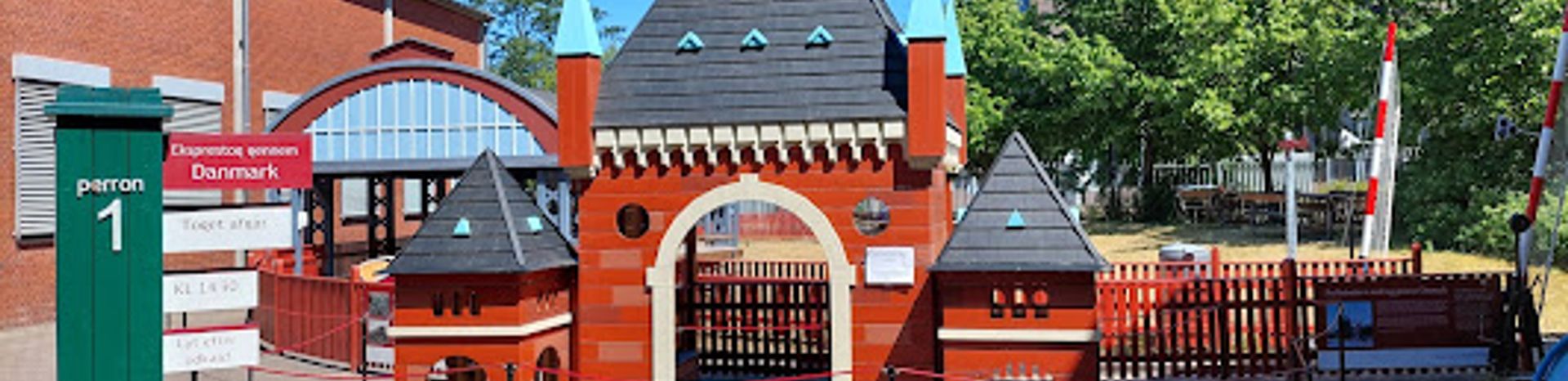
Danmarks Jernbanemuseum (The Danish Railway Museum), Odense
Step into a 1950s engine shed filled with historic trains, interactive exhibits and family-friendly play spaces that bring 175 years of Danish railway history to life.
Danmarks Jernbanemuseum in central Odense is Denmark’s national railway museum, housed in a vast 1950s roundhouse beside the main station. Inside, 21 tracks are lined with historic locomotives and carriages, from Denmark’s oldest preserved steam engine H40 (1868) to royal saloon cars, post wagons and everyday commuter stock. Hands-on exhibits, model railways, a mini train, children’s station and playground make this an immersive, family-friendly journey through 175+ years of Danish rail history.
A brief summary to Danmarks Jernbanemuseum
- Dannebrogsgade 24, Odense, Odense C, 5000, DK
- Click to display
- Click to display
- Duration: 2 to 4 hours
- Mid ranged
-
 Mixed
Mixed
- Mobile reception: 5 out of 5
- Monday 9 am-5 pm
- Tuesday 9 am-5 pm
- Wednesday 9 am-5 pm
- Thursday 9 am-5 pm
- Friday 9 am-5 pm
- Saturday 9 am-5 pm
- Sunday 9 am-5 pm

Know before you go
Hi, I'm Eve. Here are a few practical things to know before exploring Danmarks Jernbanemuseum.
- Plan at least 2–3 hours to explore both the main hall and children’s areas; rail enthusiasts may prefer a half day to examine locomotives and models in detail.
- Check the museum’s activity program in advance for veteran train running days and seasonal events, as rides on historic trains are only offered on selected dates.
- Consider visiting in the morning on weekdays for a calmer atmosphere, especially if you want uncluttered photos of locomotives and carriages.
- Families with young children should bring suitable outdoor clothing so kids can fully enjoy the playground and outdoor locomotive, even in cooler weather.
- Use the museum map at the entrance to identify must-see pieces like the H40 locomotive and royal coaches so you do not miss key highlights.
Do you manage this location?
Take control to get all the benefits, like improved information, better appearance, and stronger visibility across AI-powered discovery. Learn more
Activate your presenceOther nearby places you may find interesting

Getting There
-
Regional train to Odense Station
From major Danish cities such as Copenhagen or Aarhus, take a regional or InterCity train to Odense Station, with typical journey times of about 1–1.5 hours from Copenhagen and 1.5–2 hours from Aarhus. Trains run frequently throughout the day, and a standard adult single ticket from Copenhagen usually costs around 220–320 DKK in standard class, depending on time and fare type. Odense’s central station is directly beside Danmarks Jernbanemuseum, giving level, step-free access suitable for most visitors.
-
Local city bus within Odense
If you are staying elsewhere in Odense, use the city’s local bus network and travel to the stops serving Odense Station, which is adjacent to the museum. Travel times from most central districts are around 10–20 minutes, with buses generally running every 10–20 minutes in daytime. A single adult ticket typically costs around 24–30 DKK when bought via ticket machines or mobile apps. Buses and the area around the station offer kerb-level access, but wheelchair users should check specific low-floor bus routes in advance.
-
Taxi or rideshare within Odense
For a direct and comfortable option from hotels or residential areas in Odense, taxis usually reach Danmarks Jernbanemuseum in 5–15 minutes from most of the city. Daytime fares within the city commonly range from about 80–200 DKK depending on distance and traffic, with supplements in evenings and weekends. Taxis can drop passengers close to the entrance, which is convenient for families with strollers and visitors with limited mobility.
-
Bicycle from Odense city districts
Odense is one of Denmark’s most cycle-friendly cities, and many visitors choose to arrive by bike using the network of marked cycle lanes leading toward the central station area. Cycling from inner-city districts typically takes 5–15 minutes at a relaxed pace. You can bring your own bicycle or use local bike rental services, which often cost in the range of 100–200 DKK per day. The terrain is generally flat, but riders should be comfortable in urban traffic, especially at busy times.
For the on-the-go comforts that matter to you
-
 Restrooms
-
 Drink Options
-
 Drinking Water
-
 Food Options
-
 Seating Areas
-
 Sheltered Areas
-
 Trash Bins
-
 Information Boards
-
 Visitor Center
Discover more about Danmarks Jernbanemuseum
Steel, Steam and Stories in the Heart of Odense
Step through the doors of Danmarks Jernbanemuseum and into a cathedral-like railway hall, where 21 tracks disappear beneath soaring steel trusses. This former 1954 engine shed now shelters an unparalleled collection of Danish locomotives and carriages, ranging from chunky diesel workhorses to gleaming steam engines and elegant teak coaches. The atmosphere is part industrial monument, part time capsule, with the faint smell of oil and metal echoing the heyday of rail.The museum traces Danish railway history from the opening of the first line in 1847 through the age of steam, dieselization and today’s drive toward greener transport. Carefully curated displays explain how railways reshaped daily life, knitting together towns, islands and industries across the country. Interpretive panels, photographs and period objects bring to life the people who built, drove and depended on the network.Iconic Locomotives and Royal Luxury
Among the most arresting exhibits is H40, Denmark’s oldest preserved steam locomotive, dating from 1868. Polished brass details and towering driving wheels hint at the engineering ambition of the 19th century, while nearby engines show how power and efficiency evolved over time. You can step up to many footplates, peer into fireboxes and imagine the heat and noise of a working cab.Equally compelling are the historic carriages. Simple third-class compartments with hard wooden benches contrast sharply with the plush fabrics and polished woodwork of royal saloon coaches, which reveal how Denmark’s monarchs once travelled the rails. Postal wagons, sleeping cars and luggage vans complete a rich portrait of life on board, from sending letters overnight to crossing the country in relative comfort.Hands-On Fun for Curious Children
Danmarks Jernbanemuseum has devoted significant space to younger visitors, transforming railway themes into imaginative play. A dedicated children’s station recreates a busy terminal at child height, complete with ticket windows, a control tower and miniature platforms where kids can role-play passengers, porters and station staff.Workbenches invite small hands to tinker, build and experiment, while upstairs areas host additional play zones and activity corners. Outside, a playground extends the experience into the open air, with a full-sized steam locomotive to climb and a slide built into a make-believe water tower. It is easy for families to spend hours moving between serious exhibits and pure play.Mini Trains, Model Worlds and Veteran Rides
Beyond the full-sized rolling stock, the museum celebrates the fascination of small-scale rail. Intricate model railways depict Danish landscapes in miniature, with trains threading past stations, bridges and docks. Interactive buttons set locomotives in motion, captivating both enthusiasts and casual visitors.On selected days, the museum’s own outdoor tracks come alive with veteran train operations. Heritage motor coaches or steam-hauled trains depart from a platform on the grounds, offering atmospheric short rides with clouds of steam, the smell of coal and the evocative rhythm of steel wheels. A separate mini train winds through a child-sized cultural landscape, giving younger visitors their own taste of travel.Green Attraction and Practical Comforts
Danmarks Jernbanemuseum holds a Green Attraction environmental certification, reflecting active work with energy use, waste sorting and sustainable purchasing. Signage highlights these efforts and encourages visitors to think about the railway’s role in future low-carbon transport. It is a fitting theme in a museum dedicated to the long journey from black coal to greener mobility.The location beside Odense’s central station makes a visit straightforward, with clear wayfinding, level access to the main hall and facilities such as restrooms, a small café or kiosk for drinks and snacks, seating areas and information points. Most exhibitions are indoors, making the museum a reliable all-weather choice, while the outdoor yard and playground shine on dry, mild days. Allow at least two to three hours to explore without rushing.Explore the best of what Danmarks Jernbanemuseum has to offer













More about Funen
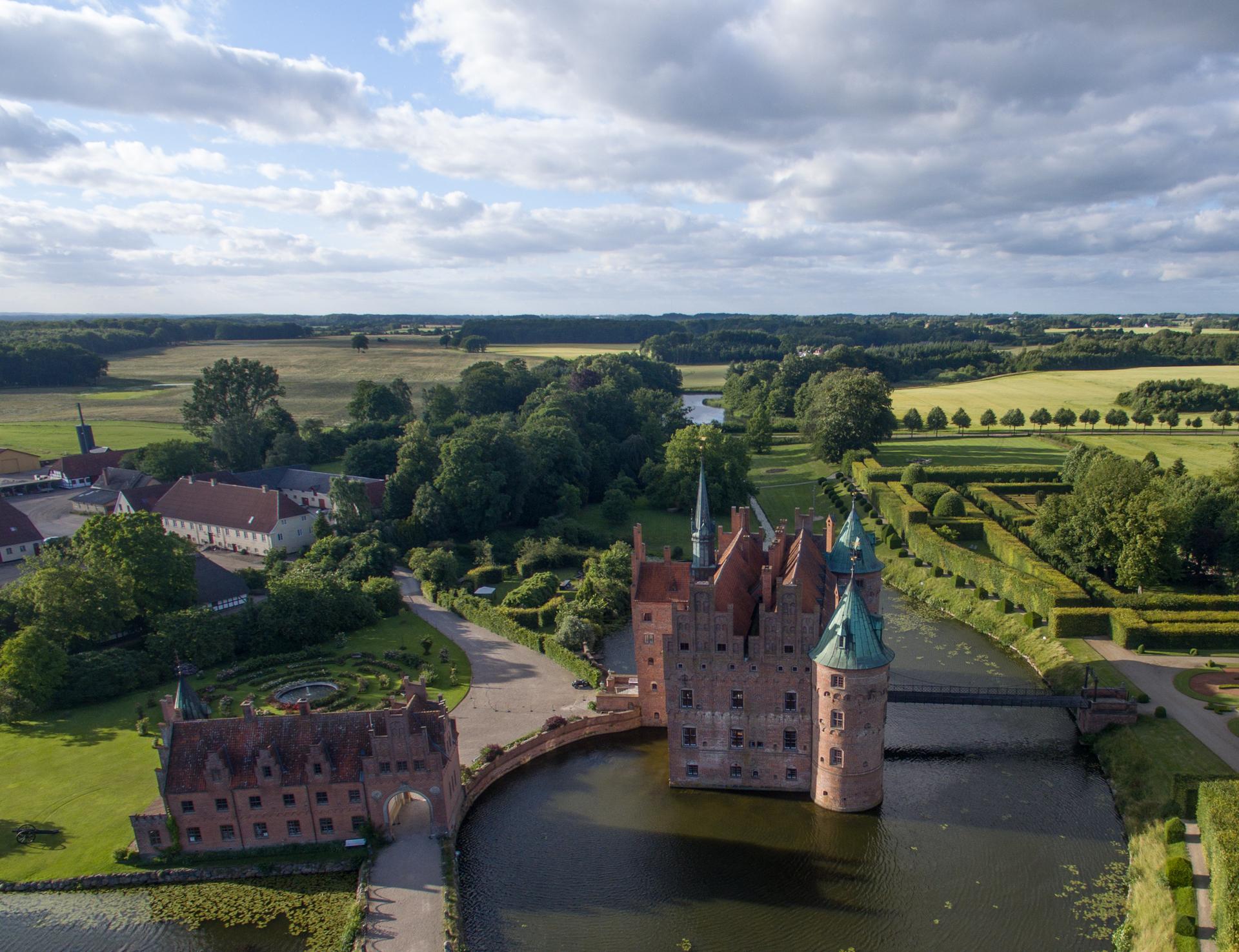
Discover Funen, Denmark's lush island treasure, where fairy tales come to life amidst scenic landscapes, historic castles, and vibrant cultural heritage.
Tell me more about Funen
Cobblestoned Blackfriars Square blends medieval streets, colourful timber houses and a bustling twice‑weekly market in the historic heart of Hans Christian Andersen’s Odense.

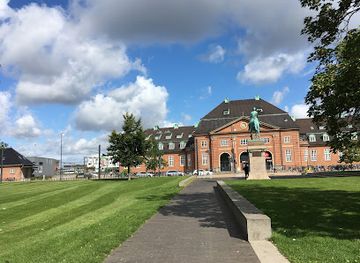
A busy railway forecourt where commuters, cyclists and an eight‑metre Hans Christian Andersen–inspired sculpture share the same lively urban stage.
