Oceania, Odense Travel Guide
Free Guide: A bold, reclining bronze goddess that provokes, delights, and defines Odense's artistic identity.


A brief summary of Oceania
A bold, reclining bronze goddess that provokes, delights, and defines Odense's artistic identity.
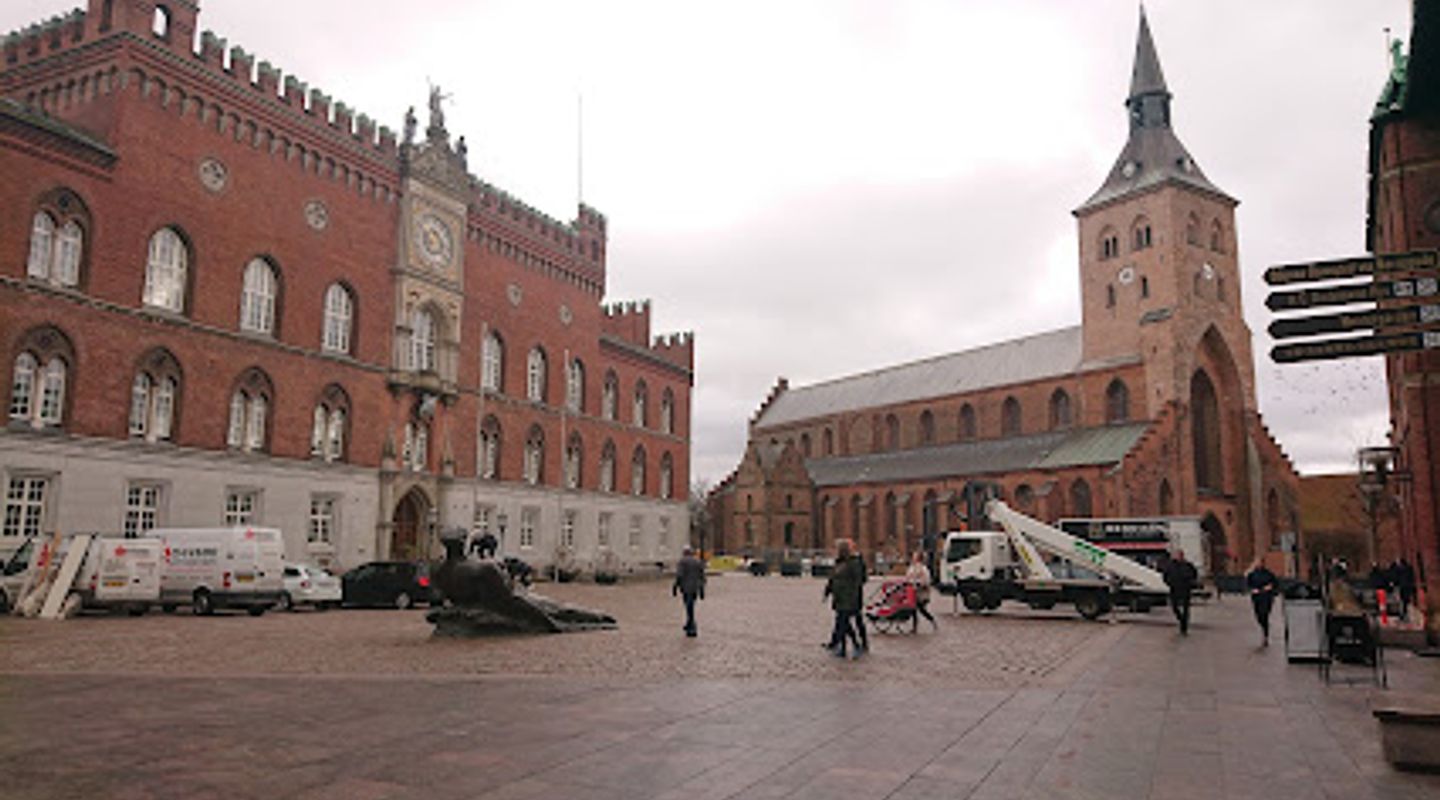
A striking bronze sculpture of the sea goddess Oceania reclines on Flakhaven, Odense's central square. Created by Danish artist Svend Wiig Hansen and installed in 1992, this provocative work features a classical face, seal-flipper feet, and a muscular form that has sparked both admiration and debate among locals and visitors. Children delight in using the sculpture as a climbing and sliding structure, while its bold, unapologetic presence makes it one of Odense's most talked-about artworks.
On-site amenities
 Seating areas
 Information boards
 Restrooms
 Food options
 Drink options
Opening hours
- Every dayOpen 24 hours
Opening hours as listed on the venue’s Google Business Profile. Hours can change for services and special events, so check with the venue before you go.
- Address
- Flakhaven, 5000 Odense
- Website
Getting there
Walking from Odense Train Station
Cycling from Central Odense
Local Bus Service
Parking by Car
Discover more about Oceania
A Controversial Icon of Modern Danish Sculpture
Oceania stands as one of Odense's most debated and discussed artworks since its installation in June 1992. This monumental bronze sculpture depicts the sea goddess in a reclining pose, rendered with anatomical boldness and classical refinement. The figure combines mythological grandeur with contemporary artistic vision, featuring a serene classical face, distinctive seal-flipper feet, and a powerfully sculpted form that commands attention on Flakhaven, the city's main square adjacent to City Hall and Odense Cathedral.The sculpture was gifted to Odense by The Odense City Art Foundation and Asea Brown Boveri A/S, representing a significant investment in public art. Its arrival sparked immediate and enduring conversation—some residents and visitors celebrate it as a masterwork of modern sculpture, while others find its naked, unapologetic presentation provocative or aesthetically challenging. This polarized reception has become part of the sculpture's cultural significance, making it far more than a simple public artwork.
The Artist Behind the Vision
Svend Wiig Hansen (1922–1997) was a central figure in post-war Danish art and a graduate of the Copenhagen Art Academy (1950). Throughout his career, Hansen persistently explored themes of human form and relationships in both painting and sculpture, creating works that challenged conventional aesthetics. His sculptures are represented in museums and public spaces across Denmark and internationally. Oceania exemplifies Hansen's commitment to bold, figurative expression and his willingness to provoke thought and emotion through large-scale public works.
A Playground for Children, A Landmark for Visitors
Despite—or perhaps because of—its controversial nature, Oceania has become a beloved landmark for Odense's youngest residents. Children show no hesitation in climbing, sliding, and playing on the sculpture, treating it as an interactive public artwork rather than a distant monument. This playful engagement has transformed Oceania into a living, dynamic part of the city's public realm. Tourists frequently pause to photograph the sculpture and debate its gender presentation and meaning, making it an essential stop on any walking tour of central Odense.
Setting and Surroundings
Located on Flakhaven, the sculpture sits in the heart of Odense's historic center, surrounded by significant landmarks including City Hall and the adjacent cathedral. The square itself is a gathering place and transit hub, ensuring that Oceania remains visible and accessible to both residents and visitors. The sculpture's prominent placement amplifies its cultural impact and ensures it cannot be ignored or overlooked in discussions of contemporary Danish public art.
Evendo Review Centre
 Google
Guest reviews
Best time to go
Quietest: Jan, Feb & Dec · before 6am or at 10pm
Busy times are Evendo estimates for a typical year, to help you plan. Actual crowds vary with events, school holidays and the weather.
Explore Oceania on the map
A handpicked selection of must-see spots near Oceania, mapped for you.
Get your free copy of our complete guide to Oceania, delivered straight to you.
Everything on this page, from opening hours and how to get there to Eve’s tips and the best time to go, in one PDF you can read offline, print or share.
Already have an account? Sign in
Your Oceania guide is ready.
We'll send it to · Not you? Sign out

Getting your guide ready…
We are putting together a fresh copy of the Oceania guide. This can take up to a minute.
This can take a few moments. If your browser asks, choose Allow so the download can start. You'll find the guide in your Downloads folder.
Nothing happened? Download it again
Sorry, the guide is taking longer than usual. Please try again in a minute, or get it by email instead.
Other nearby places you may find interesting
The closest places of the same kind, if this one is not quite what you had in mind.
-
-
-
-
-


Swipe for more places
More to explore near Oceania

 Best experiences near Oceania
 Best hotels near Oceania
 Best landmarks near Oceania
 Best attractions near Oceania
 Best shops near Oceania
 Best restaurants near Oceania
 Best bars near Oceania
Do you manage this location?
Take control to get all the benefits, like improved information, better appearance, and stronger visibility across AI-powered discovery.
Explore more

Explore more of Odense
Discover Odense, Denmark's enchanting city where fairy tales come to life amidst historic streets, vibrant culture, and scenic beauty.
Explore Odense
Explore more of Denmark
Discover Denmark: A perfect blend of history, modern design, and the cozy concept of hygge. Explore vibrant cities, serene landscapes, and world-class cuisine.
Explore Denmark