Odense Castle, Odense Travel Guide
A quietly elegant former royal residence anchoring Odense’s King’s Garden, offering calm park views, restrained classical architecture and a glimpse of civic history.
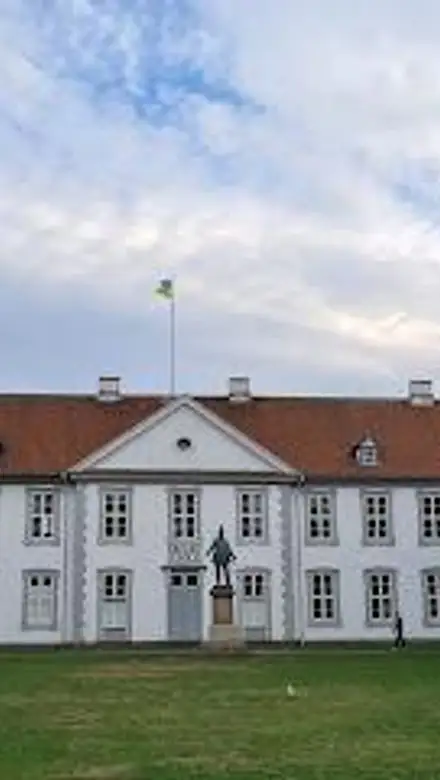
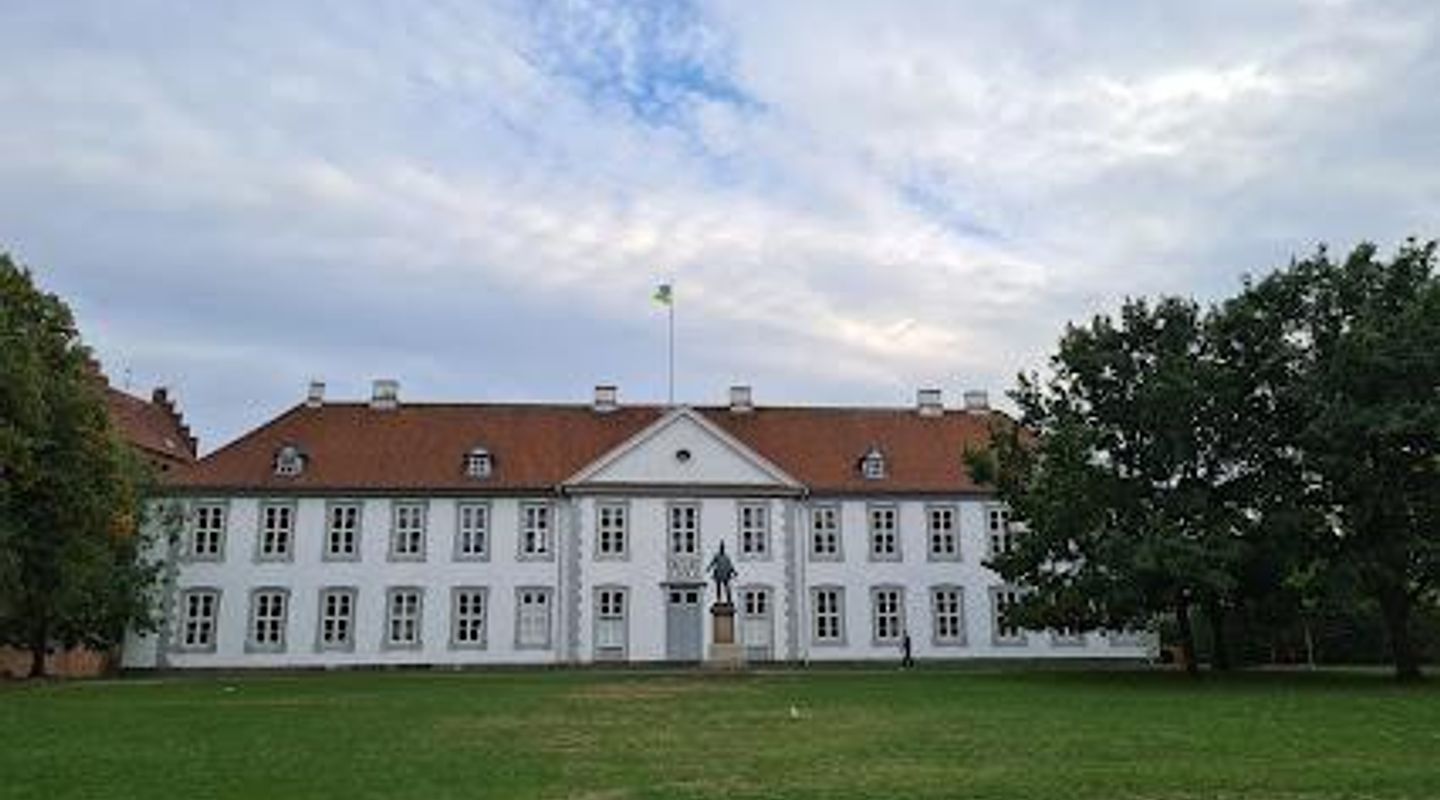
Set beside the leafy King’s Garden in the heart of Odense, Odense Castle is a dignified former royal residence that now houses city offices behind a pale-yellow, classically proportioned façade. Originally built as a royal palace and later remodelled in the 18th and 19th centuries, the castle anchors one edge of the park with its long wings, copper roofs and decorative details. Visitors come not for grand interiors, but for the tranquil setting, the historical architecture and the relaxed green space that frames the building.
A brief summary to Odense Castle
- Nørregade 36, Odense, Odense C, 5000, DK
- Click to display
- Duration: 0.5 to 1.5 hours
- Free
-
 Outdoor
- Mobile reception: 5 out of 5

Know before you go
Hi, I'm Eve. Here are a few practical things to know before exploring Odense Castle.
- Combine a walk around Odense Castle with time in Kongens Have; the best views of the façade and wings are from the central lawns and the tree-lined paths within the park.
- Plan your visit during daylight hours to appreciate the architectural details and enjoy the garden, especially in late spring and summer when the greenery frames the building.
- Use Odense Castle as a calm pause between museums in the city centre; bring a takeaway coffee and sit on a bench facing the castle to soak up the atmosphere.
Do you manage this location?
Take control to get all the benefits, like improved information, better appearance, and stronger visibility across AI-powered discovery. Learn more about listing your business on Evendo
Activate your presenceOther nearby places you may find interesting
The closest places of the same kind, if this one is not quite what you had in mind.

Explore Odense Castle on the Map
A handpicked selection of must-see spots near Odense Castle, mapped for you.
Unlock the Best of Odense Castle
Buy tickets
-
No tickets available
Book tours with entry


Book tours without entry


Getting There
-
Train and short walk within Odense
From Odense Station, it typically takes 10–15 minutes to walk to Odense Castle through the central streets and park areas. The route is flat and paved, suitable for most visitors and pushchairs. There is no separate entrance fee for the castle exterior or park, so this option is effectively free beyond any rail ticket you have already used to reach Odense.
-
Local bus within Odense city centre
Several city bus lines stop within a 5–10 minute walk of Odense Castle, with typical journey times of 5–15 minutes from residential districts and outer neighbourhoods. Single tickets on Odense city buses usually cost in the range of 20–30 DKK, with services running frequently during the day but less often in the evening and on weekends. Check the nearest stop to the city centre and be prepared for a short walk through the pedestrian streets and park.
-
Bicycle from elsewhere in Odense
Odense is one of Denmark’s most cycle-friendly cities, and reaching the castle by bike from most central neighbourhoods takes around 5–20 minutes along dedicated cycle lanes and low-traffic streets. Many visitors use their own bikes, while day rentals in the city typically cost about 100–150 DKK. The terrain is flat, and you can park and lock your bicycle near the edges of Kongens Have before exploring the castle surroundings on foot.
-
Car or taxi to Odense city centre
If you arrive by car from elsewhere on Funen, allow around 10–20 minutes’ driving time from nearby suburbs and 30–40 minutes from smaller towns on the island, depending on traffic. Public parking garages and street parking are available within walking distance of the castle, with hourly rates commonly in the range of 10–25 DKK. Taxis within Odense generally cost 80–200 DKK for cross-town trips, varying by distance and time of day, and will drop you in the central area a short walk from the castle and park.
For the on-the-go comforts that matter to you
-
 Seating Areas
-
 Trash Bins
-
 Information Boards
Discover more about Odense Castle
A royal residence at the edge of the park
Odense Castle stands quietly on the fringe of Kongens Have, the King’s Garden, its pale-yellow walls and slate roofs forming a handsome backdrop to one of the city’s most cherished green spaces. Looking at its long, almost palace-like wings, it is easy to imagine the days when this complex served as a royal residence on Funen. The building’s calm symmetry and restrained classical detailing speak more of courtly administration than of turreted romance, yet there is a quiet grandeur in the way it commands the northern side of the park.Today the castle no longer functions as a royal home. Instead, it houses municipal offices and administration, a reminder of how many historic buildings in Denmark have been woven into modern civic life. From the outside, though, the atmosphere still feels noble: arched portals, tall sash windows and discreet decorative flourishes hint at centuries of official ceremonies, visits and local decision-making carried out behind these walls.Layers of history in a modest shell
The site’s story reaches back to the Middle Ages, when a royal farm and later a palace complex marked Odense as an important centre of power on the island of Funen. Over time, rebuilding and remodelling gave the castle its present appearance, with most of what you see today shaped by 18th- and 19th-century tastes. Rather than a fortress with thick ramparts, this was a residence and administrative seat, reflecting a period when royal authority expressed itself through order and refinement instead of heavy defences.If you walk slowly around the exterior, you can trace some of these shifts in the architecture. Subtle differences in window styles, rooflines and masonry reveal how wings were extended or refaced as fashions changed. The overall impression, however, remains cohesive and harmonious – a carefully composed frontage that was meant to be viewed from the garden and nearby streets, projecting stability and authority to the town around it.The King’s Garden as the castle’s living room
What truly brings Odense Castle to life is its relationship with Kongens Have, the formal park that unfurls in front of the building. Laid out with lawns, tree-lined paths and flower beds, the garden effectively serves as the castle’s vast outdoor salon. The straight avenues frame long views of the façade, while mature trees soften the edges and create pockets of shade where you can sit and simply observe the building from different angles.In warmer months the garden feels almost like a communal living room for Odense. Office workers take breaks on benches facing the castle, children play around the statues and fountains, and locals cross the park on bicycles. The building is ever-present in the background, its elegant geometry anchoring the scene and reminding visitors that this green oasis once formed part of a royal domain.Experiencing the castle from the outside
For most travellers, a visit to Odense Castle is primarily an outdoor experience. There is no regular programme of interior tours, and daily life inside focuses on municipal work rather than museum displays. Instead, the pleasure lies in approaching the building from different sides, noticing how the wings enclose small courtyards, how staircases rise to main entrances, and how the light changes the colour of the plaster through the day.The lack of tourist infrastructure can actually make the encounter feel more authentic. You are seeing a castle in use, not frozen in time, and its role as a functioning civic building adds a contemporary layer to the historical setting. Combining a gentle stroll around the exterior with time in the garden offers a relaxed counterpoint to more formal sights in the city, especially when paired with nearby cultural attractions dedicated to Hans Christian Andersen.A quiet landmark in a literary city
Odense is best known as the birthplace of Hans Christian Andersen, and the city’s storytelling spirit subtly infuses the surroundings of the castle. Standing by the garden paths with the castle behind you, it is easy to picture carriages once rolling up to its doors or courtiers crossing the lawns. The building may not feature in any specific fairy tale, yet its presence strengthens the sense of being in a historic Danish town where stories, power and everyday life have long intersected.Seen in this light, Odense Castle works as a kind of architectural punctuation mark within the city centre. It offers a moment of calm structure amid a network of streets, museums and parks, and rewards those who pause to examine its details rather than simply passing through. As an accessible, low-key landmark, it rounds out an exploration of Odense’s heritage with a dose of quiet elegance and a strong sense of place.












Your all‑in‑one travel companion app
Explore expert travel guides, compare and book tours, experiences, hotels, and more—all from the palm of your hand. Download now for seamless trip planning wherever your wanderlust takes you.


Explore More of Odense
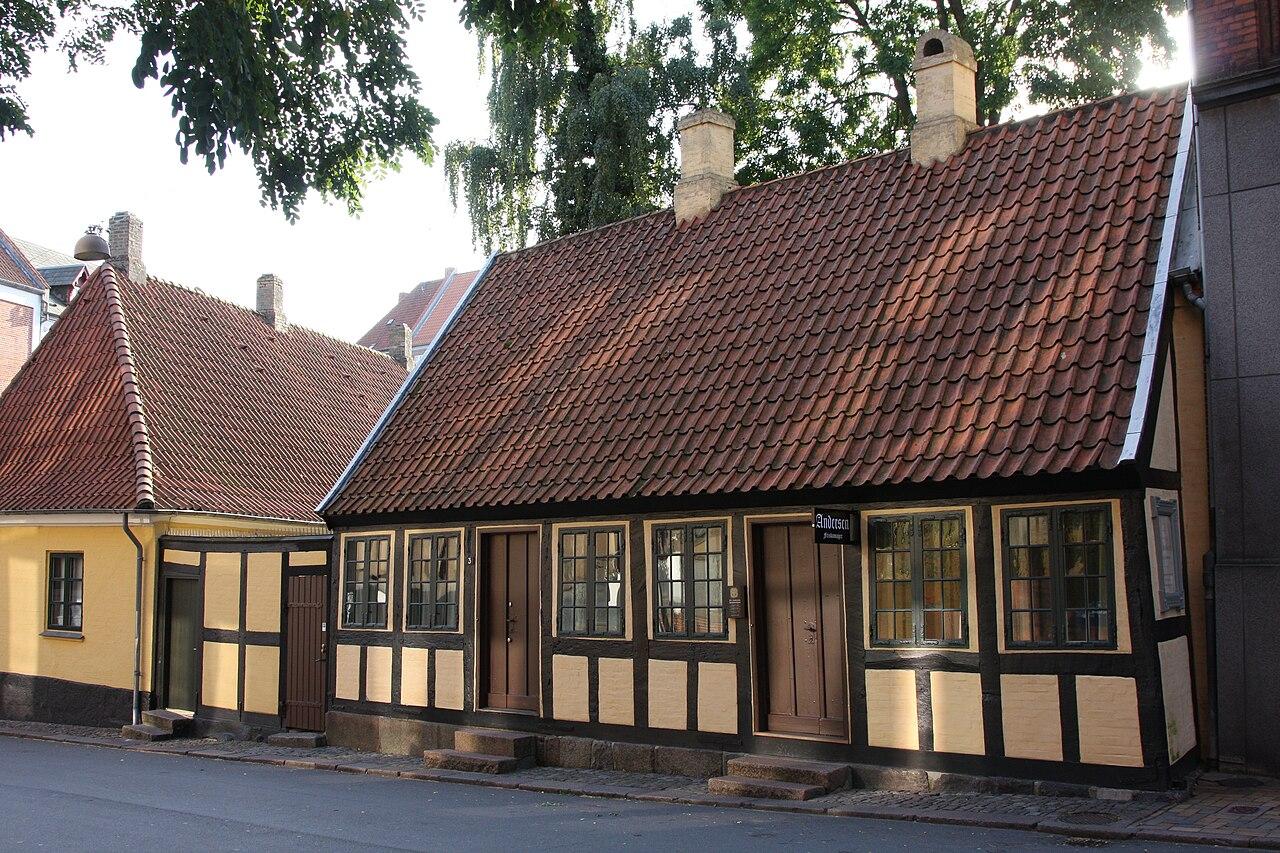
Looking beyond Odense Castle? Discover Odense for broader travel guides, local hot-spots, and regional highlights.
Explore Odense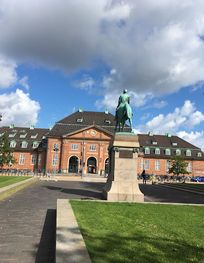
Central rail and bus hub of Funen, Odense Station links Denmark’s mainlines with the city’s historic heart, light rail and cultural sights in one integrated complex.
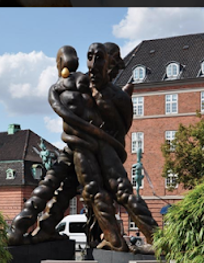
A towering, threefold portrait of Hans Christian Andersen that greets you outside Odense Station with colour, symbolism and quietly dramatic storytelling.